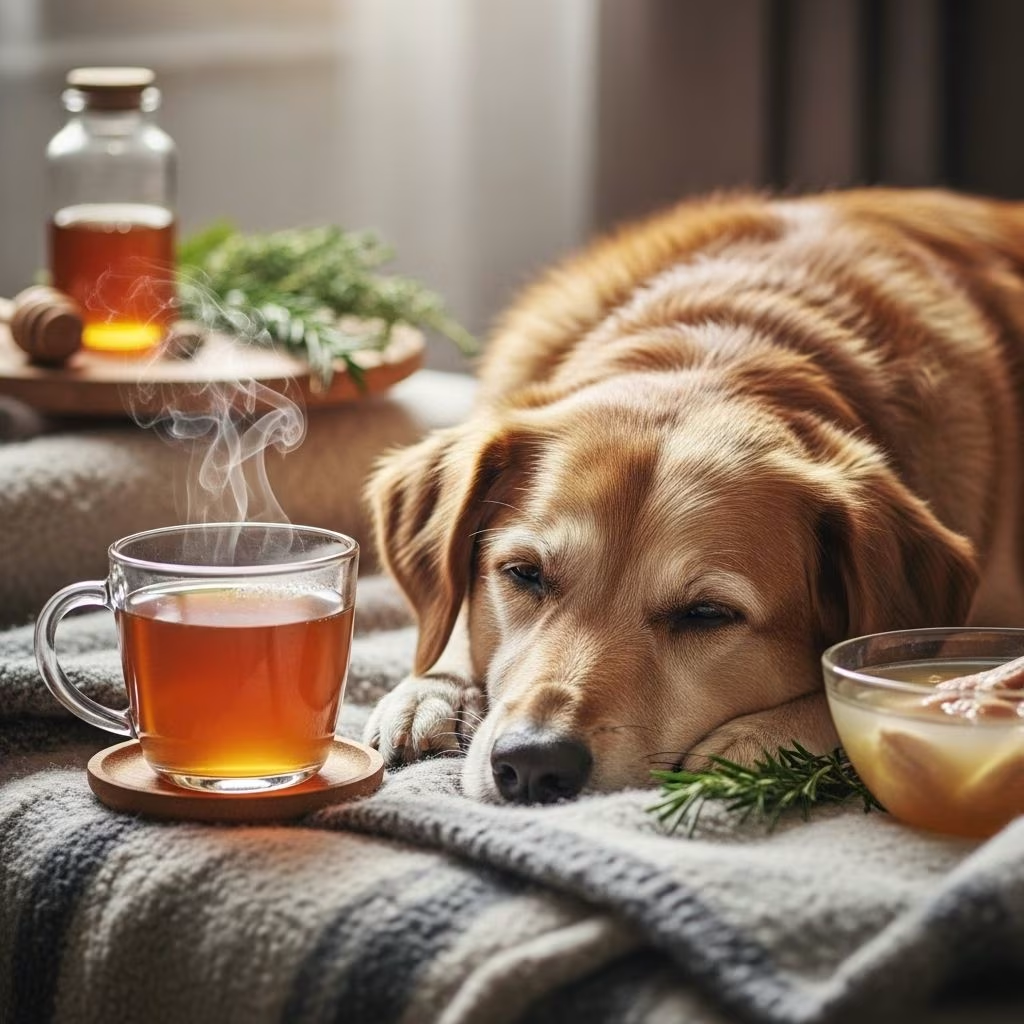
Kennel cough, also known as canine infectious tracheobronchitis, is a highly contagious respiratory illness that affects dogs of all ages. While most cases are mild and can be managed at home, it is important for pet owners to recognize symptoms early, take steps to support their dog’s recovery, and know when to consult a veterinarian. This guide explores ten trusted home remedies for kennel cough, offers safety tips, and answers frequently asked questions to help your dog breathe easier and recover faster.
What Is Kennel Cough?
Kennel cough is an upper respiratory infection in dogs caused by a variety of pathogens, most commonly the bacterium Bordetella bronchiseptica and, in some cases, canine parainfluenza virus. It is characterized by a persistent, dry, hacking cough that often sounds like a goose honk. Mild cases are typically self-limiting, but it’s vital to monitor symptoms since untreated or severe kennel cough can lead to complications like pneumonia.
- Highly contagious, especially in places where dogs gather (kennels, dog parks, daycare).
- Symptoms usually appear 3-10 days after exposure and can last 1-3 weeks.
- Most cases are mild and treatable at home, though some may require medical intervention.
Top 10 Home Remedies for Kennel Cough
Veterinarians advise that while not all cases of kennel cough require medication, supportive care and targeted home remedies can greatly reduce your dog’s discomfort and speed up recovery. Always consult your vet before starting any new treatment regimen, especially if your dog is very young, old, immunocompromised, or has other chronic illnesses.
1. Honey
Honey is a natural remedy with powerful antimicrobial and anti-inflammatory properties, making it particularly effective for soothing irritated throats and reducing coughing fits. A teaspoon of honey can coat a dog’s throat, providing temporary relief from frequent, harsh coughs.
- Drizzle honey over your dog’s food
- Offer honey directly off a spoon
- Mix honey with a little warm water for easier lapping or gentle delivery by syringe
Caution: Avoid using honey in puppies under one year old, diabetic, or obese dogs due to its sugar content. Always use pure, natural honey—preferably manuka or raw honey for maximum benefit.
2. Steam Therapy
Steam inhalation helps to loosen mucus, soothe irritated throat tissues, and clear airways. This simple remedy makes it easier for your dog to breathe and minimizes coughing episodes.
- Run a hot shower to steam up your bathroom.
- Bring your dog into the room (not in the water) for 10–15 minutes.
- Supervise closely and repeat 2–3 times per day as needed.
Alternatively, use a humidifier in your dog’s resting space to keep air moisture high and prevent dry coughing.
3. Rest and Isolation
Just like humans fighting a cold, dogs with kennel cough need plenty of rest. Activity (especially excitement or exertion) can trigger coughing fits and delay recovery. Additionally, since kennel cough is infectious, it’s vital to keep your sick dog isolated from other pets until they are fully recovered.
- Designate a quiet, comfortable resting area for your dog.
- Limit walks and playtime until symptoms resolve.
- Prevent contact with other dogs until your vet says it’s safe.
4. Hydration
Keeping your dog well-hydrated is crucial for soothing the throat, loosening mucus, and supporting the immune system. If your dog is a reluctant drinker, try flavoring their water with a splash of low-sodium chicken broth or offering ice cubes as treats.
- Refresh water bowls often and keep them clean.
- Offer small amounts of water frequently throughout the day.
- Add water or broth to food if appetite is reduced.
5. Chicken Broth
Warm chicken broth not only boosts hydration but also provides comfort and essential nutrients, especially for dogs with poor appetite. Always use plain, unsalted broth without onions or garlic.
- Simmer boneless, skinless chicken in water; remove all bones and fat.
- Cool the broth to room temperature before offering it to your dog.
- Serve broth as a drink, or mix with your dog’s food for added moisture and flavor.
6. Coconut Oil
Coconut oil contains medium-chain triglycerides (MCTs) that have recognized antimicrobial and immune-boosting properties. It can help fight infection, ease throat irritation, and encourage appetite.
- Mix 1/2 teaspoon into food for small dogs and up to 1 teaspoon for larger dogs.
- Ensure gradual introduction to avoid digestive upset.
7. Probiotics
Probiotic supplements support gut health and strengthen the immune system. A healthy digestive tract helps your dog’s body better resist and recover from respiratory infections.
- Choose a dog-specific probiotic product or a vet-recommended plain yogurt in small amounts.
- Introduce gradually and monitor for tolerance.
8. Herbal Remedies
Some herbal remedies have a long tradition of use in soothing coughs and boosting immunity in dogs. Always consult your vet before using herbs, particularly if your dog is on medication.
- Licorice root tea: Anti-inflammatory and throat-soothing. Brew as a weak tea and mix a small amount with food.
- Thyme: Natural antimicrobial. Sprinkle a tiny pinch of dried or fresh thyme on your dog’s meal or steep as tea.
- Echinacea: Known for immune system support. Use products formulated especially for dogs and adhere to dosing directions.
9. Keeping Environment Clean
Sanitation is essential to prevent reinfection and reduce symptom aggravation.
- Regularly wash your dog’s bedding, bowls, and toys with hot soapy water.
- Keep living spaces dust-free and ventilated to minimize airway irritants.
10. Using a Harness Instead of a Collar
Collars put additional pressure on the trachea, which can irritate a dog’s already sensitive throat and worsen coughing. Switch to a harness for all walks until your dog has recovered fully.
- Choose a comfortable, properly-fitted harness that distributes pressure away from the neck.
- Avoid strenuous exercise or walks during recovery.
Table: Kennel Cough Home Remedies at a Glance
| Remedy | Purpose | Usage Tips |
|---|---|---|
| Honey | Soothes throat & reduces cough | Mix with food, offer by spoon or in water |
| Steam Therapy | Moistens airways & loosens mucus | Steamy bathroom 10–15 mins, use humidifier |
| Rest & Isolation | Prevents spreading & supports healing | Quiet space, no contact with other pets |
| Hydration | Keeps throat moist & supports immune function | Fresh water, add broth for flavor |
| Chicken Broth | Nutrition & hydration support | Use plain/sodium-free broth, serve warm |
| Coconut Oil | Antiviral/antibacterial support | Mix into food, introduce slowly |
| Probiotics | Immune & gut health | Dog probiotics or plain yogurt |
| Herbal Remedies | Soothes throat; immune & antimicrobial properties | Use only vet-approved dog formulations |
| Clean Environment | Reduces airborne/dust irritants | Frequent washing, dusting |
| Use a Harness | Prevents tracheal pressure | No collars until better |
When to See a Veterinarian
While many dogs recover from mild kennel cough with home care, it is important to seek veterinary attention if:
- Your dog is very young, elderly, or has a pre-existing health condition.
- Cough lasts more than 7–10 days, worsens, or is accompanied by green/yellow nasal discharge.
- Your dog develops labored breathing, lethargy, loss of appetite, fever, or a productive cough (mucus or blood).
- Symptoms return after initial improvement.
Complications like pneumonia can be severe and life-threatening. Never hesitate to consult your vet if you have any concerns about your dog’s symptoms or recovery process.
Frequently Asked Questions (FAQs)
Q: How long does kennel cough last in dogs?
A: Most mild cases of kennel cough improve within 1–2 weeks. However, some dogs may cough for up to 3–4 weeks. Persistent or worsening symptoms should always be evaluated by your veterinarian.
Q: Can I walk my dog if they have kennel cough?
A: Keep walks short, gentle, and only in private areas to avoid exposing other dogs. Always use a harness to reduce throat irritation and avoid dog parks or group settings until your vet confirms your dog is no longer contagious.
Q: Are kennel cough home remedies safe for all dogs?
A: Most remedies are safe for otherwise healthy adult dogs. Avoid honey for puppies under 12 months and diabetic dogs. Herbal remedies should only be used with veterinary guidance, and always monitor your pet for adverse reactions.
Q: How can I prevent kennel cough in my dog?
A: Preventive strategies include vaccination (Bordetella and parainfluenza), avoiding high-risk environments during outbreaks, ensuring proper nutrition and hygiene, and quickly isolating any coughing dogs from others.
Q: Is kennel cough contagious to humans or other pets?
A: Kennel cough is generally not considered contagious to humans, but immunocompromised individuals should use caution. Some pathogens causing kennel cough can affect cats; consult your veterinarian if you have multi-pet households.
Tips for Supporting Your Dog’s Recovery
- Keep your dog’s living area warm and draft-free.
- Maintain a calm, low-stress environment to avoid activity-induced coughing.
- Follow your vet’s guidelines for any prescribed medications or supplements.
- Monitor your dog’s symptoms daily and contact your vet with any concerns.
A holistic, attentive approach ensures your dog receives comfort, care, and the best chance for a swift recovery from kennel cough. With vigilance, patience, and these effective home remedies, you can support your dog’s healing journey every step of the way.
References
- https://www.peaksnpaws.com/blogs/dog-chews-toys/kennel-cough-treatment-home-remedies
- https://www.rover.com/blog/kennel-cough-home-remedies/
- https://www.holistapet.com/blogs/home-remedies-for-dogs/why-is-my-dog-coughing
- https://franklintnvet.com/kennel-cough-home-treatment-for-dogs/
- https://www.webmd.com/pets/dogs/remedies-kennel-cough
- https://www.petmd.com/dog/conditions/respiratory/kennel-cough-dogs-what-are-symptoms-and-how-kennel-cough-treated
- https://www.youtube.com/watch?v=Tbtyr0bBFtc
- https://www.goodrx.com/pet-health/dog/what-is-kennel-cough