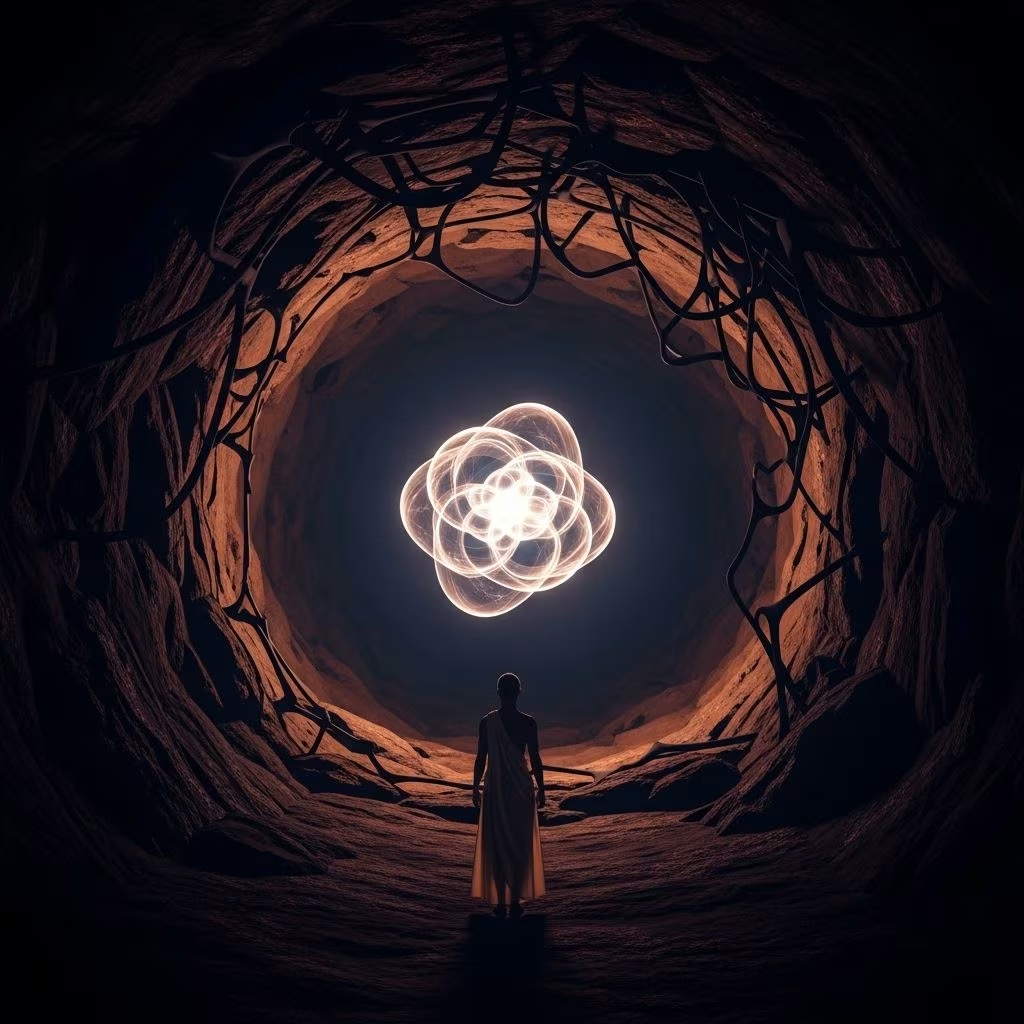
Coming Home to Our Light by Embracing the Dark
Many of us, at different points in our lives, have felt overshadowed by darkness—pain, loss, fear, or uncertainty. There are times when the darkness seems all-consuming, threatening to dim the unique light within us. Yet, what if the path to healing is not in denying the darkness but in embracing it with as much compassion as we give to our light? True healing and self-acceptance come from recognizing that both light and shadow are essential elements of our being. This article explores the transformative journey of coming home to your inner light by courageously embracing the dark.
The Inseparability of Light and Darkness
“Light and dark need each other. There will always be shadows where there is light.” This simple truth forms the foundation of personal growth. In our quest for happiness and clarity, we often try to distance ourselves from pain or sadness. However, the shadows we fear are a natural consequence of the light we carry. Turning away from the light only makes shadows larger. It is by turning toward the light, acknowledging both joy and sorrow, that the shadows shrink and healing begins.
Why We Hide from the Dark
- Fear that our pain will overwhelm us
- Belief that acknowledging sadness or grief is a weakness
- Habit of seeking only positive experiences, ignoring uncomfortable emotions
Yet, the dark is not our enemy. It holds lessons, nurturing growth, wisdom, and resilience. Unless we face our shadows, we are left fragmented and unable to fully appreciate our light.
The First Step: Allowing Yourself to Feel
Healing begins with truthful self-awareness. Only by allowing ourselves to feel—without judgment or avoidance—can we begin to heal. This means sitting with both the discomfort of darkness and the relief of light, rather than denying or suppressing any part of our emotional landscape.
- Recognize what you are feeling—name your emotions
- Accept the presence of pain or sadness
- Give yourself permission to experience joy alongside grief
Turning Back Toward the Light
After acknowledging and honoring your feelings, the act of turning toward the light is both literal and metaphorical. In the original story, healing began with basking in the sun in Jamaica—soaking up warmth, breathing deeply, and relaxing the body. These little rituals helped restore balance and begin the journey inward.
Practical Healing: How to Nurture Your Light
- Breathing exercises: Place one hand over your heart, one on your belly. Breathe in deeply, hold for three counts, then exhale slowly. Repeat. This simple act cultivates presence and soothes emotional pain.
- Connect with nature: Whether by sunbathing, walking in a park, or tending a garden, let natural light invigorate your being.
- Surround yourself with positive spirits: Spend time with friends who uplift your soul. Genuine laughter is a powerful healer.
- Commit to small acts: Smile more, set aside “me-time,” or treat yourself kindly, ensuring you prioritize self-care.
Healing Through Acknowledgment
It is crucial to note that healing cannot happen without honesty. Only when you acknowledge your true feelings—whether light, dark, or the space in between—can authentic recovery begin. Denial leads to deeper wounds, while acceptance opens the door to self-compassion and integration.
Key Points for Healing
- Practice emotional honesty
- Hold space for all your feelings, not just the pleasant ones
- Revisit joyful memories to counterbalance moments of darkness
The Epiphany: Every Shadow Is Created by Our Light
At times, physical relocation or new experiences bring clarity. In Jamaica, personal insight was found by soaking up the sun, breathing consciously, and laughing freely. However, returning home brought a wave of doubts. The question arises: What if darkness returns? The answer was revealed above the clouds—in the ever-present sun. No matter how obscured, our light is never gone; it persists above life’s clouds of pain and uncertainty.
Table: Comparing Light and Dark Practices
| Embracing the Light | Facing the Dark |
|---|---|
| Practicing gratitude | Allowing yourself to feel sadness |
| Sharing joy with friends | Sitting with discomfort and uncertainty |
| Setting goals and celebrating achievements | Recognizing past hurts and lessons learned |
| Cultivating self-love | Accepting moments of vulnerability |
Coming Home: Returning to Your True Self
The metaphor of “coming home” means returning to one’s authentic self—the place within where our deepest truths reside. It is the reconciliation of all parts of ourselves—not just the curated, “happy” moments, but also the struggles, fears, and growth born from pain. Home is the heart; home is self-acceptance.
Actionable Steps for Returning to Your Heart
- Allow Space for Both Light and Dark: Begin each day with a mindful check-in. Ask yourself, “What do I feel right now?” Honor whatever arises.
- Create Rituals: Simple acts like daily breathing exercises, journaling, or meditative walks reinforce the connection to your inner light.
- Seek Support: Confide in loved ones, therapists, or support groups. Community helps normalize the experience of both light and shadow.
- Celebrate Progress: Acknowledge your courage in facing the dark, and celebrate each step toward healing.
Lessons From the Journey: Light Above the Clouds
Doubts are part of the process. When leaving a place of renewal and returning to “real life,” old fears may resurface. The crucial lesson is understanding that the light is always present—even when hidden by clouds of uncertainty. By intentionally choosing to see beyond the clouds, you empower yourself to reconnect with your core essence.
Resilience and Faith
- Your inner light is constant; circumstances cannot extinguish it.
- Challenges offer perspective—by surpassing them, you fortify your sense of self.
- Trust in the healing process; faith is renewed each time you withstand life’s tempests.
Frequently Asked Questions (FAQs)
Q: Is it normal to feel overwhelmed by darkness sometimes?
Yes, periods of darkness and doubt are a natural part of life and personal growth. Accepting these moments without judgment can enable deeper healing and self-understanding.
Q: What are practical ways to nurture my inner light?
Breathwork, time in nature, genuine social connections, laughter, and self-compassion rituals all contribute to nurturing your light. Pick the ones that resonate most with your needs and lifestyle.
Q: How do I know if I am truly embracing my darkness?
If you allow yourself to feel pain and vulnerability—without trying to fix or deny it—you are embracing your darkness. Healing comes from gently observing and accepting these emotions.
Q: What if I lose my sense of light when life feels too hard?
Your light is intrinsic and never fully gone. You may lose sight of it temporarily, just as the sun is obscured by clouds, but it remains within you, ready for rediscovery.
Q: How can I blend the lessons from both my light and my dark?
Integrate both by reflecting on your experiences and recognizing how challenges have helped you grow. Use self-forgiveness and gratitude to unite wisdom from both joy and pain.
Summary: Reclaiming Wholeness Through Integration
The journey of coming home to your light by embracing the dark is neither linear nor simple. It is an ongoing dance between opposites—light and shadow, acceptance and resistance, joy and sorrow. By allowing yourself to feel, facing your darkness with compassion, and intentionally nurturing your light, you reclaim a sense of wholeness. The way home is through the heart: a place where both pain and peace can coexist, leading to genuine self-acceptance and inner peace.
References
- https://www.buddhistinquiry.org/article/a-simple-turning-in-place-forty-years-in-the-dharma/
- https://tinybuddha.com/blog/coming-home-to-our-light-by-embracing-the-dark/
- https://tinybuddha.com/blog/how-to-shine-your-light-even-when-you-dont-feel-whole/
- https://www.tcj.com/see-my-light-come-shining-an-excerpt-from-bob-levins-messiahs-meshugganahs-misanthropes-and-mysteries/
- https://tinybuddha.com/blog/when-youre-becoming-a-new-you-3-lessons-to-help-you-on-your-journey/
- https://tinybuddha.com/blog/9-beliefs-you-have-to-let-go-if-you-want-to-find-inner-peace/
- https://davidmichie.substack.com/p/buddhas-10-rules-for-non-harmful
- https://www.youtube.com/watch?v=P43OgphORAE
- https://tinybuddha.com/blog/where-are-you-right-now-the-importance-of-living-in-the-present/