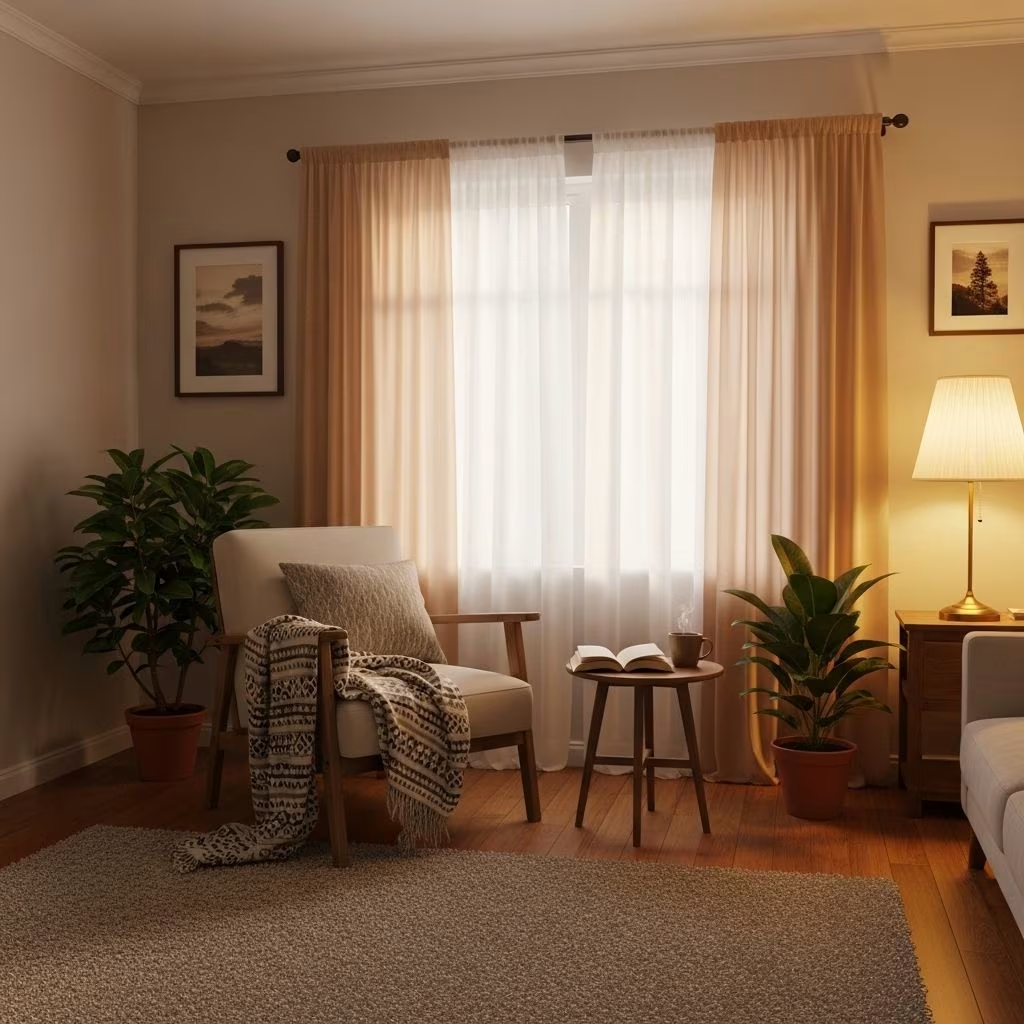
My Home Will Be a Safe Space: Creating Sanctuary and Emotional Security
Author: Inspired by Lori Deschene, founder of Tiny Buddha
Introduction: The Meaning of Home as a Safe Space
Home is more than just a physical structure. For many, it represents a sanctuary—a place to recharge, heal, and reconnect with yourself and those you love. Yet, creating a truly safe space goes much deeper than decor choices; it’s a deliberate act of fostering emotional and psychological security. When the world outside feels overwhelming or unpredictable, returning to a nurturing, supportive home can be transformative. This article explores what it means to make your home a safe space, why it’s crucial for emotional well-being, and actionable steps to cultivate this kind of environment for yourself and others.
Why a Safe Space Matters
Emotional safety in our living spaces is fundamental to unlocking relaxation, healing, and personal growth. Without a felt sense of safety, it’s challenging to open up, express vulnerability, or process life’s challenges. A safe home gives us room to:
- Rest and recover from daily stress or trauma
- Build authentic relationships free from judgment
- Experiment, create, and play without fear of ridicule
- Heal from past wounds by offering nurturing self-care
When the world outside is filled with tension, unpredictability, or even hostility, your home can serve as an anchor—a steady, affirming place to return to again and again.
Reflecting on What Safety Means to You
The concept of a ‘safe space’ will look and feel different for everyone. Reflect on these guiding questions:
- What did safety feel like in your childhood home? What was missing?
- What makes you feel calm and secure—physically, emotionally, and psychologically?
- Which people, boundaries, or comforts do you want to invite into your space? What would you rather leave out?
Recognizing your unique needs is an essential first step in consciously shaping your environment.
Practical Foundations: Making Safety Tangible
Moving from intention to reality, consider ways to actively root safety into your home.
1. Maintain Physical Comfort and Security
- Ensure your living area is secure: check locks, lighting, and entryways.
- Tend to basic comforts: warmth, cleanliness, and control over noise/light levels.
- Intentionally arrange spaces for relaxation, reading, meditation, or hobbies.
2. Emphasize Emotional Safety
- Commit to treating yourself and anyone who enters with compassion and respect.
- Discourage harsh criticism, sarcasm, yelling, or emotional invalidation.
- Create rituals of welcome and care: favorite teas, cozy blankets, calming scents, gentle music.
3. Develop Psychological Safety
- Encourage honest, non-judgmental conversations among household members.
- Empower everyone to set and respect boundaries—time alone, privacy, and consent in shared areas.
- Acknowledge mistakes and offer forgiveness, both to others and to yourself.
Healing from the Past & Rewriting Old Narratives
Many people carry emotional wounds from homes or environments where safety was lacking. Creating a new safe space provides the opportunity to nurture yourself in all the ways you once needed:
- Cultivate gentleness if your past involved criticism or neglect.
- Pursue openness if you previously felt dismissed, censored, or shamed.
- Embrace playfulness where life felt serious or harsh.
Affirmations and gentle reminders—placed throughout your home—can support this new narrative (e.g., “You are welcome here,” “It’s okay to rest,” or “All feelings are allowed”).
Setting Healthy Boundaries: Protecting Your Space
Maintaining a safe and healing home often depends on being proactive about boundaries. This may mean:
- Clearly communicating your needs to housemates, partners, or family.
- Deciding who is invited into your space—and under what conditions.
- Designating tech-free or quiet areas for reflection and decompression.
- Limiting exposure to toxic relationships, even if they are family or long-time friends.
Protecting your energy is an act of self-love, not selfishness. Setting boundaries reinforces that your home is a sanctuary, not a battleground.
The Power of Ritual and Intention
Certain regular practices can reinforce the feeling of safety and belonging at home:
- Create a calming morning or bedtime routine—lighting a candle, making tea, reading a book, or playing soft music.
- Set intention before gatherings or meals, such as expressing gratitude or sharing a moment of silence.
- Use visual cues (plants, art, affirmations) to anchor the energy you want in your space.
Letting Go of the Clutter—Physically and Emotionally
A safe home is also an uncluttered home, in both the literal and metaphorical senses. Excessive “stuff,” unresolved arguments, or old resentments can sap the energy of your space. Take time to regularly:
- Purge unused or unloved belongings.
- Clear out expired food or medicines.
- Invite closure on old arguments—either through honest conversation or internal release.
Streamlining your environment enables you to focus on what truly matters—rest, joy, and meaningful connection.
Reimagining Relationships Within Your Space
How you cultivate relationships at home is pivotal for establishing a sense of safety and inclusion. Patterns to encourage include:
- Practicing active listening—really hearing what others say without judgment or interruption
- Scheduling quality time together, balanced with respect for each person’s need for privacy or solitude
- Empowering children, roommates, or partners to share how the home feels to them and making adjustments as needed
- Nurturing conflict resolution with curiosity and care, rather than blame or withdrawal
Remember: Every exchange is an opportunity to reinforce or undermine the safety of your home.
Honoring Your Own Journey: Home as Sanctuary for Self-Compassion
More than anything, making your home a safe space is about honoring who you are and where you are in your journey. Your home can become a place to:
- Practice radical self-acceptance, especially on hard days
- Try new things and make mistakes without fear of ridicule
- Rest when you’re exhausted and celebrate when you feel inspired
This type of sanctuary isn’t about perfection—it’s about presence, kindness, and a commitment to personal growth.
Common Myths About Safe Spaces at Home
| Myth | Reality |
|---|---|
| Safe spaces require large, perfect homes | True safety can flourish in any environment, regardless of size or glamour |
| Only physical safety matters | Emotional and psychological security are equally vital |
| You must live alone to have a safe space | Safety is shaped by boundaries, communication, and intentional relationships—regardless of living arrangements |
| Creating a safe space is selfish | It is an essential act of self-care and models healthy boundaries for others |
Step-by-Step Worksheet: Designing Your Safe Space
- Self-Reflection: What are your biggest safety needs—physical, emotional, spiritual?
- Clear Boundaries: What, or who, disturbs your sense of peace? What boundaries could reduce this?
- Daily Rituals: List one gentle ritual you can incorporate into your mornings and one for evenings.
- Home Inventory: Walk through your home and notice any areas that don’t feel calming or joyful. What might you change?
- Affirmation Placement: Where could you place reminders (notes, objects, photos) that reaffirm your right to rest, be safe, and belong?
Frequently Asked Questions (FAQs)
Q: What if my housemates or family are not supportive of creating a safe space?
A: Begin by modeling respect, clear communication, and healthy boundaries. Have honest conversations about what makes everyone feel comfortable and work to find common ground. If difficulties persist, prioritize boundaries around your personal space within the shared home (your bedroom or a designated area).
Q: Can I create a safe space in a small apartment or shared situation?
A: Absolutely. Use curtains, screens, or furniture to define personal zones. Use headphones for auditory privacy, and establish visual signals for “do not disturb” time to protect precious solitude and calm.
Q: How can I stop old emotional patterns from making my home feel unsafe?
A: Healing takes time. Focus on introducing supportive routines, decluttering emotionally as well as physically, and practicing daily self-compassion. Encourage gentle self-talk and consider seeking therapy or group support if needed.
Q: Is it selfish to set boundaries and say no to visitors?
A: No. Setting boundaries is a necessary act of self-care and makes it possible for you to recharge and later connect more fully with others. Respect for personal boundaries helps maintain a loving, sustainable home environment.
Final Thought: Nurturing a Sanctuary Within and Without
If you’ve ever longed for a place to truly exhale, to be wholly yourself, or to heal from what the world can inflict, know that you have the power to create such a sanctuary. By mindfully shaping your external space—and honoring your internal journey—you claim your right to safety, belonging, and joy. May your home become the safe space you (and those you love) have always deserved.
References
- https://tinybuddha.com/fun-and-inspiring/my-home-will-be-a-safe-space/
- https://tinybuddha.com/blog/looking-for-security-we-can-be-our-own-safe-places/
- https://tinybuddha.com/blog/depending-on-yourself-in-the-uncertain-in-between-space/
- https://tinybuddha.com/blog/how-to-feel-at-home-wherever-you-are/
- https://tinybuddha.com/blog/how-to-set-healthy-boundaries-and-protect-your-space-and-energy/
- https://tinybuddha.com/blog/when-too-much-stuff-gets-in-the-way-of-all-the-good-stuff/