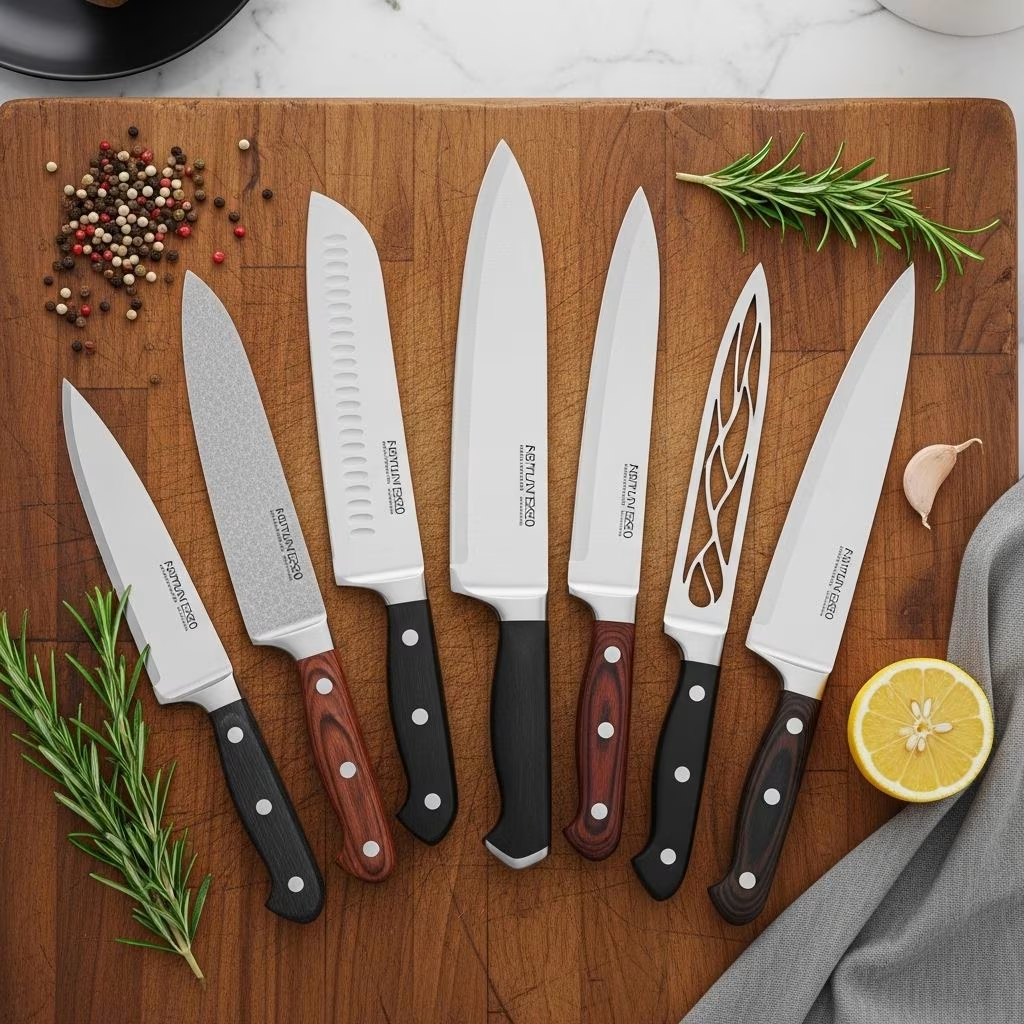
The Best Kitchen Knives for Every Task: A Comprehensive Guide
Every successful chef, whether amateur or professional, knows the importance of having the right kitchen knife for the right task. From crisp vegetable chopping to delicate mincing and robust meat carving, kitchen knives are the backbone of meal preparation. This guide demystifies knife selection, reveals top picks, and answers the most common kitchen knife questions, helping you slice through confusion and cook with confidence.
Why Quality Kitchen Knives Matter
The right set of knives can transform your culinary experience—enhancing speed, safety, and precision. Well-chosen blades mean cleaner cuts, improved food presentation, and reduced fatigue, making everyday cooking smoother and more enjoyable. Let’s explore the must-have knives for any kitchen and how to choose the best ones for your needs.
Essential Kitchen Knives and Their Uses
- Chef’s Knife: The universal workhorse for chopping, slicing, dicing, and mincing vegetables, herbs, fruits, and boneless meats. Classic sizes range from 6 to 8 inches, with a comfortable weight and curved belly for rocking motions.
- Santoku Knife: Shorter, lighter, and perfect for slicing, dicing, and chopping, especially for vegetables and fish. The straight edge excels at precise cuts rather than rocking chopping.
- Paring Knife: Small (typically 3 to 3.5 inches), ideal for peeling, trimming, coring, and intricate work with fruits and vegetables.
- Bread Knife: Serrated edge (usually 8 inches) easily slices through crusty bread and soft produce (like tomatoes) without crushing.
- Utility Knife: A mid-size knife (4–6 inches), versatile for everyday tasks such as slicing sandwiches, meats, or prepping small fruits.
- Steak Knife: Small, sharp, and serrated; perfect for table use on steaks and tougher meats.
- Slicer Knife: Long and narrow for clean, thin slices of large cuts of meat like roasts or brisket.
- Specialty Knives: Additional options include boning knives (for removing bones), cleavers (for heavy-duty chopping), Nakiri, and Usuba (vegetable specialists), among others.
How to Choose the Right Kitchen Knife
- Type & Intended Use: Match the blade design to your cooking habits. Chef’s knives are versatile; Santoku is great for vegetables and fish; bread knives for baked goods; paring knives for detail work.
- Blade Material: Common choices include high-carbon stainless steel (durable and rust-resistant), laminated steel (combines hard core for sharpness with a softer exterior for easy sharpening), and Damascus steel (aesthetic appeal but similar function to layered blades).
- Blade Construction: Forged knives are typically stronger and better balanced than stamped knives. Forging creates a thicker, more durable blade.
- Size & Ergonomics: Select lengths that feel comfortable in your hand and suit your cutting style. Handle material matters for grip and comfort—modern options include wood, composites, and polymers.
- Sharpening & Maintenance: Ensure the knife is easy to sharpen and resilient to regular use. Double-bevel blades are standard for most Western knives, while many Japanese knives use finer angles for sharper but more delicate edges.
- Budget: Choose quality for the blades you’ll use most often (usually chef’s and paring knives), and build your set as needed, investing in specialty blades for specific tasks.
Comparing Knife Blade Types
| Knife Type | Best For | Blade Features | Typical Size |
|---|---|---|---|
| Chef’s Knife | All-purpose chopping, slicing, dicing, mincing | Curved belly, balanced weight | 6–8 inches |
| Santoku | Vegetable, fish, precise cutting | Straight edge, lightweight | 5–7 inches |
| Paring Knife | Peeling, trimming, detail work | Compact, sharp point | 3–3.5 inches |
| Bread Knife | Bread, pastries, soft fruits | Serrated edge | 8 inches |
| Utility Knife | Slicing sandwiches, small meats/fruits | Straight or lightly serrated edge | 4–6 inches |
| Slicer Knife | Carving large meats | Long, narrow blade | 8–12 inches |
| Steak Knife | Table service for steaks | Serrated, small | 4–5 inches |
Top Features to Look For When Buying Kitchen Knives
- Blade Sharpness & Retention: High-carbon blades retain edge longer but may require careful upkeep. Laminated steel provides durability with easier sharpening.
- Balance & Weight: The knife should feel balanced in your grip—neither too blade nor too handle heavy. This helps control and reduces fatigue during extended prep.
- Comfort & Ergonomic Handle: Handles made of wood, resin, or composite reduce fatigue and provide a secure, non-slip grip.
- Double-Bevel vs. Chisel Ground: Most Western knives have double-bevel edges (angled on both sides, suitable for all users); Japanese knives may have single-side ground, providing exceptional sharpness for precision work but requiring more care.
- Maintenance: Easy-to-clean materials and comfortable sharpening methods (such as honing rods or whetstones) prolong blade life and quality performance.
Popular Blade Materials
- High-Carbon Stainless Steel: Preferred for durability, rust resistance, and edge retention.
- Laminated/Damascus Steel: Combines hard steel core with softer exterior, providing long-lasting sharpness and easy maintenance. Visually distinctive with layered patterns.
- Classic Stainless Steel: Reliable, budget-friendly, and easy to maintain—ideal for beginners.
Expert Tips for Building Your Kitchen Knife Collection
- Start with a high-quality chef’s knife for versatility.
- Add a dependable paring knife and a serrated bread knife for specialized tasks.
- Expand with utility, santoku, and specialty knives as your cooking needs grow.
- Choose knives that fit your hand comfortably and match your cutting style.
- Invest in sharpening tools (honing rod, whetstone) to maintain performance.
Knives Worth Considering
- ZDP-189 Bunka Black: Multi-purpose Japanese blade designed for Western cooking, offering ease of maintenance and long-lasting sharpness.
- All-Clad Forged Knives: Forged construction with various specialties, such as chef’s, santoku, bread, and paring knives.
- T-fal Ice-Force Knives: Reliable everyday choices for those seeking affordability without sacrificing performance.
Kitchen Knife Care and Maintenance
- Regular Sharpening: Use a whetstone or honing rod to keep blades razor-sharp and safe.
- Hand Washing: Clean blades immediately after use to prevent staining and reduce corrosion risk. Avoid dishwashers, which may dull edges and damage handles.
- Safe Storage: Store knives in a dedicated block, magnetic strip, or sheath to protect blades and fingers.
- Proper Cutting Surface: Use wood or plastic boards—never hard surfaces like glass or stone—to preserve blade edges.
Frequently Asked Questions (FAQs)
Q: What is the most important kitchen knife to own?
A chef’s knife is widely considered the most crucial blade, thanks to its versatility in chopping, slicing, and dicing a wide variety of ingredients.
Q: How often should I sharpen my kitchen knives?
For home cooks, sharpening every couple of months (or as soon as you notice dullness) and honing regularly before use ensures safe and efficient cutting.
Q: Are expensive knives always better?
While premium knives offer longevity and precision, many mid-range brands provide excellent quality for everyday use. Focus on material, construction, and comfort over price alone.
Q: What’s the difference between a chef’s knife and a santoku?
Chef’s knives are larger with a curved belly suited for rocking chops; santoku knives are shorter, lighter, and excel in quick, precise slicing, dicing, and chopping.
Q: Should I buy knife sets or individual blades?
Beginners should start with individual essentials: chef, paring, and bread knives. Add specialty blades as your skills advance or needs change.
Final Thoughts: Slice with Confidence
Investing in the right kitchen knives elevates your meal prep efficiency, safety, and enjoyment. Begin with versatile essentials, and expand your collection as recipes and culinary curiosity demand. With a clear understanding of blade types and features, selecting the ideal knife for every culinary challenge is easier than ever. Cook smart, slice safely, and let quality knives be your kitchen’s MVP.
References
- https://www.t-fal.com/blog/post/which-kitchen-knife-to-use
- https://sharpedgeshop.com/blogs/knives-101/how-to-choose-a-kitchen-knife
- https://www.kitchenkapers.com/pages/how-to-choose-kitchen-knives
- https://www.all-clad.com/blog/post/The-Best-Kitchen-Knives-Types-Explained
- https://madeincookware.com/blogs/types-of-kitchen-knives
- https://shun.kaiusa.com/blade-shapes
- https://www.carawayhome.com/blog/types-of-kitchen-knives