


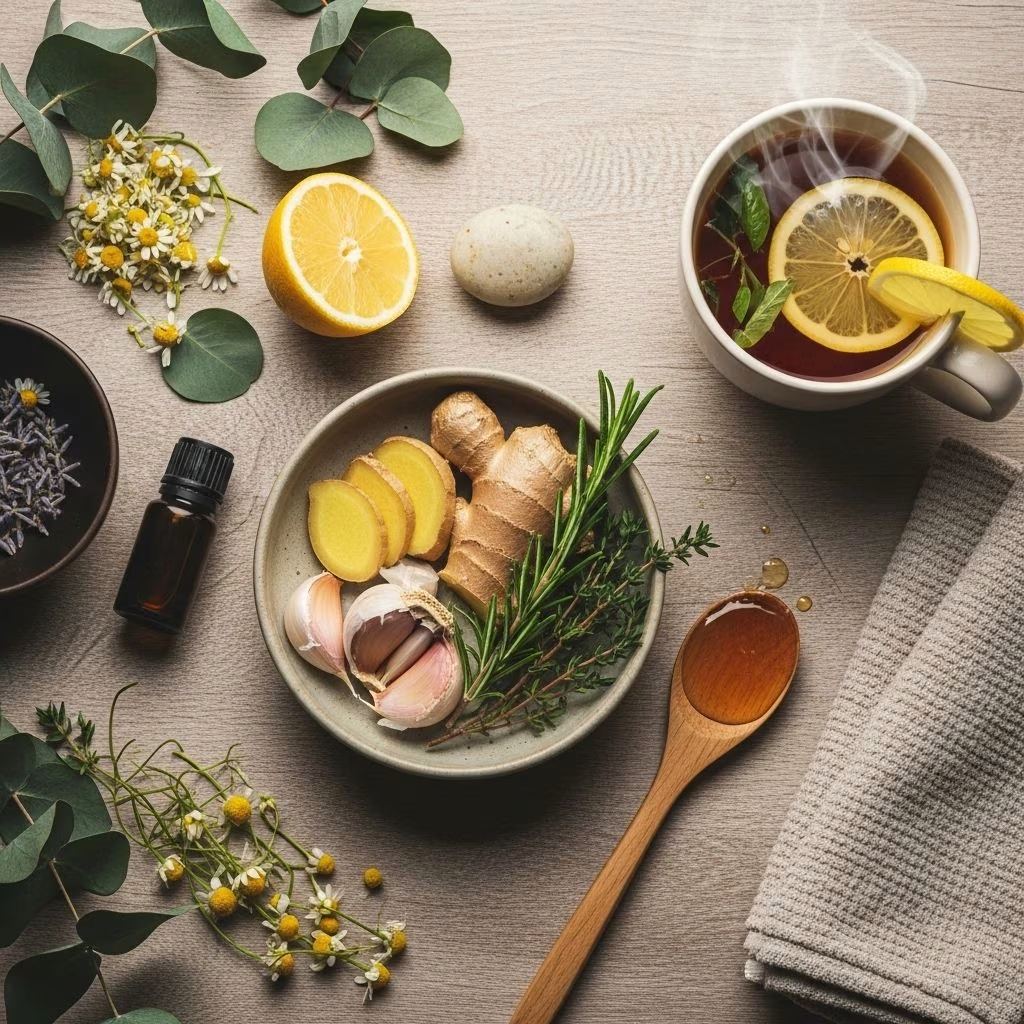
Chest pain can be sudden and alarming, sparking worries about heart problems for many. While chest pain is always a symptom that should be taken seriously, much of it isn’t related to the heart. In fact, research shows that 70–80% of chest pain cases seen in primary care and emergency departments are not heart-related. For non-cardiac causes, natural and safe home remedies may effectively relieve discomfort. This article explores trusted home remedies for chest pain, explains when to use them, the science behind each method, and—crucially—signals for when to seek urgent medical help.
Understanding Chest Pain
Chest pain can be caused by several conditions, not all of which are related to the heart. Common causes include:
- Digestive issues (heartburn, acid reflux, GERD)
- Muscle strain or injury in the chest
- Respiratory infections
- Anxiety or panic attacks
- Cardiac conditions (angina, heart attack)
Identifying the underlying cause is essential for choosing the right remedy. While home treatments may offer relief for mild, non-serious symptoms, chest pain from a heart attack or unstable angina should always be treated as a medical emergency.
Precautions: When Is Chest Pain an Emergency?
Never ignore chest pain, especially if it is:
- Crushing, squeezing, or heavy, especially in the center of the chest
- Radiating to the jaw, arm, neck, or back
- Accompanied by shortness of breath, nausea, sweating, dizziness, or palpitations
- Triggered or worsened by exertion
- Not relieved by rest or home remedies
If any of these symptoms occur, call for emergency medical help immediately.
Top Proven Home Remedies for Chest Pain Relief
The following home remedies may ease occasional chest discomfort due to digestive causes, mild muscle strain, or benign respiratory issues. Each is supported by traditional use, some clinical insight, and safety considerations.
1. Almonds
Best for: Acid reflux, mild heartburn relief
- Eating a handful of almonds or drinking almond milk may help neutralize stomach acidity and soothe heartburn, often a source of chest pain.
- Almonds are rich in healthy fats and antioxidants, which benefit cardiovascular health and may also help lower cholesterol levels.
Caution: Almonds may not work for everyone; avoid if you have nut allergies. Persistent heartburn warrants a medical checkup.
2. Ice Packs (Cold Compress)
Best for: Chest muscle strain or injury
- Applying a cold pack to the chest area can reduce pain and inflammation from strains caused by exercise, blunt trauma, or overuse.
- Use a cold pack wrapped in a towel for up to 20 minutes, taking breaks between sessions.
Caution: Do not use cold therapy for chest pain of unknown cause or if you suspect a heart issue.
If pain is deep or comes with other symptoms, seek medical attention.
3. Hot Drinks
Best for: Gas pain, bloating, mild digestive discomfort
- Sipping a warm beverage, like hot water or herbal tea (peppermint, ginger, chamomile, hibiscus), may relax the digestive tract, help move trapped gas, and ease chest or upper stomach discomfort.
- Some teas, especially hibiscus, have additional benefits like lowering blood pressure and cholesterol.
Avoid: Caffeinated beverages if you have reflux or GERD—as caffeine tends to aggravate symptoms.
4. Baking Soda Solution
Best for: Acid reflux-related heartburn
- Dissolve 1/2 teaspoon of sodium bicarbonate (baking soda) in 4 ounces of water and drink it for rapid relief from acid-related chest pain.
- It works by neutralizing stomach acid, lowering discomfort from heartburn.
Caution: Baking soda is high in sodium—avoid frequent use, especially if you have hypertension, kidney disease, or are on a low-sodium diet. Never use as a substitute for long-term acid reflux treatment.
5. Garlic
Best for: Potential cardiovascular support, mild hypertension, mild infections
- Garlic is believed to help lower blood pressure and cholesterol, reducing cardiovascular risk over time.
- Chew a fresh garlic clove or infuse it in warm milk for a traditional remedy. For respiratory infections, sucking on garlic may ease mild chest pain or cough discomfort.
Note: Scientific evidence is mixed. Avoid high doses if you are on blood thinners, as garlic may increase bleeding risk.
6. Apple Cider Vinegar
Best for: Occasional acid reflux, mild digestive upset
- Mix 1–2 tablespoons of raw apple cider vinegar into a glass of water and drink before or after meals to potentially reduce acid reflux symptoms.
- Though evidence is limited, some find it helps balance stomach acidity.
Caution: Do not use if you are already on blood-thinning medication, as apple cider vinegar can potentiate these effects. Avoid undiluted vinegar—it can erode tooth enamel and aggravate reflux.
7. Aspirin
Best for: Acute pain relief on medical advice
- For those diagnosed with angina or at known cardiac risk, low-dose aspirin can reduce heart pain by thinning the blood and preventing clots.
- Do not take aspirin for undiagnosed chest pain without a doctor’s direction, as misuse can cause serious side effects.
8. Change in Position
Best for: Reflux-induced chest pain
- Lying down can worsen reflux. Sitting up or lying with your upper body elevated may ease pain and prevent acid from backing up into the esophagus.
9. Ginger
Best for: Bloating, gas, inflammation, mild indigestion
- Ginger is a traditional remedy for many digestive problems and is believed to have anti-inflammatory properties.
- Drink ginger tea or chew a slice of fresh ginger for relief.
10. Turmeric Milk
Best for: Inflammation, muscular pain
- Mix a teaspoon of turmeric powder into a cup of warm milk and drink before bed. Turmeric (curcumin) exhibits natural anti-inflammatory effects and may aid in healing muscle strains and reducing general discomfort.
Note: Avoid turmeric supplements in excess if you are on blood thinners, and always check with your healthcare provider.
11. Holy Basil (Tulsi)
Best for: Mild respiratory or digestive issues, stress relief
- Holy basil has natural anti-inflammatory, antimicrobial, and adaptogenic properties.
- Drink tulsi tea or chew fresh leaves to soothe cough, bronchitis, mild GERD, and acid reflux, or to help with stress-related chest tightness.
Quick-Reference Table: Home Remedies for Chest Pain
| Remedy | Best Use | Cautions |
|---|---|---|
| Almonds | Heartburn, acid reflux | Avoid if allergic |
| Ice Pack | Muscle strain/injury | Don’t use for unknown pain |
| Hot Drinks/Herbal Teas | Gas, digestive upset | Avoid caffeine with reflux |
| Baking Soda | Heartburn, acid reflux | High sodium, not for frequent use |
| Garlic | Cardiovascular/respiratory | Avoid if on blood thinners |
| Apple Cider Vinegar | Digestive causes | Can interact with blood thinners |
| Aspirin | As directed for cardiac | Medical supervision only |
| Change Position | Reflux pain | Use for mild symptoms |
| Ginger | Bloating, digestive symptoms | May interact with medications |
| Turmeric Milk | Muscular pain, inflammation | Caution on high doses |
| Holy Basil | Respiratory/digestive, stress | Generally safe |
Lifestyle Tips to Prevent Chest Pain Recurrence
- Maintain a balanced, heart-healthy diet high in fiber and low in saturated fats
- Manage stress with exercise, meditation, or yoga
- Avoid overeating and wait at least 2–3 hours after eating before lying down
- Quit smoking and limit alcohol consumption
- Stay well-hydrated and active to support overall cardiovascular health
Risks & When To See a Doctor
Not all chest pain can or should be treated at home. The following symptoms indicate a need for immediate medical attention:
- Chest pain accompanied by difficulty breathing, sweating, nausea, vomiting, or fainting
- Pain that radiates to the left arm, jaw, or back
- Sudden severe pain, especially if you have risk factors for heart disease
- Prolonged pain not relieved by home remedies or rest
Always err on the side of caution. If you have any doubt about the seriousness of your symptoms, call emergency services or your physician promptly.
Q: Can home remedies cure serious heart problems?
A: No. Home remedies can provide relief for minor, non-cardiac causes of chest pain, such as muscle strain or mild acid reflux. Serious heart conditions—including heart attack, angina, or major cardiac events—require immediate medical evaluation and intervention.
Q: How quickly can home remedies work for chest pain?
A: Some remedies like hot drinks or cold packs may provide relief within minutes for mild pain, while others, such as lifestyle changes, can take weeks to show benefits. If pain persists beyond a few minutes or worsens with activity, seek medical attention.
Q: Which foods should I avoid if I frequently have chest pain?
A: Avoid spicy, fatty, and fried foods, as well as caffeine, chocolate, and carbonated drinks if you experience heartburn-related chest pain. Reducing alcohol and quitting smoking can also help lower the risk of both digestive and cardiac causes.
Q: Are natural remedies for chest pain safe for everyone?
A: Not always. People with allergies, chronic disease, or those taking certain medications (such as anticoagulants) should consult their healthcare provider before using herbal or food-based remedies. Safety and effectiveness can vary by individual and underlying cause.
Q: How do I know if my chest pain is from the heart or another cause?
A: Only a healthcare professional can definitively distinguish cardiac from non-cardiac chest pain. Warning signs for cardiac causes include intense, squeezing pain, radiation to other body parts, and symptoms like shortness of breath, sweating, or nausea. When in doubt, seek medical help.
References
- https://eroffortworthtx.com/blog/chest-pain-relief-safe-and-effective-home-remedies/
- https://www.marylandpainandwellnesscenter.com/blog/nonprescription-remedies-for-chest-pain
- https://www.medicalnewstoday.com/articles/321133
- https://www.healthline.com/health/home-remedies-for-heart-pain
- https://www.stylecraze.com/articles/effective-home-remedies-to-treat-chest-pain/
- https://www.stylecraze.com/articles/yoga-for-chest-pain-relief/
- https://health.clevelandclinic.org/how-to-get-rid-of-chest-pain
- https://pmc.ncbi.nlm.nih.gov/articles/PMC3093002/


