


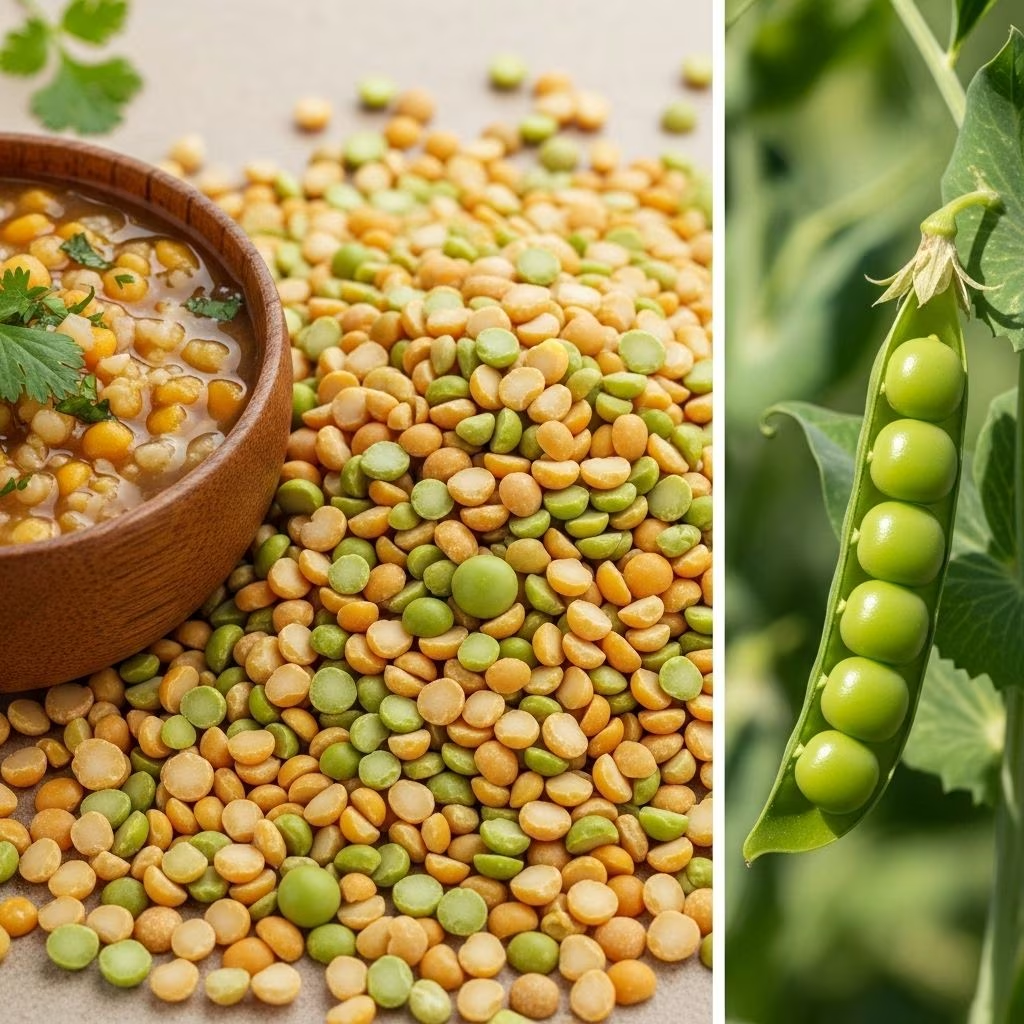
Field peas—known scientifically as Pisum sativum subsp. arvense—are among the earliest domesticated crops, deeply woven into global agriculture, cuisine, and nutrition. Distinct from garden peas, field peas are grown and harvested as a dry, shelled product used for food, feed, cover cropping, and soil enrichment. This comprehensive guide details everything you need to know about field peas: their fascinating history, nutritional advantages, agricultural roles, culinary versatility, and the nuances of their taste and varieties.
Introduction to Field Pea
Field pea, often referred to as “dry pea,” is an annual, cool-season legume cultivated for its dry, shelled seeds. While related to the familiar sweet green pea (garden pea), field peas are typically consumed dried, split, or whole, and are a staple ingredient in many traditional dishes across Europe, Asia, North America, and Africa.
- Botanical Name: Pisum sativum subsp. arvense
- Other Names: Dun pea, Austrian winter pea, Kapucijner pea, forage pea
- Primary Uses: Human food, animal feed, cover crop, silage, green manure
Botanical Description & Plant Structure
Field peas grow as herbaceous annuals with slender, succulent stems that range from 1 to 6 feet (0.3–1.8 meters) in length. Their foliage is commonly green to pale green. Structurally, field peas display diversity based on leaf and growth types:
- Leaf Types: “Leafed” types produce pairs of leaflets, while “semi-leafless” types have compound tendrils instead of leaflets, which can help prevent lodging (plant collapse due to weak stems).
- Growth Habit: Indeterminate (vining) types continue to grow and flower over a longer period, while determinate (bush or dwarf) types mature earlier and have more compact growth.
- Pods: Typically 2–3 inches (5–7 cm) long, holding 4 to 9 seeds depending on variety and growing conditions.
- Seeds: Rounded to angular, sometimes with smooth or dimpled coats; come in colors such as green, yellow, gray, brown, or white.
- Roots: Shallow but well-nodulated, contributing to soil nitrogen by fixing atmospheric nitrogen.
Because of their climbing tendency, field peas are often supported by nets, trellises, or companion crops. The flowers—usually white, pink, or purple—self-pollinate, ensuring reliable seed production.
Historical Roots & Global Cultivation
Field peas have a profound agricultural heritage. Archeological records indicate that field peas have been cultivated for at least 7,000 years, with evidence tracing back to the ancient Near East regions that now include modern Turkey.
- Ancient Significance: One of the first crops to be brought under cultivation by humans, valued for their protein and adaptability.
- Current Production: Field peas are now grown on over 25 million acres globally, making them one of the major dry grain legumes in temperate agriculture.
- Main Producers: Russia and China lead in production, followed by Canada, Europe, Australia, and the United States. These regions are also major exporters of dry peas.
Nutritional Benefits of Field Peas
Field peas are widely celebrated for their nutritional density. Unlike many cereals, peas are a robust source of plant protein, a variety of vitamins and minerals, and dietary fiber, while being low in fat. Here is an overview of the key nutritional benefits of field peas (per 100g cooked, unsalted):
| Nutrient | Approximate Value | Main Benefit |
|---|---|---|
| Calories | 118 kcal | Moderate energy source |
| Protein | 8–9 g | Muscle/organ growth, maintenance |
| Carbohydrates | 21 g | Sustained energy, dietary fiber source |
| Dietary Fiber | 6–7 g | Digestive health, satiety |
| Fat | 0.5–1 g | Low in fat |
| Iron | 2–3 mg | Supports oxygen transport |
| Potassium | 370 mg | Regulates blood pressure |
| Folate (B9) | 60–65 µg | Cell growth, pregnancy health |
| Magnesium | 35 mg | Nerve/muscle function |
- Free from Gluten: Ideal grain alternative for those with gluten sensitivity or celiac disease.
- Phytonutrients: Contain polyphenols, saponins, and other antioxidants that may reduce risk of chronic illnesses.
- Low Glycemic Index: Good for stable blood sugar control.
Field peas are especially valuable in vegetarian and vegan diets for their protein content and amino acid profile when combined with cereals.
Agricultural Value and Soil Health
Field peas are not only nutritionally beneficial for humans and animals, but also offer substantial advantages for sustainable agriculture:
- Nitrogen Fixation: Pea plants (with symbiotic bacteria) convert atmospheric nitrogen into a form usable by plants, reducing or eliminating the need for synthetic fertilizers and enriching soil for subsequent crops.
- Crop Rotation: Often included in rotations after cereals (wheat, barley) to break pest and disease cycles and improve soil health.
- Cover Crop & Green Manure: Grown purely to provide ground cover, prevent erosion, and add organic matter and nutrients when plowed into the soil.
- Forage and Silage: Used alone or in mixtures (often with oat, barley, or triticale) for hay, silage, or grazing, increasing total forage yield and quality for livestock.
Culinary Uses of Field Peas
Field peas are a culinary staple in traditional and modern cuisines across the globe:
- Soups and Stews: Split peas and whole dried peas are classic for hearty soups (split pea soup, European pulse stews, South Asian dals).
- Purees & Spreads: Mashed field peas feature in dishes like Greek fava, Indian matar dal, and Middle Eastern dips.
- Side Dish or Main Course: Served as a protein-rich alternative to beans or lentils.
- Pea Flour: Ground into flour for use in baking, batters, and gluten-free recipes.
- Livestock and Pet Food: Processed into pellets or used whole as a nutritious feedstuff—a popular option in many animal and bird diets.
Traditional recipes vary by region, with classic examples including Southern-style black-eyed pea dishes (though these are technically Vigna species), Nordic pea soups, and British pease pudding.
Taste Profile and Varieties
Field peas present a distinct yet subtle taste profile:
- Earthy and Nutty: Their most defining flavor is a gentle earthiness, sometimes likened to lentils, but milder and sweeter.
- Mellow Sweetness: Unlike the sharper, fresh sweetness of green peas, field peas offer a delicate, almost buttery sweetness, intensified by slow cooking.
- Texture: When cooked, field peas become creamy but retain shape when not overcooked. Split peas soften fully and can be pureed smooth.
The taste can slightly vary depending on the color and variety:
- Green and yellow peas have gentle, buttery flavors suitable for many dishes.
- Dun and maple peas exhibit a slightly more robust, earthy taste.
- Austrian winter peas are often described as especially savory and pleasant in soups or as foraged greens.
How to Cook & Store Field Peas
Cooking field peas is straightforward, with method depending on whether they are whole or split:
- Soaking: Whole dried peas typically require soaking overnight for even cooking and reduced cooking time. Split peas often do not require soaking.
- Cooking Time: Simmer soaked whole peas for 45–60 minutes or until tender. Split peas cook in 25–40 minutes, often without pre-soaking.
- Seasoning: Salt, bay leaves, aromatics, and spices complement their flavor. Avoid acidic ingredients until peas are soft, as acids can toughen the peas’ skins.
- Serving: Serve hot as soups, stews, curries, or cold in salads and spreads.
Store dried field peas in a cool, dry place in an airtight container for up to a year. Once cooked, refrigerate leftovers promptly and use within 5 days.
Common Varieties and Forms
The world of field peas encompasses a range of cultivars, each with distinct characteristics and culinary uses. The most prominent forms include:
- Green and Yellow Field Peas: Available whole or split, popular in soups and purees.
- Dun Pea: Brown or grey-brown; a staple in animal feed and used in some traditional peasant stews.
- Maple Pea: Marked with distinctive brown spots, often used for pigeon feed and sprouting.
- Austrian Winter Pea: Hardy, often grown as green manure and sometimes harvested for food or forage.
- Pea Flour, Pea Protein Concentrates: Processed forms for gluten-free and plant-based products.
Each cultivar adapts to slightly different climates and soil types, and selection might be based on flavor, color, and agricultural needs.
Frequently Asked Questions (FAQs)
Q: What is the difference between field peas and green peas?
A: Field peas refer to varieties grown for drying and storage, usually harvested mature and shelled, while green peas (“garden peas”) are picked and consumed fresh when immature, sweet, and tender.
Q: Are field peas and split peas the same?
A: Split peas are processed field peas that have been hulled and split along their natural seam, improving cooking time and texture but retaining all the nutritional value of the whole pea.
Q: How do field peas improve soil health?
A: As nitrogen-fixing legumes, field peas enrich soils by capturing atmospheric nitrogen in symbiosis with soil bacteria, leading to reduced need for synthetic fertilizers and stronger future crop yields.
Q: Are field peas suitable for gluten-free diets?
A: Absolutely. Field peas are naturally gluten-free, making them ideal for anyone with gluten intolerance or celiac disease.
Q: What common dishes use field peas?
A: Popular dishes include classic split pea soup, Indian dal, British pease pudding, Mediterranean fava, and pea flour flatbreads.
Conclusion
Field peas stand out as a versatile, sustainable, and nutritious legume with a rich agricultural legacy. From their role in modern farming and environmental management to their starring place in comfort food worldwide, field peas offer an unmatched combination of flavor, nutrition, and value. Whether you’re a grower, chef, or simply curious about healthy, plant-based foods, field peas are worth a place in your field, kitchen, or pantry.
References
- https://albertapulse.com/growing-peas/
- https://en.wikipedia.org/wiki/Pea
- https://www.ndsu.edu/agriculture/ag-hub/ag-topics/crop-production/crop-pest-report/plant-science/field-pea-05/12/22
- https://nrcs.usda.gov/plantmaterials/nypmctn13507.pdf
- https://www.merriam-webster.com/dictionary/field%20pea
- https://pmc.ncbi.nlm.nih.gov/articles/PMC10341148/
- https://www.ndsu.edu/agriculture/extension/publications/field-pea-production
- https://www.gov.mb.ca/agriculture/crops/crop-management/field-peas.html


