Pain Under the Left Rib Cage: An In-Depth Guide
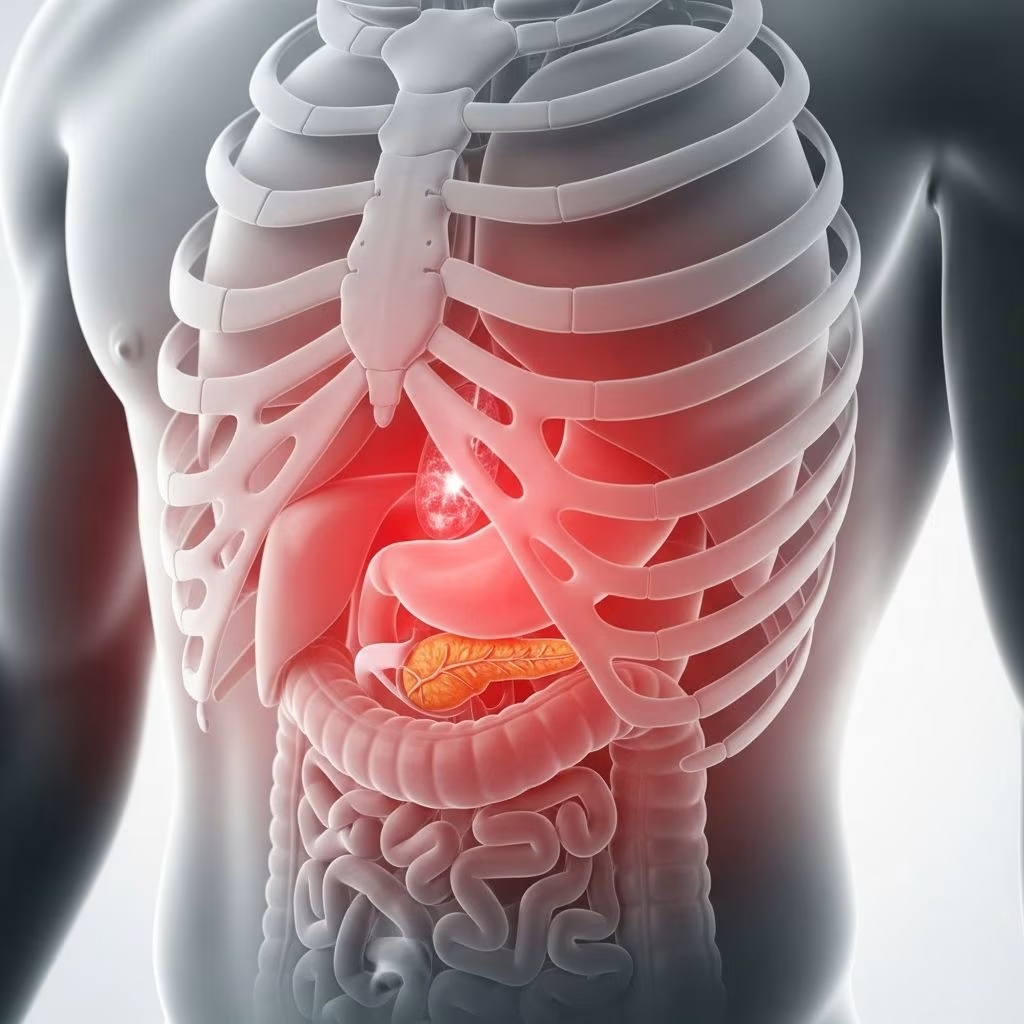
Pain under the left rib cage is a common symptom that can range from mild discomfort to severe distress. Because the area under the left rib cage houses several vital organs—including parts of the heart, lungs, spleen, stomach, pancreas, kidneys, and parts of the digestive tract—determining the cause requires careful attention to associated symptoms and their severity.
This comprehensive guide covers the potential causes, related symptoms, diagnostic approaches, and treatment options for pain under the left rib cage, as well as when to seek urgent medical care.
What Is Pain Under the Left Rib Cage?
Pain or discomfort located under the left rib cage, often described as upper left abdominal pain, may feel sharp, dull, aching, or stabbing. It may come and go or be persistent, and sometimes radiate to the back, shoulder, chest, or down the leg. The pain can occur with breathing, eating, coughing, or physical movement.
- The rib cage acts as a protective barrier for vital organs, including the heart, left lung, spleen, stomach, pancreas, and left kidney.
- Pain in this region can be caused by issues affecting these organs, musculoskeletal injuries, digestive problems, or even infections and inflammation.
Main Causes of Pain Under the Left Rib Cage
Understanding the underlying causes is crucial to determine the appropriate care. The most common causes include:
1. Digestive System Causes
- Gastritis: Inflammation of the stomach lining, often due to infection (e.g., Helicobacter pylori), frequent NSAID use, or heavy alcohol use, can cause upper left abdominal pain, bloating, nausea, and feeling full quickly.
- Gastrointestinal Issues: Irritable bowel syndrome (IBS) and inflammatory bowel diseases (IBD) like Crohn’s disease or ulcerative colitis can cause cramps, diarrhea, constipation, and changes in bowel habits along with pain near the ribs.
- Trapped Gas: Excess gas from indigestion or food intolerance can stretch the intestines near the rib cage, causing temporary sharp pain.
2. Pancreatic Problems
- Pancreatitis: An inflamed pancreas, usually due to excessive alcohol use, gallstones, infections, or certain medications, often causes severe, persistent pain under the left rib cage that may radiate to the back. Other symptoms include nausea, vomiting, and fever.
- Pancreatic Cancer: Less common, but may also cause upper left abdominal pain, especially if there is unexplained weight loss or jaundice.
3. Spleen-Related Causes
- Enlarged Spleen (Splenomegaly): Conditions like infections (such as mononucleosis), liver disease, or blood disorders can lead to spleen enlargement. Symptoms include a sense of fullness or dull pain under the left rib, sometimes accompanied by fatigue or easy bruising.
- Splenic Rupture: Often a result of blunt trauma (injury), this causes sudden, severe, sharp pain and is a medical emergency. Signs may also include low blood pressure and dizziness.
4. Musculoskeletal and Rib Cage Problems
- Costochondritis: Inflammation of the cartilage where the ribs meet the breastbone causes sharp, localized pain that worsens with deep breaths or coughing. The area may be tender to the touch.
- Pulled or Strained Muscles: Resulting from sudden movement, intensive exercise, or injury. This often presents as aching or soreness, worsened by movement or pressure on the area.
- Bruised or Broken Ribs: Trauma can cause acute, localized pain that intensifies with deep breathing, movement, or pressing on the area. Bruising or swelling may also occur.
5. Heart and Lung Causes
- Pericarditis: Inflammation of the membrane around the heart, possibly causing sharp chest pain radiating to the left side or the shoulder.
- Pleurisy: Inflammation of the lining around the lungs can cause sharp, stabbing chest pain that worsens with breathing or coughing, often in the left upper segment.
- Pneumonia: Infection in the left lung can cause localized pain under the left rib cage, along with cough, fever, and difficulty breathing.
- Heart Attack: Heart-related pain can sometimes be felt as pressure or aching under the left ribs, often accompanied by shortness of breath, sweating, nausea, or pain radiating to the jaw or arm.
6. Kidney Problems
- Kidney Stones: Stones passing from the kidney can cause cramping pain that radiates around the rib area to the back or groin. May also present with blood in urine or frequent urination.
- Kidney Infections: Pyelonephritis may manifest as dull or sharp pain near the lower ribs, usually on one side, often with fever, chills, and urinary symptoms.
Table: Comparison of Common Causes of Left Rib Pain
| Cause | Pain Description | Other Symptoms | Urgency |
|---|---|---|---|
| Gastritis | Dull/aching upper stomach pain | Bloating, nausea, vomiting | See doctor if persistent |
| Pancreatitis | Intense, radiates to back | Fever, vomiting | Urgent, see doctor |
| Costochondritis | Localized, sharp or pressure-like | Increased with movement/breathing | Monitor, see doctor if severe |
| Splenic rupture | Sudden, severe, sharp | Dizziness, low blood pressure | EMERGENCY |
| Kidney Stones | Sharp, cramping, radiates | Blood in urine, urinary symptoms | See doctor |
| Heart attack | Pressure, radiating pain | Shortness breath, sweating, nausea | EMERGENCY |
| Pleurisy | Sharp, stabbing with breath | Shortness of breath, cough | See doctor |
Symptoms Associated With Left Rib Cage Pain
The characteristics of the pain and accompanying symptoms help narrow down the cause. Look for these features:
- Type of pain: dull, sharp, constant, intermittent, stabbing, aching
- Triggering factors: breathing, movement, eating, coughing
- Other symptoms: fever, nausea, vomiting, fatigue, weight loss, changes in bowel movements, difficulty breathing, chest tightness, blood in urine or stool
How Is Pain Under the Left Rib Cage Diagnosed?
Doctors assess your medical history, conduct a physical examination, and often order investigations to determine the cause, such as:
- Blood tests: To check for infection, inflammation, anemia, or organ function.
- Urinalysis: To detect kidney problems.
- Imaging: X-rays, ultrasound, CT, or MRI to look for organ damage, stones, enlargement, or fluid accumulation.
- ECG or stress tests: To evaluate for heart-related causes if symptoms suggest cardiac involvement.
- Endoscopy: For digestive causes such as gastritis or ulcers.
Treatment Options for Pain Under the Left Rib Cage
Management depends on the diagnosed cause. General treatment principles include:
- Pain management: Analgesics, anti-inflammatories, or muscle relaxants for musculoskeletal and mild inflammatory conditions.
- Antibiotics: For infections (such as kidney, lung, or spleen infections).
- Dietary changes: Avoiding irritating foods, adopting a low-fat or bland diet for gastritis or pancreatitis.
- Rest and lifestyle modification: Limiting physical activity, avoiding alcohol, and stress management.
- Hospitalization: For severe cases (acute pancreatitis, splenic rupture, heart attacks), emergency care, and possibly surgery.
- Treatment of underlying disease: Long-term follow-up for conditions like IBD, IBS, or chronic heart/lung/renal issues.
Prevention and Self-Care Tips
- Maintain a healthy, balanced diet and avoid excessive alcohol consumption.
- Exercise caution during physical activities and use protective equipment to prevent rib injuries.
- Avoid NSAIDs or over-the-counter medications in excess to prevent gastritis or kidney damage.
- Manage stress to reduce the risk of functional digestive disorders.
- Regular health check-ups and timely management of chronic conditions.
When Should You See a Doctor?
It’s important not to ignore persistent or severe pain under the left rib cage. Seek medical attention if you experience:
- Very severe, sudden-onset pain
- Pain with chest tightness, shortness of breath, or fainting
- Pain following trauma or injury
- Pain accompanied by fever, vomiting blood, or blood in urine/stools
- Pain unrelieved by simple measures or interfering with daily activities
- Any symptom that makes you concerned for a serious underlying disease
Frequently Asked Questions (FAQs)
Q1: Can stress or anxiety cause pain under the left rib cage?
Yes, stress or anxiety can lead to muscle tension or functional digestive disorders like IBS, which may result in pain or discomfort under the ribs. However, it’s important to rule out physical causes, especially if the symptoms persist or worsen.
Q2: How can I tell if my rib pain is heart-related?
Heart-related pain is often described as a pressure, squeezing, or heaviness, sometimes radiating to the arm, jaw, or back, and may be accompanied by shortness of breath, sweating, or nausea. If you suspect heart involvement, seek emergency care immediately.
Q3: Should I be worried about pain that worsens after eating?
Pain that gets worse after meals could point towards digestive causes such as gastritis, pancreatitis, or even peptic ulcers. Persistent post-meal pain should be assessed by a healthcare provider.
Q4: How can I differentiate between muscle pain and organ pain?
Musculoskeletal pain usually gets worse with movement, touch, or certain positions. Pain from internal organs may be accompanied by other symptoms such as fever, digestive disturbances, or urinary changes, and may not change consistently with movement.
Q5: What home remedies can help with mild pain under the left rib cage?
Rest, avoiding aggravating activities, and using a warm compress can provide relief for minor muscle strains. Over-the-counter antacids may help with mild digestive discomfort. However, self-medication shouldn’t delay seeking medical care for persistent or worsening symptoms.
Key Takeaways
- Pain under the left rib cage has numerous possible causes ranging from benign to life-threatening.
- Carefully noting the pain characteristics and associated symptoms is critical for identifying the underlying problem.
- Timely diagnosis and treatment are vital, especially if severe or sudden symptoms are present.
- Always consult a healthcare provider with persistent, unexplained, or severe pain under the left rib cage.
References
- https://www.tuasaude.com/en/pain-under-left-rib-cage/
- https://123bodyscan.com/blog/pain-under-the-left-rib-cage-possible-causes/
- https://www.medicalnewstoday.com/articles/325815
- https://www.healthline.com/health/pain-under-left-rib
- https://www.narayanahealth.org/blog/female-left-side-pain-under-ribs-causes-symptoms-and-treatment-options
- https://www.mayoclinic.org/diseases-conditions/costochondritis/symptoms-causes/syc-20371175