


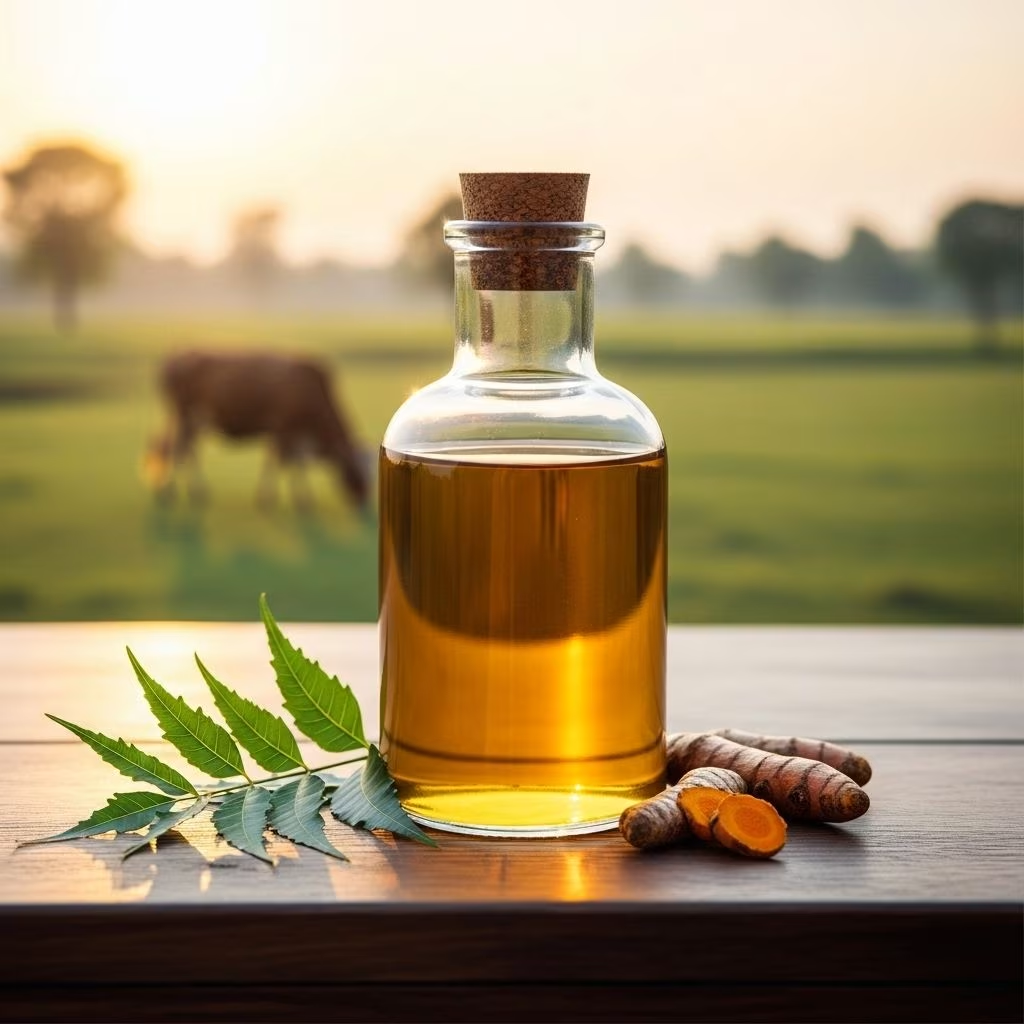
Introduction: What Is Cow Urine (Gomutra)?
Cow urine, called gomutra in Sanskrit, is a liquid waste excreted by cows. Traditionally considered sacred in several cultures, especially in India, it has a long history of use in Ayurvedic medicine and folk remedies. Recent years have witnessed renewed scientific and public interest in cow urine due to its claims of broad therapeutic potential—including antimicrobial, antioxidant, immunomodulatory, and anticancer activities.
Cow urine is also a key ingredient of Panchagavya (a mixture containing five cow-derived products: milk, curd, ghee, urine, and dung) used in traditional therapeutic and agricultural practices.
Composition of Cow Urine
Cow urine comprises over 95% water, with the remainder containing urea, minerals, salts, hormones, enzymes, and bioactive volatile fatty acids. Its exact composition depends on factors like the cow’s breed, age, health, diet, and environmental conditions.
- Urea and uric acid
- Minerals: sodium, potassium, calcium
- Volatile fatty acids
- Amino acids and enzymes
- Phenolic compounds
These components are proposed as the basis for the claimed therapeutic effects.
Purported Health Benefits of Cow Urine
Advocates of cow urine highlight a diverse array of health benefits, many derived from traditional knowledge and increasingly supported—though still debated—by modern preclinical research. Below is a comprehensive look at these claims:
1. Antimicrobial Activity
Cow urine has traditionally been used for its ability to fight infections. Modern studies demonstrate broad-spectrum antimicrobial action—both antibacterial and antifungal—with activity shown against gram-positive and gram-negative bacteria, including antibiotic-resistant strains like Klebsiella pneumoniae and Pseudomonas aeruginosa.
- Phenolic acids and volatile fatty acids disrupt bacterial cell membranes and inhibit crucial enzymes.
- Used in traditional medicine to manage wounds, sores, and skin infections.
2. Immunomodulatory and Antioxidant Effects
Cow urine is reported to strengthen immune responses by boosting the production of immunoglobulins and activating immune cells such as macrophages and natural killer cells.
- Increases production of anti-inflammatory cytokines (e.g., IL-10).
- Reduces pro-inflammatory markers like TNF-α and IL-6.
- Protects cells against oxidative stress due to its antioxidant constituents, which combat free radical damage.
These properties suggest potential benefits in autoimmune conditions, chronic inflammation, and even as a supportive treatment in infections and degenerative diseases.
3. Anticancer Activity
Perhaps the most notable claim is anticancer potential. Studies and anecdotal reports suggest cow urine may:
- Induce apoptosis (programmed cell death) in cancer cells.
- Enhance the effectiveness of certain chemotherapy agents (bioenhancement).
- Help prevent DNA damage through antioxidant and detoxification pathways.
Some Indian research organizations have patented cow urine distillate for its supportive role in cancer therapy, citing its ability to boost anti-tumor immunity and reduce toxicity of chemotherapeutic drugs. However, large-scale, well-designed human trials remain lacking.
4. Antidiabetic Effects
Experimental evidence indicates that cow urine may help regulate blood sugar levels and improve insulin function, making it potentially beneficial in managing diabetes mellitus:
- Reduces fasting glucose in animal models.
- Improves pancreatic function and helps protect against diabetes-related complications.
5. Hepatoprotective Actions
Cow urine is claimed to support liver health and protect against damage caused by toxins or chronic illness. It is sometimes recommended as a supportive adjunct in the treatment of liver disorders in herbal and Ayurvedic systems.
6. Additional Claimed Benefits in Ayurveda and Folk Practices
- Skin ailments such as eczema, psoriasis, and leprosy
- Respiratory diseases (asthma, bronchitis)
- Cardiovascular support (helping prevent blockages and hypertension)
- Digestive disorders, including constipation and peptic ulcers
- Gynecological issues and urinary tract disorders
- Fever, migraine, epilepsy, and anemia
Modern Research and Clinical Evidence
While research has illuminated some promising trends, much of the evidence is derived from:
- Animal studies (preclinical models in mice and rats)
- In vitro (test-tube) experiments
- Small pilot human studies and anecdotal reports
The most robust findings include antimicrobial, immunomodulatory, and antioxidant effects. However, studies vary widely based on preparation methods, dosage, and cow breed. Human clinical evidence remains sparse, and there are significant challenges to standardization, quality control, and safety verification.
Ayurvedic and Traditional Uses of Gomutra
In Ayurveda, gomutra is considered a “medicinal elixir” and is integrated into several traditional formulations and therapeutic rituals. Key uses include:
- Panchagavya therapy: Mixture of milk, curd, ghee, dung, and urine for detoxification, rejuvenation, and spiritual purification.
- Mahayograj Guggul: Blend of cow urine, herbal ingredients like Triphala, and cow milk for anemia and general weakness.
- Rasayana: Ancient compounds for general wellness, often using cow urine as a solvent or base.
- Gargling and topical application: For sore throat, oral ulcers, or skin disorders, sometimes mixed with honey, turmeric, and herbal extracts.
Other cultural uses include religious purification rituals and as a natural pesticide or fertilizer in organic farming.
How Is Cow Urine Used?
There are several forms and methods of cow urine application, depending on the intended benefit:
- Raw urine: Collected and consumed directly after minimal filtration (not recommended due to contamination risks).
- Cow urine distillate: Distilled to remove volatile toxins and pathogens, regarded as safer and more stable.
- Mixed formulations: Blended with other herbs, minerals, or dairy products for targeted conditions (e.g., with Triphala, ghee, turmeric, honey).
- Topical use: Applied externally for skin disorders and wounds.
Potential Risks and Safety Considerations
Despite widespread use in traditional medicine, modern experts caution against indiscriminate consumption of cow urine due to the following concerns:
| Risk or Concern | Description |
|---|---|
| Microbial contamination | Raw or improperly processed urine may harbor bacteria, fungi, or parasites, posing a risk of infection. |
| Toxicity and heavy metals | Cows exposed to contaminated feed or water could pass hazardous chemicals or heavy metals into urine. |
| Unknown dosages | No standard dosing; overconsumption may cause nausea, vomiting, or allergic reactions. |
| Limited human data | Few large, well-controlled studies in humans; most health claims remain unproven by high-quality clinical trials. |
Note: Always seek advice from a qualified healthcare provider before considering cow urine or any alternative therapy, especially if you have underlying health conditions, are pregnant, or are on prescription medications.
Scientific Limitations and Controversies
Several issues limit the acceptance of cow urine as a mainstream therapeutic agent:
- Variation in composition due to breed, diet, and environment
- Lack of rigorous double-blind, placebo-controlled human trials
- Potential for adverse effects, contamination, or immunological reactions
- Ethical, cultural, and religious debates surrounding its use in non-Indian contexts
In summary: While cow urine demonstrates some genuine pharmacological activity in preclinical research, extensive further study—including standardized production and clinical trials—is required before formal medical endorsement.
Cow Urine in Other Traditional Medicine Systems
Traditional Chinese Medicine, African folk medicine, and other indigenous healing systems have documented various uses for cow urine, especially for conditions like convulsions in children (e.g., in Nigeria, as part of a mixture with garlic, tobacco, and herbs). However, these practices are highly localized and not broadly validated by scientific study.
Patents and the Role as a Bioenhancer
Research teams in India have received U.S. patents for cow urine distillate as a bioenh
References
- https://jddtonline.info/index.php/jddt/article/view/4267
- https://ijmmtd.org/archive/volume/10/issue/4/article/8902
- https://www.lybrate.com/topic/9-benefits-of-cow-urine/45a72be224170381b741d0e2723108d8
- https://pmc.ncbi.nlm.nih.gov/articles/PMC4566776/
- https://en.wikipedia.org/wiki/Cow_urine
- https://onlinelibrary.wiley.com/doi/10.1155/2024/1904763
- https://pubmed.ncbi.nlm.nih.gov/26401404/


