


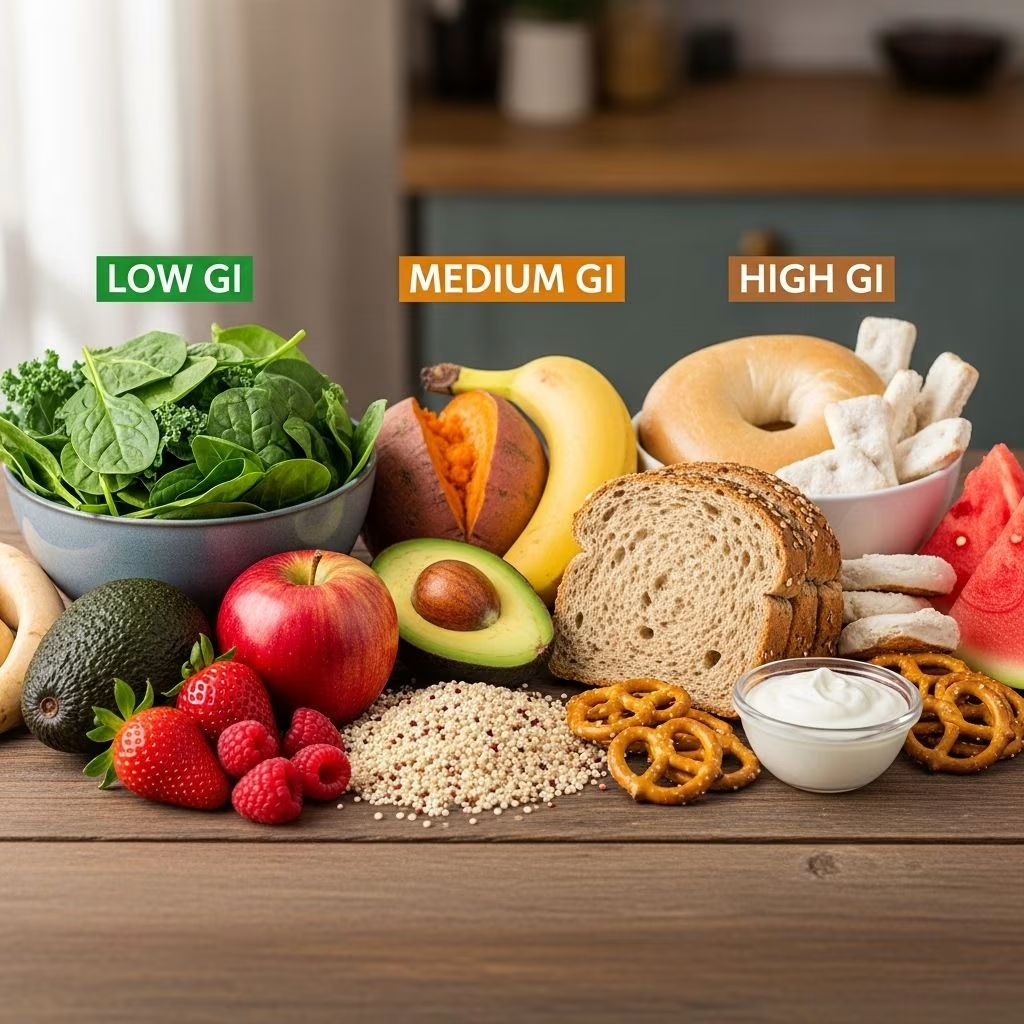
Glycemic Index Food List: Your Complete Guide
The glycemic index (GI) is a scientific system that measures how quickly foods containing carbohydrates raise blood sugar levels. Understanding GI can help you make informed dietary decisions, especially if you want to manage your blood sugar, control weight, or reduce your risk of type 2 diabetes and heart disease. This guide covers everything you need to know about the glycemic index, offers extensive lists and charts, and answers common questions.
What Is the Glycemic Index?
The glycemic index ranks foods from 0 to 100 based on their impact on blood glucose after consumption. Pure glucose is used as the reference point with a GI value of 100. Foods with a high GI are rapidly digested and absorbed, causing marked fluctuations in blood sugar. Low-GI carbohydrates produce smaller increases in blood glucose and insulin levels, supporting long-term health.
How Is Glycemic Index Classified?
- Low GI Foods: GI of 0 to 55
- Medium GI Foods: GI of 56 to 69
- High GI Foods: GI of 70 or above
See the legend below for reference:
| Glycemic Index Category | GI Value |
|---|---|
| Low | 0-55 |
| Medium | 56-69 |
| High | 70-100 |
Categorized Glycemic Index Foods List
Grains & Starches
Carbohydrate-rich foods with varying GI values.
| Food | GI | Category |
|---|---|---|
| Oatmeal | 55 | Low |
| White Rice | 89 | High |
| Brown Rice | 50-55 | Low-Medium |
| Whole Grain Bread | 55 | Low |
| White Bread | 71 | High |
| Rye Bread | 50 | Low |
| Bagel, White | 72 | High |
| Baguette, White | 95 | High |
| Rice Cakes | 82 | High |
| Cornflakes | 93 | High |
| Pasta | 40-60 | Low-Medium |
| Melba Toast (Whole Grain) | 45 | Low |
| Blueberry Muffin | Often High | High |
Vegetables
- Kale: GI 5 (Low)
- Brussels Sprouts: GI 6 (Low)
- Spinach: GI 6 (Low)
- Broccoli: GI 10 (Low)
- Cabbage: GI 10 (Low)
- Tomato: GI 15 (Low)
- Carrots: GI 39 (Low)
- Parsnips: GI 52 (Low/Medium)
- Green Peas: GI 54 (Low/Medium)
- Corn on the Cob: GI 54 (Low/Medium)
- Sweet Potato: GI 70 (High)
- French Fries: GI 75 (High)
- Instant Mashed Potato: GI 87 (High)
- Baked Russet Potato: GI 111 (Very High)
Beans, Nuts & Legumes
- Chickpeas: GI 10 (Low)
- Peanuts: GI 13 (Low)
- Soy Beans: GI 15 (Low)
- Cashews: GI 22 (Low)
- Lentils: GI 28-32 (Low)
- Black Beans: GI 30 (Low)
- Kidney Beans: GI 29-34 (Low)
- Black-Eyed Peas: GI 50 (Low/Medium)
- Navy Beans: GI 39 (Low)
- Baked Beans: GI 40 (Low)
Fruits
| Food | GI | Category |
|---|---|---|
| Cherries | 22 | Low |
| Grapefruit | 25 | Low |
| Prunes, Pitted | 29 | Low |
| Raspberries | 30 | Low |
| Apple | 36 | Low |
| Pears | 38 | Low |
| Blueberries | 40-53 | Low-Medium |
| Strawberries | 40 | Low |
| Dates | 42 | Low-Medium |
| Oranges | 45 | Low |
| Grapes | 46 | Low |
| Kiwi | 47 | Low |
| Banana | 48 | Low |
| Pineapple | 59 | Medium |
| Raisins | 64 | Medium |
| Cantaloupe | 65 | Medium |
| Watermelon | 72 | High |
Dairy Products
| Food | GI | Category |
|---|---|---|
| Whole Milk | 31 | Low |
| Skim Milk | 31 | Low |
| Sweetened Yogurt | 33 | Low |
| Low Fat Yogurt | 33 | Low |
| Chocolate Milk | 40 | Low |
| Soy Milk | 44 | Low |
| Plain Ice Cream | 61 | Medium |
Beverages
- Red Wine: GI 15 (Low)
- Beer: GI 15 (Low)
- Tomato Juice: GI 38 (Low)
- Apple Juice (Unsweetened): GI 41 (Low)
- Orange Juice (Unsweetened): GI 50 (Low)
- Coca Cola: GI 63 (Medium)
- Fanta (Orange Soft Drink): GI 68 (Medium)
- Cranberry Juice Cocktail: GI 68 (Medium)
- Gatorade: GI 89 (High)
Snack Foods & Sweets
- Nutella: GI 33 (Low)
- M&M’s, Peanut: GI 33 (Low)
- Corn Chips: GI 42 (Low-Medium)
- Snickers Bar (High Fat): GI 50 (Low-Medium)
- Potato Chips, Average: GI 56 (Medium)
- Blueberry Muffin: GI Often High
Fats & Proteins (Animal)
- Almonds: GI <15 (Low)
- Peanuts: GI <15 (Low)
- Olives: GI <15 (Low)
- Cheese: GI <15 (Low)
- Olive Oil: GI <15 (Low)
- Butter: GI <15 (Low)
- Eggs: GI <15 (Low)
- Chicken: GI <15 (Low)
- Fish: GI <15 (Low)
- Beef: GI <15 (Low)
- Pork: GI <15 (Low)
- Egg Whites: GI <15 (Low)
- Whey Protein: GI <15 (Low)
Factors Affecting Glycemic Index
The GI of a food can be affected by a variety of factors, such as preparation method, ripeness, processing, and macronutrient composition. Foods higher in fiber, fat, or protein tend to have a lower GI. Conversely, foods rich in simple carbohydrates and low in fiber spike blood glucose more rapidly.
- Cooking Method: Boiling versus frying, for example, can alter GI.
- Ripeness: Ripe fruits often have higher GI than unripe ones.
- Processing: More processed foods typically have higher GI.
- Fiber Content: High-fiber foods digest slowly and have lower GI.
Sample Glycemic Index Chart
Compare the glycemic index values in the table below to find healthier options for balanced blood sugar:
| Food | GI Value | Glycemic Category |
|---|---|---|
| Kidney Beans | 29 | Low |
| Apples | 36 | Low |
| Banana | 48 | Low |
| Oatmeal | 55 | Low |
| Blueberries | 52 | Low-Medium |
| Pizza | 80 | High |
| Potato (Boiled) | 82 | High |
| Cornflakes | 93 | High |
| Baked Russet Potato | 111 | Very High |
Why Is Glycemic Index Important?
Following a low-glycemic diet may help you:
- Reduce the risk of developing type 2 diabetes
- Manage blood sugar levels, crucial for people with diabetes
- Support weight management by controlling appetite
- Reduce risk of cardiovascular disease
Health experts recommend focusing on low to moderate GI foods as the foundation for balanced meals. These foods digest gradually, promoting steadier energy and satiety.
Tips for Managing Glycemic Index in Your Diet
- Use GI as a guide rather than an absolute rule. Other nutritional factors (e.g. micronutrients, fiber, protein, healthy fat) are also important.
- Combine high GI foods with protein, fiber, and fat to slow digestion and reduce blood sugar impact.
- Choose whole, minimally processed foods over refined options.
- Pay attention to portion sizes. Larger amounts of even low-GI foods can affect your blood sugar.
- Monitor your body’s response, as individual blood sugar reactions may vary.
Frequently Asked Questions (FAQs)
What is the difference between glycemic index and glycemic load?
Glycemic index (GI) measures how quickly a food raises blood sugar, while glycemic load (GL) takes into account both the GI and the amount of carbohydrate in a serving. GL offers a more practical estimate of a food’s real-life effect on blood glucose.
Are low GI foods always healthier?
Not always. While low-GI foods are better for blood sugar control, overall nutrition—including vitamins, minerals, fiber, and healthy fats—should also be considered. Some low-GI foods may be unhealthy if they are high in saturated fat, salt, or added sugars.
Which foods have a glycemic index of zero?
Foods that don’t contain carbohydrates, such as oils, meats, poultry, fish, eggs, and some cheeses, have a GI of zero and do not directly affect blood glucose levels.
How does cooking and processing affect GI?
Cooking methods can increase GI; baking, mashing, or overcooking foods often raises their GI compared to boiling or steaming. The more processed a food is, the higher its GI usually becomes.
Can I eat high GI foods occasionally?
Yes, if you balance them with low GI foods, fiber, protein, and healthy fats, or include them in moderation. Blood sugar spikes can still occur with frequent consumption.
Conclusion
Understanding the glycemic index of foods is a valuable skill for healthy eating, blood sugar management, and chronic disease prevention. Refer to this list to choose foods that support steadier energy, better metabolic health, and long-term wellness. Always consult with a healthcare professional for personalized dietary recommendations, especially if you have diabetes or other metabolic conditions.
References
- National Academy of Sports Medicine: Glycemic Index and Load
- Arkansas Heart Hospital: Glycemic Index Chart
- Diabetes Canada: Glycemic Index (GI) Food Guide
- Harvard Health: A Good Guide to Good Carbs
References
- https://blog.nasm.org/glycemic-index-and-load
- https://www.arheart.com/wp-content/uploads/2024/02/2020.10.06-Glycemic-Index-Handout.pdf
- https://www.diabetes.ca/managing-my-diabetes/tools—resources/glycemic-index-(gi)-food-guide
- https://glycemic-index.net/glycemic-index-chart/
- https://www.health.harvard.edu/healthbeat/a-good-guide-to-good-carbs-the-glycemic-index
- https://pmc.ncbi.nlm.nih.gov/articles/PMC2584181/
- https://www.amoskeaghealth.org/post/understanding-the-glycemic-index
- https://www.va.gov/WHOLEHEALTHLIBRARY/tools/glycemic-index.asp


