


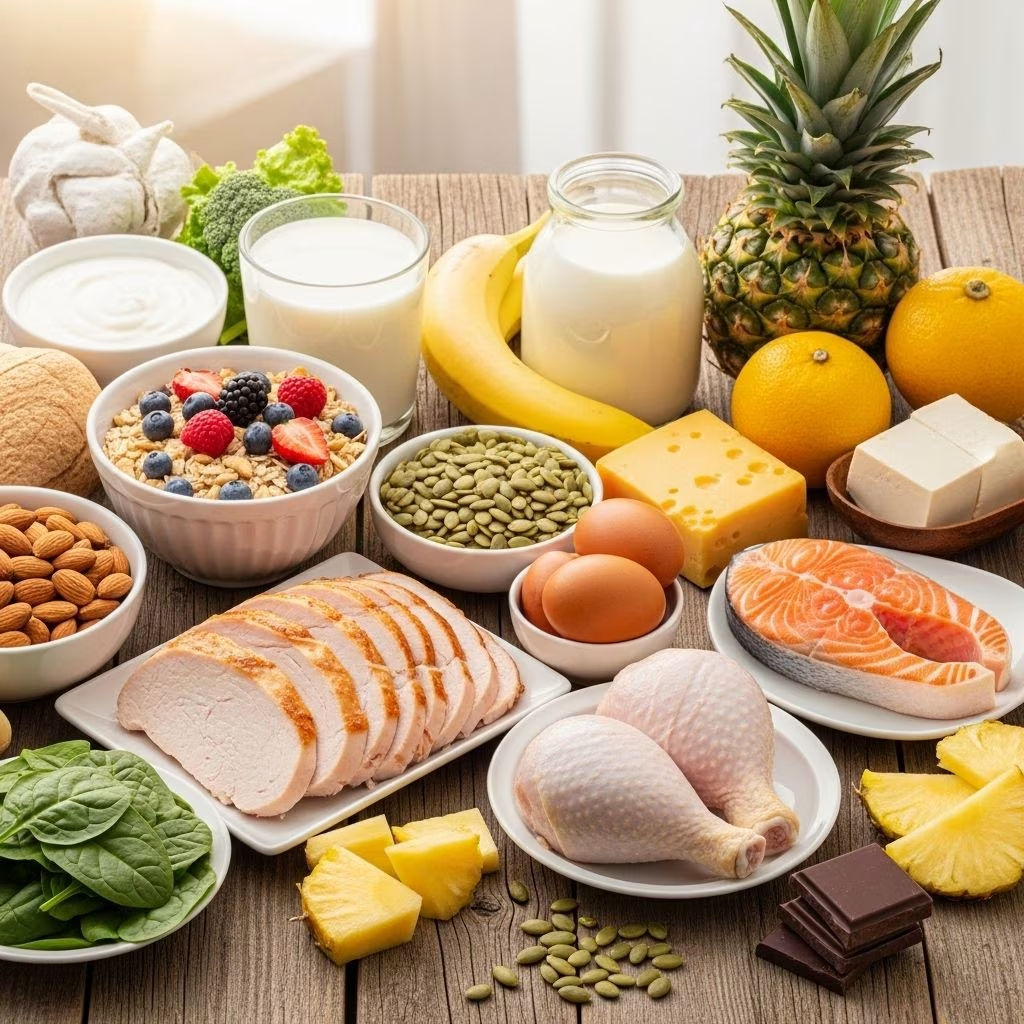
Tryptophan is an essential amino acid your body cannot produce on its own, but it is crucial for supporting healthy sleep patterns, mood regulation, and overall wellness. This comprehensive guide explores the top food sources of tryptophan, explains why it matters, and answers the most common questions about incorporating tryptophan-rich foods into your diet.
What Is Tryptophan?
Tryptophan is one of the nine essential amino acids, meaning it must be obtained through diet. Once ingested, the body uses tryptophan to create important molecules, notably:
- Serotonin: Influences mood, appetite, sleep, and pain regulation.
- Melatonin: Controls circadian rhythm and supports restful sleep.
- Niacin (Vitamin B3): Important for metabolism and cellular energy production.
Because the human body cannot make tryptophan, dietary intake is essential for supporting both physical and mental health.
Why Is Tryptophan Important?
- Mood Balance: Tryptophan contributes to serotonin production, a neurotransmitter that helps prevent depression and anxiety.
- Quality Sleep: Tryptophan is necessary for melatonin synthesis, helping regulate sleep cycles and improve sleep quality.
- Appetite Regulation: Serotonin produced from tryptophan helps manage appetite and might aid in weight management.
- Cognitive and Memory Function: Adequate tryptophan supports healthy brain function, memory, and learning.
Symptoms of low tryptophan can include mood disturbances, trouble sleeping, poor memory, and even increased pain sensitivity.
How Much Tryptophan Do You Need?
The recommended daily intake (RDI) of tryptophan for adults is approximately 250–425 mg per day. Most people can meet these needs through a varied, protein-rich diet.
Top 25 Foods Highest in Tryptophan
Below is a curated list of foods particularly rich in tryptophan, including both animal and plant sources. Adding a variety of these options to your diet will enhance your intake of this essential amino acid.
| Food | Serving Size | Tryptophan Content |
|---|---|---|
| Chicken | 3 oz cooked | 292 mg |
| Turkey | 3 oz cooked | 238 mg |
| Eggs | 1 large | 77 mg |
| Salmon | 3 oz | 211 mg |
| Tuna (canned) | 3 oz | 252 mg |
| Lobster | 3 oz | 313 mg |
| Oysters | 3 oz | 180 mg |
| Sardines | 1 cup canned | 411 mg |
| Milk | 1 cup | 98 mg |
| Cheese | 1 oz | 91 mg |
| Tofu | 1/2 cup | 296 mg |
| Soybeans (edamame) | 1 cup | 270 mg |
| Nuts (mixed, average) | 1 oz | 80–125 mg |
| Seeds (mixed, average) | 1 oz | 60–125 mg |
| Pork | 3 oz cooked | 220 mg |
| Red Meat (Beef) | 3 oz cooked | 210 mg |
| Beans (e.g., black, kidney) | 1 cup cooked | 90 mg |
| Lentils | 1 cup cooked | 90 mg |
| Oats | 1 cup cooked | 94 mg |
| Quinoa | 1 cup cooked | 96 mg |
| Whole wheat pasta | 1 cup cooked | 90 mg |
| Spinach | 1 cup cooked | 72 mg |
| Broccoli | 1 cup cooked | 53 mg |
| Avocado | 1 fruit | 50 mg |
| Peanuts (butter, 2 tbsp) | 2 tbsp | 74 mg |
| Sweet potatoes | 1 cup mashed | 92 mg |
Detailed Overview of the Best Tryptophan Foods
1. Poultry (Chicken & Turkey)
Poultry is among the richest sources of tryptophan. Turkey is famously associated with making people sleepy due to its tryptophan content, although protein intake and holiday eating also play a role. Lean chicken and turkey provide high-quality protein while being low in fat.
2. Fish and Seafood
Salmon, tuna, lobster, sardines, crab, and oysters are all loaded with tryptophan. These foods are also excellent for omega-3 fatty acids, which reinforce brain, heart, and eye health. Regular consumption provides both mood and cardiovascular benefits.
3. Dairy (Milk & Cheese)
Milk and cheese are classic sources of tryptophan. Enjoy them in balanced amounts—they support bone strength, provide protein, and can be part of a sleep-friendly snack at night.
4. Eggs
Whole eggs, especially with the yolk, supply tryptophan, healthy fats, and other amino acids. They are an excellent addition to any balanced meal.
5. Soy and Legumes
Tofu, soybeans (edamame), beans, and lentils are top plant-based sources, making them ideal for vegetarians and vegans. Besides tryptophan, they provide protein, fiber, and micronutrients.
6. Nuts and Seeds
Walnuts, almonds, peanuts, cashews, pistachios, chia seeds, flax seeds, pumpkin seeds, and sunflower seeds all deliver tryptophan. They are also rich in healthy fats and antioxidants. Add them to your breakfast, salads, or smoothies for a protein and tryptophan boost.
7. Whole Grains
Oats, quinoa, whole wheat pasta, brown rice, bulgur, soba noodles—all contain moderate levels of tryptophan. Combine them with other protein-rich foods for optimal absorption.
8. Vegetables
Spinach, broccoli, green peas, and portobello mushrooms are the top plant choices for tryptophan. They also provide iron, fiber, vitamins, and other mineral…
References
- https://www.myfooddata.com/articles/high-tryptophan-foods.php
- https://www.healthline.com/health/healthy-sleep/foods-that-could-boost-your-serotonin
- https://www.medicalnewstoday.com/articles/322416
- https://www.webmd.com/diet/foods-high-in-tryptophan
- https://medlineplus.gov/ency/article/002332.htm
- https://pmc.ncbi.nlm.nih.gov/articles/PMC6158605/
- https://www.healthline.com/health/tryptophan
- https://my.clevelandclinic.org/health/articles/22243-amino-acids
- https://pmc.ncbi.nlm.nih.gov/articles/PMC8511346/


