Every dog owner knows that walks are about more than just exercise – they’re also important opportunities to keep track of your furry companion’s well-being. As unglamorous as it may seem, closely observing your dog’s poop is one of the simplest and clearest ways to monitor their health. A sudden change in color, shape, consistency, or frequency can be your first sign that something isn’t quite right internally. In this comprehensive guide, we’ll break down exactly what healthy dog poop should look like, what various changes in your dog’s stool might mean, and when it’s time to call your vet.
Why Checking Your Dog’s Poop Matters
Dog poop acts as a real-time health indicator, providing useful insights into issues ranging from diet imbalances to infections and serious diseases. A quick daily check can:
- Help catch early symptoms of illness before they escalate.
- Reveal effects of recent diet changes or potential allergies.
- Identify the presence of parasites or signs of internal bleeding.
- Give clues about hydration levels and digestive function.
By knowing what’s normal and what’s not, you’ll be prepared to intervene early and keep your dog in top shape.
What Does Healthy Dog Poop Look Like?
A healthy dog stool is consistent in several key ways:
- Color: Chocolate brown, without visible blood, mucus, or odd colors.
- Consistency: Firm but not hard, log-shaped, easy to pick up, and moist (but not watery or slimy).
- Shape: Log-like, not round or pellet-like.
- Size: Proportional to the volume of food your dog eats.
- Coating: Should have no oily, slimy, or mucous coating.
- Frequency: Typically once or twice a day, depending on age, diet, and health.
If your dog’s stool generally matches these characteristics, it’s a good sign of digestive and whole-body health.
Dog Poop Color Chart: What Different Colors Mean
| Color | Possible Meaning | Action |
|---|---|---|
| Brown | Normal, healthy | No action needed |
| Green | Possible gall bladder issue, eating grass, parasite, toxin | Monitor; call vet if persists |
| Orange/Yellow | Possible biliary/liver issue, food intolerance | Call vet if seen repeatedly |
| Black/Tarry | Indicates digested blood, GI tract bleeding | Seek veterinary care immediately |
| Red streaks | Fresh blood, colon or rectal problem | Call vet soon |
| Gray or Greasy | Possible pancreas/biliary problem or malabsorption | Call vet |
| White specks | May be parasites (tapeworms) | Call vet |
Bear in mind that temporary color changes caused by new foods or treats are common. Persistent or dramatic color changes warrant a veterinary consult.
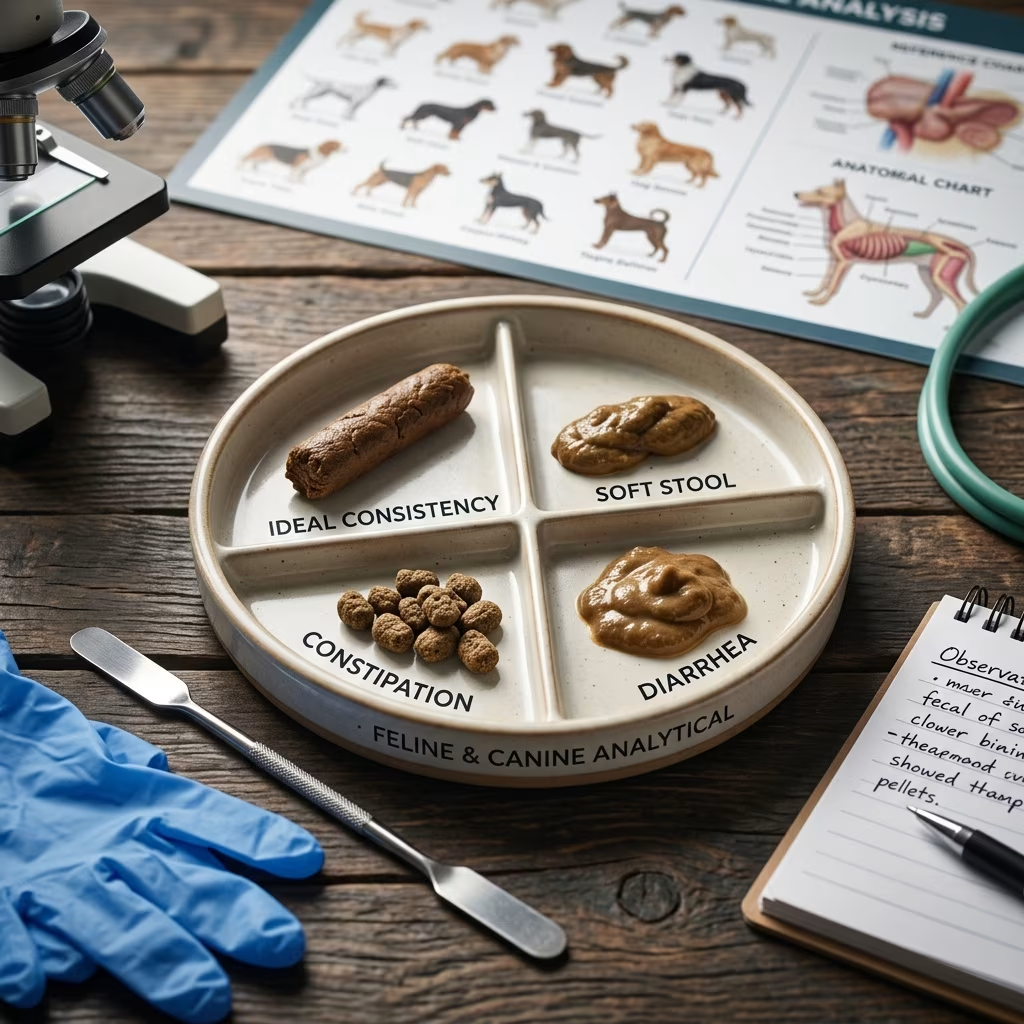
Dog Poop Consistency: The Soft–Hard Spectrum
- Firm and formed: Sign of a healthy digestive system.
- Hard, dry, or pellet-like: Could indicate dehydration or constipation. Ensure adequate water intake and fiber. Prolonged constipation requires vet attention.
- Soft, mushy, or shapeless: May be due to stress, dietary changes, allergies, low fiber, or infection. If persistent, consult your vet.
- Watery or runny poop (diarrhea): Potentially due to infection, parasites, food intolerance, or sudden diet changes. Monitor closely; seek help for ongoing diarrhea.
- Greasy or oily stool: Can reflect malabsorption or pancreatic issues.
Shape and Size: What Stool Form Reveals
Dog poop should be log-shaped and segmented, not dispersed in round balls or puddles. Shape changes may indicate:
- Round, pebble-like stool: Often seen with dehydration or incomplete digestion.
- Excessively large volume: May suggest poor nutrient absorption or too much indigestible food (like fillers or high-fiber foods).
- Smaller than usual stool: May indicate insufficient food or a medical issue that’s slowing digestion.
Unusual Contents in Dog Poop
Healthy dog stools should look fairly uniform, without foreign materials. Notable exceptions include:
- Undigested food: Signs of rapid transit time or digestive upset.
- Grass: Usually harmless if occasional; may indicate dietary fiber deficiency, nausea, or odd eating habits if frequent.
- Mucus coating: Small amounts can be normal, but if persistent or accompanied by diarrhea, consider infection or colon irritation.
- Blood (red streaks): Could indicate anal sac or lower GI bleeding — call your vet.
- Black, tarry stool: Suggests bleeding higher up in the digestive tract — seek urgent veterinary care.
- White rice-like specks: Tapeworm segments or other parasites; seek treatment.
- Plastic, toy parts, or fabric: Suggests your dog is ingesting non-food items. Blockages and injuries are risks — call your vet immediately.
Odor and Poop Frequency: What’s Normal?
Normal dog poop has an odor, but sudden, foul, metallic, or fishy smells may suggest issues:
- Unusually bad odor: Bacterial imbalances, gastrointestinal infections, or poor diet may be to blame.
- Metallic or bloody odor: Internal bleeding or serious infection possible.
- Fishy odor: Anal gland problems or expression during defecation.
As for frequency, healthy dogs usually poop once or twice daily. Drastic changes—either frequent or infrequent pooping—may signal underlying distress, especially if associated with straining, discomfort, or other changes in appearance of stool.
Factors That Affect Your Dog’s Poop
- Diet: Sudden changes lead to digestive upset; stable, nutritious diets produce optimal stools. Low-fiber or poor-quality foods can trigger frequent or poorly formed stools.
- Hydration: Dehydration is a frequent cause of hard, dry, or pellet-like stool.
- Health conditions: Allergies, gastrointestinal infections, parasites, inflammation, and food sensitivities all shape stool quality and appearance. Medications and supplements may also have side effects.
- Stress: Moving, boarding, separation, or loud environments often provoke soft stools or diarrhea.
- Exercise: Regular physical activity promotes healthy digestion and regular evacuation.
Red Flags: When to Call the Vet About Your Dog’s Poop
Some changes in your dog’s bowel movements merit an urgent call to your veterinarian:
- Persistent diarrhea or runny stool (over 24–48 hours)
- Repeated vomiting with diarrhea
- Blood (fresh or black) in stool
- Evident worms or parasite segments
- Marked lethargy, loss of appetite, or distress
- Sudden dramatic stool color changes unrelated to food
- Signs of pain or straining during defecation
- Ingestion of foreign objects
- Severe dehydration—gums feel tacky, poor skin elasticity
With puppies, older dogs, or those with chronic conditions, err on the side of caution and contact the vet sooner rather than later.
Tips for Healthy Dog Poop
- Feed a balanced, high-quality diet suited to your dog’s age, breed, and health status.
- Provide plenty of fresh water at all times.
- Transition diets gradually over at least a week.
- Monitor for allergies or food sensitivities.
- Practice regular deworming and parasite prevention as directed by your veterinarian.
- Observe bathroom habits daily. Pick up after your dog so you can check stool quality and prevent disease transmission.
- Keep your dog from eating trash, foreign material, or non-food items.
- Consult your vet about probiotics for sensitive stomachs or after illness/antibiotics.
Frequently Asked Questions (FAQs) About Dog Poop Health
Q: What should normal dog poop look like?
A: Healthy dog poop should be chocolate brown in color, firm but still moist, shaped like a log, and free of visible foreign objects or parasites. It shouldn’t leave a slimy, mucousy residue or have an unusually strong odor.
Q: What can cause diarrhea in dogs?
A: Common causes include diet changes, stress, food intolerances, parasites, bacterial or viral infections, and ingestion of unusual objects or foods. Persistent or severe diarrhea requires veterinary evaluation.
Q: Is occasional mucus in dog poop normal?
A: Small amounts can be normal, especially during minor digestive upsets. However, excessive or persistent mucus can indicate colon irritation, parasites, or infection and should be checked by your vet.
Q: My dog’s poop has white specks – what does this mean?
A: White specks that look like rice grains may be tapeworm segments, while other types of white matter can sometimes indicate undigested food. Regardless, a vet visit is advised for diagnosis and appropriate treatment.
Q: How often should an adult dog poop?
A: Most healthy adult dogs typically pass stool once or twice a day. More or less frequent defecation that is accompanied by a change in consistency or color may signal an issue and should be monitored.
Q: When should I worry about my dog’s poop color?
A: Monitor unusual colors for a day or two. If bright red, black, tarry, yellow/orange, or persistent green occurs, seek veterinary guidance immediately, as these can signal internal bleeding, infection, or organ issues.
Key Takeaways
- Poop is a vital signal of your dog’s internal health–don’t ignore sudden changes.
- Track any color, consistency, or content changes and watch for red-flag symptoms.
- When in doubt, contacting your vet can save your dog from discomfort and serious complications.
Ultimately, daily poop monitoring is an easy and powerful way to keep your pet healthy, comfortable, and happy for years to come.
References
- https://www.petplate.com/blog/dog-poop-health/
- https://thepetlabco.com/learn/dog/health-wellness/unhealthy-dog-poop-chart
- https://www.akc.org/expert-advice/health/dogs-poop-says-health/
- https://www.goodhousekeeping.com/health/a37089563/dog-poop-health/
- https://www.goodhousekeeping.com/uk/house-and-home/household-advice/a656972/remove-excrement-stains/
- https://www.care.com/c/dog-poop-everything-you-need-to-know/
- https://www.youtube.com/watch?v=soOhbpkUFkI
- https://www.petmd.com/dog/slideshows/10-pet-hygiene-tips-you-should-be-following