


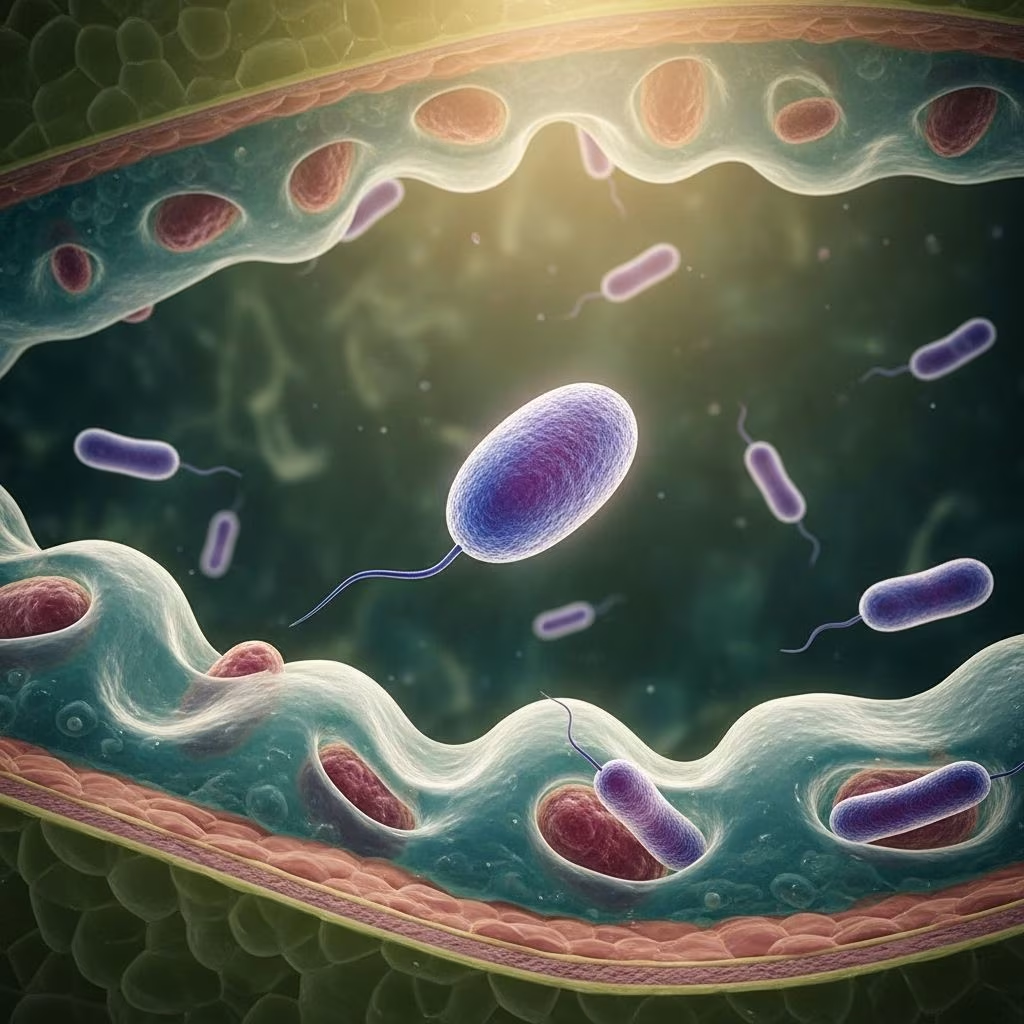
Akkermansia muciniphila is capturing the attention of scientists and health enthusiasts as a next-generation probiotic that could play a crucial role in gut and metabolic wellness. Although only discovered in 2004, this mucin-loving bacterium has rapidly emerged as a critical player in supporting the integrity of your digestive tract, managing inflammation, and influencing metabolic health.
What Is Akkermansia muciniphila?
Akkermansia muciniphila is a species of beneficial bacteria found lining the mucus layer of your gut. Unlike many other friendly microbes that feast primarily on dietary fiber, Akkermansia has a unique appetite for mucin, a glycoprotein found in the protective mucus coating your intestines. By doing so, it helps maintain the health and thickness of the gut barrier, supporting vital body processes and defending against harmful invaders.
- Discovered: 2004 by Belgian microbiologist Willem de Vos.
- Environment: Thrives in the mucus lining of the gastrointestinal tract.
- Role: Regenerates the mucus layer, supports gut barrier function, and influences metabolic and immune responses.
Levels of Akkermansia vary greatly among individuals and can be influenced by diet, weight, age, and lifestyle.
Why Are People Talking About Akkermansia?
The fascination with Akkermansia comes from its strong links to metabolic health, inflammation control, and even longevity. Numerous studies show that higher amounts of this bacteria in the gut correspond with lower levels of inflammation, a stronger gut barrier, and a reduced risk of obesity-related diseases. Conversely, reduced Akkermansia populations have been found in individuals experiencing insulin resistance, weight gain, and digestive disorders.
How Does Akkermansia Work in the Gut?
The secret to Akkermansia’s health-promoting effects lies in the way it interacts with its environment:
- Mucin Degradation: It breaks down mucin, helping the gut regenerate and maintain a robust mucus layer that serves as a barrier to pathogens and toxins.
- Short-Chain Fatty Acid Production: The breakdown of mucin releases nutrients like acetate and propionate (short-chain fatty acids, SCFAs) that feed colon cells and other beneficial microbes, supporting overall gut ecology and reducing inflammation.
- Gatekeeper Function: By protecting the gut lining, it regulates what substances can pass into your bloodstream—keeping toxins out and supporting immune function.
Potential Health Benefits of Akkermansia muciniphila
While research on Akkermansia is ongoing, several benefits have already been identified. Below is a detailed look:
1. Supports a Healthy Gut Barrier
Akkermansia’s unique relationship with the mucus lining makes it especially effective at strengthening the gut barrier. By stimulating mucin production and maintaining tight junctions between gut cells, Akkermansia helps protect against “leaky gut” syndrome—a condition where gaps in the gut lining allow toxins to enter the bloodstream, potentially sparking inflammation and illness.
- Prevents harmful substances from leaking into the body.
- Promotes nutrient absorption and overall gut function.
2. May Reduce Inflammation
Low-grade, chronic inflammation is a driving factor behind many metabolic and autoimmune diseases. Akkermansia appears to lower inflammation by supporting a balanced gut environment and producing SCFAs, which have known anti-inflammatory effects.
- Counters chronic inflammatory states implicated in obesity and metabolic syndrome.
- May protect against inflammatory bowel diseases and help modulate the immune system.
3. Helps Regulate Glucose and Insulin
Research links higher levels of Akkermansia with better insulin sensitivity and improved blood sugar regulation. This makes it a promising area of study for people looking to prevent or manage type 2 diabetes and metabolic dysfunction.
| Markers | Potential Impact of High Akkermansia |
|---|---|
| Blood Sugar | Improved glucose regulation |
| Insulin Sensitivity | Enhanced, leading to lower diabetes risk |
| Inflammation | Lowered systemic inflammatory markers |
4. Supports Healthy Weight Management
Some studies show that individuals with higher Akkermansia levels find it easier to manage their weight and have less visceral fat. This effect seems to stem from an improved gut barrier (reducing inflammation), better control of appetite-regulating hormones, and enhanced energy metabolism.
- Lower rates of obesity and fat accumulation.
- May aid in weight loss when combined with dietary changes.
5. Promotes Overall Metabolic Health
Beyond the gut, Akkermansia’s influence stretches into metabolic processes:
- May improve cholesterol and lipid profiles, benefiting cardiovascular health.
- Positively impacts hemoglobin A1C, a marker for long-term glucose control.
- Associated with healthier aging and longevity, as found in centenarian microbiomes.
Does Akkermansia Have any Side Effects?
Because Akkermansia is a natural resident of the gut, having healthy levels is generally associated with positive health outcomes, not side effects. However, since human clinical research is still ongoing, especially regarding supplementation, long-term consequences remain to be fully established. Most current evidence suggests its presence is beneficial rather than harmful, especially when compared to imbalances where Akkermansia is lacking.
How Can You Increase Akkermansia Levels?
As of now, there are limited direct probiotic supplements containing live Akkermansia muciniphila on the market, due to the technical challenge of keeping this microbe viable outside the body. However, there are several indirect strategies to support your body’s natural populations of Akkermansia:
- Eat more polyphenols: Found in berries, cranberries, pomegranate, apples, and green tea—these plant compounds promote Akkermansia growth.
- Include prebiotic fibers: While Akkermansia prefers mucin, a diet rich in diverse plant fibers supports a healthier, more diverse microbiome overall.
- Try fasting or time-restricted eating: Animal studies indicate fasting can help boost Akkermansia concentrations by increasing mucin secretion.
- Consider healthy fats: Some studies suggest diets higher in omega-3 fatty acids may support Akkermansia populations.
Although you may see Akkermansia supplements advertised, most on the market either use pasteurized (heat-killed) strains or are still in the research phase. Always consult a healthcare professional before starting any new supplement, especially if you have a serious medical condition.
Foods That May Support Akkermansia Growth
Instead of seeking a pill, consider focusing on natural foods that are shown to nourish a robust, diverse gut biome. While no foods directly contain Akkermansia, the following may help foster its growth:
- Cranberries and pomegranate
- Red grapes and grape juice
- Green tea, black tea
- Flaxseeds
- Chicory root and Jerusalem artichokes
- Apple skins and cocoa
Fermented foods, while excellent for gut health broadly, may not directly increase Akkermansia, but they boost other beneficial species that help create a balanced gut environment.
Is Akkermansia Available as a Probiotic Supplement?
Live Akkermansia muciniphila supplements are rare and not widely available in North America or Europe as of late 2025. Though some companies in the U.S. and Europe have begun to offer pasteurized (inactivated) Akkermansia products, evidence about their specific benefits is still emerging. Ongoing studies are examining whether heat-killed versions provide similar metabolic advantages as the live form.
If considering a supplement, look for reputable brands and always check for clinical studies backing their claims. Most gut health experts recommend focusing on dietary and lifestyle measures to maximize your body’s own Akkermansia levels.
Should You Test Your Akkermansia Levels?
Some specialty gut health tests offered by certain clinics and labs can measure Akkermansia abundance from a stool sample. While testing isn’t necessary for everyone, it can provide insights for those with ongoing gut or metabolic concerns, especially under the guidance of a healthcare professional.
Who Should Be Interested in Akkermansia?
- Those experiencing digestive issues or inflammation (e.g., “leaky gut,” IBD, IBS)
- People with metabolic syndrome, type 2 diabetes, or insulin resistance
- Individuals interested in weight management or obesity prevention
- Anyone seeking to support healthy aging and general gut barrier function
Increasing Akkermansia generally benefits most adults seeking to optimize microbiome diversity, metabolic resilience, or immune function. However, always consult a healthcare professional for individualized advice.
Frequently Asked Questions About Akkermansia
What exactly is Akkermansia muciniphila?
Akkermansia muciniphila is a beneficial bacteria that lives in the mucus lining of the human gut, where it helps maintain gut barrier health by feeding on mucin and supporting various digestive and metabolic processes.
What are the main health benefits of Akkermansia?
Key benefits include strengthening the intestinal barrier, reducing inflammation, supporting weight management, and regulating blood sugar and insulin sensitivity. It may also contribute to broader metabolic and immune health.
Can I take Akkermansia as a probiotic?
As of now, live Akkermansia probiotic supplements are rare, but clinical trials are ongoing. Some pasteurized (heat-killed) Akkermansia products are emerging in the market. Talk to a healthcare provider before using any supplement.
How can I increase my Akkermansia levels naturally?
A diet rich in polyphenols (from berries, pomegranate, and green tea), both soluble and insoluble fiber, and potentially healthy fats can foster Akkermansia growth. Time-restricted eating or fasting may also help boost levels.
Are there any known side effects from increasing Akkermansia?
There are no known adverse side effects from naturally supporting Akkermansia, since it is a normal gut resident. However, safety data on supplements is still emerging, so formal guidance is limited.
Key Takeaways About Akkermansia
- Akkermansia muciniphila is a vital, naturally occurring gut bacterium that supports the gut barrier, reduces inflammation, and may help regulate metabolism.
- Healthy levels correlate with stronger immunity, healthier weight, and better blood sugar management.
- While supplements are not widely available, eating a diverse, plant-based, fiber-rich diet is a powerful way to support beneficial gut bacteria, including Akkermansia.
- More human clinical research is needed, but present science supports investing in your gut microbiome for overall health and wellness.
References
- https://bodybio.com/blogs/blog/what-is-akkermansia
- https://natashathomasmd.com/the-benefits-of-akkermansia-and-its-role-in-metabolic-health/
- https://www.rupahealth.com/post/akkermansia-muciniphila-101-everything-you-need-to-know-about-this-important-gut-bacteria
- https://www.frontiersin.org/journals/medicine/articles/10.3389/fmed.2025.1484656/full
- https://pmc.ncbi.nlm.nih.gov/articles/PMC10301191/
- https://pmc.ncbi.nlm.nih.gov/articles/PMC10142179/
- https://pendulumlife.com/products/pendulum-akkermansia-probiotic-gut-health
- https://medschool.duke.edu/news/scientists-unlock-secrets-gut-bacteria-linked-heart-health
- https://www.healthline.com/brand/wp-2097549


