Iceland, with its dramatic landscapes, volcanic wonders, and wide-open wilderness, attracts visitors from around the globe seeking adventure, natural beauty, and memorable cultural encounters. However, this spectacular country feels like several different destinations depending on the time of year. Understanding when to go can shape your experience, from witnessing the midnight sun to chasing the northern lights, avoiding crowds, or simply enjoying accessible roads and open attractions.
Overview: Choosing the Best Time for Your Iceland Trip
Iceland’s seasons strongly influence travel conditions, daylight, costs, and visitor numbers. No single time is perfect for everyone, but with thoughtful planning, most travelers can find the season that best matches their interests and priorities. This guide breaks down each season’s features so you can match your travel style with the ideal time to visit.
Icelandic Summer (June through August)
For many travelers, summer (June, July, August) is the ideal time to discover Iceland. This is high season—for good reason. Expect:
- Long daylight hours: In June and early July, the sun barely sets, and darkness is minimal. The summer solstice brings the famed midnight sun, keeping the landscape illuminated and letting you pack your days with activity.
- Milder weather: Daytime highs in Reykjavík reach 50–60°F (10–15°C). It’s rarely hot, but it’s generally comfortable with cool evenings. Landscape bursts into green and bursts of wildflowers.
- Open attractions: Most roads—including the full Ring Road and remote highlands—are accessible. Hiking trails, campsites, and rural guesthouses are open. Ferries, boats, and guides operate full schedules.
- Vibrant festivals: Reykjavík celebrates with its National Day (June 17), Culture Night in August, and smaller regional festivals abound across the countryside.
- Wildlife activity: This is the best time for watching puffins, other nesting seabirds, and wildflowers. Whale watching tours run frequently.
Drawbacks:
- Summer draws the biggest crowds, especially in Reykjavík and the south coast’s tourism hotspots.
- Accommodation and car rentals are pricier, often booked months in advance.
- It’s the only season where you can’t see the northern lights—it never gets dark enough.
Shoulder Seasons: Late Spring (May) and Early Fall (September)
If you crave fewer crowds and slightly lower prices—but still want accessible roads and fair weather—May and September present outstanding alternatives.
- Long (but not endless) days: Plenty of daylight for sightseeing, without the sleep disruptions of the midnight sun.
- Milder weather: Not as warm as summer, but usually crisp and pleasant. Snow persists in remote spots in May; September brings fall colors and fresh air.
- Lower prices: Airfare and rooms are often significantly cheaper, with good availability.
- Main sights open: Nearly all attractions, pools, and hiking trails are accessible; the F-roads (highland tracks) usually open in late June, so some interior access can be limited in May.
- Chance of northern lights: In September, nights can be dark enough for aurora hunts, especially in the second half of the month.
Potential downsides:
- Weather is even more unpredictable than usual—be ready for wind and sudden rain at any time.
- Some small museums, rural hotels, and ferries may operate on shortened schedules, especially in early May or late September.
Icelandic Winter (October through April)
Winter in Iceland is long, wild, and dark—but uniquely beautiful. For the right traveler, it’s a magical time:
- Short daylight hours: Midwinter brings as little as 4–5 hours of light. Sun remains low, casting stunning golden hues. November and March have appreciable daylight; December and January are darkest.
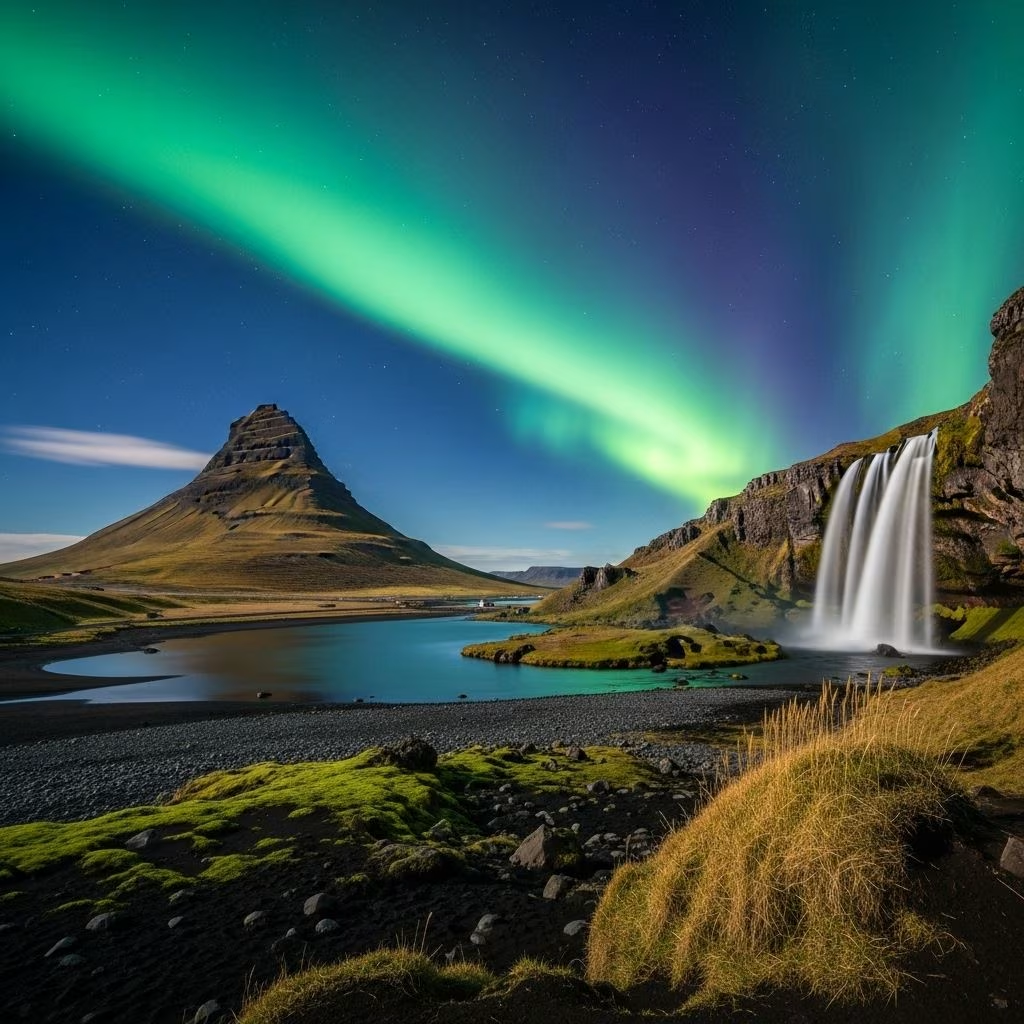
- Northern lights: Clear, dark nights offer the best chance to witness the aurora borealis from October to April, with peak displays on crisp winter nights.
- Fewer tourists: Outside of the Christmas holiday, even famous sites can feel serene. Rates for rooms and cars often drop.
- Extraordinary landscapes: Snow and rime scenery, icy waterfalls, frozen lakes, and a cozy atmosphere dominate.
- Geothermal experiences: Outdoor hot tubs, spas, and the famed Blue Lagoon are especially inviting under frosty skies.
Limitations:
- Travel can be tricky. Rural roads (especially interior F-roads) close for months. Weather changes fast: snowstorms and strong winds are routine, impacting driving and sightseeing.
- Some sites and hiking paths become inaccessible.
- Be prepared for delays, detours, and to skip certain attractions if storms hit.
- Daylight is minimal around the winter solstice—plan a relaxed pace and indoor activities for mornings and evenings.
Comparison Table: Iceland by Season
| Season | Daylight | Accessibility | Main Attractions | Northern Lights | Crowds/Cost |
|---|---|---|---|---|---|
| Summer (Jun-Aug) | 18–24 hours | All regions, highlands | Open air museums, hiking, wildlife, festivals | No | High |
| Spring (May) | 16–20 hours | Main routes, limited highlands | Waterfalls, wildlife, emerging greenery | Rarely | Moderate |
| Fall (Sep) | 11–14 hours | Main routes, some highlands | Fall colors, harvest events, northern lights | Sometimes | Lower |
| Winter (Oct–Apr) | 4–8 hours (lowest in Dec–Jan) | Main roads only | Northern lights, ice caves, winter culture | Best | Lowest |
Annual Events, Festivals, and Holidays
Icelanders make the most of each season with unique cultural events:
- National Day (June 17th): Country-wide parades and celebrations honor Iceland’s independence with music, flag-waving, and festivity.
- Culture Night (Menningarnótt, August): Reykjavík’s city-wide festival lights up the capital with live music, dance, food, and fireworks.
- Reykjavík Arts and Music Festivals: National and international artists perform throughout the busy summer. Schedule varies, but events run from late spring to August.
- Christmas & New Year’s Eve: In December, Iceland is ablaze with holiday cheer, light displays, bonfires, feasts, and fireworks.
- Winter Lights Festival (February): The capital gathers for a festival celebrating art, light, and winter’s endurance.
Crowds and Costs: Traveling Smart
Tourism in Iceland has soared, especially during the mild, sunny summer months when tour buses and rental cars fill the roads and legendary sites. To beat the rush:
- Book early: Secure accommodation and vehicle rentals months in advance for summer trips.
- Shoulder seasons offer savings: May and September promise fewer visitors and better deals, especially for independent travelers.
- Go off the beaten path: Even in high season, exploring less-known areas—like the Westfjords or eastern regions—brings solitude.
- Winter travel: Prices are lowest, and although days are short, the big sites retain their sense of drama under snow and cold light.
Month-by-Month Quick Guide
- May: Spring emerges, rising daylight, melting snow. Some roads still closed.
- June: Lush landscape, endless sunlight, puffins return, festivals begin.
- July: Peak season (warmest, busiest), countryside at its liveliest.
- August: Still busy, nights slowly return (possible early auroras).
- September: Calmer, autumn colors, northern lights chances increase, harvest festivals.
- October: Unpredictable; snow possible, limited daylight, good aurora odds.
- November–March: Deep winter; short days, cold, best for northern lights and unique icy scenery.
- April: Thaw begins, daylight increases, but winter conditions can still linger.
Essential Iceland Travel Tips
- Pack layers and rain gear: Weather can change rapidly any time of year.
- Driving in Iceland: The Ring Road forms the backbone of touring; rural driving requires caution, especially outside summer.
- Visit geothermal pools: Social and scenic, these are a must in any season—don’t forget your swimsuit.
- Book popular attractions ahead: Blue Lagoon, guided glacier hikes, or ice cave tours fill up fast.
- Respect nature: Volcanic zones, glaciers, and wild areas can be hazardous; always heed local advice and warning signs.
Frequently Asked Questions (FAQs)
Q: When is the best time to see northern lights in Iceland?
A: The northern lights are primarily visible from late September through mid-April, with peak chances during dark, clear winter nights.
Q: Is Iceland worth visiting in winter?
A: Yes. Winter has stunning icy scenery, far fewer crowds, and the best aurora opportunities, but travel requires flexibility and caution due to weather and road closures.
Q: How far in advance should I book travel for summer in Iceland?
A: For June–August trips, book flights, hotels, and rental cars several months ahead. Popular tours and the Blue Lagoon often fill fast.
Q: Are Iceland’s famous sites crowded?
A: In summer, yes—especially the Golden Circle, South Coast, and Reykjavík. To avoid crowds, travel in shoulder seasons or explore off-the-beaten-path regions like the Westfjords.
Q: What kind of weather should I expect?
A: Even in summer, expect cool, breezy days (50–60°F/10–15°C) and rain at any time. Winters are cold (lows around 28°F/-2°C in Reykjavík), with storms possible. Dress in sturdy, waterproof layers year-round.
References
- https://store.ricksteves.com/shop/p/iceland-guidebook
- https://www.youtube.com/watch?v=7glld8yO3Xo
- https://www.ricksteves.com/watch-read-listen/video/tv-show/iceland
- https://www.ricksteves.com/europe/iceland/itinerary
- https://www.ricksteves.com/europe/iceland
- https://www.ricksteves.com/watch-read-listen/video/travel-talks/iceland
- https://yourfriendinreykjavik.com/rick-steves-in-iceland/