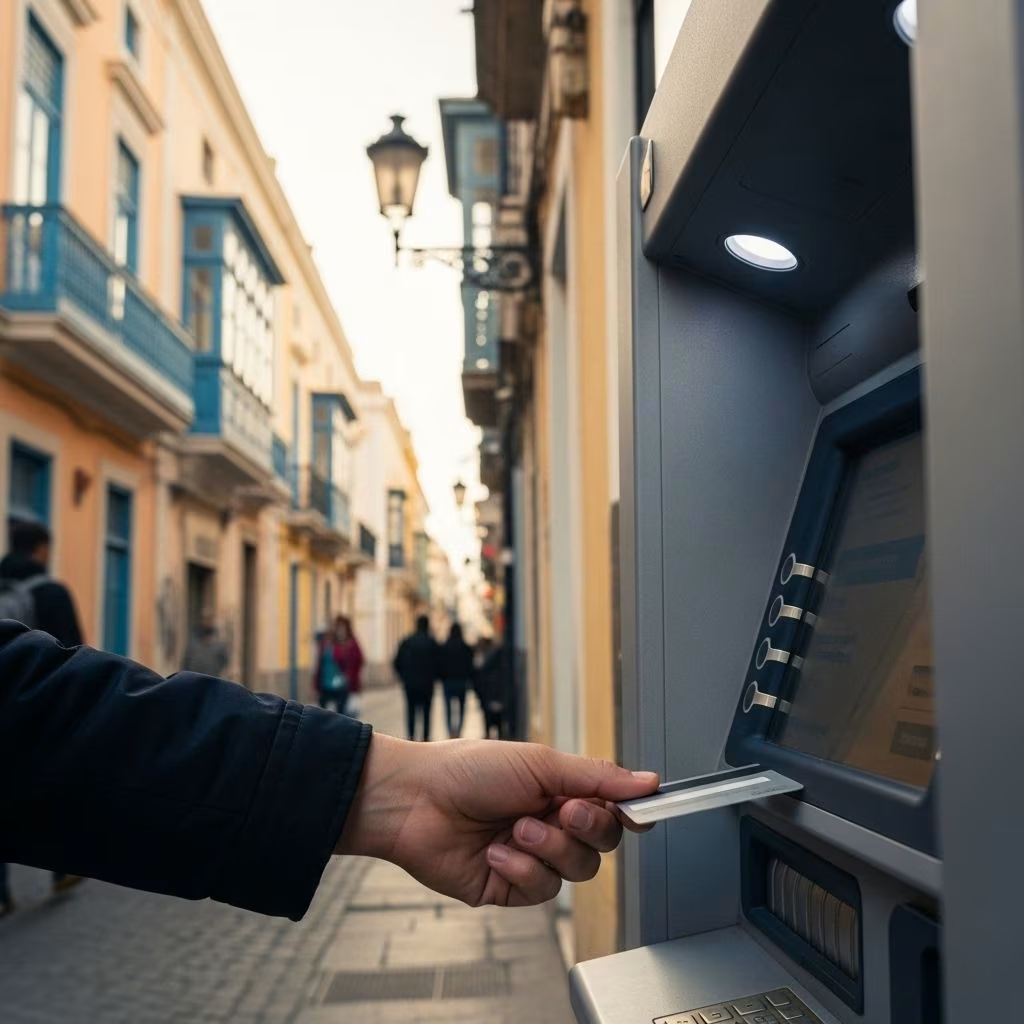
ATM Tips for Travelers: Using Cash Machines Abroad
With the widespread acceptance of credit cards in Europe and other international destinations, it’s easy to assume you’ll never need cash. However, there are countless places—from bustling market stalls to small-town inns—where cash remains king. Navigating the world of international ATMs is crucial for a smooth and secure journey, ensuring you aren’t caught off guard by high fees, technical issues, or security risks.
Why You Still Need Cash Abroad
While many establishments accept cards, smaller businesses, local guides, and traditional markets often require hard currency. Being reliant solely on plastic can limit your travel experience—especially when exploring off-the-beaten-path destinations. Always carry a modest backup stash of local cash for emergencies or when cards aren’t accepted.
Finding Cash Machines Around the World
ATMs (or cash machines) are generally easy to locate in cities and large towns. Knowing what to look for and what to avoid is vital for convenience and safety. Here are essential steps:
- Know the local term for ATM: In France, look for a ‘distributeur,’ in the UK a ‘cashpoint,’ and across much of continental Europe, a ‘Bankomat.’
- Scout before you go off-grid: Small villages or rural areas may have fewer or no ATMs. Withdraw sufficient cash while you’re still in urban centers.
- Bank ATMs vs. Independents: Opt for machines inside or immediately outside a recognizable bank branch.
- ATM lobbies: Many banks have small, card-accessible ATM lobbies offering enhanced privacy and security.
- Airport ATMs: These are safe and convenient for your initial local currency withdrawal upon arrival.
Why Avoid Independent ATMs?
- High fees: Brands like Travelex, Euronet, Your Cash, Cardpoint, and Cashzone typically charge steeper usage fees compared to bank-owned machines.
- Poor security: Standalone or non-bank ATMs are more vulnerable to tampering and scams due to lack of oversight and surveillance cameras.
- Tricky signage: Don’t fall for signs boasting ‘Free Withdrawals’—these often disguise costly fees through obscure conversion rates or ATM provider fees.
- Dynamic currency conversion traps: These machines may prompt you to accept withdrawals in your home currency, hiding unfavorable exchange rates and extra charges.
Always confirm you’re using a bank-owned ATM, especially in touristy or crowded areas where multiple ATM types are placed side-by-side.
Best Time and Place to Use International ATMs
- During bank hours: If your card is swallowed or a malfunction occurs, it’s much easier to get assistance if the bank is open.
- Selecting locations: Machines within bank lobbies or just outside branches are generally more secure.
- Before heading to remote areas: Withdraw cash in advance if you plan to visit places with fewer banking facilities.
Withdrawing the Right Amount
When withdrawing, consider asking for odd amounts (e.g., 2,800 instead of 3,000 koruna), which minimizes the chance of receiving large-denomination bills that are difficult to break at smaller merchants. If you do get big bills, step into the bank to exchange them for smaller notes.
| ATM Type | Pros | Cons |
|---|---|---|
| Bank-Owned ATM |
|
|
| Independent ATM |
|
|
Understanding ATM Fees and Exchange Rates
ATM cash withdrawals abroad typically incur a mix of fees—some transparent, some hidden.
- Home bank ‘foreign transaction’ and ‘out-of-network’ fees: These are set by your institution and generally cannot be avoided unless your bank participates in an international fee-waiver network.
- ATM operator/service fees: Many European bank ATMs do not levy their own charges; independents frequently do.
- Dynamic currency conversion (DCC): ATMs may offer to charge you in your home currency. Decline this offer and always choose to be billed in the local currency for the best interbank rate.
- Exchange rates: Using ATMs at banks ensures withdrawals are processed at real-time interbank exchange rates, which are far better than currency exchange booths or hotels.
Strategies for Reducing Fees
- Use debit cards with no foreign transaction fees: Before departure, research your bank’s policies and consider alternatives if your institution charges high rates.
- Withdraw larger sums but be careful: Fewer transactions means fewer total surcharges, just ensure your daily ATM withdrawal limit isn’t exceeded or keep your cash secure.
- Check for partner banks overseas: Some U.S. or international banks belong to global alliances that waive ATM surcharges at partner institutions.
How to Prepare Before You Travel
- Notify your bank and card issuers: Place a travel notice so your account isn’t flagged for suspicious overseas activity.
- Know your daily withdrawal limit: It may be lower than you realize and limited by both your bank and the ATM operator. Consider requesting a higher limit for your travel period.
- Bring at least two cards: If one is lost or compromised, you have a backup.
- Record emergency numbers: Have non-toll-free customer service numbers for your financial institutions in several secure locations.
- Learn your PIN: Overseas ATMs usually require a four-digit numeric PIN. Change it if yours is longer or includes letters.
- Pack a small backup of cash: For emergencies when cards or machines fail, carry an emergency stash in major global currency, such as euros or dollars.
What to Do if Your Card is Lost or Eaten by the Machine
- If you’re using a bank ATM during business hours, go inside for assistance immediately.
- Don’t leave the machine unattended—thieves may act quickly if they have tampered with the machine to trap cards.
- If traveling with a companion, have one person get help while the other stays by the ATM.
- Record your card’s cancellation number before you go and call your bank as soon as possible.
Staying Safe: ATM Security & Card Skimming Prevention
- Inspect the machine for tampering: Check for loose, out-of-place, or bulkier-than-normal card slots and keypads.
- Shield your PIN: Use your hand to cover the keypad while entering your code, protecting against hidden cameras and onlookers.
- Be aware of your surroundings: Thieves may distract you or watch as you enter your PIN—avoid isolated or poorly lit ATMs.
- Don’t let anyone help: Do not accept help from strangers if your card or cash gets stuck.
- Retrieve your card and cash quickly: Many European ATMs will retain your card if left too long, so don’t be distracted after you’ve withdrawn cash.
- Monitor your accounts: Regularly check transactions while abroad, and report any suspicious activity immediately.
Common Questions About Using ATMs Abroad
What should I do if the ATM only provides large bills?
If you receive high-denomination notes, enter the bank to exchange them for smaller bills, which are more widely accepted by shops and restaurants.
Can I use my debit card for purchases, or just at ATMs?
While many debit cards work for purchases, credit cards typically offer better fraud protection. Save your debit card for ATM withdrawals and use your credit card for major purchases or hotel payments.
What if the ATM says I have insufficient funds, but I know my balance is fine?
This usually means you’re trying to withdraw more than your daily limit allows when converted into local currency. Try requesting a smaller amount, or contact your bank before the trip to increase your daily withdrawal maximum.
Are contactless ATMs common in Europe?
Contactless and chip-enabled cards are increasingly accepted, but always carry a physical card as a backup for older ATMs requiring insertion and PIN entry.
What’s the risk of card skimmers, and how can I avoid them?
- ATMs at bank branches are less likely to be compromised than stand-alone machines in tourist zones.
- Avoid any ATM with loose, crooked, or unusual fittings on the card slot or keypad.
Should I take all my cash out at once or in increments?
There’s less risk of ongoing fees if you withdraw larger sums less frequently, but don’t carry more cash than you can securely store. Use a money belt or concealed pouch for peace of mind.
Quick Reference: Dos and Don’ts of Using ATMs Abroad
- Do: Use ATMs at bank branches, during business hours, and only after checking for skimmers or tampering.
- Do: Withdraw cash before heading to rural or remote areas.
- Do: Decline currency conversion in your home currency—always opt for local currency transactions.
- Do: Monitor your account for unauthorized transactions.
- Don’t: Use independent, stand-alone ATMs unless absolutely necessary.
- Don’t: Share your PIN, accept help from strangers, or become distracted during your transaction.
- Don’t: Panic if a card is stuck—seek help from bank staff immediately.
Frequently Asked Questions (FAQ)
Q: Will my home bank charge a fee every time I use an international ATM?
A: Most banks charge a modest transaction fee and/or a small percent for foreign currency conversions. Some partner with overseas banks to waive fees—verify with your bank before departure.
Q: Is it safe to use ATMs at night or outside business hours?
A: Night withdrawals are riskier. It’s best to use bank ATMs inside lobbies or well-lit areas, and ideally, during bank hours for added security and assistance if needed.
Q: Can I use a credit card at an ATM for cash advances abroad?
A: While possible, cash advances involve higher interest rates and fees. Prefer debit cards for cash withdrawals, and save credit cards for emergencies or major purchases.
Q: What are ‘dynamic currency conversion’ (DCC) fees?
A: DCC is when the ATM offers to bill you in your home currency. It almost always results in worse exchange rates—always select local currency to avoid unnecessary charges.
Q: Should I rely solely on my phone’s digital wallet at international ATMs?
A: Most international ATMs require physical card insertion and a PIN. Digital wallets may not work; carry your physical card for ATM access.
Conclusion
Strategic use of ATMs can enhance your travel experience by keeping cash access simple, secure, and cost-effective. With careful planning—selecting the right machines, protecting your information, and understanding the potential fees involved—you’ll have the flexibility and confidence to explore abroad, wherever your journey takes you.
References
- https://www.islands.com/1704345/rick-steves-tips-for-withdrawing-cash-europe-atm-withdrawal-limits/
- https://www.ricksteves.com/travel-tips/money/bank-card-precautions
- https://www.islands.com/1698201/why-rick-steves-avoids-independent-atm-in-europe/
- https://www.ricksteves.com/travel-tips/money/cash-machine-atm-tips
- https://www.ricksteves.com/travel-tips/money/cash-tips
- https://www.ricksteves.com/travel-tips/money/travel-checklist-money
- https://community.ricksteves.com/travel-forum/hungary/cash-currency-atm-s-tipping
- https://www.ricksteves.com/travel-tips/money/pay-credit-cards-vs-cash