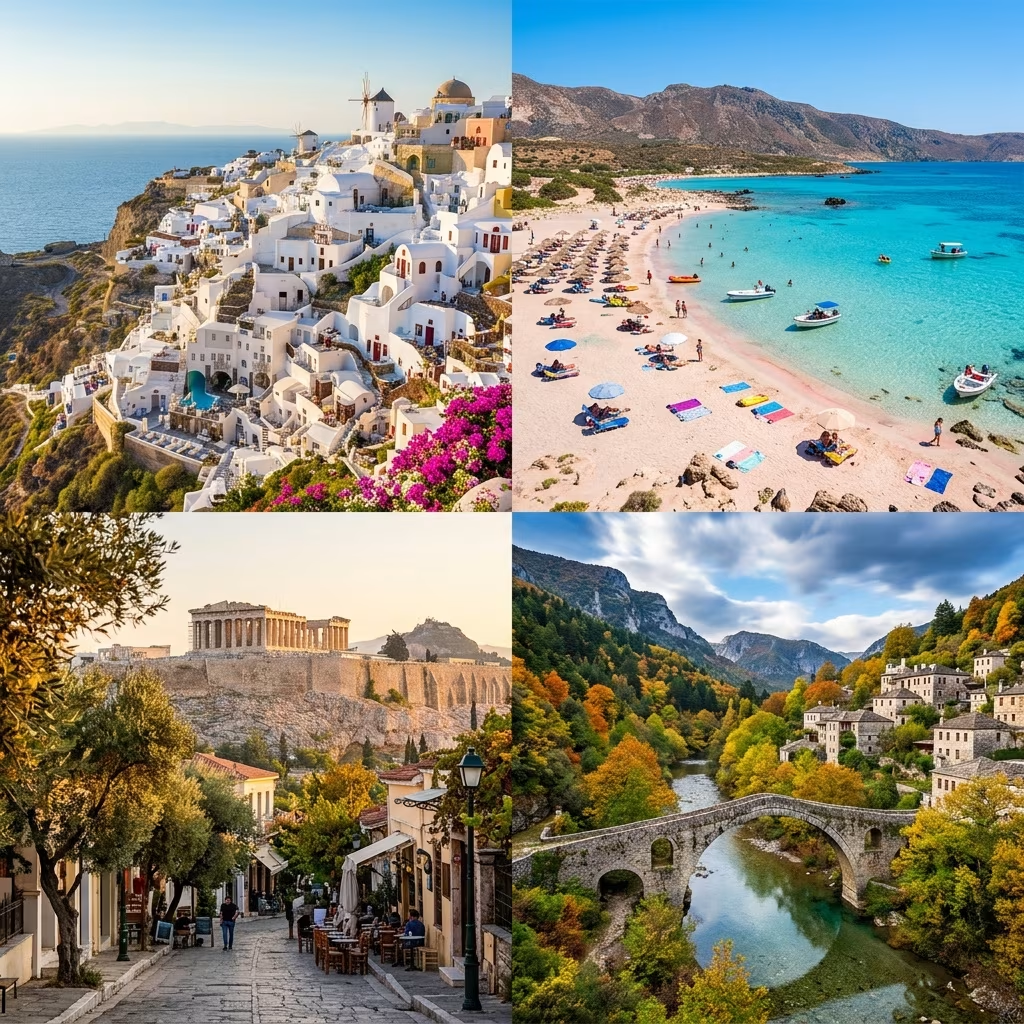
Greece captivates travelers with its ancient landmarks, azure seas, island villages, and a culture that bridges thousands of years of history with modern vitality. Deciding when to go, however, is key to making the most of your Greek adventure. This guide explores the best times to visit Greece, from bustling city life in Athens and legendary ruins in the Peloponnese to dreamy island escapes. Whether you crave sun-drenched beaches or tranquil archaeological sites, this article will help you pick the perfect moment for your journey.
Greece Throughout the Year: Highs, Lows, and Sweet Spots
Greece has a varied climate, balancing Mediterranean sun with regional quirks—from snowy peaks to warm coastal breezes. The rhythm of Greek tourism swings with the seasons, rewarding savvy travelers who know when to visit specific places. Understanding Greece’s high, shoulder, and low seasons will shape your experience.
A Quick Guide to Greece’s Travel Seasons
| Season | Months | Weather | Crowds & Prices | Highlights |
|---|---|---|---|---|
| High Season | Mid-June–August | Hot, sunny, dry | Very crowded, most expensive | Peak beaches, nightlife, festivals |
| Shoulder Season | May–mid-June, September–October | Mild, pleasant, mostly dry | Fewer crowds, moderate prices | Great for sightseeing and island hopping |
| Low Season | November–April | Cool–mild, some rain, possible snow inland | Fewest tourists, lowest prices | Relaxed pace, local culture, some sites closed |
In summary: For most travelers, May, June, September, and early October offer the ideal blend of pleasant weather and manageable crowd levels. July and August shine for party seekers and those focused on the islands, but come with higher heat and prices. Winter is tranquil and authentic, but some areas shut down for tourism.
What’s the Weather Like in Greece by Season?
Greece basks under more than 250 sunny days per year, creating near-ideal conditions for a range of travel styles. Here’s how the temperature and weather shift through the seasons:
- Spring (March–May): Wildflowers bloom, temperatures rise from mild to warm (15–25°C/59–77°F), and rain tapers off. Landscape is lush, and the air is fresh—perfect for hiking, sightseeing, and early beach trips.
- Summer (June–August): Expect long, hot days (27–35°C/80–95°F, cooler on islands) with rare rain. The sea is warm, ideal for swimming. Peak crowds descend on popular islands and sites.
- Autumn (September–October): The weather stays warm, especially in September. October brings cooler evenings and occasional showers, but sea temperatures are still pleasant. Harvest festivals abound.
- Winter (November–February): Coastlines and islands experience mild, rainy winters (12–18°C/54–64°F). Mountain regions can see snow and chilly air. Some islands reduce ferry service or close tourist businesses.
For the sunbathers and beach lovers, July and August offer guaranteed warmth, but the shoulder months often deliver equally delightful weather with a quieter scene.
High Season in Greece (Mid-June to August)
High season brings dazzling sunshine and a vibrant surge of festivals, nightlife, and travelers. The main advantages:
- Perfect swimming and sunbathing weather; water comfortably warm
- Everything is open, from archaeological sites to nightclubs and waterfront cafes
- All ferry and flight connections are frequent and reliable
But there are drawbacks:
- Popular destinations (especially Santorini, Mykonos, Athens, and Rhodes) can be busy, with crowded museums, beaches, and tavernas
- Accommodation and transportation costs are at their year’s highest
- Heat can be intense, especially inland or in Athens
If you travel in July or August, be sure to book rooms and ferries well ahead and plan for midday breaks to avoid the heat.
Shoulder Season: Early Summer and Early Autumn
The islands and mainland shine with fewer crowds and lovely weather in late spring and early fall. Late May–mid June and September–early October are considered by many to be Greece’s best visiting periods:
- Temperatures are warm yet comfortable for hiking, exploring ancient sites, or relaxing beachside
- Islands are lively, but not packed; you get the culture, cuisine, and charm with breathing room
- The sea is perfect for swimming
- You’ll often save money on hotels and flights
Shoulder season travelers experience Greece’s authenticity, with many local events and festivals taking place outside the main tourist wave.
Low Season: November to April
Visiting Greece in the winter is a very different experience, but one filled with possibilities for the adventurous or offbeat traveler. Low season is generally November through March/April. Here’s what to expect:
- Lower hotel prices and great flight deals
- Many main tourist islands (e.g., Santorini, Mykonos) go quiet, with limited restaurants, shops, and ferry schedules
- Mainland cities like Athens and Thessaloniki remain lively, with museums, markets, and a genuine Greek feel
- The Peloponnese and some islands—such as Crete and Rhodes—have enough residents to provide vibrant winter life, with open restaurants and historic sites
- Winter is great for exploring ruins unhindered by crowds, and for experiencing Greek holiday traditions
However, some archaeological sites keep shorter hours, and certain rural areas may be chilly or even see snow.
Best Time by Region: Athens, Peloponnese, and the Islands
Different places in Greece have unique rhythms. Here are some tips for the major regions:
Athens and Surroundings
The country’s lively capital is a must for first-timers — and is alive year-round. Spring and fall are excellent for sightseeing: the weather is pleasant, and crowds manageable at places like the Acropolis, Agora, and museums. Summer can be very hot and busy, but major sights stay open late and you can enjoy the nightlife after dark. Winter brings a quieter side, fewer tourists, and local event calendars.
The Peloponnese Peninsula
This mainland region is rich in history and natural beauty, offering:
- Peak Experience: Late spring and early autumn, with landscapes in bloom or golden with the grape harvest
- Visit legendary sites like Olympia, Epidavros, Mycenae, Nafplio, and Monemvasia before the summer tour buses arrive
- In summer, beaches and resort towns are bustling, while some mountain villages offer a cool escape
- In winter, the Peloponnese has a quieter pace but remains accessible, with coastal towns and large cities open for local life and sightseeing
Greek Islands
Hundreds of islands dot the Greek seas, ranging from vibrant Mykonos to tranquil Hydra. Here’s what to consider:
- May–June and September–October are typically best for island-hopping: you get warm sun, swimmable waters, and ferries in full operation—without peak season’s prices or crowds
- July and August are ideal for partygoers and sun worshippers willing to endure crowds and premium prices
- Ferries and flights are most reliable in high and shoulder seasons; off-season, connections are fewer and weather may affect travel
- Not all islands are created equal in winter: Crete and Rhodes stay lively; others, like Santorini and Mykonos, get very quiet
Island Highlights: Santorini, Mykonos, Rhodes, and Hydra
While there are dozens of islands, several stand out for first visits:
- Santorini: Famous for its dramatic cliffs, caldera views, and photogenic villages; great in shoulder season when crowds thin and sunsets are still breathtaking.
- Mykonos: Known for its sparkling beaches, lively nightlife, and proximity to the ancient site of Delos. Crowds peak in summer—come in late spring or early fall to find the balance.
- Rhodes: Offers a captivating old town, Crusader history, and warm weather for a longer season than most islands.
- Hydra: A traffic-free gem near Athens, celebrated for its romantic harbors, hiking paths, and chilled-out vibe—ideal for spring and autumn day-trips.
Greek Festivities and Special Events
Greece’s calendar brims with festivals, from Orthodox Easter and Carnival (before Lent), to saints’ name days and wine or olive harvests. Key events:
- Greek Orthodox Easter: The biggest annual festival, with processions, feasts, and fireworks—dates shift each year, usually April or early May
- August 15: Dormition of the Virgin Mary, a national holiday with festivals and island parties
- Summer music, dance, and theater festivals: Held in ancient amphitheaters like Athens’ Odeon of Herodes Atticus or Epidavros
Travel Tips for Planning the Perfect Greece Trip
- Book ahead for accommodation and inter-island travel in high and shoulder seasons, especially for July–August
- Pack sun protection for spring through autumn; bring a light jacket in spring/fall and a raincoat for November–March
- Ferries are the main way to island-hop—be flexible if traveling off-season, as schedules can change
- Local cuisine shines year-round: try fresh seafood, grilled meats, olives, and regional pastries
- Plan slow travel: Greek culture rewards relaxed itineraries, leaving time for lingering in tavernas and spontaneous adventures
Frequently Asked Questions (FAQs)
Q: When is the absolute best time to visit Greece for sightseeing and pleasant weather?
A: The best months for a blend of lovely weather and manageable crowds are May, June, September, and early October.
Q: Will I miss out if I travel to the Greek islands in winter?
A: Many islands quiet down in winter with limited tours and ferry schedules; however, bigger islands like Crete and Rhodes remain lively and accessible, offering authentic local character.
Q: Is Greece too hot to visit in summer?
A: Inland cities and Athens can be scorching in July and August, but the islands enjoy cooling breezes. Plan outdoor activities for early mornings and evenings, and take midday breaks.
Q: Should I book transportation between islands ahead of time?
A: Yes, especially in high season (July–August) and on popular routes, ferry and flight tickets can sell out. For off-season travel, check schedules in advance as they may be reduced.
Q: What are must-visit regions for a first trip to Greece?
A: Start in Athens for history, continue to the Peloponnese for classical sites and landscapes, and add a few iconic islands (like Santorini, Mykonos, or Rhodes) to round out your adventure.
References
- https://www.islands.com/1842973/rick-steves-best-city-start-vacation-greece/
- https://www.ricksteves.com/watch-read-listen/video/tv-show/greek-islands
- https://www.ricksteves.com/watch-read-listen/video/tv-show/athens-and-side-trips
- https://www.ricksteves.com/travel-tips/trip-planning/timing-your-trip
- https://community.ricksteves.com/travel-forum/greece/best-time-of-year-to-visit-greece
- https://www.ricksteves.com/watch-read-listen/read/articles/greek-island-hopping-basics
- https://www.tripadvisor.com/ShowTopic-g189433-i245-k13961624-o40-What_Rick_Steves_and_Santorini_Dave_Did_not_Tell_You-Santorini_Cyclades_South_Aegean.html