Germany’s Festivals: Celebrating Culture, Tradition, and Togetherness
Throughout the year, Germany bursts into life with an extraordinary array of festivals that reflect its rich cultural tapestry and communal spirit. Whether focused on music, food, history, or folklore, these events offer travelers and locals alike a memorable immersion into German traditions. From world-famous Oktoberfest to intimate wine tastings and exuberant city celebrations, Germany’s festivals are a window into the heart of the nation.
Annual Calendar of Festivals and Holidays
Germany’s festival calendar is packed, with highlights throughout every season. Below is a selection of some of the most celebrated events across the country. Dates may vary slightly from year to year, and some festivals are localized to specific regions.
- May–August: Spring and summer bring open-air concerts, wine festivals, street parties, historic reenactments, boat parades, and art fairs.
- September–October: Folk festivals and harvest events are prominent, including the iconic Oktoberfest in Munich and many regional wine celebrations.
- November–December: Advent and Christmas markets brighten towns and cities with festive lights, foods, and crafts.
Major Festivals and Their Unique Features
Oktoberfest, Munich
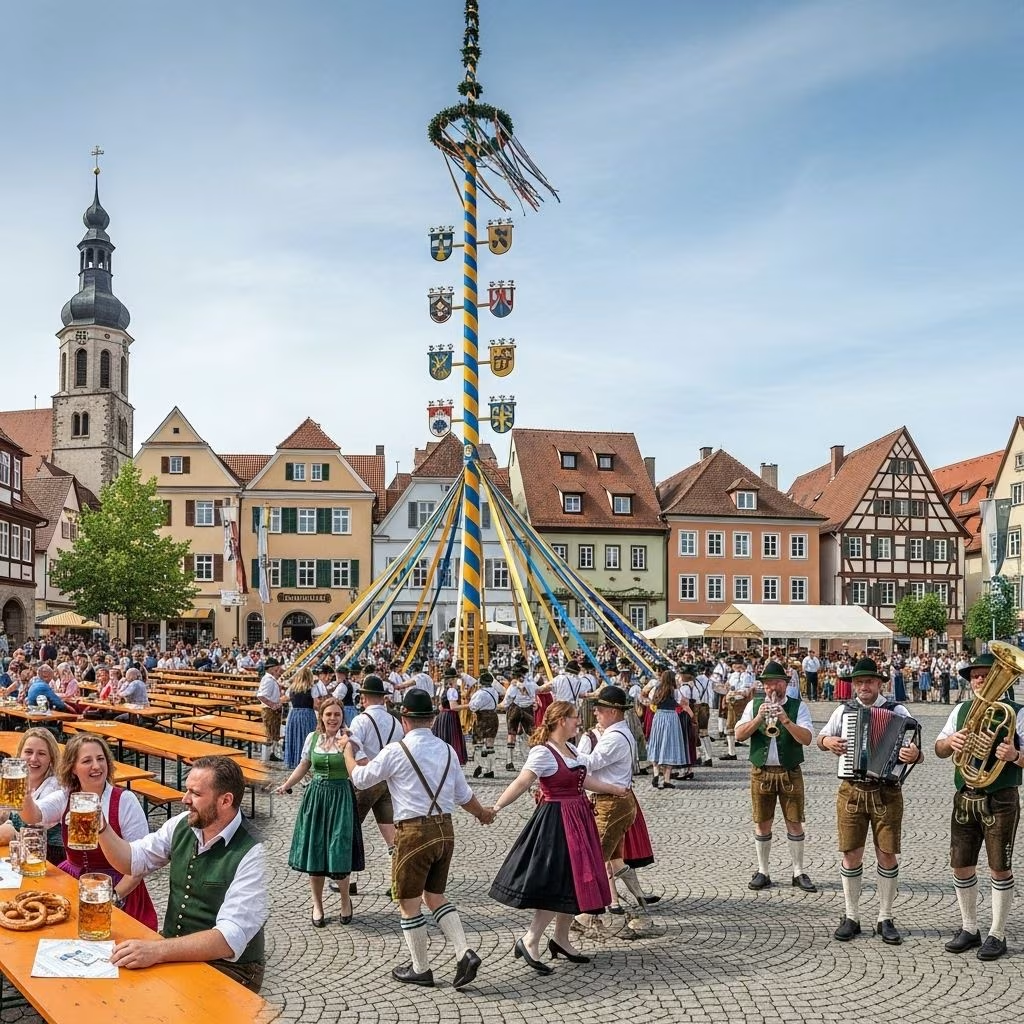
The world’s largest beer festival, held in Munich, dominates late September and early October. Over two weeks, visitors join locals to celebrate Bavarian traditions beneath massive tents filled with music, feasting, and revelry. The site transforms into a lively fairground, complete with amusement rides, parades, and people dressed in traditional attire such as lederhosen and dirndls.
- Sixteen enormous beer tents each host thousands of drinkers.
- Signature foods like roast chicken, brezn (pretzels), and sausages are served.
- Highlights include an opening parade, folk music, and a vibrant carnival with rides such as Ferris wheels and roller coasters.
- Oktoberfest is family-friendly in the daytime and becomes a lively spectacular by night.
Wine Festivals
Germany’s wine regions celebrate the grape harvest with friendly festivals from spring through fall. Whether in a bustling city or a picturesque village, these events showcase local wines, hearty foods, music, and community spirit. Notable wine festivals include:
- Weindorf Würzburg: May–June, focusing on Franconian wines.
- Weindorf Rothenburg ob der Tauber: August, held in a medieval setting.
- Wine Festival Cochem: Late August, features parades and fireworks along the Mosel river.
- Freiburg Wine Festival: July, combining wine tastings and live music.
These festivals are convivial, often featuring regional specialties, live music, open-air dancing, and a welcoming atmosphere.
Music and Arts Festivals
- Mozartfest Würzburg: May–June. Showcases classical music in baroque venues.
- Handel Festival Halle: Early June. Celebrates Handel’s legacy with concerts and operas.
- Bach Festival Leipzig: June. Internationally renowned for its breadth of concerts and performances.
- Elbjazz Hamburg: Early June. Jazz concerts set in Hamburg’s port and industrial scenery.
- Sommertheater & Sommerwerft Frankfurt: July–August. Diverse theatre and art presentations along the river.
- Bardentreffen Nürnberg: Early August. World music festival attracting thousands of performers and spectators.
- Classic Open Air Berlin: Mid-July. Outdoor classical concerts in the iconic Gendarmenmarkt.
- Klassik Open Air Nürnberg: Late July & August. Free classical concerts complemented by fireworks.
Folk Festivals and Historic Celebrations
- Nürnberg Fall Folk Festival: Late August–mid September. Features folk costumes, amusement rides, and family fun.
- Kiliani Volksfest Würzburg: Early July. Traditional county fair with folk music and food.
- Kinderzeche Dinkelsbühl: Mid-July. A blend of traditional dance, parades, and community celebrations honoring historic town defenses.
- Sandkerwa Bamberg: Late August. A Bavarian folk festival in romantic Bamberg, famous for music and beer.
- Kalternberg Knights’ Tournament: Weekends in July. Jousting, medieval markets, and elaborate re-enactments near Munich.
- Rhine in Flames: July & August. Spectacular firework displays along the Rhine, synchronized to music in towns such as Bingen, Rüdesheim, and Koblenz.
Street Parties, Block Festivals, and Pride
- Bunter Sommer Neustadt, Dresden: Late June. A vibrant block party in the Outer New Town district renowned for street art and local bands.
- Oberlindenhock, Freiburg: Late June. Street food and live music in a historic setting.
- Cologne Pride Street Festival: Early July. Germany’s largest LGBTQ+ festival with parades, music, and community.
- Berlin Pride (Christopher Street Day): Late July. A massive celebration of diversity and equality culminating in parades and parties.
Sailing and Waterside Festivals
- Kieler Woche, Kiel: Late June. The world’s biggest sailing festival, featuring ship parades and cultural events throughout the city.
- Fusion Festival, Neustrelitz: Late June. A free-spirited, Burning Man–style festival with art, music, and alternative culture.
Palace Nights and Cultural Splendor
- Potsdamer Schössernacht, Potsdam: Late August. Palaces glow with light shows, nighttime performances, and fireworks in the gardens of Sanssouci palace.
Important Public Holidays and Local Customs
In addition to festivals and fairs, Germany observes several key public holidays, some of which coincide with regional festivities and closures.
- Corpus Christi (Fronleichnam): June. Marked by vibrant processions, especially in Bavaria, and flower carpets in Baden-Württemberg.
- Assumption Day: August 15. Religious holiday with closures in Bavaria and Saarland.
On these days, expect closures across southern and western Germany and increased activity in rural towns.
Experiencing German Festivals: What to Expect
Attending a German festival is about more than witnessing traditions—it is about participating in the country’s living culture. Expect:
- Authentic local foods, from bratwurst and potato pancakes to regional pastries and cheeses.
- Live music, folk and classical, performed both informally and at scheduled concerts.
- Open-air dancing and processions, with costumes, flowers, and local flair.
- Family-friendly atmosphere during the day, with energetic partying by night.
- Mingling of tourists and locals, cultivating new friendships and shared memories.
Regional Differences and Traditions
From North Sea coastlines to the Alpine south, German festivals reflect local customs, dialects, and flavors. Bavaria is renowned for its folk costumes and autumn beer celebrations, while the Rhineland boasts lively street festivals and grand firework displays. Wine country brings an earthy, convivial charm with events staged in centuries-old villages and terraced vineyards.
Table: Key Festivals by Region
| Region | Festival | Date | Main Attractions |
|---|---|---|---|
| Bavaria | Oktoberfest (Munich) | Late Sept–Early Oct | Beer tents, parades, folk music, costumes |
| Franconia | Weindorf (Würzburg) | May–June | Wine tastings, regional foods, music |
| Saxony | Bach Festival (Leipzig) | June | Classical concerts, cultural tours |
| North Rhine–Westphalia | Cologne Pride | Early July | Parades, parties, LGBTQ+ gatherings |
| Rhineland–Palatinate | Rhine in Flames | July & August | Firework shows, boat parades |
| Berlin | Classic Open Air | Mid-July | Outdoor classical music |
Festival Planning Tips
- Check dates ahead: Many festivals vary year-to-year and are scheduled around weekends or harvest periods.
- Book accommodations early: Major festivals, especially Oktoberfest, attract millions and sell out local hotels months in advance.
- Embrace local traditions: Consider renting or purchasing traditional attire for events in Bavaria and Franconia. It adds to the fun and welcomes you among locals.
- Public transport: Use trains, trams, and buses as festival venues often close city centers to car traffic.
- Expect closures: National and local holidays may coincide with festivals—plan accordingly for shopping and services.
Frequently Asked Questions (FAQs)
What is the best time of year to experience festivals in Germany?
Spring through autumn sees the widest variety and largest number of festivals, with Oktoberfest in late September and early October as a highlight. Each region tends to peak during harvest time or warm months.
Do I need tickets for German festivals?
Many street festivals, open-air concerts, and folk events are free to attend. Major music festivals, classical events, and carnival rides often require tickets—ahead booking is recommended for popular events.
Is Oktoberfest suitable for families?
Oktoberfest is very family-friendly during the day, with special children’s programs and safer amusement areas. In the evening, the festival caters more to adult revelers.
How do locals dress for festivals?
Bavarians don traditional outfits such as lederhosen (for men) and dirndls (for women), especially for Oktoberfest and folk events. In many other regions, casual attire is common, but dressing for the occasion is always appreciated.
What foods should I try at a German festival?
Sample Wurst (sausages), grilled meats, potato pancakes, pretzels, festive breads, cheeses, and local wines or beers—each region offers special delicacies.
Travel Tips for Visiting German Festivals
- Always check festival dates and local holiday schedules before booking travel.
- Plan your visits to villages and cities during festival times for vibrant atmospheres and cultural insights.
- Bring cash, as many stalls and vendors may not accept cards.
- Engage with locals—they will often invite you to join in dances, songs, and parades.
- Respect local customs and historic venues by following posted rules and traditions.
Conclusion: The Spirit of Germany in Festival
Germany’s festivals are communal, joyful, and open to all. Whether seeking traditional pageantry, classical music, spirited urban street parties, or tranquil village wine tastings, these events illuminate Germany’s welcoming culture. The country’s festival calendar is an invitation—to celebrate, discover, and become part of Germany’s vibrant tapestry.
References
- https://www.youtube.com/watch?v=WtA02cajCWE
- https://www.ricksteves.com/europe/germany/festivals
- https://www.ricksteves.com/watch-read-listen/video/tv-show/festivals-2
- https://community.ricksteves.com/travel-forum/to-the-west/the-top-10-best-german-fests-festivals
- https://community.ricksteves.com/travel-forum/germany/germany-2025-sept-and-october-3-week-itinerary
- https://www.youtube.com/watch?v=NQoSKM-X3Yg
- https://community.ricksteves.com/travel-forum/germany/june-in-germany-events-to-plan-for
- https://www.ricksteves.com/tv-programmers/specials/european-festivals