Italy Itinerary: Planning the Ultimate Journey
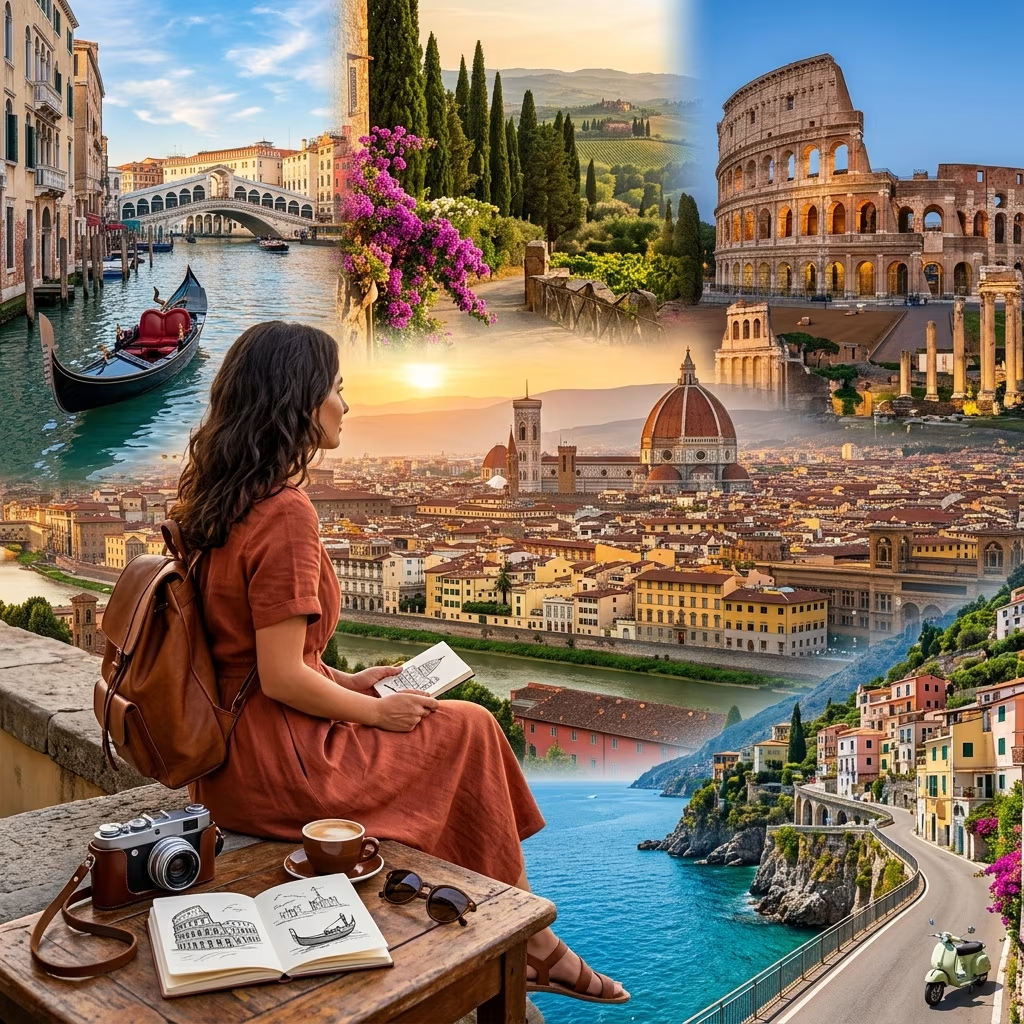
Italy holds an irresistible allure for travelers, promising a tapestry of iconic cities, beautiful coasts, charming hill towns, and centuries of art and architecture. With so much to see and so little time, planning the perfect Italian adventure can be overwhelming. This detailed itinerary, inspired by expert recommendations, will help you prioritize must-see sights, optimize travel times, and savor the best experiences Italy offers—whether you have 4 days or three weeks.
How to Use This Itinerary
This guide is organized to provide flexible options for various trip lengths. Recommendations account for your interests—whether it’s Renaissance art in Florence, alpine wonders in the Dolomites, or the laid-back splendor of the Amalfi Coast. The core route relies on Italy’s efficient train network for major stops, with option to rent a car for rural regions like hill towns.
- Public transportation is recommended for most major cities.
- Car rental is suggested for exploring Tuscany’s small towns or the Dolomites region.
- Customize the itinerary based on your interests and available time.
Top Priorities Based on Trip Length
Adjust your Italy itinerary by duration, focusing on regions that make geographical sense together. Here are suggested priorities for trips ranging from short escapes to three-week odysseys.
| Length of Trip | Destinations |
|---|---|
| 4 days | Rome, Florence |
| 6 days | Add Venice |
| 8 days | Add Cinque Terre |
| 10 days | Add Siena |
| 13 days | Add Sorrento, Naples, Pompeii, Amalfi Coast |
| 16 days | Add Milan, Lake Como (Varenna) |
| 19 days | Add Padua, Volterra, Orvieto, Civita di Bagnoregio |
| 21 days | Add Dolomites, or take a slower pace |
Three-Week Italy Itinerary: Day-by-Day Breakdown
This sample 21-day itinerary is designed for efficient travel using trains between major destinations, with optional car rental for rural detours.
Week 1: Northern Lakes, Dolomites, and Venice
- Day 1: Arrive Milan, Transfer to Lake Como (Varenna)
Land in Milan in the morning and head directly to Varenna on Lake Como. Check in and stroll along the lakefront for panoramic views. (Sleep in Varenna) - Day 2: Lake Como
Enjoy a day exploring the charming lakeside villages (Bellagio, Menaggio) by ferry, visit Villa Monastero’s gardens, or relax with a cappuccino overlooking the Alps. (Sleep in Varenna) - Day 3: Milan
Take an early train to Milan to discover the Duomo, Galleria Vittorio Emanuele II, and Leonardo’s ‘Last Supper’ (advance reservation required). Return or stay in Varenna. (Sleep in Varenna) - Day 4: Dolomites via Verona
Travel via Verona (where you might glimpse Juliet’s balcony) up to Bolzano or Kastelruth, gateway to the Dolomite mountains. (Sleep in Bolzano or Kastelruth) - Day 5: Dolomites
Immerse yourself in dramatic alpine scenery. Hike gentle trails, ride cable cars, or stop in fairytale villages. (Sleep in Bolzano or Kastelruth) - Day 6: Venice
Board a train or drive to Venice. Settle in, stroll along canals, and enjoy a Venetian evening in Piazza San Marco. (Sleep in Venice) - Day 7: Venice
Tour the highlights: St. Mark’s Basilica, Doge’s Palace, Rialto Bridge, and explore hidden neighborhoods like Cannaregio. (Sleep in Venice)
Week 2: Ligurian Coast, Tuscany, and Umbria
- Day 8: To Cinque Terre
Catch a train south to the Ligurian coast, settling in the picturesque fishing village of Vernazza, one of the Cinque Terre’s five gems. (Sleep in Vernazza) - Day 9: Cinque Terre
Hike the famed cliffside trails connecting the five villages, lounge on pebble beaches, and feast on fresh seafood. (Sleep in Vernazza) - Day 10: Florence via Pisa
Take the train to Florence, stopping en route to climb Pisa’s Leaning Tower. Arrive in Florence to soak up its Renaissance grandeur. (Sleep in Florence) - Day 11: Florence
Admire Michelangelo’s ‘David’ at the Accademia, view Botticelli’s masterpieces at the Uffizi, and wander the medieval streets. (Sleep in Florence) - Day 12: Florence, Late to Siena
Spend a last morning in Florence, then head to the medieval city of Siena. (Sleep in Siena) - Day 13: Siena
Marvel at Siena’s Gothic Duomo, get lost in its winding alleys, and linger in the Piazza del Campo. (Sleep in Siena) - Day 14: Assisi
Transfer to Assisi for a day exploring its peaceful basilicas and Umbrian countryside. (Sleep in Assisi)
Week 3: Hill Towns, Amalfi Coast, and Rome
- Day 15: Orvieto and Civita di Bagnoregio
Continue via train or car to the stunning hill town of Orvieto and the ethereal village of Civita di Bagnoregio, perched on its crumbling tufa pedestal. (Sleep in Orvieto) - Day 16: Sorrento
Journey south to Sorrento, gateway to the Amalfi Coast and a perfect base for exploration. (Sleep in Sorrento) - Day 17: Pompeii Excursion
Day trip to Pompeii to walk the haunting Roman ruins frozen by Vesuvius’ eruption. Return to Sorrento. (Sleep in Sorrento) - Day 18: Amalfi Coast
Take a bus or boat along one of the world’s most spectacular coastlines, exploring Positano, Amalfi, and Ravello. (Sleep in Sorrento) - Day 19: Naples and on to Rome
Stop in Naples for a classic Neapolitan pizza and a quick visit to the National Archaeological Museum, then continue by train to Rome. (Sleep in Rome) - Day 20: Rome
Dive into ancient history at the Colosseum, Roman Forum, and Palatine Hill. Walk the city’s cobbled streets, discovering fountains and lively piazzas. (Sleep in Rome) - Day 21: Rome
Cap your trip with Vatican City: marvel at St. Peter’s Basilica, trek through the Vatican Museums, and bask in the glory of the Sistine Chapel. (Sleep in Rome) - Day 22: Fly Home
Bid farewell to Italy, packing home a lifetime of memories.
Customizing Your Italy Itinerary
Every traveler’s priorities and pace are different. Consider lingering in Florence if obsessed with Renaissance masterpieces, dedicating extra days to coastal hiking in Cinque Terre, or venturing deeper into smaller hill towns to escape the tourist crowds. For mountain lovers, the Dolomites offer world-class hiking and stunning landscapes, especially with an overnight in Bolzano or Kastelruth.
Tips for Efficient Travel
- Book your train tickets in advance for high-speed intercity routes.
- Reserve key museums like the Uffizi and Accademia (Florence) and The Last Supper (Milan) well ahead.
- If renting a car, avoid urban centers and use it for countryside legs (e.g., Tuscany, Dolomites, Umbria).
- Pack light—cobblestone streets and train travel are easier with minimal luggage.
- Allow for a buffer day or two to recover from jet lag at the start, or plan a slower pace mid-trip to recharge.
Highlights by Region
- Venice: Gondola-filled canals, Byzantine mosaics, Carnival magic.
- Florence: Renaissance art, great food, Tuscan atmosphere.
- Rome: Ancient ruins, Baroque squares, Vatican wonders.
- Cinque Terre: Dramatic seaside hikes, colorful villages, Ligurian cuisine.
- Lakes & Dolomites: Tranquil vistas, mountain adventure, charming alpine towns.
- Tuscany & Umbria: Rolling hills, medieval towns, world-class wine.
- Amalfi Coast & Naples: Clifftop villages, island escapes, archeological riches.
Traveling by Train vs Car
The itineraries above are designed around Italy’s fast and frequent train system, which links major cities efficiently. Consider renting a car for accessing:
- Rural hill towns (e.g. Volterra, Civita di Bagnoregio)
- Dolomites or countryside regions
- Flexible exploration away from main cities
Within cities, avoid driving: traffic restrictions, limited parking, and pedestrian zones make public transport or walking the best options.
Packing and Preparation
- Carry a comfortable daypack for walks and excursions.
- Pack layers to handle varying climates from mountains to coasts.
- Bring good walking shoes for cobblestone towns and hiking trails.
- Secure your valuables; pickpocketing can occur in tourist hotspots.
Frequently Asked Questions (FAQs)
Q: Is this itinerary suitable for first-time visitors?
A: Yes. It covers Italy’s classic highlights as well as scenic lesser-known regions, making it perfect for both newcomers and repeat travelers wishing to deepen their experience.
Q: How can I adjust the itinerary for a shorter trip?
A: Focus on geographically clustered destinations—e.g., Rome and Florence only (4 days), add Venice for a 6-day trip, or include Cinque Terre for 8 days. Skip areas that require detours or extra transport time if you’re limited on days.
Q: Should I book everything in advance?
A: For peak travel periods (spring and fall), it’s strongly advisable to book major train journeys, city accommodations, and must-see destinations’ tickets in advance to avoid disappointment.
Q: Is it better to use a tour or go independently?
A: Both approaches offer unique advantages. Independent travel allows flexibility and personal pacing, while tours can bundle logistics and local expertise. Consider your comfort level with booking transport, navigating cities, and language.
Q: How much time should I spend in Rome?
A: Plan at least three days in Rome to experience its ancient sites, vibrant neighborhoods, and Vatican treasures. Adding an extra day allows for a more relaxed pace or deeper exploration.
Final Tips
- Allow for spontaneity—sometimes the best experiences are the unexpected ones found off the itinerary.
- Savor Italy’s regional cuisine and wines, which vary dramatically from north to south.
- Learn a few basic Italian words to enrich your interactions with locals.
- Be mindful of Italy’s customs and dress modestly at religious sites.
With mindful preparation and an open spirit, your Italy journey will be more than a checklist—it will be a tapestry of treasured memories to last a lifetime.