Croatia’s Dalmatian Coast: Where History Meets the Sea
The Dalmatian Coast—stretching along Croatia’s deep blue Adriatic—sets the standard for Mediterranean beauty. Backed by the rugged Dinaric Alps, this region is home to polished medieval towns, primeval Roman ruins, lavender hills, sun-splashed islands, and a coastline that catches the heart. It encompasses some of Europe’s most captivating destinations, from the legendary Dubrovnik to the lively ports of Split, spectacular islands, and remote seaside villages.
At a Glance: The Highlights of the Dalmatian Coast
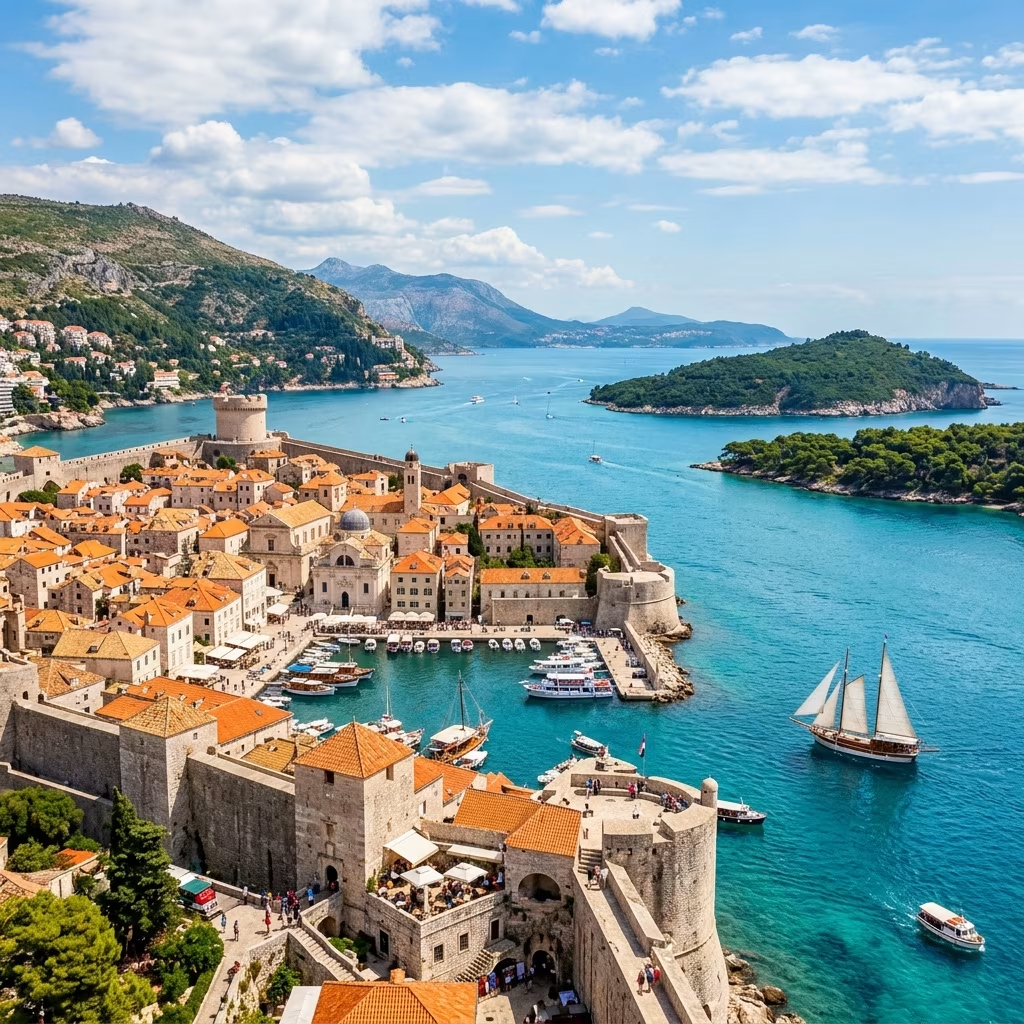
- Dubrovnik: Layered with storybook charm and turbulent history, Croatia’s “Pearl of the Adriatic” dazzles with mighty city walls, ancient streets, and vibrant local life.
- Split: Famed for Diocletian’s Palace, the coast’s hub combines Roman antiquity with the feel of a lived-in, energetic city—and easy access to nearby gems.
- Hvar: The ritziest of the Adriatic’s islands, offering a mix of upscale nightlife, vineyards, lavender fields, medieval castles, and sun-drenched escape.
- Korčula: Relax into the low-key rhythms of this forested island, prized for its peninsular Old Town, legends of Marco Polo, and local wines.
- Nearby Delights: Ferries and boats offer excursions to hidden beaches, lush peninsulas, ancient forts, and sleepy coastal villages.
Dubrovnik: The Pearl of the Adriatic
Dubrovnik is Croatia’s most famous and picturesque city, famed for its monumental stone walls encircling a labyrinth of lanes, centuries-old churches, bustling plazas, and red-tiled roofs overlooking glimmering waters. Despite its popularity, the city holds genuine local life and soul, shaped by years as a proud independent republic and by its stirring recovery from recent wars.
- City Walls: Walk atop some of Europe’s best-preserved medieval fortifications for panoramic vistas of the city and sea.
- Old Town: Sandwiched between the Pile and Ploče gates, dive into alleyways lined with limestone houses, lively markets, and hidden chapels.
- Museums & Culture: Highlights include the Rector’s Palace and Maritime Museum, each a window into the city’s illustrious past.
- Mountaintop View: Take the cable car for sweeping views across the city, coast, and nearby mountains.
- Beaches & Swimming: Locals and visitors alike dive off the rocky coast or enjoy shingle beaches dotted along the outskirts.
- Recent History: Learn how Dubrovnik rebuilt after the 1991 siege for a deeper appreciation of its reconstructed splendor.
Split: Roman Majesty, Modern Vibe
Split is often called the unofficial capital of the Dalmatian Coast—a laboring port, cosmopolitan city, and living Roman monument rolled into one. Its historic center grows out of the sprawling Diocletian’s Palace, the retirement home-turned-city built for a Roman emperor in 305 AD and now the thriving social and cultural heart of Split.
- Diocletian’s Palace: Marvel at the enormous gates, lively courtyards, cellars, and temples woven into daily city life. Cafés, shops, and apartments pulse within its ancient walls.
- Seaside Promenade (Riva): Lined with palms and cafes, this is Split’s sociable front porch.
- Just Beyond: Excursions from Split can reach Plitvice-like waterfalls at Krka National Park, sand-and-stone beaches, and smaller towns.
- Trogir: This medieval-island town, an easy day trip away, boasts Romanesque churches, Venetian palazzi, and waterside promenades.
- Zadar: Situated north along the coast, Zadar is studded with Roman ruins, unique sea organ sculptures, and rich local markets.
Hvar: Glamour and Heritage Among Lavender Fields
Famed for glitz and sun, Hvar is the Adriatic’s celebrity playground—but it’s not all private yachts and cocktail lounges. The Old Town holds centuries of history from fishing-village roots to Venetian grandeur, topped by a chunk of castle that dominates the skyline. Head inland for lavender and rosemary fields stretching to the horizon, and discover quiet coves away from the bustle.
- Old Town: Cobbled streets cluster around a bustling harbor, busy markets, and medieval churches.
- Fortica (Fortress): Climb up for sweeping views of the bay and Pakleni Islands.
- Lavender & Vineyards: The interior landscape erupts in purple during summer, while wineries dot vineyard-laced hills.
- Beaches: From lively public shores to secluded coves just a boat ride away, Hvar’s beaches are legendary.
- Jet-Set Charm: Known for stylish bars, luxury yachts, and international visitors, Hvar exudes a cosmopolitan vibe—especially in peak season.
Korčula: Island Lore and Living Culture
Korčula’s forested slopes, crystalline seas, and walled medieval Old Town make it one of Croatia’s most endearing islands. Nicknamed a “mini-Dubrovnik,” its peninsular center bristles with towers, red roofs, and the mystique of its most legendary (if disputed) son: Marco Polo. Today, Korčula blends deep-rooted folk traditions with relaxed coastal living.
- Old Town: Surrounded by stone fortifications, Korčula’s Old Town is a delight of Venetian-style houses, churches, and hidden piazzas.
- Piazza & Landmarks: Visit the presumed birthplace of Marco Polo, the Cathedral of St. Mark, and ancient stone gates.
- Rural Island Life: Fisheries, lush vineyards, and olive groves shape daily rhythms away from the main town.
- Local Wine: Savor Grk and Pošip varietals unique to the island’s sun-soaked terroir.
- Beaches: Unspoiled coves and pebbled beaches unravel along the coast, offering a quieter alternative to Hvar.
Other Excursions & Nearby Highlights
- Boat Excursions: Ferries from Dubrovnik’s Old Port swoop out to remote islands and hidden beaches, perfect for those seeking serenity or adventure.
- Cavtat: A stylish resort south of Dubrovnik, known for art-filled villas and peaceful harbors.
- Ston: Famous for medieval city walls, oyster farms, and salt pans—the perfect rural escape.
- Pelješac Peninsula: A wine-lovers’ paradise, draped with family-run vineyards and rolling hills.
- Mljet National Park: On a lush island, this park features saltwater lakes, a 12th-century monastery, and wild forests—highlights for nature lovers.
- Trsteno Arboretum: The oldest in this part of the world, with majestic gardens, fountains, and vibrant plantings.
Essential Experiences on the Dalmatian Coast
- Stroll Ancient Walls: Both Dubrovnik and Korčula offer breathtaking walks on their intact city walls.
- Swim in the Adriatic: Crystal-clear waters beckon for swimmers, snorkelers, and sea kayakers.
- Discover Local Cuisine: Enjoy fresh seafood, olive oil, cheeses, and Dalmatian wines in seaside konobas (tavernas).
- Catch Folk Performances: Traditional sword dances, klapa singing, and festivals keep the region’s folklore alive.
- Island-Hopping: Regular ferries and private tours make it easy to string together multiple islands for unique adventure.
Sample Itinerary: Dalmatian Coast in One Week
| Day | Destination | Highlights |
|---|---|---|
| 1-2 | Dubrovnik | Marvel at city walls, Old Town, Mount Srd view, beach time |
| 3 | Cavtat or Mljet | Half-day at art village or islands/national park |
| 4 | Korčula | Old Town stroll, Marco Polo sights, local wine tasting |
| 5 | Hvar | Castle climb, lavender tour, relaxing on beaches |
| 6-7 | Split & Trogir | Romans ruins, Diocletian’s Palace, day trip to Trogir |
Travel Tips for the Dalmatian Coast
- Ferry Schedules: Summer brings the most frequent connections, but plan ahead, as routes can book out.
- Packing: Lightweight clothes, good walking shoes, sun protection, and a swimsuit are essentials.
- Accommodations: Choices range from boutique hotels and apartments within medieval cores to resort options along the fringe.
- Peak Season vs. Shoulder Season: July and August are vibrant but crowded and pricy; May–June and September–October offer quieter beauty and easier sightseeing.
- Getting Around: Buses link major towns, while ferries or catamarans traverse the islands.
Frequently Asked Questions (FAQs)
Q: When is the best time to visit the Dalmatian Coast?
A: Late spring (May–June) and early fall (September–October) offer warm weather, less crowding, and lively local festivals—peak summer (July–August) is busiest and hottest.
Q: Do I need a car, or can I get around by ferry and bus?
A: You can travel efficiently by ferry, catamaran, and intercity buses. A car is useful for rural peninsulas but not needed (or allowed) in most historic centers.
Q: What should I not miss on my first trip?
A: The city walls of Dubrovnik, Diocletian’s Palace in Split, sunsets from Hvar or Korčula’s harbors, and a local wine tasting are must-dos.
Q: Is the region safe for travelers?
A: Yes, the Dalmatian Coast is very safe, friendly, and popular with families, couples, and solo travelers alike.
Q: Can I easily island-hop?
A: Yes, especially in summer, fast ferries and boats connect Dubrovnik, Split, Hvar, Korčula, and smaller islands frequently.
Conclusion: The Endless Allure of Croatia’s Dalmatian Coast
The Dalmatian Coast’s appeal comes from more than scenic beauty—it’s the combination of living history, local hospitality, crystalline seas, and a vibrant island culture. Whether you’re climbing castle towers, drifting through olive groves, island-hopping by ferry, or sharing stories over fresh seafood, the Dalmatian Coast invites you to slow down, savor, and lose yourself in its shimmering magic.
References
- https://www.ricksteves.com/tours/croatia/adriatic-tour
- https://www.ricksteves.com/europe/croatia/dalmatian-coast
- https://www.ricksteves.com/watch-read-listen/video/travel-talks/croatia-slovenia
- https://www.ricksteves.com/watch-read-listen/video/tv-show/croatia-adriatic-delights
- https://blog.ricksteves.com/cameron/category/croatia/dalmatian-coast
- https://www.ricksteves.com/europe/croatia
- https://community.ricksteves.com/travel-forum/croatia/small-cruise-ship-vs-ferries-around-islands-of-dalmatian-coast
- https://www.postcard.inc/@ricksteves/p/UWN_PtlLdn9/adventure-dalmatia-dubrovnik
- https://www.ricksteves.com/watch-read-listen/croatias-coastal-delights