Naples, Sorrento, and the Amalfi Coast: Discover Southern Italy’s Pearls
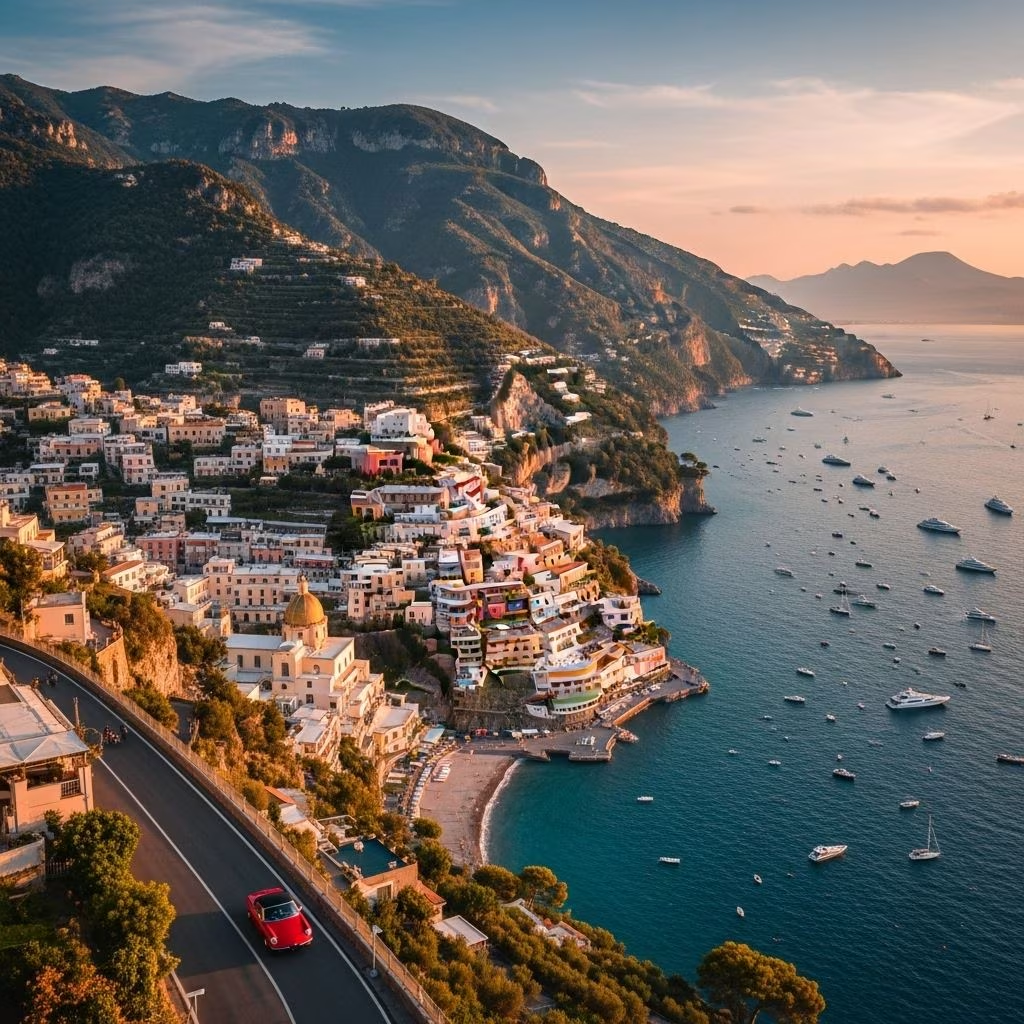
South of Rome, the dramatic region encompassing Naples, Sorrento, and the Amalfi Coast offers travelers an irresistible blend of history, culture, cuisine, and panoramic seascapes. Here, ancient streets pulse with local life, ruins echo tales of the past, and cliff-clinging villages captivate at every turn. Whether you’re wandering the bustling heart of Naples, savoring sunsets in Sorrento, or winding along the vertiginous Amalfi coastline, this region promises an unforgettable taste of la dolce vita.
Naples: Italy’s Raw, Energetic Gateway to the South
The gateway to southern Italy, Naples dazzles with its contrasts. It is a city where chaotic alleyways hide stunning churches, and the world’s best pizza is served amid a chorus of Vespas and shopkeepers. Naples’ gritty authenticity is inseparable from its compelling energy and deep-rooted traditions.
- Historic Center: A UNESCO World Heritage site, Spaccanapoli slices through the city, lined with artisan shops, grand churches, and pizzerias.
- Street Life: Navigate cobblestone streets as daily Neapolitan life unfolds—vendors hawk fresh produce, locals debate football, and street musicians add to the city’s soundtrack.
Don’t miss the Duomo di San Gennaro, Santa Chiara Monastery, and the lively Piazza Bellini, a favorite haunt of students and locals alike. For a taste of Naples’ unique flavor, try a classic sfogliatella pastry or pizza margherita in its birthplace.
Naples National Archaeological Museum
Arguably the world’s premier collection of ancient Greek and Roman artifacts, the Naples National Archaeological Museum is a highlight for history lovers. Marvel at mosaics, sculptures, and everyday treasures unearthed in nearby Pompeii and Herculaneum.
Neapolitan Cuisine: The World’s Pizza Capital
Naples’ culinary landscape is legendary. Enjoy:
- Pizza Napoletana: Thin, chewy crust, minimal toppings—Naples’ signature dish is both simple and sublime.
- Pasta alla Genovese: Slow-cooked onions and beef over pasta, a local favorite rarely found elsewhere.
- Street Food: Indulge in sfogliatella (crispy layered pastry), cuoppo (fried seafood cones), and baba au rhum.
Essential Experiences in Naples
- Stroll Spaccanapoli and Via Tribunali, exploring artisan workshops and food stalls.
- Descend into the Napoli Sotterranea, a labyrinth of underground tunnels and catacombs.
- Catch a local ferry across the Bay of Naples for views of Mount Vesuvius and the city skyline.
Pompeii and Herculaneum: Ancient Cities Frozen in Time
Pompeii and Herculaneum stand as the world’s most evocative archaeological sites. Buried by Vesuvius’ eruption in AD 79, these towns provide an unparalleled window into ancient Roman life.
- Pompeii: Wander entire streets, looming temples, fresco-filled villas, and the haunting Forum. Highlights include the Amphitheater, House of the Faun, and eerie plaster casts of residents.
- Herculaneum: Smaller but better preserved, Herculaneum features lavish mosaics, intact homes, and even wooden doors and furniture.
Tips for Visiting
- Arrive early to avoid crowds and midday heat.
- Join a guided tour or use a self-guided walk to appreciate the context of what you see.
- Bring water and sun protection—shade is sparse.
Mount Vesuvius
Climb or drive up the iconic Mount Vesuvius for sweeping views of the Bay of Naples and the crater that changed history. Trails to the rim reveal steamy fumaroles and panoramic vistas.
Sorrento: Sun-Soaked Gateway to the Amalfi
Sorrento sits atop dramatic cliffs overlooking the teal waters of the Bay of Naples. With its lemon-scented lanes, charming piazzas, and easygoing atmosphere, Sorrento is a perfect home base for exploring the region.
- Bask in the relaxed ambiance of Piazza Tasso and sip a creamy limoncello, the city’s signature liqueur.
- Stroll the narrow lanes of the old town filled with boutiques and inviting trattorias.
- Enjoy cliffside walks with jaw-dropping views, such as the lanes leading to Marina Grande, Sorrento’s vibrant old fishing harbor.
Practical Sorrento Tips
- Sorrento’s train and hydrofoil connections make side-trips to Naples, Pompeii, Capri, and the Amalfi Coast simple.
- Indulge in local specialties like gnocchi alla Sorrentina and delizia al limone (lemon cake).
The Isle of Capri: Natural Wonders and Roman Splendor
Just offshore from Sorrento, the glamorous Isle of Capri has enchanted visitors for millennia—from Roman emperors to modern celebrities.
- Blue Grotto: This natural sea cave glows electric blue, best visited by small rowboat (weather permitting).
- Capri Town & Anacapri: Explore chic boutiques, scenic cafes, and the lush Villa San Michele gardens in Anacapri.
- Don’t miss the chairlift to Monte Solaro for panoramic vistas over the Faraglioni rocks.
Visiting Capri
- Ferries and Hydrofoils depart hourly from Sorrento, Naples, and the Amalfi Coast.
- Book grotto visits early in the day to avoid long waiting times.
- Wear sturdy shoes—Capri’s lanes and stairways can be steep.
The Amalfi Coast: Italy’s Dramatic Shoreline
The Amalfi Coast is a 30-mile ribbon of sheer cliffs and cobalt sea dotted with pastel villages. Designated a UNESCO World Heritage site, this coast delivers dazzling drives and a series of cliff-clinging towns each with their own character.
- Positano: A vertical wonderland of candy-colored houses, winding stairways, chic boutiques, and elegant cafes tapering down to a pebbly beach. Enjoy a walk from the upper town to the sea, browsing ateliers and galleries along the way.
- Amalfi: Once a mighty maritime republic, Amalfi captivates with its spectacular Duomo di Sant’Andrea, paper museums, and broad central piazza buzzing with cafes.
- Ravello: Perched high above Amalfi, tranquil Ravello is loved for its lush gardens, sweeping panoramas, and cultural festivals. Don’t miss the romantic Villa Cimbrone and Villa Rufolo.
Scenic Drives and Ferries
- Drive: The twisting Amalfi Drive (SS163) hugs cliffs and hairpin turns—rewarding but not for faint-hearted drivers!
- Buses: SITA buses cover most Amalfi towns, but can be crowded. Sit right for the best sea views.
- Ferries: In good weather, ferries offer swift, scenic connections among Amalfi, Positano, Sorrento, and Capri.
Local Foods of the Coast
- Limoncello: Bright, zesty lemon liqueur made from local Sfusato Amalfitano lemons.
- Seafood: Enjoy fresh-caught anchovies, calamari, or spaghetti alle vongole (with clams).
- Delizie al Limone: Light cakes or pastries filled with lemon cream.
Paestum: Greek Temples Amid the Pines
A bit further south, Paestum is a serene archaeological park where three massive, beautifully preserved Greek temples rise amid wildflowers and umbrella pines. Founded by Greek colonists in the 6th century BC, Paestum later became a Roman city, and today’s site blends relics from both eras. The on-site museum houses exquisite painted tombs and ancient ceramics. With relatively few tourists, Paestum is ideal for a peaceful escape into Italy’s early history.
Planning Your Trip: Practical Essentials
Traveling Italy’s southern coast requires a few planning strategies to make the most of your time and budget:
- When to Go: Late spring (May-June) and early autumn (September-October) offer warm weather without the peak crowds.
- Transportation: Trains easily connect Naples, Pompeii, and Sorrento. From Sorrento, ferries or buses continue to Capri and the towns of the Amalfi Coast.
- Driving: Consider parking in Sorrento and using local buses, ferries, or private transfers—the coastal roads are narrow and parking is scarce.
- Accommodations: Book well in advance, especially in Positano, Amalfi, and Capri, which fill up quickly in summer.
Essential Italian Survival Phrases
- Buongiorno – Good morning
- Per favore – Please
- Grazie – Thank you
- Dove si trova…? – Where is…?
- Un tavolo per due, per favore – A table for two, please
Frequently Asked Questions (FAQs)
Q: What is the best way to travel between Naples, Sorrento, and the Amalfi Coast?
A: Regional trains connect Naples, Pompeii, and Sorrento; from Sorrento, buses and ferries link to the Amalfi Coast towns. In summer, ferries are both scenic and efficient.
Q: Are the ruins at Pompeii or Herculaneum better for a family visit?
A: Herculaneum is more compact and better sheltered, making it easier for families with young children, though Pompeii offers more extensive ruins to explore.
Q: How many days should I spend in this region?
A: Allow at least 3 days for highlights—one for Naples and Pompeii, one for Sorrento or Capri, and one or more for the Amalfi Coast. A week lets you immerse in each area’s unique rhythm.
Q: Is driving the Amalfi Coast difficult?
A: Yes. The coastal road is narrow, winding, and busy (especially in summer). Consider leaving driving to experts if you’re unfamiliar with such routes.
Q: Can I swim or relax on a beach along the Amalfi Coast?
A: Yes. While many beaches are small and pebbly, towns like Positano, Amalfi, and Marina di Praia have inviting spots for swimming and sunbathing.
Quick Travel Tips and Cultural Insights
- Book key sites and ferries in advance, especially in summer.
- Pack light—many accommodations involve stairs and few elevators.
- Try local specialties and artisan limoncello—it’s a delicious regional gift.
- Allow time to wander and savor the region’s slower pace—this is the heart of la dolce vita.
- Respect local customs, especially when visiting religious sites (cover shoulders and knees).
Why Naples, Sorrento, and the Amalfi Coast Should Top Your List
From the timeless bustle of Naples and ancient echoes in Pompeii, to Sorrento’s lemon groves and the vertical magic of the Amalfi Coast, this region overflows with experiences uniquely Italian. Stunning landscapes, rich history, and world-famous food await around every curve. Whether you seek seaside relaxation, cultural immersion, or a taste of adventure, southern Italy’s gems are certain to delight every traveler.
References
- https://www.barnesandnoble.com/w/rick-steves-snapshot-naples-the-amalfi-coast-rick-steves/1141412012
- https://www.youtube.com/watch?v=Qf1pnZC4W7Q
- https://store.ricksteves.com/shop/p/amalfi-coast-guidebook
- https://www.ricksteves.com/watch-read-listen/video/tv-show/italy-amalfi-coast
- https://www.ricksteves.com/watch-read-listen/read/articles/naples-sorrento-and-the-amalfi-coast
- https://www.ricksteves.com/watch-read-listen/read/articles/italy-amalfi-coast
- https://www.ricksteves.com/europe/italy/amalfi-coast
- https://www.ricksteves.com/watch-read-listen/video/tv-show/naples-and-pompeii