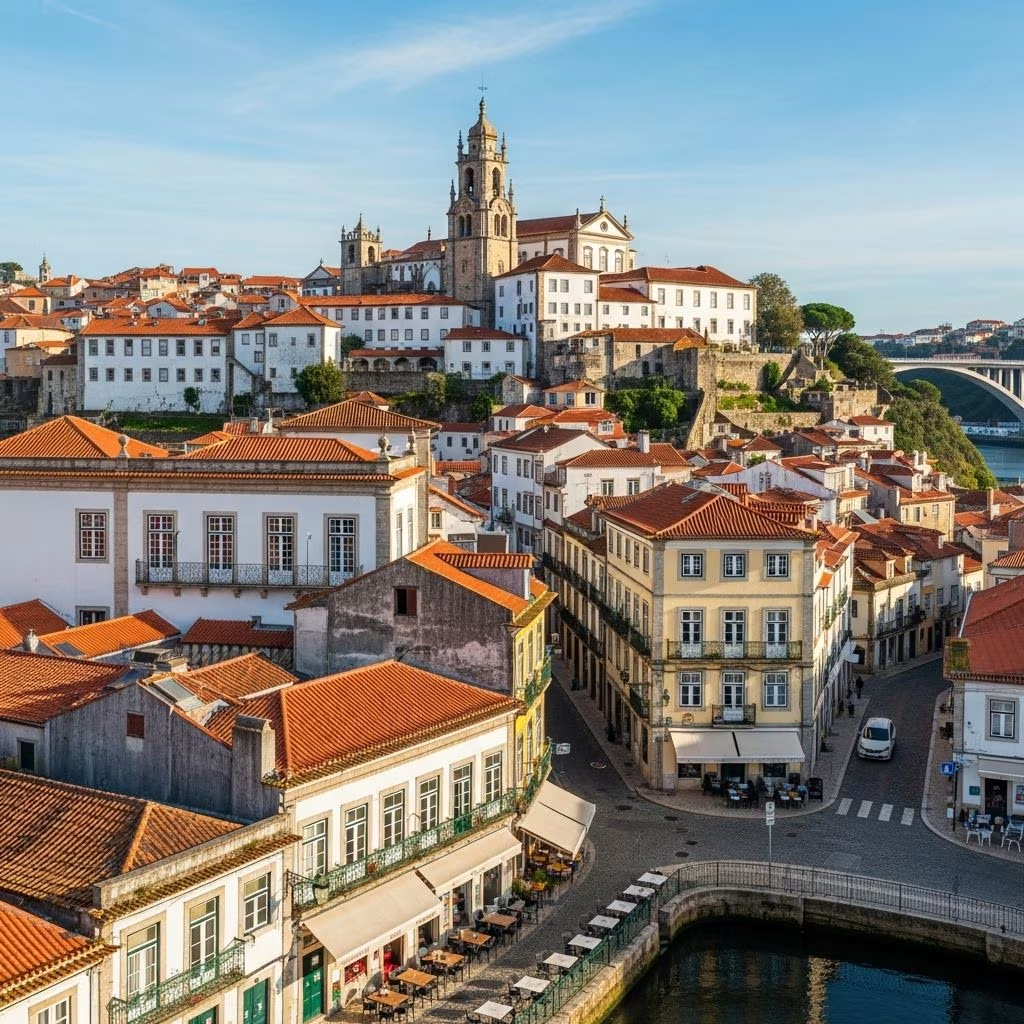
Introduction: Discovering Coimbra’s Timeless Allure
Coimbra radiates a unique charm within Portugal, blending centuries of academic tradition, evocative medieval streets, and a vibrant cultural scene. Often described by travel expert Rick Steves as the country’s “easiest-to-enjoy city” and likened to a less crowded mini-Lisbon, Coimbra stands out as a destination where Portugal’s rich history and daily life intermingle graciously. Steeped in scholarly legacy and nestled along the banks of the River Mondego, Coimbra offers both bustling student energy and the tranquility of ancient monuments.
Coimbra at a Glance: Portugal’s Academic Heartland
- Location: About two hours north of Lisbon, central Portugal
- Nickname: Oxford or Cambridge of Portugal
- Main Attraction: University of Coimbra (UNESCO World Heritage Site)
- Atmosphere: Vibrant, historic, less touristed than Lisbon
- Best time to visit: Year-round, especially lively during university terms
A City of Academic Prestige: The University of Coimbra
Perched atop a scenic hill, the University of Coimbra is a symbol of Portugal’s intellectual heritage. Founded in 1290, the university is one of the world’s oldest and, as a UNESCO World Heritage Site, remains a centerpiece of the city’s identity.
- King João’s Library (Biblioteca Joanina):
- Baroque masterpiece dating to the 18th century
- Houses 40,000+ ancient books in Latin, Greek, and Hebrew
- Intricate, richly decorated interiors; features a colony of bats that help preserve the manuscripts by eating insects
- University Grounds and Traditions:
- The campus sprawls with historic buildings, stately courtyards, and panoramic river views.
- A funicular and elevator help visitors ascend the hillside; walking the grounds is both scenic and rewarding.
- Traditions abound, such as the students’ black capes and annual graduation celebrations.
- Unique Sights:
- Chapel of São Miguel: Renaissance art and gilded woodwork
- University Prison: Formerly held unruly scholars, symbolizing the school’s autonomy
- Chemistry Lab: Historic academic facilities open to visitors
- Visitor Experience: Timed tickets are recommended for library and campus tours; plan to visit nearby cafés for affordable student meals and to soak in the academic ambiance.
Table: Notable University Sites and Features
| Site | Description | Visitor Highlight |
|---|---|---|
| Biblioteca Joanina | 18th-century Baroque library | Bats, ornate decor, rare books |
| Chapel of São Miguel | Renaissance-era university chapel | Gilded altar, historic art |
| University Prison | Historic autonomous jail | Unique insight into academic tradition |
| Chemistry Lab | Centuries-old laboratory | Science history, unusual architecture |
Walking the Historic Streets: Old Town and Local Life
Coimbra’s old town entices visitors with its maze of narrow, Arab-flavored lanes, colorful facades, and centuries-old shops. Exploring by foot remains one of the city’s most delightful activities.
- Street Scene:
- Timeworn shops and tascas (budget eateries) tucked in winding alleys
- Local produce markets where the rhythm of daily Coimbra life beats vividly
- Women selling produce, their faces reflecting generations of tradition
- Mercado Municipal: An authentic Portuguese market pulsing with old Europe charm and regional specialties
- Daily Routines: Men gather in bars, dubbed “little chapels,” socializing over coffee or port while others work the land
- Gastronomy:
- Signature dish: Bacalhau (salted cod), a staple of Coimbra cuisine
- Budget-friendly student cafés and tascas serving hearty, authentic meals
Architectural and Spiritual Landmarks
Ancient churches and atmospheric ruins grace Coimbra’s neighborhoods, echoing the city’s storied past and spiritual significance.
- Santa Cruz Monastery:
- Dating from the 12th century, its cool stone interior offers a respite from Portugal’s summer heat
- St. Anthony once studied here; site includes the tombs of Portugal’s first two kings
- The charming Café Santa Cruz occupies a former chapel adorned with stained glass
- Old Cathedral (Sé Velha):
- Romanesque masterpiece from the late 12th century with a robust, fortress-like exterior
- Inside, marvel at the 16th-century gilded Renaissance altarpiece and some of Portugal’s oldest tiles
- Features the oldest Gothic cloister in Portugal, open daily for visitors
- Roman Ruins of Conimbriga:
- Located just outside Coimbra, the ruins showcase extensive mosaics, pond gardens, and ancient fountains
- Considered one of the best-preserved Roman sites in Portugal
- Botanical Garden: Flourishing with native and exotic flora, the 18th-century gardens stand next to a historic aqueduct, offering calm and natural beauty in the heart of the city
Coimbra’s Unique Fado: Tradition Meets Student Life
One of Coimbra’s quintessential cultural experiences is its distinct fado music, a style deeply entwined with university life and local identity.
- Fado de Coimbra:
- Unlike Lisbon’s fado, Coimbra’s version is typically sung by men, often university students and alumni
- Accompanied by the evocative Portuguese guitar, performances are passionate yet restrained
- Traditionally performed in small venues or open squares, echoing the city’s academic spirit
- Fado ao Centro: Dedicated live shows in intimate settings, ending with a glass of port and audience interaction; reservations are recommended
- Seasonal Events: Fado performances peak during university festivities and graduation events, animating the city after dusk
Museum and Cultural Highlights
- Museum Machado de Castro:
- Situated in a former bishop’s palace near the university
- Boasts rich collections of medieval and Renaissance art
- Roman cryptoporticus: Vaulted underground halls from ancient times, open for exploration
- Student Cafeteria: Recommended by Rick Steves for inexpensive yet fun dining; a chance to experience local flavors among scholars
- Cultural Life:
- The city hums with music, poetry, theater, and student celebrations throughout the academic year
Practical Travel Tips for Exploring Coimbra
- Getting There: Accessible by car or train from Lisbon and Porto; driving offers scenic routes
- Transportation: Elevators and funiculars connect the riverside neighborhoods to hilltop university grounds
- Staying Comfortable: Light clothing recommended; European style is more formal than US casual wear
- Budget Meals: University cafeterias and street-side tascas provide affordable, authentic Portuguese food
- Local Customs: Spend time in cafés and public squares to appreciate the pace of daily Coimbra life
- Advance Reservations: For popular sites like the Biblioteca Joanina and fado shows, booking ahead is advisable
Frequently Asked Questions (FAQs)
Q: What makes Coimbra unique among Portuguese cities?
A: Coimbra’s blend of historic academic tradition, old town charm, and signature student fado music set it apart; its university, markets, and medieval lanes offer an authentic Portuguese experience.
Q: What is the best way to experience the University of Coimbra?
A: Book a guided campus tour including the Biblioteca Joanina, Chapel of São Miguel, and museum exhibits. Don’t miss the view from the hilltop and enjoy a meal in the student cafeteria.
Q: Is fado music different in Coimbra compared to Lisbon?
A: Yes. Coimbra’s fado is typically sung by men, usually university students, and focuses on love, nostalgia, and student life; it has a distinct academic melancholy compared to the more popular, emotional Lisbon style.
Q: Are the Roman ruins of Conimbriga worth visiting?
A: Definitely. The mosaics, gardens, and ancient architecture offer an outstanding glimpse into Portugal’s Roman history, and the site is easily accessible from Coimbra.
Q: Where can I experience authentic Portuguese cuisine in Coimbra?
A: Sample bacalhau (salted cod) at local markets and tascas, or dine at the university cafeteria for local student fare. Don’t miss Café Santa Cruz for coffee and pastries in a historic setting.
Conclusion: The Spirit of Coimbra
Colorful, historic Coimbra epitomizes the soul of Portugal. Its winding medieval lanes, revered academic institutions, unforgettable fado, and daily markets reveal both ancient heritage and contemporary vibrancy. Whether you’re admiring the intricate details of an 18th-century library, losing yourself in a maze of stone alleys, or listening to the haunting strains of student fado at dusk, Coimbra offers every traveler the chance to experience a city both steeped in tradition and pulsing with life. For those seeking an enriching, less crowded, and deeply authentic destination in Portugal, Coimbra awaits—a place where heritage and modernity meet in technicolor harmony.
References
- https://www.islands.com/1603998/portugal-easiest-enjoy-city-coimbra-less-crowded-mini-lisbon-according-rick-steves/
- https://www.youtube.com/watch?v=hFQ8mymaGVs
- https://www.ricksteves.com/watch-read-listen/video/tv-show/portugal
- https://www.ricksteves.com/watch-read-listen/video/travel-talks/beyond-lisbon
- https://www.ricksteves.com/watch-read-listen/read/articles/exploring-colorful-coimbra
- https://www.ricksteves.com/europe/portugal/coimbra
- https://www.ricksteves.com/watch-read-listen/read/articles/top-university-sights-europe
- https://blog.ricksteves.com/blog/a-picturesque-stroll-through-colorful-coimbra/
- https://community.ricksteves.com/travel-forum/portugal/guimaraes-or-coimbra-day-trip-from-porto