Bastille Day in France: A Celebration of Freedom, History, and Community
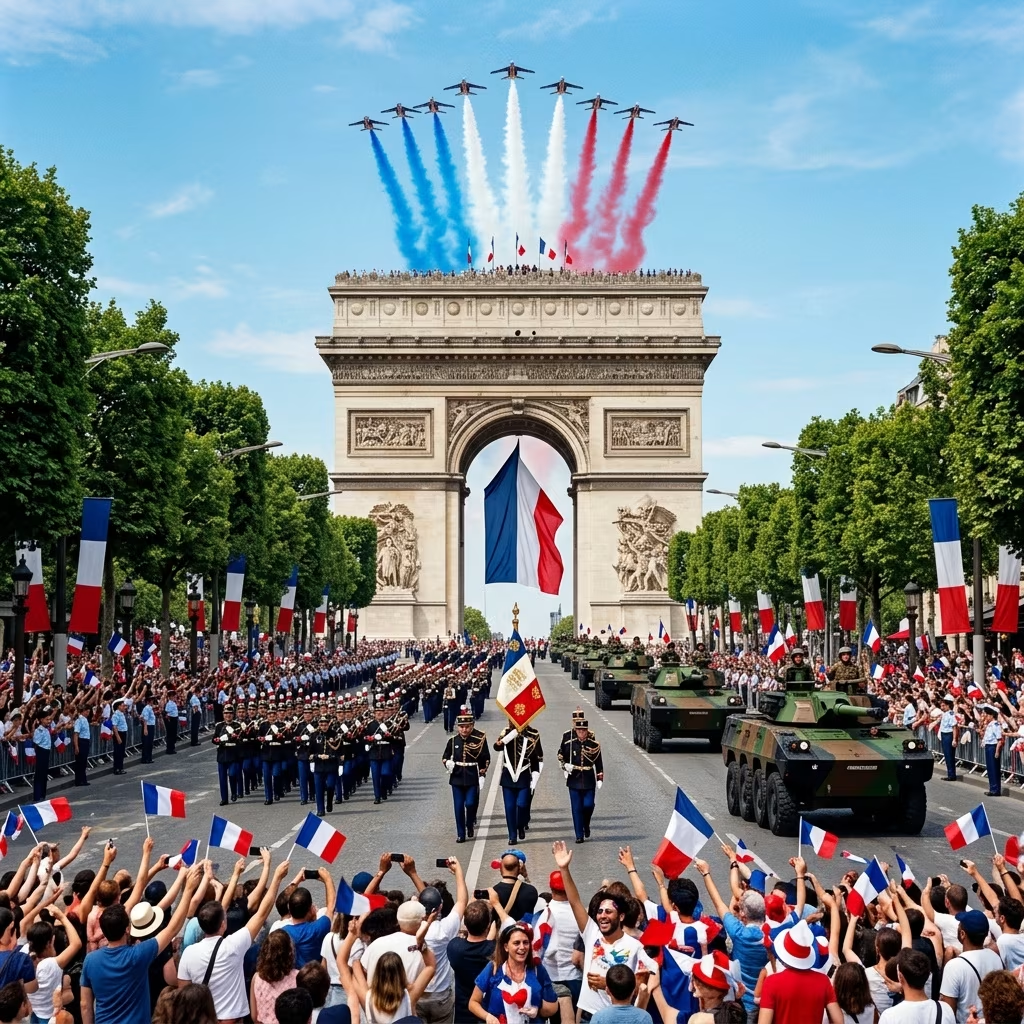
Bastille Day—known in France as La Fête Nationale or simply le quatorze juillet—marks the country’s most iconic national holiday. On July 14th, all of France commemorates the storming of the Bastille in 1789, a pivotal event that ignited the revolution and shaped the modern nation. The day is filled with manifestations of patriotism, elaborate festivities in Paris, and community gatherings across towns and villages from Brittany to Burgundy.
Whether you are walking Paris’ storied boulevards, watching the grand fireworks at the Eiffel Tower, or joining in neighborhood dance parties, Bastille Day is a moment when the spirit of France’s revolutionary past vibrantly comes to life in its present.
What Is Bastille Day?
Bastille Day is France’s national holiday, celebrated every July 14th. The occasion honors the storming of the Bastille prison in Paris, which occurred in 1789 and sparked the French Revolution, paving the way for the country’s republic and freedoms enjoyed today. It symbolizes liberty, equality, and fraternity—the foundational principles of French democracy.
- Date: July 14th every year
- Official French Name: La Fête Nationale / le quatorze juillet
- Symbolic Meaning: The struggle for liberty and the birth of modern France
The Historical Origins of Bastille Day
In the late 18th century, France was gripped by unrest amid economic hardship and political tension. The Bastille prison in Paris, a symbol of royal tyranny, was stormed by Parisian revolutionaries on July 14, 1789. This dramatic act freed political prisoners and signaled the start of a nationwide revolt that would overthrow the monarchy and reshape France.
Though the Bastille itself has long disappeared—today, nothing remains at its former site—the legacy of its storming reverberates throughout French society and culture. Paintings such as Delacroix’s Liberty Leading the People immortalize the revolutionary fervor and the citizens’ assertion of power.
| Year | Event |
|---|---|
| 1789 | Storming of the Bastille, sparking the French Revolution |
| 1790 | First Bastille Day anniversary celebrated (“Fête de la Fédération”) |
| 1880 | July 14 officially declared France’s national holiday |
Bastille Day in Paris: The Heart of the Festivities
Paris, often called The City of Light, hosts France’s most spectacular Bastille Day celebrations. The capital’s streets are adorned with tricolor flags, and the air is charged with excitement as locals and tourists prepare for a day of revelry.
- Neighborhood Parties: Each district and arrondissement organizes late-night gatherings, food stalls, and open-air dances. Many events are run by the local pompiers—the fire department—making everyone welcome, even the fire marshal.
- The Firemen’s Ball: Tradition sees the city’s firefighters—often the community’s most popular figures—host vibrant balls across the city’s firehouses, with music, dancing, and refreshments lasting into the early morning.
- Flags and Decorations: Paris is festooned with flags, bunting, and patriotic decor lending a celebratory flair to even the quietest corners.
- Bridge Gatherings: Crowds pack the bridges spanning the River Seine, setting up for the night’s grand spectacle: fireworks above the Eiffel Tower.
The Eiffel Tower Fireworks: A Dazzling Spectacle
Bastille Day’s culmination in Paris—often regarded as the holiday’s centerpiece—is the magnificent fireworks display over the Eiffel Tower. Crowds numbering in the tens of thousands gather along riverbanks, rooftops, and bridges for a panoramic view of bursts of color lighting up the night sky.
- Fireworks typically begin late in the evening.
- Best viewing spots include the Champs de Mars, Trocadéro, and Seine bridges.
- The festivities continue with concerts and dancing in public squares well past midnight.
How Paris and France Celebrate Bastille Day
Across Paris and rural France, Bastille Day is marked by communal festivity regardless of neighborhood or region. The revelry demonstrates the French affinity for music, culture, and community:
- Village Balls: Towns and small communities host their own local dances, often in open squares or public parks, with many events open to tourists and locals alike.
- Parades and Marches: Although Paris is known for its fireworks, cities may also organize processions honoring the revolutionary values of the day.
- Concerts: Both classical and popular music performances fill neighborhoods and famous plazas.
- Cafés and Restaurants: Many remain open for the day, offering festive menus and outdoor seating for patrons to soak in the atmosphere.
- Family Gatherings: July 14th is a day for family and friends to come together in pride and celebration; the mood is both communal and intimate.
What’s Open and What’s Closed on Bastille Day?
Bastille Day is a national holiday, but many cultural sites remain open for visitors. Travelers should note the following:
- Museums such as the Louvre, Musée d’Orsay, and Versailles Palace typically remain open.
- Restaurants and food stores are generally open, although some small businesses (such as bakeries and butchers) may close—especially if Bastille Day falls on a Monday.
- Public transport continues to operate, but is busier than usual due to increased visitors and locals traveling to events.
- Festivities—such as balls, concerts, and fireworks—may sometimes take place on July 13th, depending on the city.
Experiencing Parisian Spirit: Neighborhoods and Daily Life
Paris shines not just in its grand celebrations, but in the ways that everyday life and local neighborhoods join in the revelry. Areas like Rue Cler and Rue Montorgueil come alive during Bastille Day, with bustling market scenes and community camaraderie.
- Village-like neighborhoods: Offer shopping, music, and spontaneous street parties.
- Pipe Organ Lofts: Even during holiday celebrations, Paris’ spiritual and cultural heritage is honored in landmark churches like Saint-Sulpice.
Bastille Day in the Provinces
Though Paris takes center stage, Bastille Day is just as vibrant in rural regions:
- Brittany and Burgundy: Towns host dances, markets, and firework displays. Local guides note a spirit of goodwill and pride that typifies the holiday.
- Neighborhood festivals foster a sense of community, ensuring everyone—local or visitor—feels included.
Bastille Day’s Lasting Cultural Legacy
The cultural significance of Bastille Day goes beyond its party atmosphere:
- It marks France’s journey from monarchy to democracy, and a continued quest for freedoms.
- Nationalistic art—like Liberty Leading the People—and patriotic music, such as “La Marseillaise,” are integral to the celebrations.
- Bastille Day echoes the spirit of the Romantic Movement and the resilience of the French nation.
Useful Tips for Travelers on Bastille Day
- Arrive early for fireworks and public events; crowds grow quickly in popular viewing areas.
- Check local event listings, as some celebrations occur on July 13th.
- Be aware of transport service changes, and plan your route accordingly.
- Embrace opportunities to join neighborhood parties—they’re welcoming and lively!
- Enjoy Paris’s café culture, which remains vibrant even on national holidays.
Frequently Asked Questions
Q: What is the meaning behind Bastille Day?
A: Bastille Day commemorates the storming of the Bastille prison in 1789, representing the birth of France’s modern democracy and a celebration of liberty.
Q: Are museums and restaurants open on Bastille Day?
A: Major museums like the Louvre and many restaurants remain open. Some small businesses may close, especially if July 14th falls on a Monday.
Q: How do Paris neighborhoods celebrate?
A: Each district hosts its own late-night parties, often organized by local fire departments, featuring music, dancing, and food.
Q: Where should I watch the fireworks in Paris?
A: The best viewing spots are Champs de Mars, Trocadéro, and along the River Seine bridges, offering great panoramas of the Eiffel Tower skyline.
Q: Can tourists join the celebrations?
A: Absolutely! Bastille Day festivities are open to everyone, locals and visitors alike. Joining in neighborhood gatherings is highly encouraged.
Key Facts About Bastille Day
- Bastille Day is celebrated nationwide, with Paris hosting the most prominent events.
- Symbol of freedom: Embodies France’s revolutionary values.
- Tricolor flags: Everywhere, reflecting pride and patriotism.
- Fireworks at the Eiffel Tower: A highlight of the holiday in Paris.
- Village balls and musical gatherings: Typical across regions, open to all.
Celebrating the Spirit of France
From riverbanks lined with revelers to neighborhoods echoing with laughter and music, Bastille Day is more than just a holiday—it’s a vivid celebration of France’s enduring ideals. As Rick Steves says, Paris is “a cultural capital brimming with music, culture, and an appreciation for its rich heritage and fine architecture,” but these joys would not be possible without the momentous events of 1789 and the steadfast spirit of its people.
Vive la France!
References
- https://www.youtube.com/watch?v=3HDk7XeZLts
- https://www.ricksteves.com/watch-read-listen/video/tv-show/paris-regal-and-intimate
- https://www.ricksteves.com/watch-read-listen/audio/radio/programs/program-450
- https://community.ricksteves.com/travel-forum/france/bastille-day-0ffce91a-1c18-499b-94c9-ff1533ac1310
- https://www.ricksteves.com/watch-read-listen/read/articles/paris-when-it-sizzles