Provence & The French Riviera: Gateway to Southern France
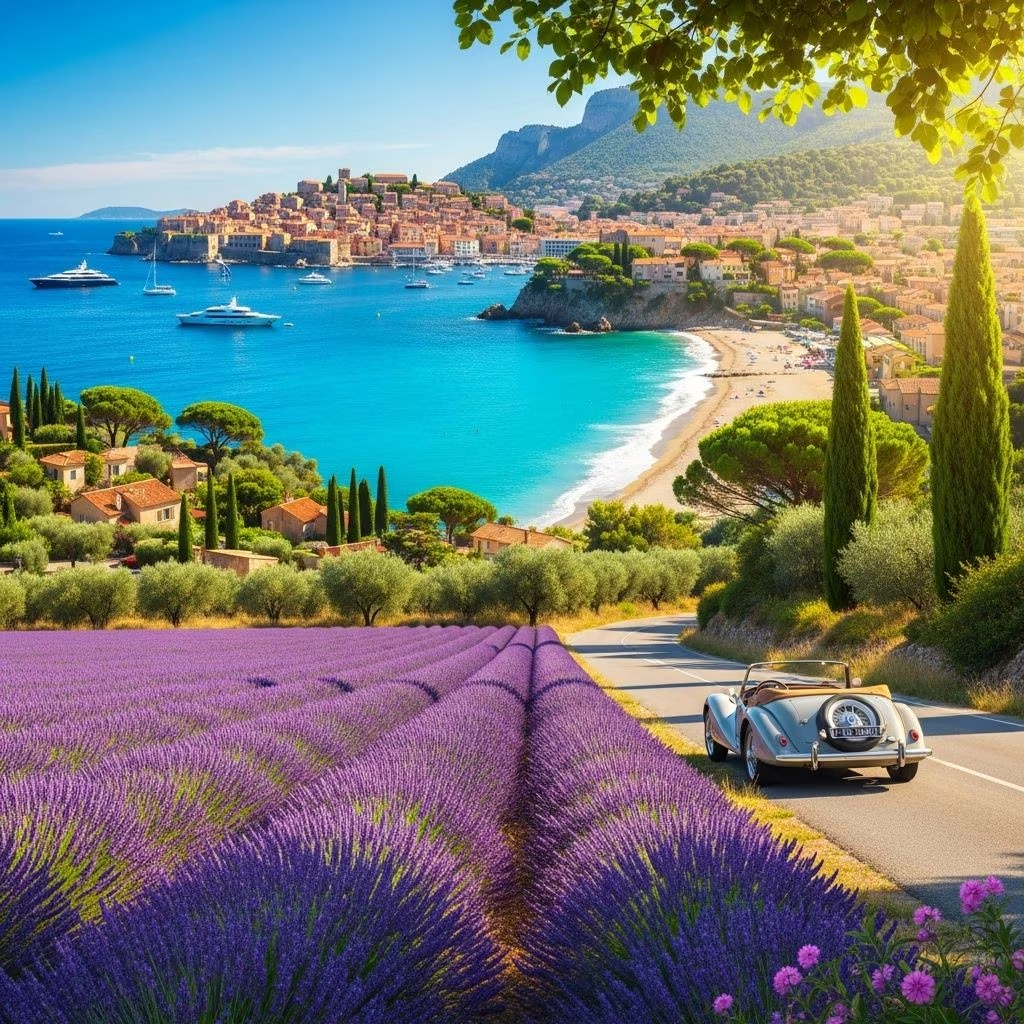
From sun-drenched lavender fields and ancient Roman ruins to dazzling Mediterranean beaches and iconic hill towns, Provence and the French Riviera present a vibrant tapestry of history, art, cuisine, and natural beauty. This guide explores the region’s essential experiences, the best places to visit, itineraries for every traveler, practical travel tips, and important cultural insights to ensure a memorable and rewarding journey through southern France.
Why Visit Provence & The French Riviera?
- Cultural riches: Home to ancient Roman arenas, medieval ramparts, and the legacy of Van Gogh, Cézanne, and Picasso.
- Stunning landscapes: Rolling vineyards, wild rivers, cliff-hugging villages, and scenic coastlines bathed in luminous southern light.
- Gastronomy and wine: World-class wines, colorful farmers’ markets, and Provençal specialties like bouillabaisse, ratatouille, and tapenade.
- Easy exploration: Accessible by train, bus, or car, with charming towns and diverse sights clustered close together.
Core Regions and Cities of Provence & The French Riviera
Arles
Known for its well-preserved Roman ruins, lively markets, and artistic heritage (famously favored by Van Gogh), Arles is a quintessential Provençal city. Wander through its Roman amphitheater, explore the Café Van Gogh, and immerse yourself in the city’s vibrant street life.
Avignon
This walled city beckons visitors with the imposing Papal Palace, medieval bridges, and bustling squares. Nearby attractions include:
- Nîmes: Renowned for its ancient Roman arenas and temples.
- Pont du Gard: A breathtaking Roman aqueduct spanning the Gardon River.
- Uzès: A pretty market town with Renaissance architecture.
Day Trips from Arles and Avignon
- Les Baux-de-Provence: A dramatic cliff-top village with panoramic views and medieval ruins.
- St-Rémy-de-Provence: Van Gogh’s former sanctuary, surrounded by ancient Roman sites and cypress groves.
- Camargue: A wild delta famous for white horses, pink flamingos, and bullfighting traditions.
Côtes du Rhône Wine Region
Wind through terraced vineyards and riverside villages producing some of France’s most celebrated wines. Notable stops include:
- Orange: Historic theater and triumphal arch.
- Châteauneuf-du-Pape: Iconic wine village renowned for its bold reds.
- Vaison-la-Romaine: Roman ruins and weekly markets.
- Côtes du Rhône Wine Road: Charming towns like Séguret, Crestet, Suzette, and Gigondas offer cellar tours, tastings, and scenic drives.
Hill Towns of the Luberon
The Luberon Valley is dotted with atmospheric villages and dramatic landscapes:
- Isle-sur-la-Sorgue: Canals, antique markets, and waterside cafés.
- Roussillon & Joucas: Famous for ochre-hued cliffs and colorful houses.
- Gordes: A stone-built village perched atop rugged hills with sweeping views.
- Buoux & Lourmarin: Off-the-beaten-path historical sites and tranquil village squares.
Marseille
France’s oldest city and Mediterranean port, Marseille offers lively harbors, fresh seafood, rich multicultural heritage, and outstanding museums like MuCEM. Don’t miss the iconic Notre-Dame de la Garde basilica for panoramic views.
Cassis
A picturesque fishing town famed for dramatic calanques (limestone inlets), pebbly beaches, and friendly waterfront cafés. Enjoy boat trips, hiking, and the game of pétanque in sun-filled squares.
Aix-en-Provence
Birthplace of painter Paul Cézanne, this elegant town is renowned for leafy boulevards, sophisticated shopping, art museums, and leafy squares buzzing with life. The Cours Mirabeau offers an iconic stroll past classical fountains and bustling terraces.
Nice: Capital of the French Riviera
The heart of the Riviera, Nice blends vibrant Mediterranean culture, Belle Époque architecture, and a sun-soaked seafront. Top experiences:
- Promenade des Anglais: Beachside stroll lined with palaces and palm trees.
- Vieux Nice: Old Town’s narrow lanes, flower markets, and lively bistros.
- Museums: Matisse Museum, Chagall Museum, and Modern Art Gallery.
Villefranche-sur-Mer
This pastel-hued coastal village, nestled between Nice and Monaco, charms with its peaceful harbor, memorable seafood, and medieval streets ideal for leisurely explorations.
Monaco & Nearby Sights
- Monaco: Glamorous city-state featuring the Casino, Prince’s Palace, exotic gardens, and luxury yachts.
- The Three Corniches: Cliff-top drives connecting Cap Ferrat, Eze-le-Village, and Le Trophée des Alpes, each offering stunning panoramic sea views.
- Menton: The ‘lemon capital’ dotted with baroque architecture and tranquil gardens.
Antibes, Cannes & St-Tropez
- Antibes: Picasso Museum, historic ramparts, and a lively marina.
- Cannes: Host of the famed film festival with glitzy hotels, beaches, and a historic old town.
- St-Tropez: Glittering harbor, chic boutiques, and legendary nightlife.
Inland Riviera
- St-Paul-de-Vence: Walled village beloved by artists, featuring world-class galleries and the prestigious Fondation Maeght.
- Vence: Home to Matisse’s Rosary Chapel and tranquil central square.
- Grasse: Birthplace of French perfume, offering fragrant museum tours and workshops.
- Grand Canyon du Verdon: Europe’s largest gorge, attracting hikers, kayakers, and scenic drivers.
Practical Information for Travelers
Self-Guided Walks & Museum Tours
- Local walking routes and museum tours are abundant, allowing travelers to discover hidden corners at their own pace. Premium sites offer audio guides and maps in English.
Planning Your Trip
- Best time to visit: Spring and early fall boast mild weather, open sights, and fewer crowds.
- Pre-trip checklist: Book accommodations early in popular villages, review public transit schedules, and plan key stops to match opening days/hours.
- Festivals and holidays: From bullfights in Arles to Avignon’s Theatre Festival and Cannes Film Festival, local celebrations offer vivid windows into regional culture.
- Recommended books and movies: Enhance your experience with regional literature (Peter Mayle, Marcel Pagnol) and films (Jean de Florette, The Swimming Pool).
Sample Two-Week Provence & French Riviera Itinerary
| Day | Main Activity | Overnight |
|---|---|---|
| 1-2 | Fly into Nice, walk Promenade, explore Old Town & museums | Nice |
| 3 | Villefranche-sur-Mer, Cap Ferrat, Monaco | Nice |
| 4 | Drive inland: Vence, St-Paul-de-Vence, Grasse | Vence/Grasse |
| 5-6 | Grand Canyon du Verdon, Moustiers-Ste-Marie | Moustiers-Ste-Marie |
| 7 | Hill towns of Luberon: Gordes, Roussillon, Lourmarin | Luberon village |
| 8-9 | Arles, day trip to St-Rémy, Les Baux, Camargue | Arles |
| 10 | Avignon, Pont du Gard, Nîmes | Avignon |
| 11-12 | Marseille, Cassis, Calanques | Cassis |
| 13-14 | Cannes, Antibes, St-Tropez, fly from Marseille or Nice | Nice/Marseille |
Transportation
- By car: Provides maximum flexibility and allows easy access to hill towns and rural sights.
- By train/bus: Reliable for coastal and major urban centers; note reduced service on Sundays.
- Local city transit options (metros, trams, ferries) facilitate urban exploration.
Managing Logistics
- Carry easy-to-follow region maps.
- Money and payments: Card usage is widespread, but keep cash for markets and small cafés.
- Accommodation: Reserve early in tourist hotspots like Nice, Gordes, and Cassis.
- Communication: Learn basic French phrases; ensure your phone plan covers data and roaming.
- Emergencies: Regional hospitals and pharmacies are well-equipped; emergency numbers posted in hotels and tourist offices.
Culture & Cuisine
- Indulge in Côtes du Rhône wines with vineyard visits and tasting sessions.
- Try local specialties: bouillabaisse (seafood stew), aïoli (garlic mayonnaise), Provençal tarts, and fruity olive oils.
- Markets brimming with lavender, sunflowers, olives, and artisanal cheeses are open weekly in most towns.
- Cooking courses are available for enthusiastic foodies looking to master Provençal recipes.
- The region’s famed mistral wind and luminous sunlight continue to inspire painters and photographers worldwide.
Family and Shopping
- Traveling with kids? Many sights are accessible and engaging (arenas, aqueducts, beaches); look for family-friendly activities and accommodation.
- Shopping highlights include Provençal linens, perfumes from Grasse, handmade ceramics, and local wines.
French Survival Phrases
- Bonjour! (Hello!)
- Merci (Thank you)
- Où est…? (Where is…?)
- Combien ça coûte? (How much does it cost?)
- Parlez-vous anglais? (Do you speak English?)
Frequently Asked Questions (FAQs)
Q: What is the best time to visit Provence?
A: Spring (April–June) and autumn (September–October) offer mild weather, open sights, and fewer crowds. The lavender blooms peak in late June to July.
Q: Do I need a car to visit the region?
A: While major destinations are accessible by train and bus, having a car is helpful for exploring hill towns, rural drives, and hidden sights off the tourist trail.
Q: Are English speakers widely understood?
A: Most tourist-facing staff speak basic English, especially in larger cities. Learning courtesy phrases in French goes a long way.
Q: What local foods should I try?
A: Don’t miss bouillabaisse, ratatouille, tapenade, fresh seafood, Côtes du Rhône wines, and caramelized fruit tarts from local markets.
Q: Are the region’s museums and sights family-friendly?
A: Yes, most sights offer family rates and special child-focused guides. Roman arenas, parks, markets, and beaches are especially enjoyable for families.
References
- https://store.ricksteves.com/shop/p/provence-guidebook
- https://www.ricksteves.com/watch-read-listen/video/tv-show/provence-legendary-light-wind-and-wine
- https://www.ricksteves.com/europe/france/provence-french-riviera-itinerary
- https://www.ricksteves.com/watch-read-listen/video/travel-talks/provence-french-riviera
- https://www.ricksteves.com/europe/france/provence
- https://community.ricksteves.com/travel-forum/france/provence-d49c5156-25e5-45a9-bc18-e22b9c24199b
- https://www.ricksteves.com/watch-read-listen/video/aix
- https://community.ricksteves.com/travel-forum/france/provence-and-the-french-riviera-ff47a615-f1cb-4001-8906-43eb1218caad
- https://www.youtube.com/watch?v=1lnOMMnjzYQ