Barcelona: The Creative Capital of Catalonia
Barcelona is a city defined by contrasts: ancient Roman walls flank cutting-edge modern art, bustling boulevards give way to intimate alleyways, and a distinct Catalan identity threads through cosmopolitan European flair. Resting between mountains and the Mediterranean, Barcelona pulses with creativity, expressive architecture, and a zest for life that captures every visitor’s heart.
The Historic Heart: Barri Gòtic and Origins of Barcelona
The Barri Gòtic (Gothic Quarter) forms Barcelona’s roots, where medieval passageways weave around imposing stone facades. The Barcelona Cathedral soars over leafy plazas and ancient columns hint at the city’s Roman origins. It’s a hauntingly beautiful district perfect for wandering; every turn offers a glimpse of Catalonia’s layered past.
- Plaça del Rei: A hub of Gothic elegance, housing the Barcelona History Museum and revealing underground Roman ruins.
- Barcelona Cathedral: Renowned for its intricate spires and evocative chapels, anchoring the neighborhood.
- Picturesque plazas and bustling cafés set a lively pace, while timeworn streets evoke centuries of change.
The Bohemian Edge: El Born (La Ribera)
Step east of the Gothic Quarter and discover El Born—also called La Ribera. Once the artisans’ quarter, today it’s a canvas of creativity and cool, blending tradition and trendiness.
- Funky boutiques, contemporary galleries, and local artisans keep each block energetic and inventive.
- The Picasso Museum offers a deep dive into the master’s formative years, housed in medieval mansions.
- Upscale cafés and wine bars serve locally-inspired tapas with modern flair.
- The Santa Caterina Market features a dazzling, wavy roof inspired by Gaudí, housing stalls brimming with produce and Catalan specialties.
- Santa Maria del Mar: An iconic Catalan Gothic church built by the labor of medieval wealth and ambition, famed for its elegant lines and stained glass.
Barcelona’s Living Room: La Rambla
Running from the city’s central hub at Plaça de Catalunya down to the waterfront, La Rambla is Barcelona’s best-known promenade—a tree-shaded boulevard alive with street artists, spontaneous performers, and the daily dance of locals and travelers alike.
- Human statues, newspaper kiosks, and flower stalls create a carnival-like atmosphere.
- The landmark Mercat de la Boqueria entices with vibrant fruit stands, fresh seafood, and traditional Catalan delicacies.
- Historic gran theaters and period cafés frame the stroll, while tucked-away courtyards offer cool respite.
The Modernista Masterpiece: Eixample
North of the Old City, the grid-patterned Eixample district radiates modern elegance. Established in the 19th century, it’s a showcase for Barcelona’s most celebrated architectural movement—Modernisme. The creative explosion of this era, inspired by nature and the avant-garde, gave the world some of its most unusual and beautiful buildings.
- Block of Discord (Illa de la Discòrdia): A striking stretch featuring the contrasting visions of iconic architects—most famously Gaudí, Domènech i Montaner, and Puig i Cadafalch.
- Casa Batlló: Fantastical, with a dragon-inspired rooftop and shimmering mosaic façade.
- Casa Amatller: Inspired by Flemish Gothic style, right next to Gaudí’s masterpiece.
- Casa Milà (La Pedrera): Gaudí’s stone quarry-inspired wonder, with undulating balconies and a fantasy-filled rooftop landscape.
- Palau de la Música Catalana: A jewel of Modernista design inside and out, recognized both for its flamboyant stained glass and world-class acoustics.
The area stands apart for its wide avenues, chamfered corners, and air of cosmopolitan refinement—making it a favorite for exploring on foot and admiring both architecture and the local pulse.
The Unfinished Icon: Sagrada Família
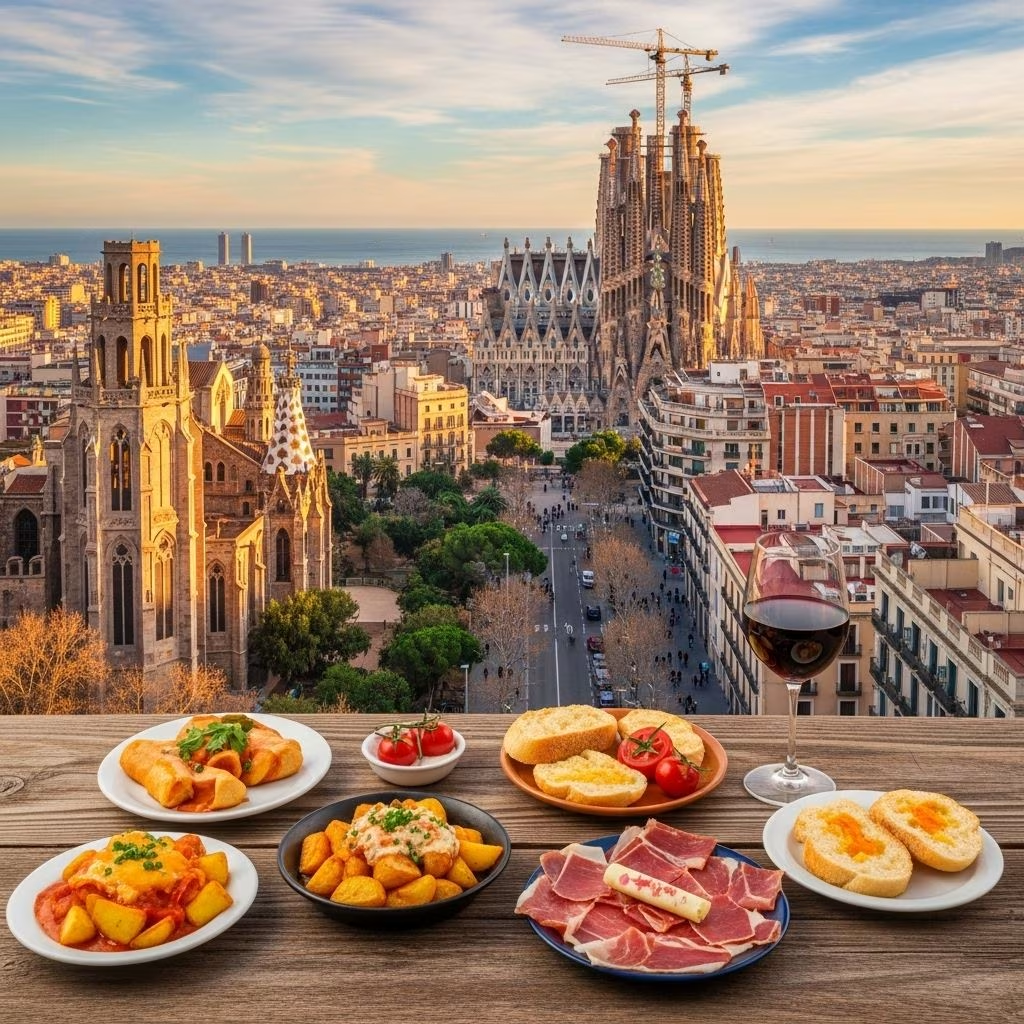
No visit to Barcelona is complete without standing in amazement before La Sagrada Família. Antoni Gaudí’s most ambitious project, this colossal basilica reimagines church architecture for the modern age.
- Vivid Nativity Facade: Inspired by nature, it is a visual maze of symbolism and storytelling.
- Towering spires: Meant to evoke both the peaks of Montserrat and aspirations toward the sky.
- Still under construction after more than a century, it is a living testament to Catalan artistry and devotion.
The church’s interior, bathed in colored light filtering through stained glass, surrounds visitors with a feeling of wonder and transcendence.
Art and Innovation: Museums and Cultural Hotspots
Barcelona nurtures a powerhouse art scene that draws deeply not only from its medieval roots but also from its Modernista heyday and restless avant-garde.
- Museu Picasso: Charting the evolution of Picasso from childhood prodigy to creative revolutionary, it holds many early works and studies that reveal his emerging genius.
- Fundació Joan Miró: On Montjuïc Hill, Miró’s museum is a bright shrine to surrealism, filled with playful sculpture and colorful abstraction.
- MNAC (Museu Nacional d’Art de Catalunya): Poised grandly on Montjuïc, it offers an unparalleled Romanesque art collection, Catalan masterpieces, and spectacular city views.
- Frederic Marès Museum: Quirky, with an eclectic trove of sculpture and oddities from 19th-century Barcelona.
- CaixaForum: This cutting-edge cultural space, housed in a former textile factory, hosts provocative contemporary exhibitions and events.
Markets and Food: Tapas, Tradition, and a Taste of Catalonia
Eating in Barcelona blends mediterranean abundance with inventive Catalan techniques. The city’s markets are a feast for the senses and the source of Barcelona’s world-famous cuisine.
- Mercat de la Boqueria: Both a tourist landmark and working market, it’s the perfect spot for sampling jamón, local cheeses, and sweet fruit juices.
- Santa Caterina Market: Contemporary design meets old-world flavors. Try the cured meats, local olives, and artisanal breads.
In neighborhood bistros and tapas bars, enjoy specialties such as:
- Pa amb tomàquet: Bread rubbed with tomato, drizzled with olive oil and salt.
- Bombas: Potato croquettes, often spicy and addictive.
- Esqueixada: A shredded cod salad with tomatoes and black olives.
- Catalan crema: A rich local custard dessert, caramelized on top.
Dining is as much a social event as a meal—tapas are shared, wine is poured generously, and meals stretch happily into the night.
The Artistic Soul: Picasso, Miró, and Dalí
Barcelona’s legacy is spotlighted by three giants of modern art:
- Pablo Picasso: Though originally from Málaga, Picasso spent his formative years in Barcelona. The city’s creative freedom was formative for his audacious vision, and many of his early works reside in the Museu Picasso.
- Joan Miró: Born and raised in Barcelona, Miró’s colorful, playful art and sculpture reflect the city’s energy. His foundation on Montjuïc celebrates innovative forms and ideas.
- Salvador Dalí: Though best associated with nearby Figueres and Cadaqués, Dalí’s provocative artistry and playful surrealism deeply influence the Catalan spirit. Visitors can side-trip to his surreal museum and home on the Costa Brava.
The artistic DNA of these visionaries phrases not just an appreciation of art, but a spirit of freedom and imagination that typifies Barcelona itself.
Festivals, Dance, and Street Life
The Catalan love of celebration and community is apparent on every plaza and boulevard.
- Festes and Parades: Nearly every month, streets come alive with music, fireworks, and dance, the most famous being La Mercè in September, when the whole city ignites in festivities.
- Sardana Dance: An emblematic tradition where locals join hands in circles, swaying to a live band, symbolizing unity and Catalan pride.
- Street Performers: Particularly along La Rambla and the waterfront, mimes, musicians, and living statues animate daily life.
Natural Escapes: Montjuïc, Beaches, and Urban Green
Beyond the city’s architectural wonders, Barcelona prizes its green spaces, breezy beaches, and accessible mountainside retreats.
- Montjuïc Hill: A centerpiece for panoramic city views, it’s dotted with museums, gardens, a castle, and the legacy of the 1992 Olympics.
- Barceloneta Beach: Once a working fishermen’s quarter, now a lively urban beach perfect for sunbathing, sports, and seafood feasts.
- Park Güell: Another Gaudí masterpiece, blending colorful mosaics, whimsical structures, and lush vegetation—offering idyllic strolling and sweeping views.
Day Trips: Montserrat and the Costa Brava
Barcelona’s setting makes it a launch pad for remarkable excursions:
- Montserrat: This dramatic mountain, crowned by a Benedictine monastery, is a site of pilgrimage and natural beauty, famous for the Black Madonna and a boys’ choir tradition.
- Costa Brava: Rugged coastline dotted with charming towns like Figueres (home to the Dalí Theatre-Museum) and Cadaqués—a favorite of artists for its light and tranquility.
These side trips exemplify the cultural and geographic diversity just outside city limits.
Essential Barcelona Travel Tips
- Getting Around: Barcelona’s metro system is efficient and affordable. The city is also very walkable, especially the Old City and Eixample.
- Language: While Spanish is widely spoken, Catalan dominates in most signage and local conversation. Learning a few phrases is always appreciated.
- Timing Your Visit: Spring and fall offer pleasant weather without summer’s heat and crowds.
- Respect Local Customs: Dinner is typically eaten late. Don’t be surprised if locals dine after 9 p.m. or linger over coffee until midnight.
Frequently Asked Questions (FAQs)
Q: What is Modernisme and why is it so important in Barcelona?
A: Modernisme is a Catalan cultural and artistic movement from the late 19th and early 20th centuries, similar to Art Nouveau. It’s especially significant in Barcelona, where architects like Antoni Gaudí and Lluís Domènech i Montaner designed landmarks such as Sagrada Família, Casa Batlló, and Palau de la Música Catalana. Their works give the city its unique architectural character.
Q: Are the beaches in Barcelona suitable for swimming?
A: Yes, Barcelona’s beaches, especially Barceloneta, are popular for swimming and sunbathing. These are urban beaches with safe swimming areas, cafes, and a lively atmosphere.
Q: What is the significance of Catalan identity in Barcelona?
A: Catalan identity is deeply rooted in the city’s language, cuisine, traditions, and festivals. Many locals identify as Catalan first, expressing pride in their distinct heritage, history, and creative spirit, which influences every aspect of life in Barcelona.
Q: Which museums should not be missed by art lovers?
A: The Picasso Museum, Fundació Joan Miró, and the Dalí Theatre-Museum (in nearby Figueres) are must-sees. Each offers deep insight into the evolution of modern art and the artists’ connections to Barcelona and Catalonia.
Q: How many days should a traveler spend in Barcelona?
A: To see the highlights—Old City, Eixample, Sagrada Família, key museums, and nearby day trips—a stay of 3 to 5 days is recommended, but the city rewards extended exploration.
References
- https://www.youtube.com/watch?v=yiabIQ-KlZU
- https://www.ricksteves.com/watch-read-listen/video/tv-show/barcelona-and-catalunya
- https://www.ricksteves.com/europe/spain/barcelona
- https://www.ricksteves.com/watch-read-listen/read/articles/barcelona-vibrant-and-spirited
- https://www.ricksteves.com/watch-read-listen/read/articles/barcelona-a-visual-feast
- https://www.youtube.com/watch?v=9LXgqrDaULs
- https://community.ricksteves.com/travel-forum/spain/barcelona-gaudi-day-monsteratt-rick-s-walks
- https://www.ricksteves.com/europe/spain/barcelona-itinerary
- https://www.ricksteves.com/watch-read-listen/video/barcelona-beaches