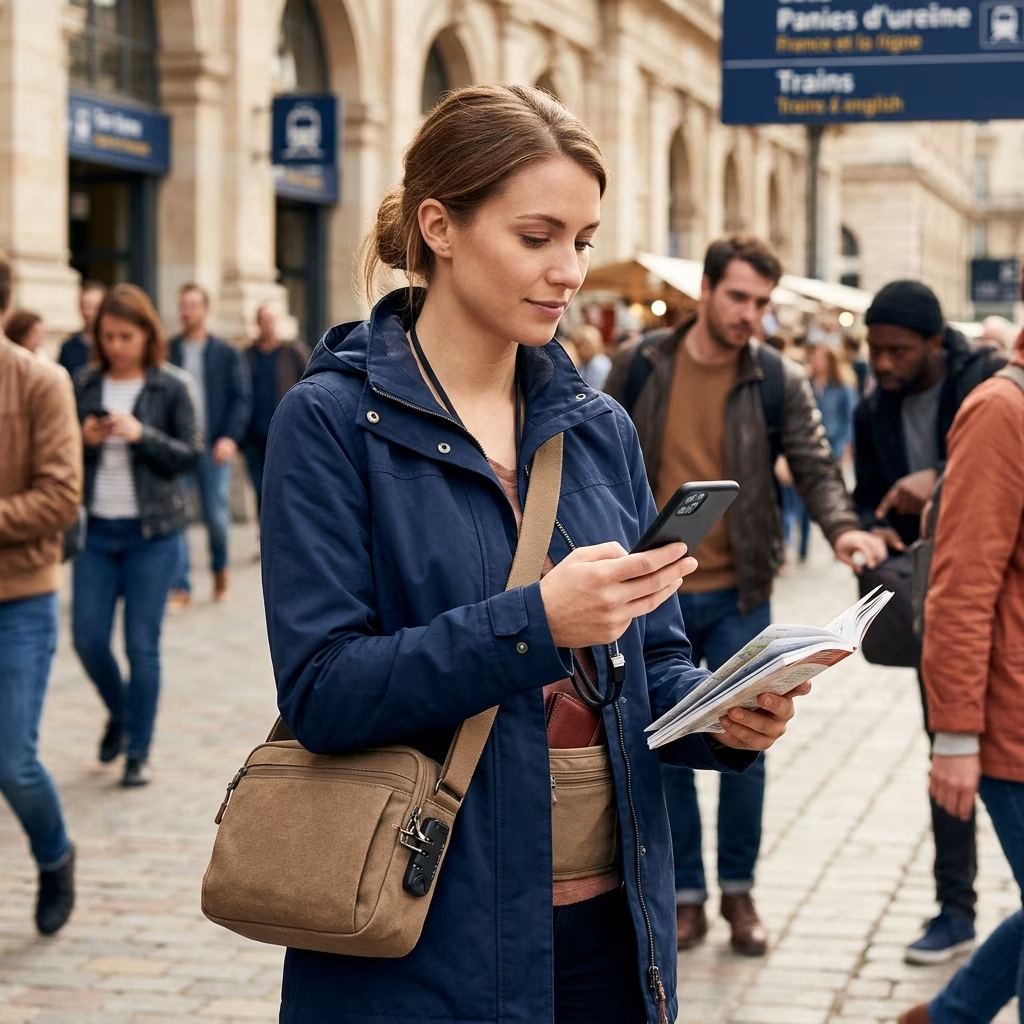
Outsmarting Pickpockets: Essential Travel Strategies to Protect Your Valuables
Traveling abroad opens the door to unforgettable experiences, yet it also exposes us to certain risks—most notably, pickpocketing. Tourist hotspots in Europe and beyond remain a favorite hunting ground of cunning thieves, particularly when travelers let their guard down amid the excitement of foreign adventures. Drawing upon Rick Steves’ expert guidance, this article delves into core strategies, common scams, and practical advice for securing your belongings and maintaining peace of mind on the road.
Why Pickpocketing Is a Persistent Threat
Pickpockets thrive where crowds gather—public transport hubs, busy streets, popular attractions, and festive events. Their methods are sophisticated and their targets are often tourists because travelers carry money, passports, and electronics. However, by understanding thieves’ tactics and consistently practicing preventative measures, you can dramatically reduce your risk of falling victim during your travels.
Stay One Step Ahead: Foundational Rules for Outsmarting Pickpockets
- Be aware of your surroundings: Remain alert in crowds or on public transport. Know who is near you and what they’re doing, as pickpockets exploit distractions and confusion.
- Travel light and limit valuables: Carry only what you need each day. Leave passports and excess money secured in your hotel, rather than on your person.
- Use secure methods to store valuables: Adopt money belts or neck pouches worn under clothing, making it nearly impossible for thieves to access your essentials unnoticed.
- Don’t be lured by crowds or commotions: Avoid incidents or sudden gatherings—they might be staged distractions to facilitate theft.
- Question appearances and avoid assumptions: Don’t judge by looks; children, elderly, or people in uniforms can all be part of a scam.
Common Pickpocket Scams: How They Work and How to Respond
Understanding the most frequent pickpocketing schemes is key to noticing and evading traps before your wallet disappears.
- Distraction Techniques: Thieves stage false incidents—dropping objects, creating spills, or drawing attention with loud altercations. While your attention shifts, their accomplice moves in for the theft.
- Street Performers and Cardboard Signs: Groups, often children, may crowd around with signs or sell trinkets to engage and distract. The chaos is prime ground for picking pockets.
- Sudden Helpfulness: Someone may offer unsolicited aid—at ATMs, on trains, or with luggage. Their helpful facade often masks an intent to steal or gather information about your belongings.
- Fake Uniforms and Impersonation: Thieves dress as police, transport staff, or other authority figures to lower your guard. Always verify before handing over anything or following instructions from strangers.
- Pushy Free Gifts or Forced Exchanges: Individuals may press objects into your hands, then demand payment or use the distraction to pickpocket. Politely refuse unsolicited items or offers.
Pack Smart: Minimize Consequences if Theft Strikes
- Copy Important Documents: Bring photocopies of your passport, visa, and crucial credit cards, storing originals and copies separately.
- Carry Multiple Payment Methods: Stash a backup credit card or small reserve of cash in a concealed location, like a hidden pocket in your luggage.
- Take Only Daily Essentials: Limit what you keep in wallets or everyday bags—just enough for the day’s expenses. Store the remainder in secure hotel spots, like locked luggage or safes.
- Use Zippered Bags and Pockets: Avoid open or easily accessible bags. Crossbody bags with locking zippers worn in front are preferable to backpacks or back pockets.
Choosing Your Money Belt or Security Pouch
Rick Steves recommends money belts and neck pouches as the gold standard for keeping valuables secure:
- Money Belt: A thin, flat pouch worn under clothes, secured around the waist. Great for passports, credit cards, most cash, and small valuables.
- Neck Pouch: Similar function, worn around the neck and tucked under the shirt; suited for those who prefer upright storage.
- Concealed Wallets: Hidden wallet options strapped to ankles or thighs exist, but can be less convenient and harder to access.
- Decoy Wallet: Some travelers carry a small wallet with minor cash to surrender if threatened. The majority of valuables stay hidden elsewhere.
Hotel Safety: Where to Keep Valuables While Traveling
While hotel room theft is rare, it’s wise to secure valuables properly:
- Lock in-room safes or luggage: Store passports, extra cash, and electronics in room safes (if available) or locked bags. If neither is available, hide items out of sight—in drawers, closets, or other discreet spots.
- Don’t tempt staff: Never leave electronics or valuables openly displayed in your room; conceal tablets, cameras, and jewelry when leaving.
- Record serial numbers: Take photos or write down serial numbers for expensive electronics, aiding recovery or insurance claims should they disappear.
Public Transit: Staying Safe on the Move
Pickpockets target travelers on buses, subways, and trains—especially at crowded stops and during rush hours.
- Remove backpacks: Always take your backpack off when using public transit, holding it in front of you and keeping one hand on it.
- Maintain control of bags and wallets: Never leave valuables in back pockets, backpacks, or purse pockets that you can’t see. Front pockets or closely guarded bags are safest.
- Keep your hand on your wallet: When traveling through crowded areas, rest a hand on your wallet or bag at all times.
- Be wary of transit distractions: If an incident unfolds (someone drops something, falls, appears in distress), protect your belongings before offering help.
Dress and Behave Like a Local
Tourist cues—daypacks, branded guidebooks, flashy clothing—make you stand out to pickpockets. Blending in and adopting local habits can reduce your risk:
- Dress conservatively: Avoid conspicuous accessories and seek neutral, inconspicuous clothing.
- Minimize visible valuables: Leave expensive jewelry and electronics concealed unless needed.
- Ignore hard-luck stories: Don’t engage with persistent beggars or those pressing you with emotional tales—they might be part of a theft group.
- Side-step travel stereotypes: Even those dressed as tourists (with daypacks, cameras, guidebooks) can be scammers—always remain vigilant regardless of appearances.
Responding to Theft: What to Do If You’re Targeted
No preparation is foolproof. Should you become a pickpocket victim, act quickly to minimize damage and preserve your trip.
- Report theft immediately: Notify local authorities and secure a police report for insurance or replacement documentation.
- Cancel stolen bank cards: Phone your bank providers to freeze or replace cards.
- Contact your embassy: Lost passport? Seek assistance from your country’s embassy to obtain a replacement or emergency travel document.
- Inform your hotel: Some accommodation staff may offer help or security advice if theft occurs nearby.
Essential Packing List for Secure Travel
- Money belt/neck pouch
- Photocopies of important documents
- Minimal daily cash
- Zippered crossbody bag
- Back-up credit card
- Decoy wallet (optional)
Quick-Reference Table: Common Pickpocket Scams & How to Counter Them
| Scam Type | Description | Prevention Tip |
|---|---|---|
| Distraction | Staged incident or spill | Stay alert, guard valuables first |
| Fake Uniform | Imposter as police/official | Verify identity, hold onto valuables |
| Children Groups | Cardboard signs, trinket sellers | Keep distance, ignore distractions |
| Sudden Helpfulness | Offers aid at ATM or stations | Politely refuse, secure belongings |
| Forced Gifts | Presses items into your hand | Decline firmly, move away |
Frequently Asked Questions (FAQs)
Q: Are pickpockets really a problem everywhere in Europe?
Yes, pickpockets operate in most major European cities, especially in tourist areas, markets, public transport stations, and crowded events. Staying vigilant is crucial.
Q: Is a money belt uncomfortable or awkward for daily use?
Modern money belts are slim, lightweight, and designed for extended wear. Keeping essentials like passports and bank cards in a money belt offers peace of mind, even if accessing it is slightly less convenient during the day.
Q: Should I avoid public transport due to pickpockets?
Not at all. Public transit is safe when used intelligently. Stay aware, secure your bags, and remove backpacks before boarding to minimize risk.
Q: What should I do if someone approaches me with a ‘free’ item or insists on ‘helping’?
Politely decline unsolicited offers and back away. This tactic is often used to open up access to your pockets or bags.
Q: How can I store my valuables in hotel rooms?
Use in-room safes or lock your items in luggage out of sight. Don’t leave items in plain view where they might tempt sticky fingers.
Proactive Mindset: Outsmarting Pickpockets Is a Habit, Not a Burden
The most effective defense against pickpockets is consistent awareness and smart behavior. Make secure habits second nature—from how you pack, to how you move through crowds, to how you interact with strangers. By employing these strategies and remaining vigilant, you can focus less on threats and more on enjoying your travels worldwide.
References
- https://www.islands.com/1572030/rick-steves-expert-tips-pickpocketed-trip-europe-avoid/
- https://parade.com/travel/how-to-prevent-pickpockets
- https://community.ricksteves.com/travel-forum/italy/how-to-avoid-pick-pockets
- https://johnnyjet.com/rick-steves-got-pickpocketed-in-paris-heres-how-to-prevent-it-from-happening-to-you/
- https://www.ricksteves.com/travel-tips/theft-scams/outsmarting-pickpockets
- https://www.youtube.com/watch?v=IR6Mq55xFrU
- https://classroom.ricksteves.com/videos/safety-and-thieves