Salzburg at a Glance: The Heart of Austria’s Baroque Soul
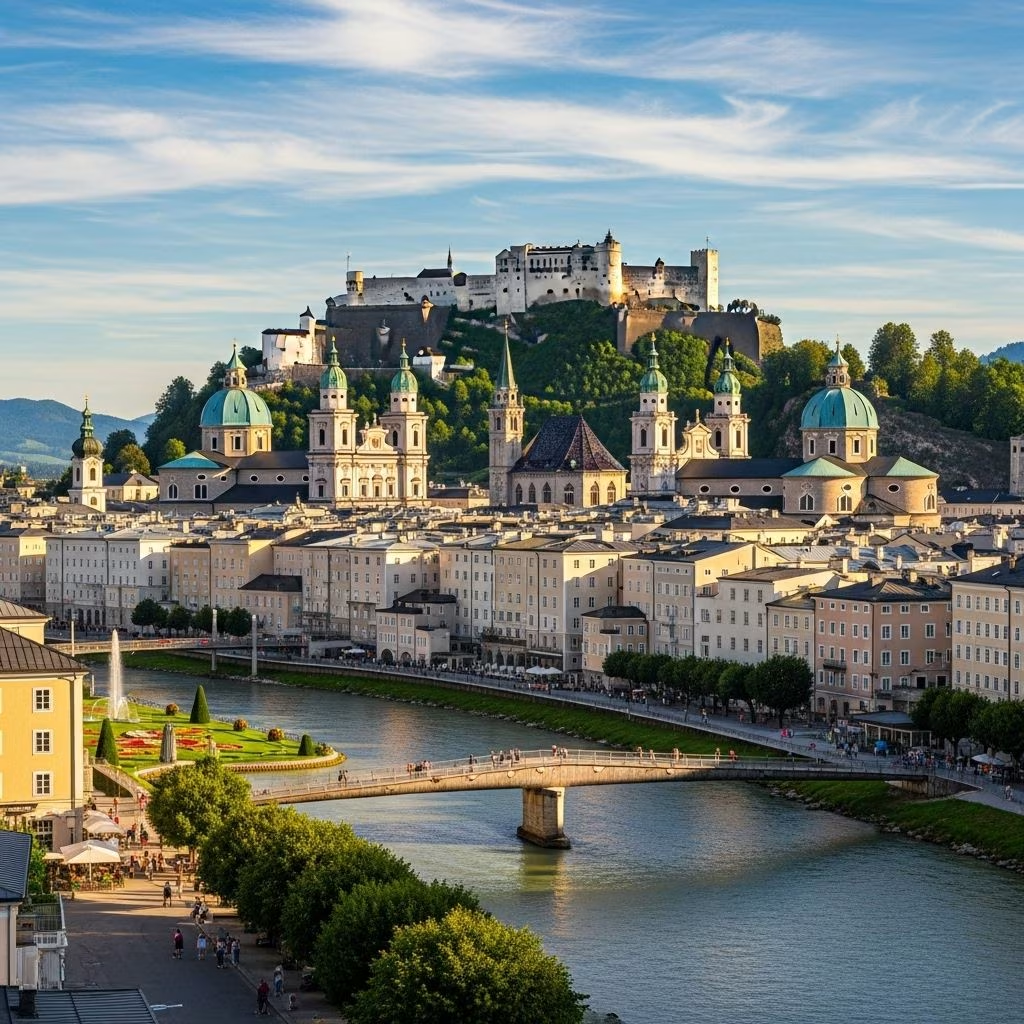
Salzburg, perched on the northern edge of the Alps and bisected by the River Salzach, stands as Austria’s most enchanting city—a place where music, art, and history blend against a dreamy mountain backdrop. Renowned as Mozart’s birthplace and the setting for The Sound of Music, Salzburg offers visitors atmospheric lanes, opulent churches, lively squares, and a world-class fortress looming high above its rooftops.
- Location: Northwestern Austria, near the German border
- Best known for: Baroque architecture, Mozart, fortress, and musical heritage
- Recommended visit duration: 2-3 days for highlights; more for excursions
- Essential experiences: Town walk, fortress tour, Mozart sites, Old Town exploration
- Notable events: Salzburg Festival (summer), Advent and Christmas markets
Orientation: How to Explore Salzburg
The Old Town (Altstadt) is Salzburg’s heart, spearheaded by elegant town squares, labyrinthine medieval alleys, and iconic baroque domes. The River Salzach divides the Old Town from the ‘New Town’—home to Mirabell Gardens and a quieter pace.
- Salzburg Town Walk: The best starting point—a self-guided or audio tour introduces you to the city’s principal sights in a logical, scenic loop.
- Most landmarks and attractions are walkable, with clear signage and inviting streetscapes.
- For unique perspectives, intersperse walking with Mönchsberg lifts or settled city buses.
Salzburg Town Walk Highlights
Rick Steves’ Salzburg Town Walk is the ultimate orientation, blending history with daily life. This stroll showcases key sights:
- Makartsteg Bridge: Picturesque pedestrian bridge with love locks and panoramic views of Salzburg’s skyline.
- Getreidegasse: The bustling, old-world shopping street marked by wrought-iron shop signs and Mozart’s birthplace.
- Universitätsplatz: Vibrant market square surrounded by cafes and produce stands.
- Domplatz and Salzburg Cathedral: The architectural focal point: imposing baroque façade, white-marble interiors, and iconic domes.
- Residenzplatz: Baroque square defined by a grand fountain and entrances to palatial museum complexes.
- St. Peter’s Church and Cemetery: Atmospheric Romanesque church, rococo interiors, and lush, flower-filled graves—the resting place of prominent Salzburgers.
- Alter Markt: Historic market square lined with coffeehouses including the famous Cafe Tomaselli.
- Hohensalzburg Fortress: Towering above town, accessible by funicular or footpath, boasting panoramic views and medieval exhibits.
Key Sights in Detail
Salzburg Cathedral (Dom)
The city’s most magnificent church occupies the center of Old Town. Salzburg Cathedral dazzles with marble columns, harmonious symmetry, and a radiant baroque dome. Inside, find the ornate baptismal font where Mozart was christened, an impressive organ, and elaborate stucco detail. The cathedral’s piazza hosts markets and public celebrations year-round.
Getreidegasse: Salzburg’s Iconic Lane
This medieval street pulses with Salzburg’s commercial history. Getreidegasse is famed for wrought-iron signage, centuries-old guild shops, and pastel facades. Mozart’s birthplace (No. 9) stands among high-end boutiques, gourmet grocers, and traditional sweet shops vending Mozartkugeln chocolates. Slender passageways (Durchhäuser) offer hidden courtyards and artisan finds.
Hohensalzburg Fortress
Europe’s most imposing intact hilltop castle, Hohensalzburg Fortress presents commanding views, historic museums, austere battlements, and venues for classical concerts. Ride the funicular for swift access, or climb on foot for sweeping perspectives. Explore medieval chambers, a quirky marionette exhibit, and the gleaming Golden Hall. Evenings often feature Mozart performances inside fortress walls.
Salzburg Museum
Housed in the New Residenz on Mozartsplatz, the Salzburg Museum is the definitive stop for city history, art, and cultural displays (note: closed for renovation until 2025). Its engaging exhibits narrate Salzburg’s evolution from salt-mining bishopric to cultural epicenter.
Mozart’s Salzburg
- Mozart’s Birthplace: The yellow house at 9 Getreidegasse is the composer’s birthplace, preserved with period instruments, family portraits, and rare manuscripts.
- Mozart’s Residence: Restored home across the river (Makartplatz) where the Mozart family lived after 1773, including a museum detailing the great composer’s creative journey.
- Both houses feature multimedia displays, original letters, and musical artifacts. Concerts are frequently held in historic rooms for an atmospheric experience.
Sound of Music Sights
Salzburg is inseparable from The Sound of Music, with themed tours and iconic locations:
- Mirabell Gardens: Flowering formal parterres where Maria and the children sang “Do-Re-Mi.”
- Leopoldskron and Hellbrunn Palaces: Featured in various film scenes.
- Guided bus or bike tours cover both city and countryside locales: the Nonnberg Abbey, Frohnburg Palace, and Mondsee church.
Mirabell Palace and Gardens
North of the old town, Mirabell Palace is an oasis of baroque gardens—graceful flowerbeds, statues, and playful fountains. The palace hosts evening chamber concerts and wedding ceremonies. The marble staircase and hall are among Austria’s most elegant interiors, with stunning city views from the parterres.
Baroque Sights Beyond the Old Town
- Hellbrunn Palace: Eccentric Italianate summer residence on the city’s southern edge, known for whimsical trick fountains, lavish halls, and serene parkland.
- Panorama Museum: (Closed for renovation) Once known for a stunning 360-degree painting portraying Salzburg in 1829—relocating to Mirabell Gardens’ orangery.
- DomQuartier Museums: A cluster of opulent rooms, galleries, and viewpoints linking the Residenz, Cathedral, and Benedictine St. Peter’s Abbey.
Mönchsberg Walk
For some of Salzburg’s finest vistas, wander the Mönchsberg ridge, accessible by elevator west of Old Town. Trails yield expansive panoramas over spired rooftops, fortress silhouettes, and distant alpine peaks. This area also hosts contemporary art museums and quiet green escapes.
Steingasse: The Old Town’s Hidden Lane
For an atmospheric detour, traverse Steingasse—a narrow, historic cobbled street parallel to the river, once the main trade route into Salzburg. Today it’s a tranquil passage with unique artisanal shops and local pubs, loved for its authenticity and intimate character.
Cemeteries and Churches
- St. Peter’s Cemetery: Lush and peaceful, dotted with ornate ironwork and cliffside niches; the resting place of Mozart’s sister, Nannerl.
- St. Sebastian Cemetery: Baroque garden cemetery near Linzergasse, holding the graves of Mozart’s wife Constanze and father Leopold.
- St. Peter’s Church: Salzburg’s oldest church (dating from AD 696), boasting a beautiful blend of Romanesque structure and Rococo decoration.
Beyond the City: Day Trips and Regional Highlights
Salzburg provides a stellar base for excursions into the surrounding alpine and lake district (Salzkammergut), as featured on guided tours and in local itinerary suggestions:
- Lake Hallstatt: One of Austria’s most photogenic villages, famed for crystal-clear waters, towering mountains, and prehistoric salt mines.
- Farmhouse Stays: Experience rural Austrian hospitality and countryside life in nearby inns and working farms.
- Luge adventures, boat rides, and cycling: Popular options in the surrounding hills and lakes.
Practical Tips for Visiting Salzburg
- Timing: Main attractions can be explored in two full days. Plan an extra day for lake or alpine trips.
- Best season: Spring to early autumn for gardens and festivals; December for enchanting Christmas markets.
- Tickets & reservations: Reserve ahead for fortress concerts, guided Mozart or Sound of Music tours, and popular museum entries.
- Getting around: Salzburg is walkable, with city buses, bikes, and funiculars aiding longer or steeper stretches.
- Food and drink: Sample classic cafés, hearty Tyrolean dishes, crisp local beers, and fine cakes at legendary institutions like Cafe Tomaselli.
- Souvenirs: Mozartkugeln (chocolate marzipan confections), local salt, and hand-painted Easter eggs.
Salzburg for Music Lovers
With over 2,000 live performances spanning baroque to contemporary genres, Salzburg is a world-class destination for music—especially in summer, when the Salzburg Festival floods the city with opera, orchestral, and theatrical events. Even outside festival season, regular recitals are held in opulent halls, grand churches, and the fortress itself.
- Salzburg Festival: Late July to August, attracting global stars and music aficionados.
- Regular concerts: Cathedral, Mirabell Palace, Hohensalzburg Fortress, and local cafes.
- Mozarteum University: Nurtures the next generation of musicians in historic surrounds.
Salzburg Itinerary Table: Sample Three-Day Plan
| Day | Morning | Afternoon | Evening |
|---|---|---|---|
| 1 | Town Walk (Old Town, Cathedral, Getreidegasse) | Hohensalzburg Fortress, St. Peter’s | Dinner in Old Town, Classical Concert |
| 2 | Mirabell Palace & Gardens, Mozart’s Residence | DomQuartier Museums, Sound of Music tour | Café or beer garden evening |
| 3 | Hellbrunn Palace and trick fountains | Lake district or Hallstatt excursion | Return, farewell dinner |
Frequently Asked Questions (FAQ)
Q: What are Salzburg’s absolute must-see attractions?
A: Top sights include the Old Town and Town Walk, Hohensalzburg Fortress, Salzburg Cathedral, Getreidegasse, Mozart’s Birthplace, Mirabell Gardens, and key Sound of Music filming locations.
Q: How much time should I plan for a visit?
A: Two full days allow you to experience all highlights at a relaxed pace. Add a third day for excursions to the lake district or alpine countryside.
Q: What’s the best way to explore Salzburg?
A: On foot—Salzburg’s Old Town and most attractions are clustered and walkable. Guided audio tours or Rick Steves’ Town Walk offer valuable insight and orientation.
Q: Is Salzburg good for families?
A: Absolutely! Children love the fortress funicular, Mirabell Gardens, trick fountains at Hellbrunn, and the city’s musical heritage. Themed tours, playgrounds, and outdoor spaces abound.
Q: When is the best time to visit Salzburg?
A: April to October boasts mild weather, open gardens, and festivals. December brings festive Christmas markets. Crowds are lightest in spring and autumn.
Insider Tips
- Stop at Cafe Tomaselli for coffee and cake in a tradition-filled atmosphere, or try atmospheric beer gardens for hearty local fare.
- Take the Mönchsberg lift for high views with minimal effort, or hike for peaceful panoramas.
- Peek into hidden courtyards off Getreidegasse for authentic artisan shops and tranquil moments.
- Bring home salt from Salzburg’s ancient mining tradition or splurge on hand-crafted classical music souvenirs.
Conclusion: Experience Salzburg’s Magic
Salzburg delivers old-world charm, soaring musical legacy, baroque brilliance, and the kind of beauty that etches itself into memory. Whether following Mozart’s footsteps, humming familiar tunes from the hills, savoring decadent cakes, or simply basking in the city’s riverside splendor, your Salzburg experience will linger long after the journey home.
References
- https://moderatelyadventurous.com/salzburg-rick-steves-town-walk/
- https://www.ricksteves.com/europe/austria/salzburg
- https://www.ricksteves.com/watch-read-listen/video/tv-show/salzburg-and-surroundings
- https://www.youtube.com/watch?v=FcMS8rsIneY
- https://www.ricksteves.com/watch-read-listen/read/articles/a-day-visiting-new-and-old-in-salzburg
- https://community.ricksteves.com/travel-forum/austria/is-salzburg-worth-a-stop
- https://www.youtube.com/watch?v=GXNjKKxT2sk
- https://www.ricksteves.com/watch-read-listen/audio/audio-tours/austria-germany
- https://blog.ricksteves.com/cameron/2016/06/salzburg-get-out-of-town