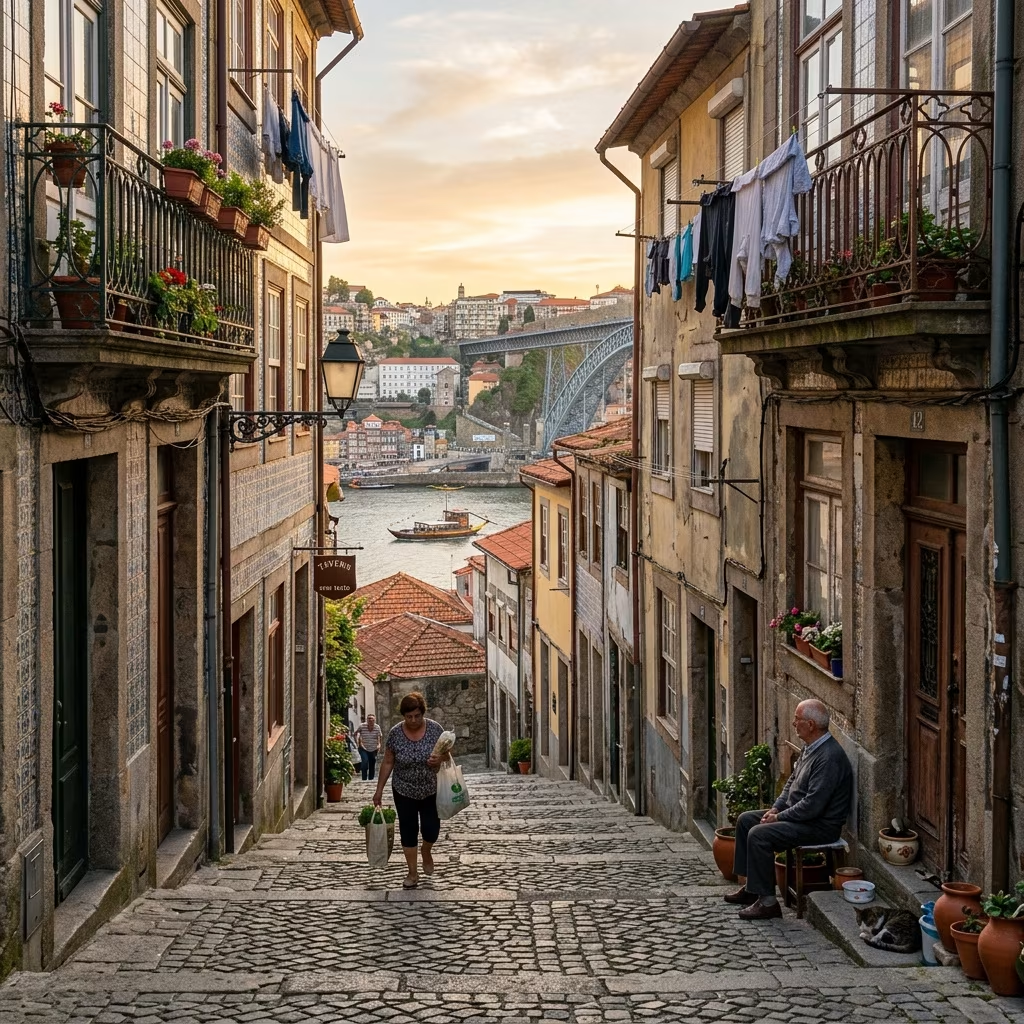
Porto: Discovering Portugal’s Authentic Soul Beyond the Crowds
Portugal’s second city, Porto, perches along the steep granite banks of the Douro River, its colorful riverside facades a shimmering invitation to explore. While Porto has grown in popularity, much of its most evocative magic lies beyond the typical tourist trail—waiting for curious travelers in timeworn neighborhoods, lively riverbanks, atmospheric cellars, and bustling local markets.
The Historic Allure of Porto: Old World Amid Modern Vibrance
Porto possesses an Old World charm that’s as enduring as the barrels aging in its famed port wine lodges. The city’s past as a gritty mercantile hub is still visible in the stone-arched streets and hardworking spirit, yet Porto today is invigorated by a creative energy and youthful, friendly vibe. The result is a vibrant patchwork where medieval towers, contemporary cafés, and artisan workshops coexist in delightful harmony.
- Porto’s riverside location shaped its maritime and trading history.
- Quaint, tile-covered houses rise in a haphazard cascade from the Douro waterfront.
- Centuries-old churches, 18th-century civic palaces, and ornate railway stations add to the sense of historic grandeur.
Unlike sprawling capitals, Porto is compact and easily walkable. Every corner invites curious detours into winding alleys, leafy squares, and hidden viewpoints—each offering a unique slice of local life.
Ribeira: Porto’s Most Picturesque District
If there’s one place where Porto’s spirit is most palpable, it’s along the Ribeira—the ribbed, cobbled riverside quarter whose pastel-colored facades create a painterly backdrop on the Douro’s north bank. Once the heart of Porto’s maritime trade, Ribeira remains a lively meeting place for both locals and visitors.
- Colorful facades line the riverside promenade, interspersed with arcaded taverns and balconied apartments.
- It’s the ideal spot for an aimless afternoon stroll, pausing at sunny cafés to watch boats drift by or to sip a glass of local vinho verde.
- Street musicians, artisans, and riverfront vendors enliven the atmosphere.
- For the best panoramic photo-op, cross Ponte de Dom Luís I to Vila Nova de Gaia and gaze back at the city’s skyline—an unforgettable sight at sunset.
While Ribeira is a tourist draw, its backstreets reveal a quieter, more authentic side. Slip into narrow alleys laced with laundry, where small local shops and tiny restaurants serve up flavors passed down for generations. Here, Porto truly feels timeless.
Beyond the Tourist Path: Hidden Neighborhoods and Local Life
To experience Porto as locals do, venture uphill and inland from Ribeira. The city’s historic maze unfolds in characterful bairros (neighborhoods) brimming with everyday charm and unique discoveries.
Bolhão Market and Surroundings
At the beating heart of Porto lies Mercado do Bolhão, a lively, century-old food market where the rhythms of local life play out amid stalls bursting with produce, seafood, and traditional treats.
- Fishmongers hawk the day’s catch while butchers and bakers sell regional specialties.
- Sample cured ham, olives, or cheeses—or pause for a fragrant bica (espresso) at a local café.
The surrounding streets are dotted with vintage grocers, hardware stores, and family-run pastry shops—each with their own story to tell. Pause to admire Porto’s azulejo (ceramic tile) displays, especially at:
- São Bento Station, whose grand lobby is adorned with historic tile murals.
- Capela das Almas, famous for its blue-and-white scenes of saints and miracles.
Local Haunts in Baixa
Baixa (Downtown Porto) buzzes with energy, packed with boutiques, bookstores, and historic cafés. Make time for:
- Majestic Café: An icon of Belle Époque elegance and the city’s literary scene.
- Livraria Lello: One of the world’s most beautiful bookstores, famed for its carved wood and stained glass.
- Trendy shops, independent galleries, and weekend flea markets that attract Porto’s creative souls.
Douro River: Cruises, Views, and Romantic Experiences
The Douro River is the lifeblood of Porto—its mirror-smooth waters reflecting the city’s vibrant skyline. No visit is complete without a river cruise (often called the “six bridges cruise”), which offer languid views as you drift under Porto’s iconic ironwork bridges.
- One-hour cruises operate frequently from Ribeira, providing stunning city panoramas and a glimpse of traditional rabelo boats once used for transporting wine casks.
- Evening cruises are especially atmospheric as Porto’s skyline glows golden.
After your cruise, linger along the Cais da Ribeira, Porto’s lively quayside, lined with arcades and inviting terraces. Simply relaxing riverside while savoring a local drink captures the leisurely soul of the city.
Vila Nova de Gaia: Port Wine Traditions Across the River
Just across the Douro via the landmark Ponte de Dom Luís I, the neighboring city of Vila Nova de Gaia is home to Porto’s legendary port wine cellars. This is where the city’s signature drink has been aged for centuries, and a tour here is an essential Porto experience.
| Top Port Wine Lodges | Highlights |
|---|---|
| Sandeman | Famous for guided tours and tastings; iconic caped mascot. |
| Taylor’s | Elegant tasting rooms, beautiful Douro views, extensive vintage collection. |
| Graham’s | Historic cellars, informative tours, expert-led tasting flights. |
| Cálem | Interactive museum, fado by night, beginner-friendly tastings. |
- Port wine lodges offer guided tours of ancient warehouses, details on the production process, and generous tastings.
- Sample several port styles—ruby, tawny, white, and reserve.
- Many lodges feature panoramic terraces for sipping while admiring Porto’s skyline across the water.
Devotees of wine may also consider a day trip into the Douro Valley, a UNESCO-listed region renowned for its terraced vineyards and breathtaking scenery.
Culinary Highlights: Savoring Authentic Porto
Porto’s food scene is a mosaic of deep-rooted tradition and innovative flair. From rustic tabernas to stylish restaurants, the city offers flavors to suit every palate and budget.
- Francesinha: Porto’s take on a hot sandwich, covered in cheese and bathed in a spicy sauce. A must-try local specialty.
- Bacalhau (Salt Cod): Prepared in dozens of ways across the city, from grilled fillets to fritters and stews.
- Tripas à Moda do Porto: A storied Porto stew paying homage to the city’s name (“tripe” was once a staple food here).
- Pastéis de Nata: Flaky custard tarts found in nearly every bakery.
- Port wine: Not just an after-dinner drink—try it as an aperitif or paired with savory dishes.
Many top dining experiences can be found within the Ribeira and Gaia districts but don’t overlook smaller local taverns and family-run eateries in neighborhood backstreets.
Walkable Wonders: Famous Landmarks on Foot
Much of Porto’s joy lies in simply wandering. The city’s hills reveal new vistas at every turn, and locals still dominate most of the city’s walkways, ensuring an authentic urban tapestry. Don’t miss:
- Clérigos Tower: Climb the 200-step spiral staircase for epic city views.
- Stock Exchange Palace: Marvel at the dazzling, gilded interiors reflecting 19th-century merchant pride.
- São Francisco Church: Home to elaborate baroque woodwork, often considered one of the finest in Portugal.
- Avenida dos Aliados: Porto’s monumental boulevard, flanked by grandiose architecture and busy cafés.
Interwoven among sights are impromptu street performances, student gatherings, and daily market rituals that lend Porto its lived-in feel.
Seasonal Festivals and Local Traditions
Porto’s calendar is rich with festivals and traditions that bring its communities together and showcase deep Portuguese roots:
- São João Festival (June 23–24): The city’s biggest party—expect street dancing, fireworks, music, and culinary marathons late into the night.
- Periodic fado performances—haunting live music that tells tales of nostalgia and longing.
- Harvest and wine festivals in autumn celebrate the Douro’s grape bounty.
Attending any local celebration is one of the best ways to experience Porto’s exuberance and hospitality.
Insider Tips for Exploring Porto Without the Crowds
- Visit early in the morning or on weekdays to enjoy Porto’s icons with fewer crowds and better light for photography.
- Budget time for unhurried wandering—Porto rewards those who linger and get a little lost.
- Sturdy shoes are essential—the city’s steep, uneven streets can be challenging.
- Use Porto’s vintage trams and funiculars to climb the steeper hills and see hidden corners.
- Seek out local, family-owned restaurants for authentic meals at modest prices.
- For a panoramic picnic, hike to Jardins do Palácio de Cristal for sweeping river views amid manicured gardens.
Frequently Asked Questions (FAQs) About Visiting Porto
Q: What are Porto’s absolute must-see experiences?
A: Don’t miss a stroll along Ribeira, a visit to a port wine lodge in Vila Nova de Gaia, and a river cruise for city views. Climbing the Clérigos Tower and exploring Mercado do Bolhão will round out a quintessential Porto tour.
Q: Is Porto walkable for travelers who don’t enjoy steep hills?
A: Porto is hilly and cobbled, which adds to its charm but can be challenging. Take advantage of public trams, funiculars, and taxis if you need to avoid climbs. The riverfront areas are flatter and easier to navigate.
Q: What is the best time of year to visit Porto?
A: Spring (April–June) and early autumn (September–October) offer perfect weather, vivid city life, and moderate crowds. Summer is festive but busier, while winter is quieter and atmospheric—ideal for indoor pursuits like wine tasting.
Q: Can you visit the Douro Valley as a day trip from Porto?
A: Yes, the Douro Valley is reachable by train, car, or organized day tours. Expect terraced vineyards, wine tastings, and astonishing river vistas.
Q: Besides port, what local drinks should I try?
A: Sample vinho verde (crisp young wine), the coffee-based café com cheirinho, and craft beers emerging from local microbreweries.
Q: Is English widely spoken in Porto?
A: English is commonly spoken in hotels, main attractions, and tourist-facing businesses, though learning a few phrases of Portuguese is always appreciated by locals.
Plan Your Trip: How to Make the Most of Porto
- Most travelers spend 2–4 days in Porto, allowing time for day trips to the Douro Valley or seaside towns.
- Stay centrally in the Baixa or Ribeira districts for walking access to most sites.
- Consider purchasing a Porto Card for public transport and museum entry discounts.
- Allow time to simply wander, linger over meals, and soak in daily rituals—this is where Porto’s magic truly unfolds.
References
- https://www.islands.com/1921580/porto-portugal-ribeira-best-lazy-afternoon-per-rick-steves/
- https://www.youtube.com/watch?v=z33hDgMq39U
- https://www.ricksteves.com/watch-read-listen/video/tv-show/portugal
- https://www.ricksteves.com/europe/portugal/porto
- https://rss.tribunecontentagency.com/websvc-bin/rss_story_read.cgi?resid=202508270900TMS_TRAVELRS_61235_ctnri_20250902
- https://blog.ricksteves.com/blog/category/portugal/page/8/
- https://community.ricksteves.com/travel-forum/portugal/porto-48dcdaf4-aec0-4e6c-8eb2-753cdc0ec4d4