Tangier: Morocco’s Ever-Shifting Cultural Gateway
Welcome to Tangier, a North African port city where swirling histories, exotic encounters, and layers of culture create a living, breathing kaleidoscope. Famed for its strategic location on the Strait of Gibraltar and immortalized by writers and artists, Tangier is where cultural voyeurism comes alive, offering visitors a dazzling spectacle that refuses to be forgotten. It’s a city that, as Rick Steves once noted, makes the Star Wars cantina scene look bland—infused with all the intrigue and unpredictability of a land where continents meet and traditions intertwine.
The City at the Crossroads of Continents
Tangier’s unique atmosphere owes much to its historic role as the threshold between Europe and Africa. A stone’s throw from southern Spain, Tangier has, for centuries, been the first—and sometimes the last—taste of Africa for travelers from the north. This liminality distinguishes Tangier from its Moroccan peers, imparting a quirky cosmopolitanism that draws in those seeking the extraordinary.
- Liminal Gateway: Sitting at the intersection of the Atlantic Ocean and Mediterranean Sea, the city has played a strategic role throughout history.
- Diverse Influences: Rule by Carthaginians, Romans, Portuguese, French, Spanish, and English has woven a dense tapestry of cultural and architectural influences.
- The Arrival Ritual: For many, the journey begins with arrival from Tarifa or Algeciras, Spain, by ferry—ushering travelers from the familiar into the profoundly unfamiliar in less than an hour.
City of Intrigue: From International Zone to Mythic Playground
Tangier’s storied past reads like a script for adventure. The city’s status as an International Zone in the early twentieth century fostered an untamed, permissive era—one that attracted everyone from spies, gamblers, and exiles to beat poets, artists, and outcasts.
- International Zone: Jointly governed by multiple European powers in the twentieth century, Tangier became a legendary city of freedom, tolerance, and intrigue.
- Beat Generation: Artists like Paul Bowles and William Burroughs found refuge here, mingling with locals and expatriates in smoky cafes and riads.
- Spy Capital: Throughout the 1940s and 1950s, Tangier buzzed with diplomats, secret agents, and curious thrill-seekers.
- Crossroads of Identity: The city’s mystical vibe is reinforced by myth; in Greek legend, Hercules is said to have split the continents here.
Medina Magic: Navigating the Labyrinth
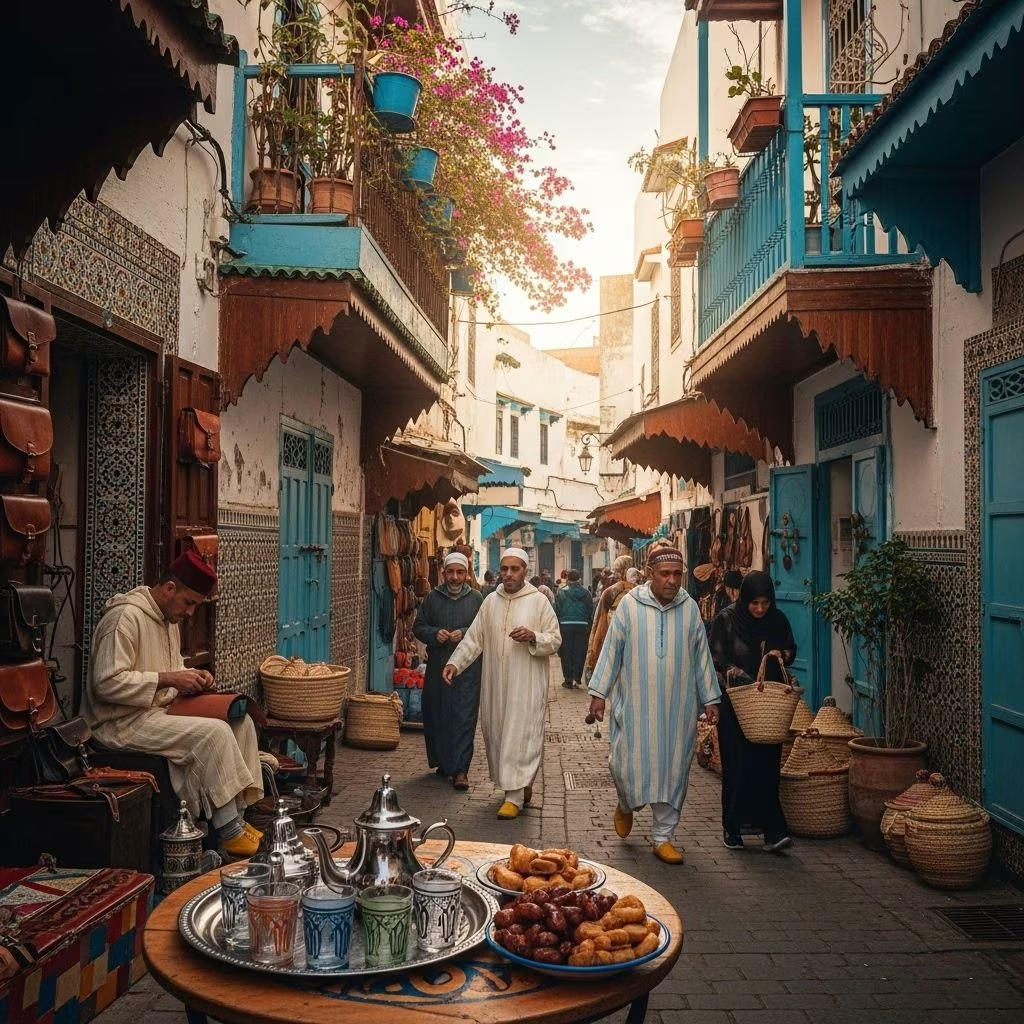
No visit to Tangier would be complete without bustling through the medina—a maze-like quarter that pulses with energy at all hours. Compact and less intimidating than its counterparts in Fez or Marrakesh, Tangier’s Old Town offers an exhilarating, sensory-saturated experience where tradition and modernity coexist.
- Sensory Overload: Wandering its tangled lanes exposes you to every conceivable fragrance, from aromatic mint tea to sizzling grilled sardines and stacks of fresh bread.
- Craft and Commerce: Vibrant souks lure visitors with kaleidoscopic textiles, hammered brass, aromatic spices, and hand-woven baskets, often hawked by persistent but playful vendors.
- Relaxation in Motion: Duck into a riad (guesthouse centered around a tranquil courtyard) or sip tea in old-world cafes bustling with conversation and the haze of shisha smoke.
The Evening Enchantment
In Tangier, the medina truly comes alive after dark. As the searing heat of day gives way to a temperate evening, locals and visitors converge in atmospheric squares and along narrow passages. Here, laughter spills into the night, music drifts through ancient stone, and the city’s mysterious, alluring charm is at its highest pitch.
Beyond the Medina: Modernity and Tradition Side by Side
While Tangier’s modern face gleams in the thriving Ville Nouvelle (New City) and along the rejuvenated seafront, the city does not abandon its roots. Recent upgrades have given rise to upscale restaurants, stylish boutiques, and elegant promenades, yet the warmth and authenticity of Moroccan hospitality remain untouched.
- Urban Evolution: Urban improvement projects have revitalized key neighborhoods, blending contemporary architectural flourishes with historic character.
- Moroccan Hospitality: Visitors are often struck by locals’ heartfelt gestures, such as placing the right hand on the heart after a greeting.
- International Influence: The city’s artistic and literary legacy endures in galleries, theaters, and the famed Cinematheque de Tanger, a retro cinema and cultural hub.
Cultural Voyeurism: Observing and Respecting Difference
For many, Tangier is the ultimate destination for cultural voyeurism: a place to watch, listen, and immerse oneself in a realm both exotic and welcoming. But mindful travel is key. There’s a fine line between appreciation and appropriation, between open-hearted curiosity and the pitfalls of ugly tourism.
| Good Tourist | Ugly Tourist |
|---|---|
| Engages with local customs, even if awkwardly at first | Remains aloof, expects home comforts at every turn |
| Makes an effort to communicate in basic Arabic or French | Complains about the lack of English signage or menus |
| Seeks out local experiences and eateries | Stays exclusively in international chains, eats only at tourist restaurants |
| Accepts the unfamiliar, even when uncomfortable | Attempts to control or avoid all things different |
The antidote to being an unwelcome observer? Approach every experience with humility, openness, and a willingness to learn. As Rick Steves observes, “the best over-the-counter medicine is a mirror.”
Markets, Flavors, and the Culinary Tapestry
Tangier’s culinary scene is both a tribute to its geography and its cosmopolitan legacy. With the city perched on two seas, fresh seafood dominates many menus—and yet, you’ll also find flavors that reflect centuries of trade, migration, and fusion.
- Sensational Souks: Markets overflow with fruits, vegetables, olives, and locally made cheese, much of it sold by Berber women from the surrounding hills.
- Famed Fish: The fish market, slippery and bustling, is a riot of sound and spectacle. Expect to see vendors showing off today’s catch—everything from sardines to sea bream.
- Le Saveur du Poisson: Among city favorites, this no-menu, fish-only eatery wins hearts by serving whatever’s freshest, with no frills and all flavor.
- Mint Tea and Pastries: The ritual of mint tea punctuates daily life, best enjoyed with sticky pastries in a sunny corner cafe.
Art, Literature, and the Bohemian Spirit
Tangier has long been a muse for creative spirits. Its bohemian years, spanning the early and mid-20th century, saw the likes of Tennessee Williams, Jean Genet, and Matisse finding inspiration among its faded palaces and anarchic streets. Today, the city’s creative flame burns on in its galleries, live music venues, and artisanal shops.
- Cinematheque de Tanger: This retro cinema is both a film lover’s haven and an anchor for the local cultural scene, hosting screenings and discussions that draw a diverse crowd.
- Local Artisans: From leather goods and weaving to contemporary art, Tangier’s creative output marries heritage with innovation.
Practical Tips for the Curious Voyager
- Navigating the Medina: Embrace getting a little lost—it’s part of the adventure. Don’t be afraid to ask for directions, but be prepared for enterprising locals who may ask for a tip.
- Expanding Comfort Zones: Accept offers of mint tea and conversation; these moments often yield the richest memories.
- Evening Exploration: The medina is safe and atmospheric after dark, but always stay aware of your surroundings, as in any busy city.
- Respect Local Customs: Modest dress, polite negotiation when shopping, and cultural sensitivity go a long way.
Experiencing the Real Tangier: Beyond the Stereotypes
It’s easy to fall into the trap of reducing Tangier to a jumble of exotic clichés. The reality is more nuanced. While relics of Tangier’s wild past linger, the city today is a dynamic, forward-looking hub where young professionals, artists, and families carve out new identities while honoring age-old traditions.
- Change and Continuity: Urban renewal projects and a sense of optimism mark today’s Tangier, without erasing the city’s distinctive past.
- Authentic Encounters: Take time to watch the daily rhythm—fishermen mending nets, children playing football in ancient squares, vendors prepping for the evening rush.
- Unexpected Beauty: Sunsets across the bay, the call to prayer echoing through the alleys, and the heady mix of languages swirling on the air—all add up to an unforgettable sensory feast.
Frequently Asked Questions (FAQs)
Q: Is Tangier safe for travelers?
A: Tangier is generally considered safe for tourists. Like any cosmopolitan city, petty crime exists, so exercise normal precautions—especially in crowded markets and late at night.
Q: What is the best time to visit Tangier?
A: Spring (March to May) and fall (September to November) offer the most pleasant climate and fewer crowds. Summers can be hot and winters rainy, though each season has its charm.
Q: How much time should I spend in Tangier?
A: While some travelers dash in for a day from Spain, spending at least two to three days allows you to savor the city’s medina, museums, and culinary delights without rushing.
Q: Is it easy to reach Tangier from Europe?
A: Yes, regular ferries connect Tangier with Spain’s southern ports, and the city’s well-connected airport serves destinations across Europe and Africa.
Q: What is a riad, and should I stay in one?
A: A riad is a traditional Moroccan guesthouse centered on a gardened courtyard, often offering an atmospheric and immersive lodging experience—ideal for those seeking authenticity.
Note: This article is inspired by Rick Steves’ travel insights and synthesizes information from multiple authoritative sources to present a comprehensive, up-to-date portrait of Tangier as a top destination in Morocco.
References
- https://www.islands.com/1771298/bustling-north-african-city-tangier-star-wars-cantina-scene-rick-steves/
- https://www.ricksteves.com/watch-read-listen/read/articles/the-ugly-tourist-and-how-not-to-be-one
- https://www.ricksteves.com/watch-read-listen/read/tms/cultural-voyeurism-in-tangier
- https://www.ricksteves.com/europe/morocco/tangier
- https://www.ricksteves.com/watch-read-listen/video/tv-show/andalucia-gibraltar-and-tangier
- https://www.ricksteves.com/syndicated-content
- https://www.intltravelnews.com/2020/rick-steves-europe-tantalizing-tangier.html