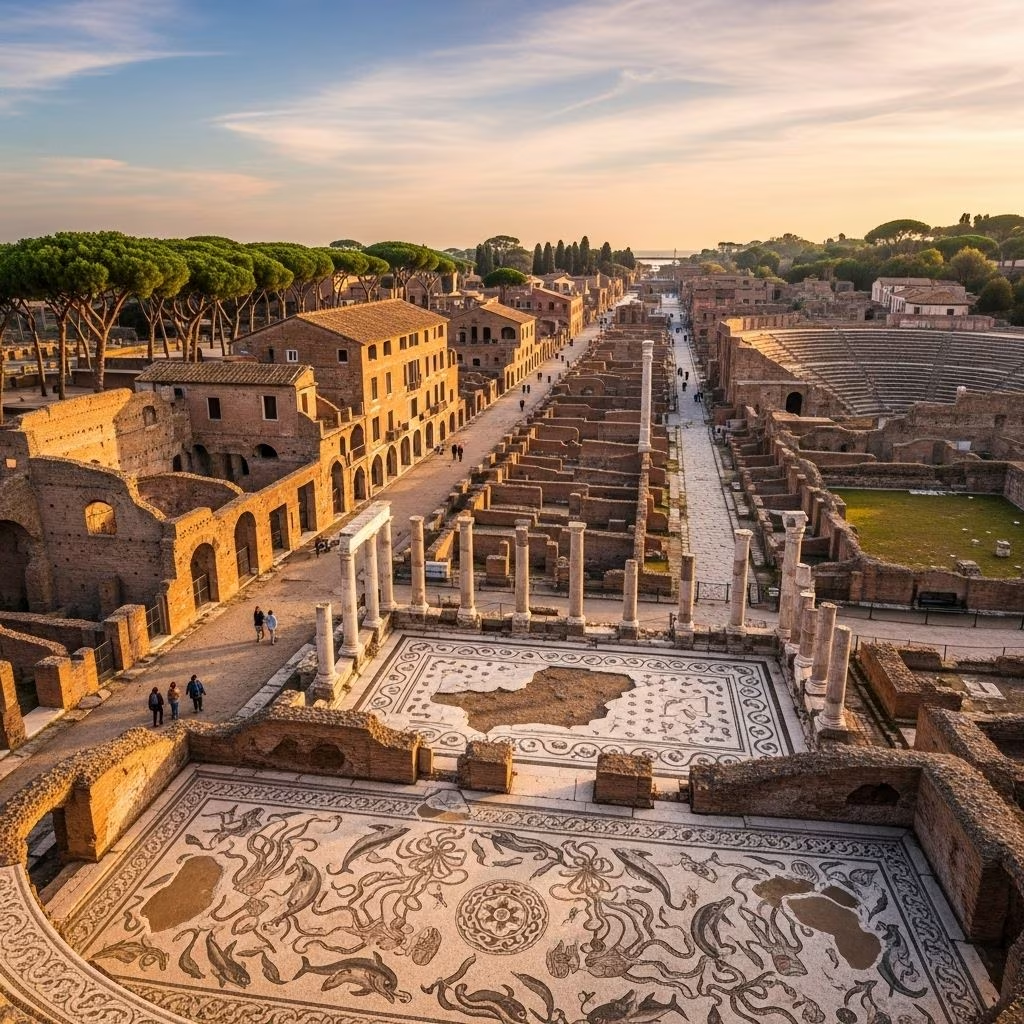
Ostia Antica: Rome’s Forgotten Seaport
Just 20 miles from central Rome, Ostia Antica is a stunning archaeological site often overlooked by visitors, yet it rivals the atmosphere and historical importance of better-known destinations like Pompeii. Today, a 45-minute metro or commuter train ride transports travelers into a vivid time capsule: the once-bustling commercial hub of ancient Rome, nestled at the mouth of the Tiber River. Its evocative ruins, well-preserved mosaics, and remarkable museum offer an unparalleled glimpse into Roman daily life, industry, religion, and art.
Not many realize that Ostia Antica, once home to 60,000 residents, was the key seaport of Rome, a lively intersection of traders, sailors, and citizens from every corner of the ancient empire. Wandering its vast grid of ruins—the docks, warehouses, bath complexes, mansions, and apartment blocks—reveals a city teeming with activity and diversity over two millennia ago.
History of Ostia Antica: From Salt to Empire
Ostia derives its name from the Latin ostium, meaning “mouth,” referencing its position at the mouth of the Tiber River where it meets the Mediterranean. Founded around 620 BC, its initial allure was the salt flats nearby—vital for meat preservation and a sought-after commodity in antiquity. Around 400 BC, the strategic location led Rome to conquer Ostia, fortifying it as a naval base to protect its growing influence and safeguard the river approach to its capital.
By the apex of Roman power, circa 150 AD, Ostia was no longer a mere outpost: it had blossomed into a thriving port city, the commercial linchpin through which goods and people flowed into Rome. Archaeological evidence narrates the rise and fall of Ostia, from its fortified beginnings, through imperial prosperity, and eventual abandonment during the decline of the Roman Empire. Over centuries, silt from the river buried the harbor, inadvertently preserving Ostia’s streets, temples, and art from destruction, scavenging, and the erosion of time.
Exploring the Ruins: Urban Layout and Landmarks
Visiting Ostia Antica today is like stepping into the blueprint of a classical Roman city. The site’s layout reflects the military roots of Roman urban planning:
- Rectangular grid with east, west, north, and south gates
- Two primary roads (the Decumanus Maximus and the Cardo Maximus) converging on the Forum
- Zones divided for commerce, living, entertainment, worship, and administration
Along the main drag, you can discern the evolution of Ostia across centuries. Buildings from the Republican era (before Christ) are typically situated below street level due to the gradual raising of the city’s ground over time. Structures encountered at or above the modern path belong to the imperial expansion, following Rome’s dominance over the Mediterranean.
The Theater of Ostia
Dominating the city’s social landscape, the Theater of Ostia is one of the oldest brick theaters in the world. Built originally in the reign of Augustus and expanded later, the semi-circular amphitheater once hosted thousands of spectators for performances, celebrations, and public meetings. Today, three marble rows near the orchestra mark where ancient VIPs—merchants, local dignitaries, or visiting officials—would lounge. In summer, the theater is revived as a venue for concerts and dramatic events, bridging the gap between ancient spectacle and modern culture.
The Square of the Guilds
Nestled in front of the theater, the Square of the Guilds (Piazza delle Corporazioni) served as Ostia’s commercial heartbeat. Over sixty offices clustered around its perimeter once belonged to ship owners, grain importers, and international trading firms. Today, visitors will find enchanting black-and-white mosaics lining the sidewalks, each depicting the goods and services offered by ancient businesses—an elephant for African traders, a lighthouse for Ostian shippers. These images act as business signs, and the square itself is a concise map of Ostia’s richly connected economy.
Baths and Water Innovations
The Forum Baths stand as a testament to Roman ingenuity in architecture and communal life. Subsidized by the government, these vast complexes were not just sites for cleanliness, but community gathering points. Marble steps led to cool and heated pools, and the ancient preference for olive oil over soap required regular skimming by attendants. Elegant mosaics, including the famous Neptune riding four horses, decorate the baths’ floors.
Public toilets found throughout the site illustrate Rome’s mastery of sanitation: running water constantly flushed surfaces, keeping them clean and accessible—an approach far ahead of its time.
Lifestyles: Homes, Shops, and Social Spaces
Ostia’s architecture vividly evokes the daily rhythms of Roman living. Travelers will encounter remarkable examples of:
- Insulae: Multi-storied tenement blocks, like the House of Diana, where the lower-middle class lived
- Mansions: Spacious, fresco-lined homes of the wealthy
- Thermopolium: Ancient Roman taverns or snack bars, with marble counters, sinks, and shelves for displaying food and drink
- Shopping arcades: Stall-packed avenues where all manner of goods were bought and sold
- Apartments: Upper floor flats that could only be reached by stone staircases, offering a clear sense of ancient urban density
Throughout these precincts, faint traces of frescoes and wall paintings suggest how Romans “wallpapered” their homes, balancing modesty with bursts of color and artistry. Ostia’s ruins grant access to the varied social strata of a metropolis in miniature.
The Museum of Ostia Antica
The compact Museum of Ostia Antica serves as an ideal complement to the sprawling archaeological landscape. Its displays bring the city’s story to life in striking ways:
- Statuary: Second- and third-century Roman masterpieces, often inspired by lost Greek originals, including wrestlers, cupids, and gods
- Portrait busts: Highly realistic marble heads, believed to be modeled after real residents—part of a tradition honoring paternal ancestors
- Foreign gods and cults: Statuary and artifacts reflecting the religious diversity fostered by Ostia’s open, cosmopolitan port
Most striking are busts of Roman elders, which were fixtures in homes to demonstrate reverence for family lineage. The museum also features the few surviving frescoes, artifacts, and everyday objects that color the city’s expansive ruins.
Religion and Diversity in Ostia
Ostia’s status as a port meant it was home to travelers, merchants, and settlers from across the Mediterranean and beyond. This cosmopolitan influx shaped its religious landscape, evidenced by temples and shrines dedicated to foreign deities. Archaeologists have discovered statuary and worship spaces for Egyptian, Eastern, and North African gods, affirming Ostia’s wide array of imported beliefs and customs. Such diversity underscores Ostia’s role as a true crossroads of empire, accommodating the worship needs of every faith.
Modern Access: Visiting Ostia Antica Today
Ostia Antica is accessible via Rome’s metro and commuter rail network, making it a straightforward day trip for those eager to step beyond the city’s bustling attractions. Key tips for visitors include:
- Allocate several hours to explore the extensive site and its museum
- Sturdy shoes recommended for traversing uneven ancient streets
- Guided tours are available, enriching the visit with expert insights
- Bring water and snacks; modern amenities are limited within the site
Despite its size and significance, Ostia receives surprisingly few visitors compared to other archaeological wonders. For many travelers, this means enjoying spectacular ruins in serenity, pausing amid mosaics and columns to imagine the hustle and drama of Roman life.
Ostia vs. Pompeii: A Quick Comparison
| Feature | Ostia Antica | Pompeii |
|---|---|---|
| Location | 20 miles west of Rome, near Tiber’s mouth | Near Naples, southern Italy |
| Age | Founded ~620 BC | Buried in AD 79 by Vesuvius eruption |
| Best for | Understanding Roman commerce, daily city life, empire’s diversity | Preserved homes, frescoes, dramatic destruction |
| Accessibility | Easy 45-minute Metro/train from Rome | 4-hour trip from Rome |
| Atmosphere | Underappreciated, tranquil | Busy, internationally famous |
Frequently Asked Questions (FAQs)
Q: How do I reach Ostia Antica from Rome?
A: Take Metro Line B to the Piramide station, then transfer to the Roma-Lido commuter train and disembark at Ostia Antica station. The site entrance is a 10-minute walk away.
Q: Is Ostia Antica suitable for families and children?
A: Yes, the ruins are spacious, safe, and educational, offering interactive glimpses into ancient Roman life—children can explore ancient homes, shops, and theaters.
Q: Are there guided tours or audio guides available onsite?
A: Guided tours, both group and private, are readily available at the entrance. Audio guides can also be rented, providing detailed commentary.
Q: What should I bring when visiting Ostia Antica?
A: Comfortable walking shoes, water, sun protection, and snacks are recommended as the area is extensive and exposed.
Q: How does Ostia Antica differ from Pompeii?
A: Ostia gives visitors a unique perspective on an active Roman commercial city rather than the dramatic ruins left by natural disaster. It’s quieter and closer to Rome.
Key Takeaways for Travelers
- Ostia Antica is closer and less crowded than Pompeii, yet just as rich in history and atmosphere
- Mosaics, statuary, and urban ruins reveal deep insights on Roman commerce, leisure, religion, and family
- The museum provides context, depth, and vivid personalities behind the stones
- A visit offers direct connection to daily life, urban planning, and multicultural vibrance of the empire’s heyday
Whether you’re a historian, a casual traveler, or an inquisitive explorer, Ostia Antica rewards every visitor with a compelling journey into Rome’s past—a city buried by time, but never forgotten.
References
- https://classroom.ricksteves.com/videos/rome-s-ancient-seaport-ostia-antica
- https://www.ricksteves.com/watch-read-listen/read/articles/ostia-antica-near-rome
- https://www.smithsonianmag.com/travel/ostia-antica-romes-ancient-port-1363/
- https://community.ricksteves.com/travel-forum/italy/ostia-antica-ce38c260-4657-4458-aa36-faa7165f0335
- https://blog.ricksteves.com/blog/travel-bite-ostia-antica-italy/
- https://markandannstravelingalaricksteves.com/ostia-antica/