Winter Travel in Europe: A Complete Guide for Off-Season Explorers
Europe in winter unveils a quieter side that many travelers miss. While summer is renowned for warm temperatures and buzzing streets, winter is often overlooked—yet it presents a landscape of festive markets, empty museums, and authentic cultural experiences. Traveling during the off-season (November through March) is not just about dodging crowds; it’s the opportunity to see a more genuine, local Europe, savor seasonal cuisine, and experience popular destinations without the chaos or expense of peak travel periods.
Why Visit Europe in Winter?
- Smaller Crowds: Enjoy popular attractions with shorter lines, sometimes having world-famous museums and landmarks nearly to yourself.
- Lower Costs: Airfare and accommodations are significantly cheaper in winter, making travel more budget-friendly.
- Local Atmosphere: With fewer tourists, cities and towns return to their normal rhythm—truly living like a local becomes possible.
- Festive Celebrations: Christmas and New Year festivities add color, warmth, and tradition to your trip, especially in central and northern Europe.
- Mild Weather in the South: Regions like the Mediterranean are pleasantly cool, ideal for exploring without the sweltering summer heat.
Summer vs. Winter: Experience at a Glance
| Feature | Summer | Winter |
|---|---|---|
| Typical Crowds | Heavy | Light |
| Weather | Hot, sometimes uncomfortable | Cool to cold; milder in south |
| Costs | High | Lower |
| Festivals & Markets | Some | Christmas, Carnival, local events |
| Museum Access | Long waits | Quick entry |
Essential Packing Tips for European Winter Travel
Traditional European wisdom says, “There’s no bad weather, only inappropriate clothing.” The right gear is crucial for comfort:
- Layered Clothing: Thermal base layers, sweaters, and a waterproof, wind-resistant coat.
- Good Shoes: Waterproof, comfortable walking shoes or boots are essential.
- Accessories: Bring gloves, scarves, and hats for warmth, especially in northern regions.
- Packing Light: Hotels and trains often have less space for bulky bags; choose versatile, compact items.
- Southern Europe: In countries such as Spain, Italy, or Greece, even in winter, most days require only a light jacket or sweater.
Downsides and Challenges of Winter Travel
- Shorter Days: Darkness arrives around 5 p.m., so plan sightseeing for earlier hours.
- Weather: Cold, drizzly, or windy conditions are common, especially in northern Europe—outdoor attractions may be less enjoyable.
- Limited Hours and Services: Many sights, shops, and restaurants may close earlier or operate with reduced hours. Small tourist towns can shut down almost entirely between November and March.
- Fewer Tours: English-language tours and guided walks are less frequent; pre-booking and planning ahead are more crucial in winter.
Top Winter-Friendly Destinations in Europe
The diversity of Europe means every region has something unique in winter. Here are some destinations and experiences recommended for off-season travel:
- Mediterranean Cities: Rome, Barcelona, Athens
Enjoy mild temperatures, lively local festivals, and uncrowded ruins or museums. Rome, for example, offers easy access to St. Peter’s Basilica and the Ponte Sant’Angelo without the bustle of peak season crowds. - Central Europe: Berlin, Vienna, Prague
Embrace Christmas markets, traditional decor, and European festivals. Vienna’s Boys’ Choir and Lipizzaner horses are more accessible, and cozy concerts abound. - Western Europe: Paris, London, Amsterdam
Relish museum visits, theater performances, and the unique pleasure of empty, picturesque cafes—Paris is famed for people-watching over warm bowls of onion soup. London offers world-class theater and winter concerts at venues like the Royal Albert Hall. - Alpine Destinations: Switzerland, Austria
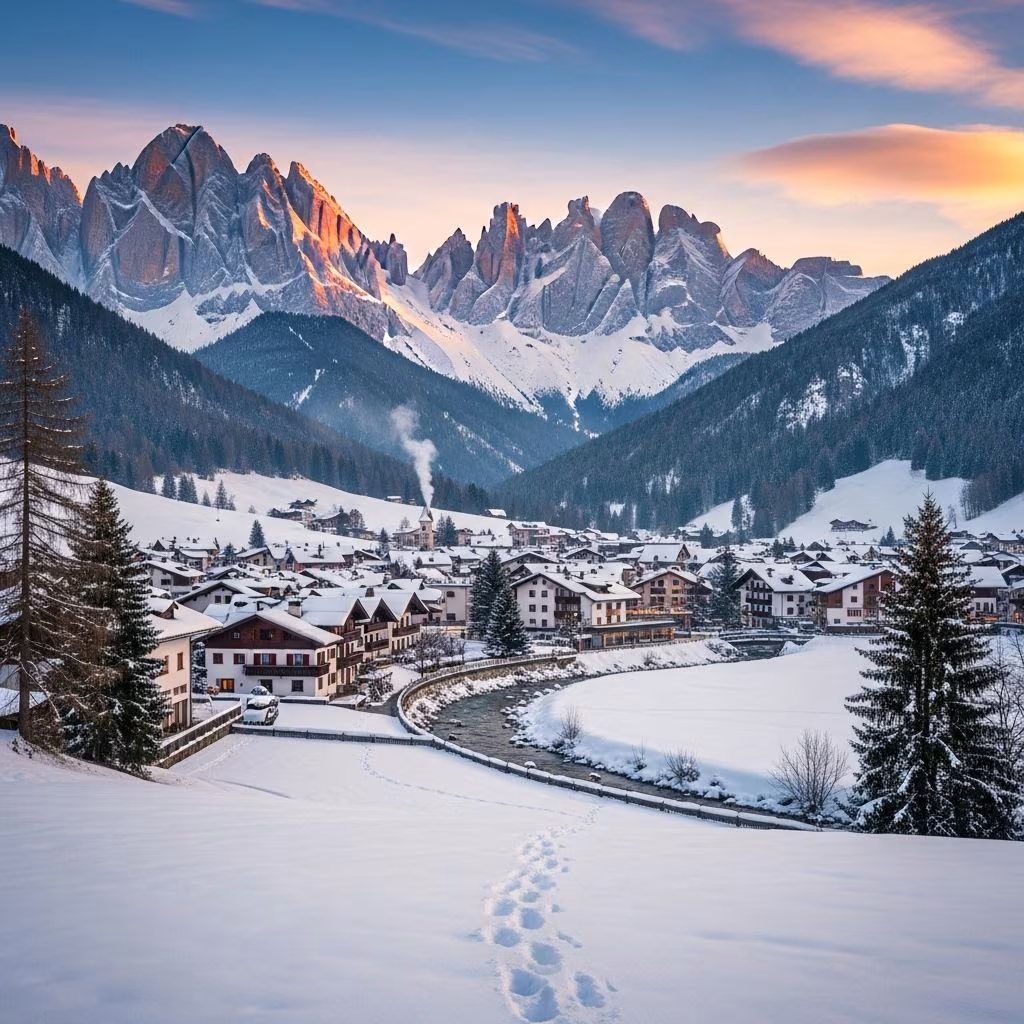
These regions turn into winter wonderlands, ideal for skiing, snowboarding, and winter sports. Small Swiss villages transform into postcard-perfect scenes with markets, lights, and seasonal treats. - Festivals and Events:
- Venice Carnival (February): A dazzling 10-day celebration of masks, parades, and cultural events.
- Barcelona Calçotada (January–March): A beloved gastronomic festival where locals gather to grill and share calçots, a regional delicacy.
- German Towns: Christmas markets are legendary, offering handmade ornaments, festive carolers, and hot spiced wine.
- Adriatic Beaches: For downtime, the Italian Riviera and other southern beaches offer solitude and mild winter sun.
Winter Travel Strategies: Making the Most of the Season
- Focus on Cities: Larger cities thrive year-round, with museums, theaters, and restaurants open and welcoming.
- Plan Ahead: Check attraction and transit schedules, book tickets and tours in advance where possible.
- Embrace Indoor Attractions: When the weather turns, museums and galleries offer warmth and insight. The Uffizi in Florence and Picasso Museum in Barcelona are ideal escapes.
- Shift Priorities: Rural excursions or spontaneous countryside adventures may be impractical; instead, prioritize accessible, indoor, or city-based experiences.
Typical Daily Itinerary in a European Winter
| Time | Activity |
|---|---|
| 8:00–10:00 | Breakfast in a local café; people-watching |
| 10:00–13:00 | Museum visit or guided city walk |
| 13:00–15:00 | Warm lunch, local winter specialties |
| 15:00–17:00 | Christmas market shopping or a winter festival |
| Evening | Theater, concert, or cozy restaurant dinner |
Special Winter Experiences Across Europe
- Holiday Markets: Explore authentic holiday traditions in Switzerland, Austria, and Germany, with vibrant markets, crafts, and treats like hot mulled wine.
- Seasonal Cuisine: Savor French onion soup in Paris, roasted chestnuts in Rome, or hearty stews in Vienna.
- Hot Spiced Wine: Sample Glühwein at German Christmas markets for winter warmth.
- Concerts and Performances: Enjoy unique seasonal events, like Vienna’s music scene or London’s Royal Albert Hall concerts.
- Alpine Sports: Try skiing, snowshoeing, and sledding in the Swiss Alps or Tyrolean villages.
Practical Tips for Off-Season Travelers
- Check Opening Hours: Visit tourism websites for accurate seasonal schedules.
- Book Accommodations Early: Cozy hotels fill quickly during holidays despite the overall lower demand.
- Pack Flexibly: Layering remains key—prepare for temperature shifts between indoor and outdoor settings.
- Stay Connected: Train services in major cities remain frequent and reliable, especially in western and central Europe.
- Cash for Markets: Many vendors at Christmas and winter festivals prefer cash.
Frequently Asked Questions (FAQs)
Is Europe safe to travel in winter?
Yes, Europe is generally safe year-round. Major cities remain well-serviced and accessible, though weather may occasionally affect rural transport or outdoor plans. Dress appropriately to avoid cold-related issues.
Are attractions and museums open in winter?
Most major attractions and museums remain open but may have shorter hours. Double-check times and consider pre-booking tickets for popular exhibits or concerts.
How much colder is southern Europe compared to summer?
Southern Europe is mild, with winter temperatures commonly hovering around 10–15°C (50–59°F), allowing for pleasant walks and outdoor sightseeing with minimal layers.
What are the best places for Christmas markets?
German, Austrian, and Swiss cities top the list. Cities like Munich, Vienna, and Zurich transform into festive wonderlands with markets, crafts, and seasonal food.
Will English tours or services be available?
In major cities, yes—though there are fewer than in summer. Pre-booking tours and checking schedules is more important in winter.
Do trains and public transit operate normally?
Core routes between major cities operate reliably year-round, though some rural links may be subject to seasonal changes or disruptions. Always check timetables before travel.
Main Takeaways for Winter Travel in Europe
- Embrace the chance to see Europe free from summer crowds and high prices.
- Pack for warmth and anticipate shorter daylight hours.
- Prioritize indoor attractions, city adventures, and festive events.
- Use the season’s calm for authentic local experiences and holiday celebrations.
- Plan ahead for hours, tours, and accommodations—but also allow yourself to enjoy the spontaneous magic of European winter streets.
References
- https://www.ricksteves.com/tours/winter-escapes
- https://www.islands.com/1901568/rick-steves-best-season-european-cities-winter/
- https://www.explore.com/1457182/rick-steves-top-tips-winter-trip-to-europe/
- https://www.ricksteves.com/travel-tips/trip-planning/winter-travel-europe
- https://community.ricksteves.com/travel-forum/general-europe/a-great-travel-strategy-for-winter
- https://www.youtube.com/watch?v=oz4Dt3jnB-c
- https://www.ricksteves.com/travel-tips/trip-planning/timing-your-trip
- https://www.ricksteves.com/watch-read-listen/video/tv-show/experiencing-europe
- https://www.ricksteves.com/travel-tips/packing-light/ricks-packing-list
- https://www.ricksteves.com/watch-read-listen/video/tv-show/european-travel-skills-part-2