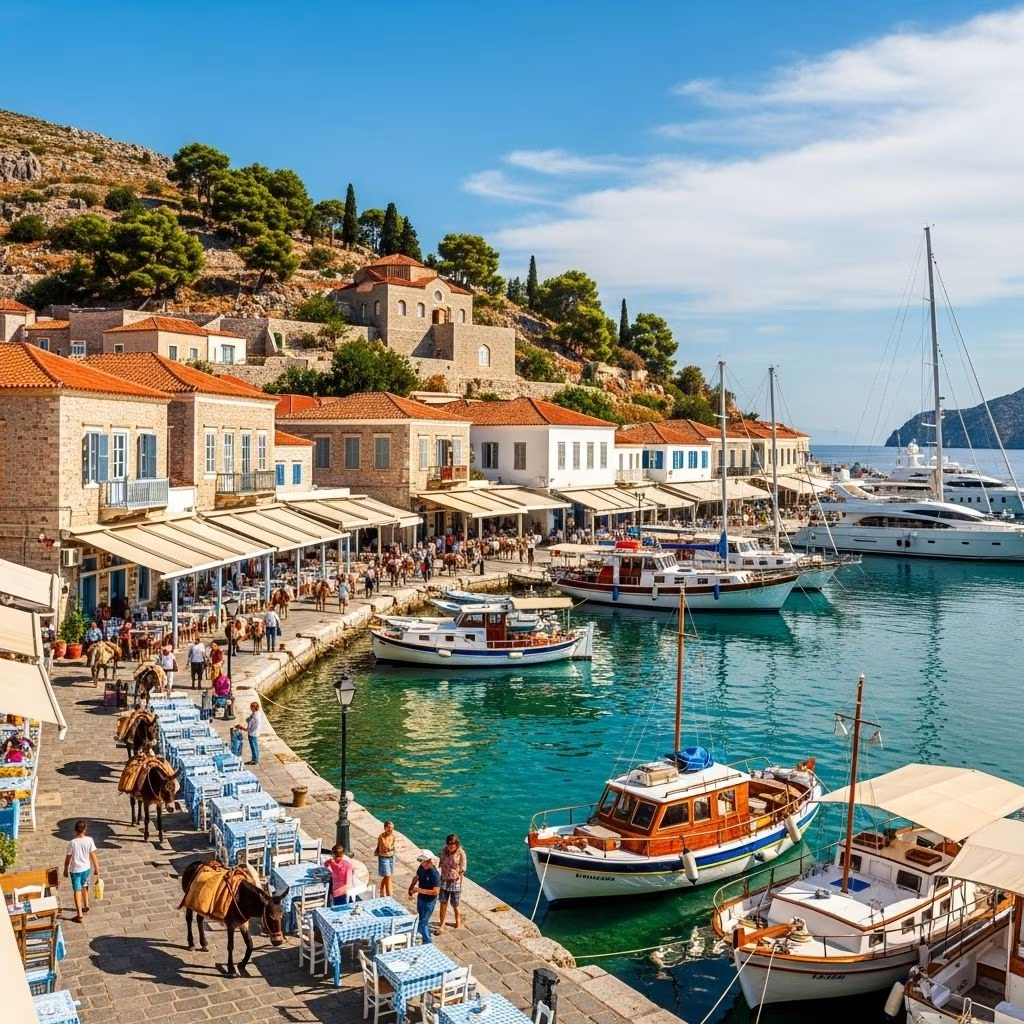
A Cockcrow on Hydra: The Timeless Charm of Greece’s Car-Free Island
For travelers yearning for a Greek island escape without the crowds or cars, Hydra stands as an idyllic sanctuary. Wrapped in the blue embrace of the Aegean, less than two hours south of Athens by ferry, Hydra (pronounced ‘EE-drah’) offers a beguiling blend of tranquility, history, and authentic Greek living. Here, time meanders with the same gentle pace as the donkeys that still serve as Hydra’s main form of transportation, and the pleasures of the island are savored slowly—from morning’s cockcrow to the golden glow of sunset.
Why Hydra? A Timeless Greek Island Idyll
Tucked within the Saronic Gulf, Hydra boasts a singular charm—a traffic-free haven where cars and even bicycles are absent. Visitors step into a town woven from history, hospitality, and a lingering sense of bohemian elegance. Quaint harbor scenes, labyrinthine lanes, and vibrant bougainvillea welcome everyone, from artists and musicians to sun-seeking travelers.
- No roads, no cars, no bikes: Travel on foot, by donkey, or via water taxi. The island’s peacefulness is preserved.
- A single real town: Hydra’s main settlement (also named Hydra) is a perfectly preserved port full of neoclassical mansions, stone alleys, and lively quays.
- Convenient Access: Despite its isolation, Hydra is a mere two-hour hydrofoil jaunt from Athens, making it an easy add-on to any Greek adventure.
The Character of Hydra: From Donkeys to Dreamers
Hydra’s lack of motorized traffic defines its unique character. Instead of car horns and engines, you’ll hear the rhythmic clip-clop of donkeys’ hooves as they ascend the island’s stepped lanes, bearing everything from suitcases to construction supplies. This practical tradition is a living link to Hydra’s maritime past, when donkeys and mules hauled goods for the island’s legendary sponge divers and merchant fleets.
Hydra’s animal-powered ethos creates a slower, more mindful way to explore:
- Donkeys as taxis: These surefooted creatures handle deliveries and passenger transport. Travelers may see ‘donkey jams’ instead of traffic jams—perhaps three donkeys and a fisherman at a crossroads.
- Pooper-scoopers: Local donkey handlers, broom and bucket in hand, tidy up after the animals to maintain the island’s clean, inviting streets.
This pace offers space—to reflect, to wander, and to lose yourself in winding alleys where street names matter little and locals ignore house numbers entirely. In Hydra, getting lost is part of the experience—and often the prelude to discovery.
History and Celebrity: Hydra in the Spotlight
Though it feels a world apart, Hydra’s renown is no secret. In 1956, Sophia Loren’s role as a Hydriot sponge diver in the film Boy on a Dolphin thrust the island onto the international stage. A statue commemorating this cinematic moment stands just outside town along the scenic coastal path. By the 1960s, Hydra became a chic retreat for artists, celebrities, and musicians seeking inspiration in its sun-bleached landscapes and crystalline seas.
Perhaps no figure embodies Hydra’s bohemian spirit more than Leonard Cohen. The late Canadian songwriter made the island his part-time home, composing some of his most beloved work—his song “Bird on the Wire” was inspired by the island’s vistas, and a street near his house now bears his name. Cohen’s enduring legacy lingers in Hydra’s creative air and relaxed rhythm.
Hydra’s Harbor: The Heart of the Island
The vibrant harbor—Hydra’s bustling core—is a scene of perpetual motion and mellow charm. Cafés spill onto the quayside, yachts sway at anchor, and fishermen unload their catches as seagulls wheel above. The waterfront is framed by 18th-century mansions, their pastel facades testaments to the island’s once-prosperous maritime days.
- Arrivals and Departures: Ferries and flying dolphins (hydrofoils) deliver visitors, who are often greeted by a collection of eager donkey drivers ready to shuttle luggage uphill.
- Shops and markets: Tiny boutiques, bakeries, produce stalls, and artisan studios cluster around the port, with everything within easy walking distance.
Just steps from the harbor, visitors are immersed in everyday Hydra: locals chatting at shaded cafés, children playing with stray cats, and resident artists painting the dazzling scenery.
Wandering the Lanes: Getting Lost on Purpose
One of Hydra’s essential pleasures is the simple act of wandering. The town’s maze of narrow, stepped lanes climb steeply from the water, twisting between houses clinging to the hills.
- You’ll find pockets of peace in hidden courtyards draped with blooming jasmine.
- Stray cats nap on sun-warmed stoops while shopkeepers water potted geraniums.
- Street names—where they exist—are rarely used; directions rely on landmarks, memories, and a communal sense of place.
The absence of cars makes Hydra especially safe and inviting for families and solo travelers alike. With nowhere to rush and everywhere inviting you to linger, every stroll feels like an invitation to discovery.
Hydra’s Cuisine: Taverns, Traditions, and Sunset Meals
Hydra’s culinary scene is a celebration of simple, fresh flavors and long, convivial meals in family-run tavernas—each with its own atmospheric setting and story. Greek hospitality shines brightest at Hydra’s tables, where diners are welcomed as longtime friends.
- Taverna Leonidas: The island’s oldest, akin to a living history museum, famed for traditional sponge-diver fare. Owners Leonidas and Panagiota treat guests like family, often preparing dishes based on morning phone consultations about what diners crave.
- Gitoniko (Manolis and Christina): Noted for a charming rooftop terrace, this tucked-away gem invites visitors to sample many small plates—fresh salads, grilled meats, and local specialties—served under a canopy of vines high above the town.
- Kodylenia’s Taverna in Kaminia: For an unforgettable sunset, stroll the coastal path to the neighboring fishing village of Kaminia. Perched above a tiny harbor, Kodylenia’s serves up the freshest catch—owner Dimitris often purchases directly from fishermen at dawn—paired with local ouzo and meze as the sky blazes orange over the Gulf.
Dining on Hydra is more than sustenance; it’s ritual. Meals are slow, social, and savored, ideally capped with a toast as the sun drops behind distant mountains.
Creative Legacy: Art, Music, and Writers on Hydra
Beyond its natural beauty, Hydra possesses a magnetic pull for creative souls. Its luminous light, unhurried pace, and communal simplicity have long attracted artists, poets, and musicians.
- In the 1960s, the island became a hub for international artists and writers, inspiring scores of paintings, poems, and songs.
- Morning and evening, you might find a painter capturing the glimmer of harbor waters, or a poet scribbling lines in a hilltop garden.
- Galleries and workshops dot the town, offering ceramics, jewelry, and artwork unique to the island.
This vibrant bohemian culture endures—not least in Hydra’s many festivals and live music nights that pulse with creative energy.
The Beaches and Beyond: Adventures Further Afield
While Hydra’s heart beats in its town, its soul is scattered among hidden coves and beaches reachable only by footpath or water taxi. Each offers a different mood—solitude, splashy fun, or sublime sunset views.
- Water taxis: These nimble boats zip from the harbor to isolated beaches and tavernas, letting travelers curate their perfect day by the sea.
- Mandraki Beach: The closest organized beach, with sun loungers, cafes, and calm swimming in turquoise water.
- Remote beaches: Beyond Mandraki, more secluded strands await, ideal for relaxation away from the bustle.
Adventurous visitors can also hike coastal trails, discovering medieval monasteries, panoramic viewpoints, and tranquil villages where life moves at Hydra’s slow—and satisfying—pace.
Hydra’s Local Life and Traditions
Despite its global popularity, Hydra has not lost its local roots. The rhythms of island life, informed by centuries of seafaring and self-sufficiency, endure in everything from the daily market to the timeless ritual of the evening promenade (volta) along the harbor.
- Festivals and feasts: Orthodox religious celebrations mark the year, filling Hydra with music, processions, and local food.
- Fishing and seafaring: Fishing fleets, now more modest than in centuries past, still bring in fresh octopus and sardines each morning.
- Architecture: Stone mansions built in Hydra’s 18th-century heyday line the waterfront, їх grandeur a legacy of maritime prosperity.
Conversations unfold slowly and friendships are measured in decades; outsiders, though welcomed warmly, sense an enduring pride in tradition and community.
Practicalities: Planning Your Visit to Hydra
Making the most of Hydra is simple. With minimal schedules to keep and all sights within strolling distance or a short ride, it is an island perfectly designed for unwinding.
- Getting there: Fast ferries (hydrofoils) depart regularly from Piraeus, Athens’ historic port. The trip is scenic and stress-free.
- Accommodations: Choices range from elegant guesthouses in waterfront mansions to simple pension rooms nestled in the backstreets.
- Essentials: Comfortable footwear is a must—the lanes are stepped and sometimes steep. With no cars, you’ll carry your own bags or hire a donkey to help.
Hydra’s magic lies in its embrace of “less is more”: fewer distractions, less noise, but far more peace, beauty, and inspiration than most destinations ever promise.
Frequently Asked Questions (FAQs) about Hydra
Q: Is Hydra suitable for children and families?
A: Yes. The absence of cars and generally safe, friendly atmosphere makes Hydra ideal for families. Children often love the donkeys and beaches, and the island’s compact size is easy to navigate.
Q: What is the best time of year to visit Hydra?
A: Spring and early autumn offer the best balance of comfortable weather, fewer tourists, and lively local culture. Summer is busier but always charming, while winter can be quiet and introspective.
Q: Do I need to book accommodation in advance?
A: It’s recommended, especially from May through September when Hydra can be busy with day-trippers and festival events. Off-season visits may allow more flexibility.
Q: How do I get around the island?
A: On foot, by donkey, or by water taxi. All main sights are walkable from town, but remote beaches and villages can be reached by boat or a scenic hike.
Q: Are there any car rentals or scooters available?
A: No. Hydra is famous for being entirely free of vehicles—one of its enduring charms.
Table: Quick Facts about Hydra
| Feature | Description |
|---|---|
| Location | Saronic Gulf, Aegean Sea, Greece |
| Distance from Athens | ~70 km (2 hours by ferry from Piraeus) |
| Population | ~2,500 year-round |
| Main Town | Hydra (same as the island) |
| Transport | On foot, donkey, or water taxi (no vehicles) |
| Best Time to Visit | May–June, September–October |
Hydra Awaits: Where Relaxation Reigns
As the cock crows over terracotta rooftops and the first rays of sunlight illuminate the quiet lanes, Hydra invites you to step into another era—one where beauty, creativity, and a leisurely pace still rule the day. In a world that moves ever faster, the simple grace of Hydra offers something rare and precious: space to breathe, to dream, and to remember the joys of living well.
References
- https://www.boomermagazine.com/relaxation-reigns-in-the-greek-isle-of-hydra/
- https://blog.ricksteves.com/blog/tag/hydra/
- https://blog.ricksteves.com/blog/three-dinners-on-hydra/
- https://www.ricksteves.com/watch-read-listen/read/articles/cock-crow-on-hydra
- https://www.ricksteves.com/europe/greece/hydra
- https://www.ricksteves.com/watch-read-listen/video/hydra-greece
- https://community.ricksteves.com/travel-forum/greece/staying-in-hydra
- https://www.ricksteves.com/watch-read-listen/read/articles/europe-best-island-getaways
- https://vickiesgreecetrip.weebly.com/hydra.html