Exploring Frankfurt: Germany’s Dynamic Urban Hub
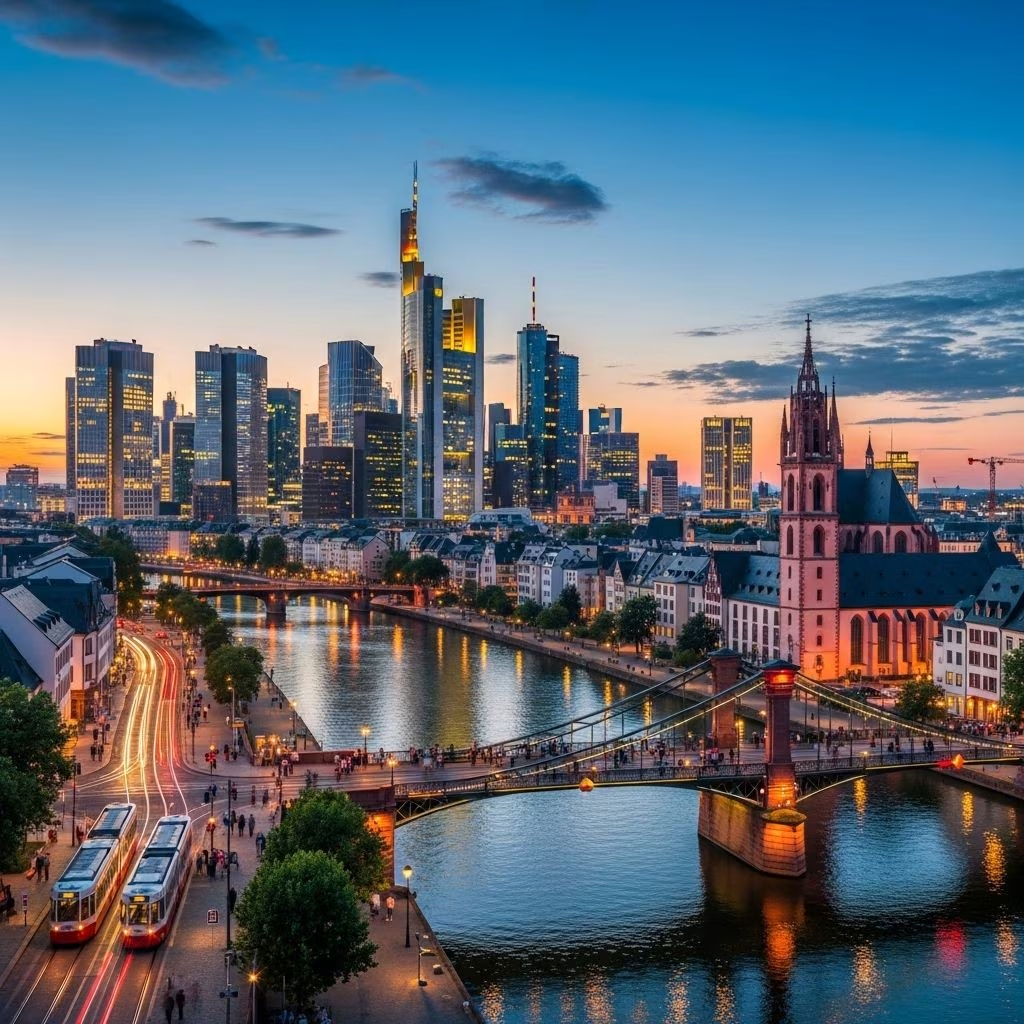
Frankfurt, perched on the banks of the Main River, greets visitors with a skyline rivaling any in Europe while proudly preserving centuries of rich culture and history. Often called ‘Mainhattan’ for its striking skyscrapers, this city serves as both Germany’s financial engine and a welcoming portal to the country’s evolving identity. From bustling markets and people-friendly zones to poignant reminders of its Jewish heritage, Frankfurt offers more than most travelers expect.
Frankfurt: Where Old Meets New at the Heart of Germany
The city’s unique juxtaposition of cutting-edge modernity and deeply rooted tradition gives it a distinctive charm. While the area near the train station can feel gritty, a few minutes on the efficient U-Bahn reveals neighborhoods rich in culture, cuisine, and creativity.
- Frankfurt Main Train Station (Hauptbahnhof): Arriving by train offers a dramatic first impression—step outside the hub into a city that buzzes with movement and possibility.
- Skyline: The city’s glassy towers, including the striking Commerzbank Tower (Europe’s first ‘green’ skyscraper), demonstrate the German commitment to innovative architecture.
- Historic Squares: Amid modernity, Frankfurters cherish their compact old center, rebuilt with care to reflect prewar beauty.
A City of Architecture and Museums
An impressive budget commitment made in the 1980s sparked a cultural transformation, sloughing off bankerly stereotypes to invest deeply in the arts. Today, Frankfurt is a museum lover’s dream.
- Museum Embankment (Museumsufer): Nine major museums line the Main River, each housed in striking architecture. These include the Museum of Modern Art, Museum of World Cultures, and German Film Museum.
- A Commitment to Culture: Frankfurt devotes around 11% of its budget to arts, resulting in a vibrant, diverse scene that draws visitors year-round.
Whether interested in European masters, contemporary installations, or global traditions, the museums offer perspectives as fresh and varied as the city itself.
Römerberg: The Heart of Old Frankfurt
Frankfurt’s historic core centers on Römerberg, a lively square ringed by pastel half-timbered houses rebuilt following World War II. Here, visitors can stroll cobbled lanes and experience:
- City Hall (Römer): Home to the Imperial Hall, where Holy Roman Emperors once celebrated their coronations.
- Fairy-Tale Architecture: The picturesque row of restored houses offers a feel for Frankfurt’s old-world charm.
- Seasonal Events: Römerberg bustles during Christmas markets and is often the setting for civic celebrations and demonstrations.
Despite heavy wartime bombing, the city has re-imagined its historical heart with authenticity and respect, making Römerberg a must-see for visitors seeking Frankfurt’s soul.
Kleinmarkthalle: Savoring Frankfurt’s Market Culture
No visit is complete without a stop at the Kleinmarkthalle, an indoor market beloved by locals and tourists alike. Lined with more than 60 stalls, it’s a feast for both eyes and palate, offering:
- Fresh regional produce, cheeses, breads, and imported specialties
- Artisan sausages and traditional German delicacies
- Casual lunch options—perfect for sampling local flavors
The friendly bustle and enticing aromas make Kleinmarkthalle a highlight for food lovers and anyone keen to mingle with city residents on their home turf.
Frankfurt’s Jewish Heritage: Remembering and Honoring
Centuries before its skyscrapers rose, Frankfurt was home to one of Germany’s most significant Jewish communities. Its Jewish Museum and Museum Judengasse invite visitors to witness this powerful legacy.
- Jewish Museum (Jüdisches Museum): Located in the former Rothschild palace, the museum documents the history and resilience of Frankfurt’s Jewish community from around 1800 to the present.
- Museum Judengasse: Built within the archeological remains of the former ghetto, this museum details Jewish daily life, challenges, and contributions in the city.
- The Rothschild Family: Frankfurt’s Rothschilds shaped global banking in the 18th and 19th centuries, rising from the city’s Judengasse to international prominence.
Frankfurt was also the birthplace of Anne Frank and her family. Today’s Jewish museums provide engaging, sometimes sobering, but ultimately uplifting insight into the city’s heritage.
Sachsenhausen: The Cozy World of Apple-Wine Pubs
Frankfurt’s work-hard reputation is joyfully offset by its knack for socializing. Sachsenhausen, a picturesque southern neighborhood, is renowned for its apple-wine (Apfelwein) pubs—more than a hundred, housed along cobbled lanes and leafy courtyards.
- Apfelwein Rituals: Served in distinctive gray crockery, apple-wine is poured into ribbed glasses and enjoyed with hearty Hessian dishes such as Handkäs mit Musik (cheese with vinegar, onions, and oil).
- Atmosphere: Loud, cheerful, and convivial, these pubs draw both locals and visitors for evenings of music and storytelling.
- Gastronomic Diversity: While apple-wine is king, the area also offers craft beers, international cuisine, and fusion fare.
Sachsenhausen’s apple-wine culture is a window into Frankfurt’s friendly, egalitarian side, where bankers, artists, and travelers gather alike.
The Riverfront: Parks, Paths, and Public Life
Running through the city’s core is the Main River, its banks transformed into people-friendly promenades that embody Germany’s commitment to livability. Residents and visitors alike flood the riverfront for:
- Jogging, walking, or cycling on landscaped paths
- Open-air festivals and seasonal wine stands
- Gorgeous views of the city’s evolving skyline at sunset
The riverfront underscores how Germany’s urban planners value public spaces that invite leisure, connection, and cultural exchange.
Frankfurt as a Gateway: Beyond the Hub
Its central location and world-class airport make Frankfurt a gateway not just to Germany but continental Europe. However, the city rewards more than a fleeting stopover:
- Travelers should linger, taking time to uncover its layers of innovation, history, and hospitality.
- Rail connections speed travelers onward—to romantic Rhine valleys, medieval towns, and other hubs like Nürnberg, easily reached in two hours.
Whether it’s business or leisure, a stop in Frankfurt offers more than mere transit; it offers a microcosm of Germany’s dynamic spirit.
Practical Guide: Making the Most of Frankfurt
| Experience | Description | Tip |
|---|---|---|
| Getting Around | Extensive metro and tram network for quick, reliable transport. | Buy day-passes for value and flexibility. |
| Where to Stay | Old Town and Sachsenhausen offer local flavor and walkability. | Book ahead during trade fairs or festivals. |
| Seasonal Highlights | Christmas Market in Römerberg; summer riverbank festivals. | Arrive early to enjoy less crowded mornings. |
| Language | German is official, but English is widely spoken in tourist zones. | Polite greetings appreciated; learn a few basics! |
| Money | Euro is currency; card payments are the norm, but cash is still useful. | ATMs widely available; market stalls may prefer cash. |
Frequently Asked Questions (FAQs): Frankfurt City Guide
Q: Is Frankfurt worth more than a stopover?
A: Absolutely. While often dismissed as just a travel hub, Frankfurt rewards visitors with world-class museums, charming historical quarters, vibrant markets, and unique dining experiences.
Q: What’s the best way to experience Frankfurt’s food culture?
A: Begin at the Kleinmarkthalle for lunch and local delicacies, then unwind in Sachsenhausen at a traditional apple-wine pub for an evening of authentic flavors and hospitality.
Q: Where can I learn about Frankfurt’s Jewish history?
A: The Jewish Museum in the former Rothschild mansion and Museum Judengasse both offer in-depth exhibits and artifacts detailing the contributions, struggles, and legacy of Frankfurt’s Jewish community.
Q: What are some can’t-miss neighborhoods?
A: Römerberg for history and architecture, Sachsenhausen for cuisine and nightlife, and the Museum embankment for cultural immersion along the Main River.
Q: When is the best time to visit Frankfurt?
A: Spring and fall offer pleasant weather and a packed festival calendar, but the city is a year-round destination with plenty to offer regardless of season.
Final Inspiration: Discover Frankfurt’s Energizing Spirit
Frankfurt’s enduring appeal lies in its contrasts. It’s a place where the past and future intersect, where bankers share beer gardens with artists, and where you can find both business and pleasure without delay. The city invites travelers to look deeper, linger longer, and discover the very heart of modern Germany.
References
- https://www.ricksteves.com/watch-read-listen/video/tv-show/germany-frankfurt-nuernberg
- https://www.heraldnet.com/life/rick-steves-europe-experience-modern-germany-in-frankfurt/
- https://www.youtube.com/watch?v=7lLwnsubLI4
- https://www.imdb.com/title/tt11558694/
- https://www.ricksteves.com/watch-read-listen/read/articles/exploring-frankfurt-germanys-hub
- https://www.ricksteves.com/europe/germany/frankfurt
- https://community.ricksteves.com/travel-forum/germany/best-things-to-do-in-frankfurt-germany
- https://www.ricksteves.com/syndicated-content
- https://blog.ricksteves.com/blog/frankfurt-skyscraper-views-powerful-memorials-and-a-tasty-sandwich/