The Complete Car Camping Guide: Comfort, Gear, and Know-How for Adventurous Travelers
Dreaming of adventure but not keen on roughing it with a backpack and tiny tent? Car camping offers an accessible, comfortable, and affordable way to explore the outdoors. Whether you’re a first-timer or an experienced traveler, having the right gear and know-how is essential for a relaxing, safe, and memorable experience on the road.
What Is Car Camping?
Car camping simply means sleeping in your vehicle—or right next to it—rather than pitching a traditional tent deeper in the backcountry. It blends the flexibility and convenience of road tripping with the spirit of outdoor adventure. From suiting up your SUV for off-grid overnights to turning a compact car into a cozy den, there’s a style of car camping for everyone.
Benefits of Car Camping
- Comfort: Use your car as your shelter, bringing along more creature comforts than backpack camping allows.
- Flexibility: Camp virtually anywhere you can park, from established campgrounds to dispersed public lands.
- Affordability: Save on pricey lodging and, by camping on public land, often skip campsite fees altogether.
- Safety: Lock your doors and keep your valuables secure while you sleep.
Choosing the Right Vehicle for Car Camping
Almost any vehicle can be used for car camping, but comfort and practicality increase with space and off-road capability. Here’s what to consider:
- SUVs & Wagons: The ideal choice thanks to fold-flat seats or removable rear seats. You can lie flat and store more gear.
- Subcompact/Compact Cars: Possible for solo campers or creative duos. Consider folding or reclining seats and bringing extra padding.
- Vans: Offer the most space for beds, kitchens, and gear organization.
- Off-Road Capabilities: Four-wheel drive or high clearance lets you reach more secluded or rugged areas, like BLM lands and forest roads.
Before your first major trip, spend a night test-camping in your driveway. Experiment with seat arrangements and gear organization, and make adjustments for comfort and accessibility.
Where Can You Car Camp?
- Campgrounds: Reservable public and private campgrounds offer bathrooms, water, trash, and picnic tables. These sites are ideal for beginners or those seeking amenities.
- Bureau of Land Management (BLM) Land: Dispersed camping is allowed for free on most BLM land, though amenities are minimal or non-existent. Stay where you see established campsites (often marked by fire rings or clearings). The maximum stay is usually 14 days within a 28-day period.
- National Forests: Similar to BLM lands, national forests allow dispersed camping in many areas off secondary roads.
- Roadside Pull-Offs & Scenic Overlooks: Useful for a night en route, but always check local regulations and posted signage about overnight stays.
- RV Parks, Truck Stops, and Walmarts: Some businesses or truck stops permit overnight car camping. Always confirm with management or research local ordinances first.
Car Camping Essentials Checklist
- Sleeping Setup: Foam mattress, sleeping pad, or air mattress; blanket or sleeping bag rated for outside temperatures; pillows; privacy window covers or curtains.
- Camp Kitchen: Portable stove (propane or butane), fuel canisters, lighter/matches, cooler or portable fridge, water bottles, collapsible sink, dish soap and sponge, pots, pans, utensils, plates, mugs, trash bags, and food storage containers.
- Lighting: Headlamp, flashlight, lantern, and extra batteries.
- Chairs and Table: Folding camp chairs and portable table for dining or relaxing.
- Organizer Bins: Stackable bins or organizer drawers for easy access to clothes, kitchen supplies, and electronics.
- Personal Items: Toiletries, quick-dry towel, first-aid kit, sunscreen, insect repellent, and medications.
- Safety/Security: Emergency roadside kit (jumper cables, tire repair kit), spare key, paper maps (in case of no cell signal), pepper spray or personal alarm (if desired).
- Electronics: Portable charger or power bank, USB charging cables, and, if needed, a solar panel setup.
How to Organize Your Car Camping Setup
Efficient organization is the key to a stress-free trip. Treat your car like a miniature apartment where every inch counts:
- Designate Space: Assign areas for sleeping, cooking, clothing, and gear so everything has a home.
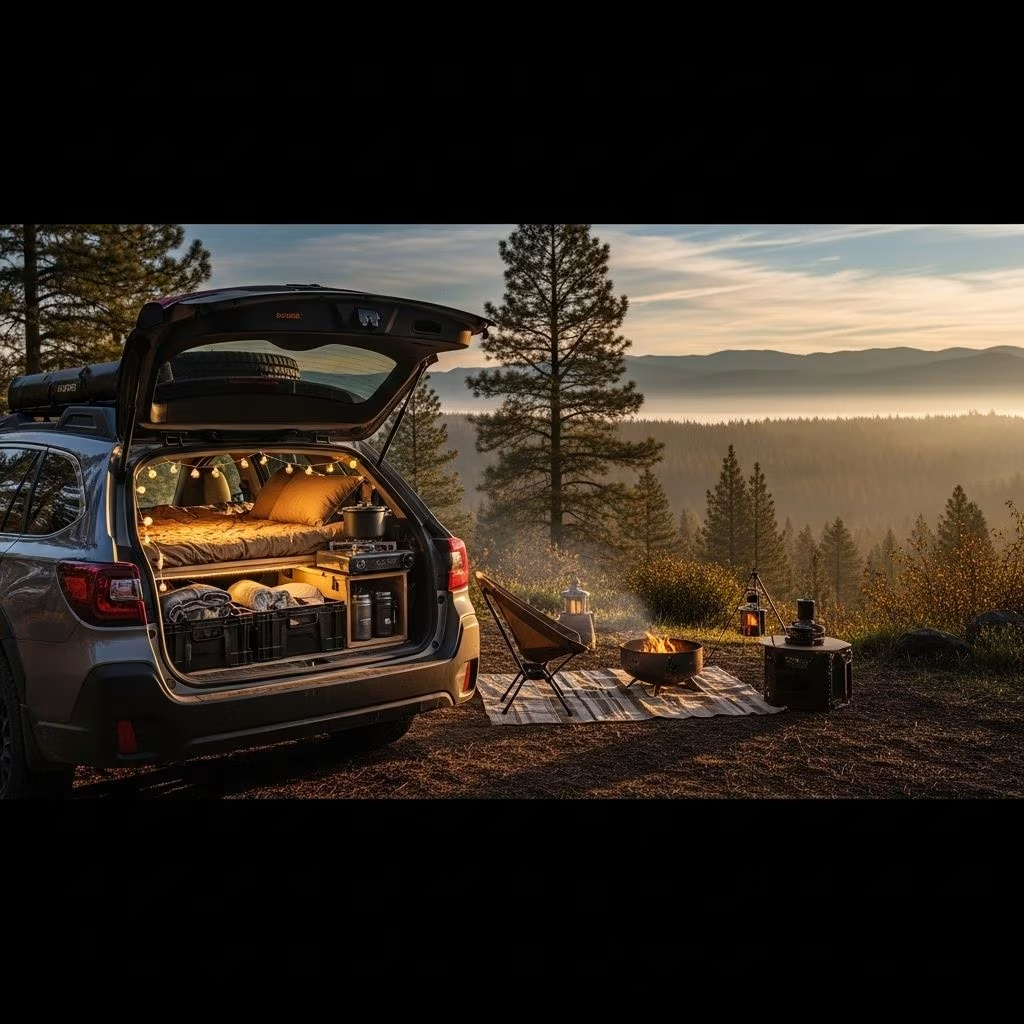
- Maximize Sleeping Space: Build or use a sleeping platform that creates flat level. Place storage bins underneath the platform for efficient use of space.
- Pack Only Essentials: Overpacking adds clutter. Take a minimalist approach: bring what you know you’ll use, and pick up extras as needed during your trip.
- Keep It Tidy: Clean up dishes, trash, and organize items daily to prevent chaos and speed up packing when it’s time to move on.
Expert Packing Hacks
- Multipurpose Gear: Choose items that serve several functions (e.g., a pot that doubles as a bowl, a blanket that is also a picnic mat).
- Soft-Sided Storage: Duffle bags and stuff sacks mold to available space better than rigid boxes.
- Vacuum Packs: Compress clothing to free up room.
- Always Prepare for Weather: Bring a mix of warm and cool weather clothing—weather can change quickly, especially in the mountains.
- Practice the “Leave No Trace” Ethic: Pack out all trash, minimize campfire impacts, respect wildlife, and camp on established or durable surfaces.
Safety Tips for Car Campers
- Stay Visible but Private: Choose well-trafficked legal sites, and avoid parking in isolated places that make you vulnerable.
- Lock Up at Night: Keep doors locked, valuables hidden, and windows closed or slightly cracked for air.
- Maintain Communication: Tell someone where you’ll be, especially if you’ll lose cell signal.
- Be Ready for Emergencies: Know the closest hospital and keep emergency contact numbers handy.
- Wildlife Awareness: Store food in sealed containers and never leave trash or food out overnight to avoid attracting bears or raccoons.
Car Camping Meals: Making Food Easy and Fun
Delicious, simple, and mess-free meals are the highlight of any camping trip. Here are some meal ideas that don’t require a culinary degree:
- Breakfast: Instant oatmeal, granola with milk (fresh or shelf-stable), breakfast burritos wrapped in foil, or scrambled eggs on a portable stove.
- Lunch: Pre-made sandwiches, hummus and veggie wraps, salads in jars, or cheese, crackers, and fruit.
- Dinner: Pasta, one-pot chili, grilled sausages and veggies, foil packet meals, or ramen jazzed up with veggies and protein.
- Snacks: Trail mix, granola bars, fruit, jerky, chips, and nut butter.
Pack a camping stove (propane, butane, or isobutane), a backup fuel can, and a lightweight cook set. Don’t forget utensils, a spatula, and a sharp knife.
Keeping Clean and Comfortable
- Toilets and Hygiene: Many campgrounds offer facilities. In dispersed areas, bring a portable toilet, wag bag, or learn to responsibly bury waste (following Leave No Trace guidelines).
- Showers: Some public campgrounds and truck stops have coin-operated showers. Solar shower bags or natural body wipes work in a pinch.
- Clothing: Quick-dry clothes, a compact laundry bag, and a rain shell make life on the road easy.
How to Find Car Camping Spots
- Online Tools & Apps: Use websites and apps like iOverlander, Campendium, FreeRoam, and the BLM and Forest Service maps for real-time info and GPS locations of campsites.
- Local Ranger Stations: Staff can offer valuable insight and maps for dispersed camping options.
- Scout in Daylight: Always arrive before dark if you’ll be camping in an unfamiliar area so you can assess the privacy and safety of the site.
Must-Have Car Camping Accessories
- Window Covers or Curtains: Foil-backed covers or custom-fitted blackout curtains provide privacy and insulate from heat/cold.
- Bug Screens: Magnetic mesh for windows allows airflow without pests.
- Roof Racks or Cargo Boxes: Stow bulky gear outside and free up precious cabin space.
- Portable Fan: Especially useful for summer trips or humid climates.
- Solar Panel/Power Bank: Keep devices charged off-grid.
Frequently Asked Questions (FAQs)
Q: Do I need a special kind of car to go car camping?
A: No. While SUVs, wagons, or vans are easiest for sleeping inside, you can car camp in nearly any vehicle. Comfort depends on how much space you have and how you organize it.
Q: Where can I legally sleep in my car overnight?
A: Legal spots include most public campgrounds, designated dispersed camping areas on BLM or National Forest land, some roadside rest stops, and, in select cases, certain big-box store parking lots. Always check local regulations.
Q: How do I stay warm while car camping?
A: Use an insulated sleeping bag rated for the lowest likely temperature, add extra blankets, and consider closing off unused space in the car to retain heat. In cold weather, avoid running the car all night for safety.
Q: How do I keep food safe from animals?
A: Store all food in airtight containers inside the car or a designated bear locker if available, and always clean up thoroughly after meals.
Q: Is car camping safe for solo travelers?
A: Yes, with proper precautions. Choose legal, visible sites, lock your doors, keep valuables out of sight, and inform someone of your location and plans.
Car Camping Pro Tips and Final Thoughts
- Test your setup close to home before embarking on a long trip.
- Adapt your packing list for each destination and season.
- Stay organized—clutter is the enemy of comfort.
- Be courteous to others and practice Leave No Trace to keep wild places clean for everyone.
- Above all, enjoy the freedom and adventure that comes with exploring the world on your own terms from the comfort of your car!
References
- https://www.seeingsam.com/solo-car-camping-setup/
- https://soulsummittravel.com/2024/05/28/car-camping-cheap/
- https://www.madelyneonthemove.com/car-camping-essentials/
- https://www.countryliving.com/life/travel/g20901668/car-camping/
- https://www.countryliving.com/shopping/g65499677/best-camping-gear/
- https://www.youtube.com/watch?v=6ujSwGAZBIM
- https://vanlivingforum.com/threads/bare-essentials-for-car-dwelling.17789/
- https://www.countryliving.com/camping-ideas/