Santorini: Behind the Beauty
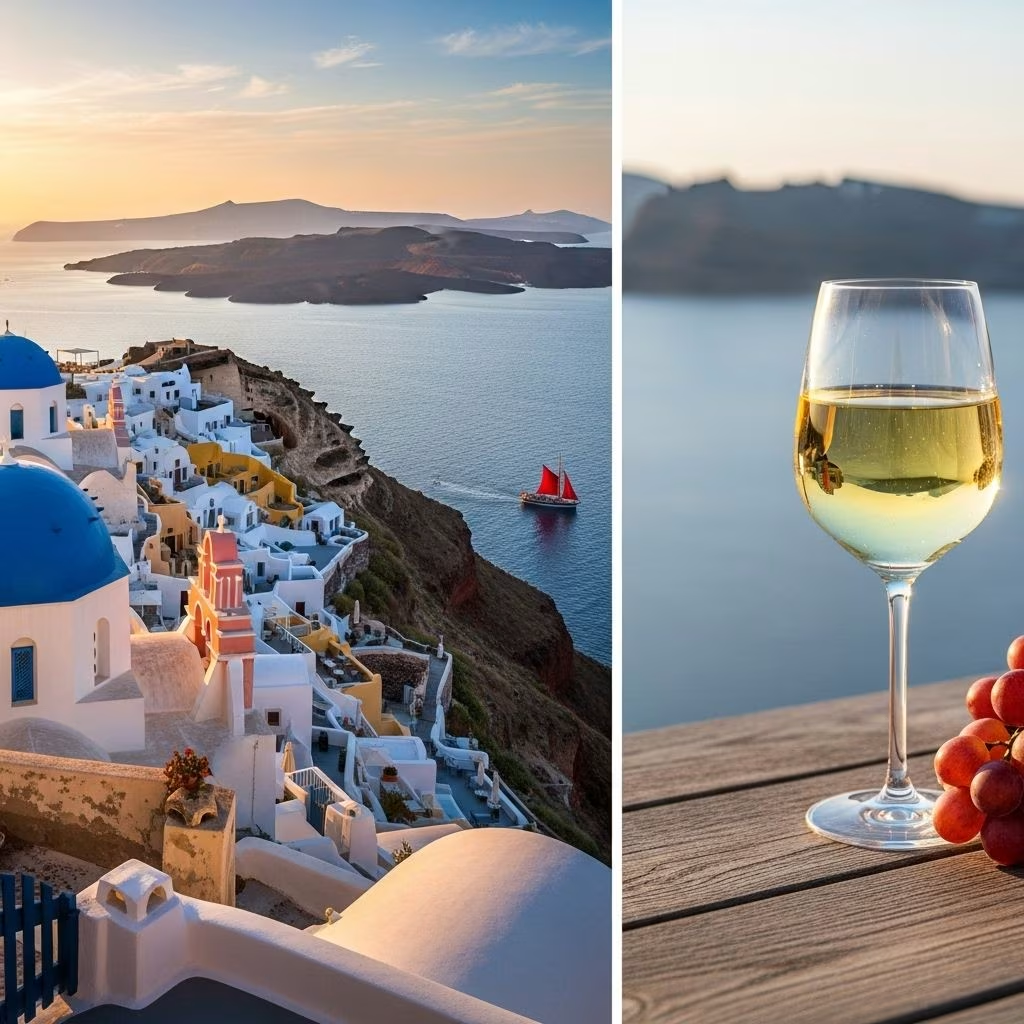
The words “Greek Isles” conjure up visions of sun-bleached houses clustered on rocky hillsides, looking out over dazzling blue sea. With more than 200 Greek islands scattered across the Aegean and Ionian Seas, choosing a destination can be overwhelming. For many, Santorini is the one island that embodies everything magical about Greece: dramatic caldera views, whitewashed villages, ancient ruins, countryside wineries, and memorable beaches.
But to truly appreciate Santorini, visitors must look beyond the famous blue domes and Instagram-perfect sunsets. This island’s allure is defined as much by its explosive natural history and lively local culture as by its ethereal beauty.
The Caldera: Santorini’s Volcanic Heart
The landscape of Santorini is the result of a cataclysmic volcanic eruption thousands of years ago. Originally, it was a single round island, but when the volcano erupted, the center collapsed into the sea, forming a giant caldera – a flooded crater that now fills with sparkling blue water. The jagged ridges of this crater are where Santorini’s clifftop villages perch, jostling for the best views. Some archaeologists believe that this eruption may have contributed to the demise of the Minoan civilization on Crete.
The caldera is the literal and figurative center of Santorini, shaping the island’s terrain and culture. No matter where you walk, the sheer drops and open vistas remind you that this is a place forged by primordial forces.
Iconic Villages: Oia, Fira, and More
At the northern tip of the island lies Oia (pronounced “EE-ah”), a village so charming and picturesque that it often appears on the covers of Greece’s travel posters. Its whitewashed houses, blue-domed churches, and winding lanes seem almost to cascade down the steep slopes of the caldera. Photographers and artists flock here for the iconic sunset views, and it’s a favorite spot for newlyweds from around the world seeking romantic wedding photos.
Fira, the main town, rises dramatically above the port, with shops, tavernas, and tiny streets humming with energy day and night. While Fira offers festive crowds and bustling nightlife, Oia retains a more tranquil, contemplative atmosphere. Exploring these villages on foot reveals hidden courtyards, vibrant bougainvillea, and panoramic terraces.
The smaller villages like Pyrgos and Emporio offer quieter escapes into traditional Greek life. Here, donkey paths double as winding streets, and the hospitality is genuine. In these less-touristy neighborhoods, visitors can sample authentic island cuisine and chat with local residents over rich coffee or chilled wine.
- Oia: Ideal for sunset views, wedding photography, and serene strolls.
- Fira: Vibrant nightlife, shopping, and central transportation hub.
- Pyrgos & Emporio: Traditional charm, local tavernas, and authentic island life.
Ancient Ruins: Akrotiri & Archaeological Heritage
Santorini is not just beautiful—it also sits atop layers of ancient history. When the volcano erupted, it buried the Bronze Age city of Akrotiri under ash and pumice, preserving much of it for future generations. Today, Akrotiri is known as the “Pompeii of the Aegean.” Visitors can walk through remarkably intact ruins, see multi-story villas, sophisticated drainage systems, and exquisite wall frescoes that offer glimpses into the life of the island’s ancient inhabitants.
For those wanting more, the Museum of Prehistoric Thera in Fira holds artifacts from Akrotiri and the wider Cyclades, revealing stories of trade, art, and daily life from over 3,500 years ago.
- Akrotiri: Bronze Age city preserved by volcanic ash. Guided tours available.
- Museum of Prehistoric Thera: Artifacts, frescoes, and Minoan history.
- Ancient Thira: Cliffside ruins from Greek and Roman times.
Wineries and Countryside: Santorini’s Unique Taste
Beyond the bustling villages and ancient ruins lies Santorini’s sun-drenched countryside, dotted with vineyards and family farms. Santorini’s volcanic soil makes the island’s wine distinctive: grape vines grow coiled close to the ground in basket shapes to resist the wind and retain moisture.
Assyrtiko is the most famous local wine, crisp and mineral-rich—a perfect match for the Mediterranean climate. Guided tastings and winery tours let visitors appreciate the artistry behind every bottle. In addition, local specialties like fava (creamy yellow split peas) and tomatokeftedes (tomato fritters) bring out flavors unique to the island’s terroir.
- Assyrtiko Wine: Crisp, dry, and celebrated worldwide.
- Winery Tours: Examples include Santo Wines, Venetsanos, and Gavalas.
- Local Produce: Capers, cherry tomatoes, and fava beans.
Santorini Beaches: Volcanic Sands and Crystal Waters
Santorini’s beaches may not offer the classic golden sand of other Greek islands, but they captivate with their volcanic colors and dramatic settings. The Red Beach near Akrotiri is framed by red cliffs and rust-colored sand; the Black Sand Beaches of Kamari and Perissa stretch wide and wind-swept beside the Aegean.
Beachgoers will find umbrellas, loungers, and water sports at commercial beaches, plus rustic tavernas serving fresh grilled fish and local wine. For a quieter experience, seek out the less-visited shores of Vlychada or Ammoudi Bay.
- Red Beach: Famous for its striking red volcanic cliffs.
- Kamari & Perissa: Popular for water sports and beach bars.
- Vlychada: Secluded and peaceful, with lunar-like landscape.
- Ammoudi Bay: Accessible by stairs from Oia, known for seafood tavernas.
The Santorini Experience: Arriving By Sea or Air
Most visitors to Santorini arrive by ferry or by cruise ship. Ferries dock at the base of the caldera, where visitors must climb hundreds of meters to reach Fira—either by bus, cable car, or (traditionally) donkey. Cruise passengers typically have a short time to explore, so it pays to prioritize must-see highlights.
Arrivals by plane land at Santorini’s small airport, a few minutes from Fira. Regular public buses and private transfers link the airport and ferry port with all parts of the island. Regardless of how you arrive, the first glimpse of Santorini’s cliffs—whether from sea or sky—is breathtaking.
- By Ferry: Arrive at Athinios port, ascend to Fira by bus or cable car.
- By Cruise Ship: Tender to the old port beneath Fira, then ascend.
- By Air: Direct flights to Santorini’s airport from Athens, mainland Europe, and beyond.
Local Life and Greek Hospitality
Despite intensive tourism, Santorini remains deeply Greek. The rhythms of daily life still include lazy coffees, animated conversations, and leisurely family meals. In the back lanes of villages, you’ll hear the laughter of children and the clink of dominoes from old men’s cafés.
Many visitors choose to stay in family-run guesthouses, called domatia, where hospitality is personal. Don’t miss the chance to try a home-cooked meal or join a winemaker’s table for a long, laughter-filled dinner. Greek hospitality—filoxenia—is legendary, and on Santorini it is woven into every encounter.
- Domatia: Traditional guesthouses, often locally owned.
- Traditional Cuisine: Try moussaka, grilled fish, and Santorini specialties.
- Festivals: Seasonal religious processions, music, and village feasts.
Practical Travel Tips for Santorini
To get the most from Santorini, plan to spend at least two or three days exploring its villages, beaches, and countryside. Avoid mid-afternoon crowds in hotspots like Oia, and aim for early mornings or late evenings for more tranquil experiences.
Public buses connect all main towns, but renting a car or ATV offers more freedom. Walking paths link villages and offer some of the island’s best viewpoints—especially the scenic cliffside trail between Fira and Oia, which takes about two hours at a moderate pace.
Weather: Summers are hot and dry, with almost guaranteed sunshine; spring and fall bring fewer crowds and cooler evenings. Winters are quiet, and many tourist facilities close, but the landscape is peaceful and relaxed.
- When to Visit: April-May and September-October for mild weather and fewer crowds.
- Transport: Buses, rental vehicles, and walking paths are best for getting around.
- Budget: Luxury and budget options are plentiful; advance reservations essential in summer.
Frequently Asked Questions (FAQs)
Q: Can you visit Santorini on a day trip from Athens?
A: While it’s possible, travel time by ferry or flight means you’ll have only a few hours on the island. A minimum stay of two nights is recommended for the full Santorini experience.
Q: What is the best time of year to visit Santorini?
A: The shoulder seasons—April to early June and September to October—offer warm weather, fewer crowds, and lower prices than the peak summer months.
Q: Are there unique local dishes to try in Santorini?
A: Yes! Don’t miss fava (split-pea puree), tomatokeftedes (tomato fritters), grilled octopus, and fresh-caught fish, served with Assyrtiko wine.
Q: How do you get from the port to the main towns?
A: Options include cable car, bus, or walking up the steep scenic path. Donkeys are also available but are less common today than in years past.
Q: Where can I find the best sunset views?
A: Oia’s cliffside terraces are famous for sunsets, but Fira and Imerovigli also have spectacular vantage points with fewer crowds.
Santorini Highlights Comparison Table
| Village | Famous For | Atmosphere | Must-See |
|---|---|---|---|
| Oia | Sunset, Blue Domes | Romantic, Tranquil | Sunset views, shopping |
| Fira | Main town, Nightlife | Lively, Crowded | Cliff views, museums |
| Pyrgos | Traditional village | Peaceful, Historic | Castle, local tavernas |
| Kamari | Black sand beach | Active, Beach life | Snorkeling, cafes |
Conclusion: Santorini’s Enduring Magic
Santorini’s blend of volcanic landscapes, ancient history, vibrant villages, and hospitable locals make it much more than just a pretty face on a postcard. To experience the true spirit of Santorini, seek out its quiet corners, ancient pathways, tasting rooms, and sunset terraces. Whether you are drawn by its dramatic beauty or by its cultural depth, Santorini remains a place where the past and present dance above the sparkling Aegean Sea.
References
- https://www.ricksteves.com/watch-read-listen/video/tv-show/greek-islands
- https://blog.ricksteves.com/blog/tag/santorini/
- https://www.youtube.com/watch?v=Er9R5tIymoM
- https://www.ricksteves.com/watch-read-listen/read/articles/santorini-greece-island
- https://www.ricksteves.com/europe/greece/santorini
- https://community.ricksteves.com/travel-forum/greece/santorini-back-in-business
- https://community.ricksteves.com/travel-forum/greece/hotel-and-sightseeing-recommendations-for-santorini
- https://www.tripadvisor.com/ShowTopic-g189433-i245-k13961624-o70-What_Rick_Steves_and_Santorini_Dave_Did_not_Tell_You-Santorini_Cyclades_South_Aegean.html
- https://community.ricksteves.com/travel-forum/trip-reports/greek-odyssey-trip-report-santorini-mykonos-and-athens-may-2024