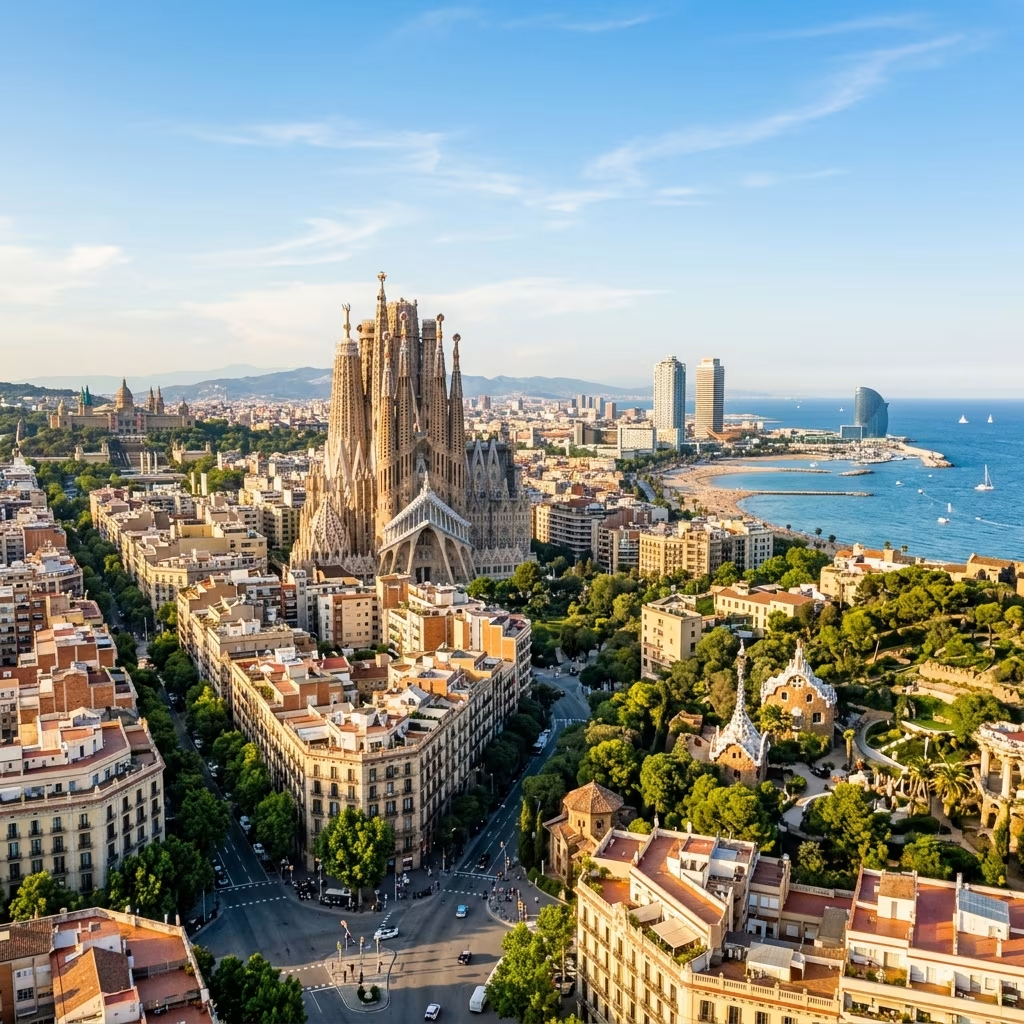
Barcelona draws millions of visitors each year with its blend of modernist architecture, Mediterranean beaches, vibrant neighborhoods, and Catalan culture. Deciding when to visit is key to making the most of your trip, whether you’re after festivals, pleasant weather, lighter crowds, or the best value for your money. This guide covers everything you need to know about timing your Barcelona getaway.
Barcelona’s Climate and General Travel Seasons
Barcelona’s Mediterranean climate means mild winters and hot, humid summers. Weather is a defining factor in your experience, influencing everything from how many layers to pack, to how long you’ll spend waiting in lines or jostling for space at popular sights.
| Season | Avg. High (°C/°F) | Avg. Low (°C/°F) | Rainfall |
|---|---|---|---|
| Spring (Mar–May) | 16–22 / 61–72 | 9–14 / 48–57 | Moderate |
| Summer (Jun–Aug) | 26–30 / 79–86 | 18–21 / 64–70 | Low |
| Autumn (Sep–Nov) | 17–28 / 63–82 | 10–19 / 50–66 | Moderate-High |
| Winter (Dec–Feb) | 13–16 / 55–61 | 5–8 / 41–46 | Low |
- Spring (March–May): Fresh and increasingly warm, with blossoms in city parks and fewer tourists compared to summer. Occasional rain is possible, especially in March and April.
- Summer (June–August): High season, marked by hot, humid days and warm nights. Expect major crowds, especially in July and August, when much of Europe holidays in Spain. It can be sticky, so pack light and be prepared for busy attractions.
- Autumn (September–November): Warm days lingering through September, a gentle cool-down into November. Crowds and prices start falling. Occasional showers possible, especially in October.
- Winter (December–February): The city rarely freezes; days are cool and crisp, with occasional rainy spells. Barcelona is quieter, except around Christmas and New Year festivities. Many attractions and restaurants remain open, though some may close for winter holidays or renovations.
Peak, Shoulder, and Off-Peak Seasons
Your travel experience in Barcelona varies dramatically depending on whether you visit at the height of summer, the peaceful winter months, or somewhere in between. Here’s how crowds and pricing break down:
- Peak Season: June to August. Sun-soaked beaches and buzzing city streets, but highest accommodation prices and maximum tourist crowds. You’ll wait in lines for major sights. Advance booking for accommodation and attractions is essential.
- Shoulder Season: March–May and September–November bring enjoyable weather, manageable crowds, and more affordable flights and hotels. This is widely viewed as the best time for a balanced experience.
- Low/Off-Peak Season: December to February (excluding holidays) sees the lowest crowds and the best deals, but cooler, sometimes chilly, weather. Attractions are open, but some experiences (like open-air nightlife) are limited.
Month-by-Month Highlights and Considerations
Every month in Barcelona has something unique to offer. Here’s what to expect:
- January: Cool, relatively quiet, with post-holiday relaxation. Soldes (sales) start in shops. Great for museums and food lovers.
- February: Chilly, with occasional Carnival celebrations brightening the mood. Visitor numbers remain low.
- March: Days get longer and warmer, spring events begin. Cherry blossoms and sidewalk cafes return.
- April: Optimal for sightseeing, though showers are more common. The city celebrates Sant Jordi (Catalan ‘Valentine’s Day’) — a festival of books and roses across La Rambla.
- May: One of the best times to visit: warm but not hot, long days, and lively happenings including major music festivals.
- June: Early summer buzz, pleasant weather, outdoor concerts, and the fiery feast of Sant Joan (midsummer), with fireworks on beaches.
- July: Hot and humid, peak crowds, abundant festivals, and packed beaches.
- August: Hottest and most crowded. Locals often vacation elsewhere, some small businesses close. The vibrant Gràcia Festival fills streets with color and music.
- September: Still summery, but less crowded. The city’s massive Festes de la Mercè, featuring fireworks, parades, and concerts, dominates the third week.
- October: Mild and mostly dry, with diminishing crowds. A great balance between price, weather, and activities.
- November: Cooler, with sporadic rain. Quiet city walks and cozy cafés.
- December: Festive lights return, Christmas markets and New Year celebrations begin. Tourism peaks again around holidays.
Barcelona’s Major Events and Festivals
Barcelona is renowned for its festivals, which bring unique energy and color to the city’s streets. Consider these headline events when planning:
- Sant Jordi (April 23): Barcelona’s most romantic day, when the city turns into a sea of books and roses.
- Primavera Sound (late May/early June): One of Europe’s top music festivals, drawing world-class acts and thousands of fans.
- Sant Joan (June 23–24): Marking the summer solstice with bonfires, fireworks, and late-night parties on the beach.
- Grec Festival (July): A performing arts fixture with concerts, plays, and dance at wonderful open-air venues.
- Festa Major de Gràcia (mid-August): Streets transform with elaborate decorations, live music, and food.
- Festes de la Mercè (late September): Barcelona’s grandest festival—parades with giant puppets, castellers (human towers), and spectacular fireworks.
- Christmas Markets (December): The Santa Llúcia market fills the square outside the cathedral with nativity figures and seasonal treats.
How Crowds and Prices Fluctuate
Barcelona is now one of Europe’s busiest urban tourist destinations, with visitor numbers affected by several main factors:
- Summer (especially July and August): Heaviest crowds. Expect lines of 45 minutes or more at top sights; beaches and promenades are packed. Hotels and flights hit their peak rates.
- Spring and Autumn: Busy but bearable. Cruise ship arrivals and school holidays can still create spikes in crowds at times. Book advance tickets for major attractions.
- Winter: Lowest crowd levels outside Christmas/New Year. Many museums and attractions operate normally, and it’s much easier to get reservations at restaurants.
Insider Tips for Avoiding Crowds
- Visit top sights (like Sagrada Família, Park Güell, Casa Batlló) after 4pm, when morning cruise ship crowds diminish.
- Buy advance skip-the-line tickets for major attractions—the difference can be hours saved in summer.
- Avoid Mondays: many museums are closed, causing other open sights to be more crowded.
- Plan major museum days on Tuesdays when attractions first reopen.
- Take early walks through neighborhoods, before tourists fill picturesque lanes.
Attractions and Experiences: Seasonal Considerations
The time of year shapes your experience of Barcelona’s highlights. Here are key sites, with timing tips:
- Sagrada Família: Visit late afternoons for smaller crowds and extraordinary light on stained glass. Expect security lines, especially during peak months.
- Park Güell: Timed-entry tickets (especially in high season) are essential. Go early in the morning or in the evening for cooler temperatures and quieter paths.
- Barceloneta Beach: Vibrant and busy in summer; quieter and pleasant for walks or seafood in winter.
- Picasso Museum: Packed during the day, particularly on weekends. Consider late opening hours one day weekly.
- Montjuïc Hill & Magic Fountain: Best at sunset; summer brings evening events and light shows.
Sample Itineraries for Every Time of Year
Single Day Hit-List
- Stroll the historic Barri Gòtic and tour the Cathedral of Barcelona.
- Meander down La Rambla to the harborfront.
- Enjoy lunch in El Born or near the waterfront.
- Visit the Picasso Museum in the afternoon.
- Explore the Sagrada Família in the late afternoon, followed by Passeig de Gràcia’s architectural icons.
Two or More Days
- Dedicate one day to the Old City—Barri Gòtic, Ramblas, and the Picasso Museum.
- Spend a second day marveling at Gaudí’s works: Sagrada Família, Park Güell, Casa Batlló, Casa Milà.
- With more time, see Montjuïc’s museums, enjoy Barceloneta’s beach, or take a day trip to Montserrat.
Planning and Booking Tips
- Book Accommodation Early: For spring and summer, reserve hotels three to six months in advance for the best selection and pricing.
- Buy Attraction Tickets Online: This prevents long waits and ensures entry at your chosen time, especially important for Sagrada Família and Park Güell.
- Public Holidays: On Catalan and Spanish holidays (especially around Easter, Sant Joan, La Mercè, and Christmas), expect closures or altered schedules for sights and shops.
- Transportation: Barcelona’s metro and buses cover all major areas and operate year-round, but taxis can be scarce during festivals and strikes.
- Flexible Packing: In shoulder seasons, layer clothing for chilly mornings and warm afternoons. Sunscreen is essential from late spring through early autumn.
Frequently Asked Questions
Q: What is the absolute best month to visit Barcelona?
A: Most travelers and locals agree that May, early June, and late September offer the best balance of mild weather, lower crowds, and active events. Early spring and early fall are both excellent alternatives.
Q: When are Barcelona’s main tourist attractions less crowded?
A: Crowds are lowest in winter (December–February), outside of the holiday weeks, and during midweek any time of year. Late afternoons (after 4pm) also tend to be quieter at the main sites.
Q: Can you swim in Barcelona’s beaches year-round?
A: Swimming is most comfortable from June through early October, when sea temperatures are warm. In winter, the beaches are best for walking, jogging, or enjoying seafood, but water temperatures are unsuitable for swimming without a wetsuit.
Q: Is anything closed in winter?
A: Most main attractions, museums, and restaurants remain open year-round. Some smaller shops and local tapas bars might close briefly for holidays or renovations, especially in January or after New Year’s.
Q: How important is it to book tickets in advance?
A: For popular sites like Sagrada Família, Park Güell, and Casa Batlló, advance tickets are highly recommended year-round to skip lines and guarantee entry, especially during weekends, holidays, and high season.
Essential Travel Tips for Every Season
- Stay Hydrated and Use Sunscreen: The sun can be intense from late spring through early autumn.
- Beware of Pickpockets: Busy tourist areas, especially in summer, are prime spots for pickpockets. Use cross-body bags and keep valuables tucked away.
- Local Etiquette: Spaniards dine late; expect lunches starting from 2pm and dinners from 9pm onwards.
- Use Public Transport: The metro and bus system are efficient, affordable, and a good way to beat heavy summer traffic and heat.
- Consider the Siesta: Some small shops and sights still close for a siesta, particularly in the afternoon. Plan accordingly.
Final Thoughts: Choosing Your Perfect Barcelona Experience
There’s truly no bad time to explore Barcelona, but your experience will shift depending on when you arrive. For first-timers craving sun and city life, the late spring and early fall are unbeatable. Culture seekers may prefer the quieter streets and festive warmth of the winter holidays. Whatever season you pick, advance planning and flexible expectations will ensure you make the most of this extraordinary city.
References
- https://www.planetjanettravels.com/3-days-in-barcelona-10-must-do-experiences/
- https://www.ricksteves.com/europe/spain/barcelona-itinerary
- https://community.ricksteves.com/travel-forum/spain/best-time-to-visit-spain
- https://www.ricksteves.com/europe/spain/best-time-to-go-to-spain
- https://www.ricksteves.com/watch-read-listen/video/tv-show/barcelona-and-catalunya
- https://www.tripadvisor.com/ShowTopic-g187497-i44-k3586750-Rick_Steves_Barcelona-Barcelona_Catalonia.html
- https://www.ricksteves.com/watch-read-listen/read/articles/barcelona-vibrant-and-spirited