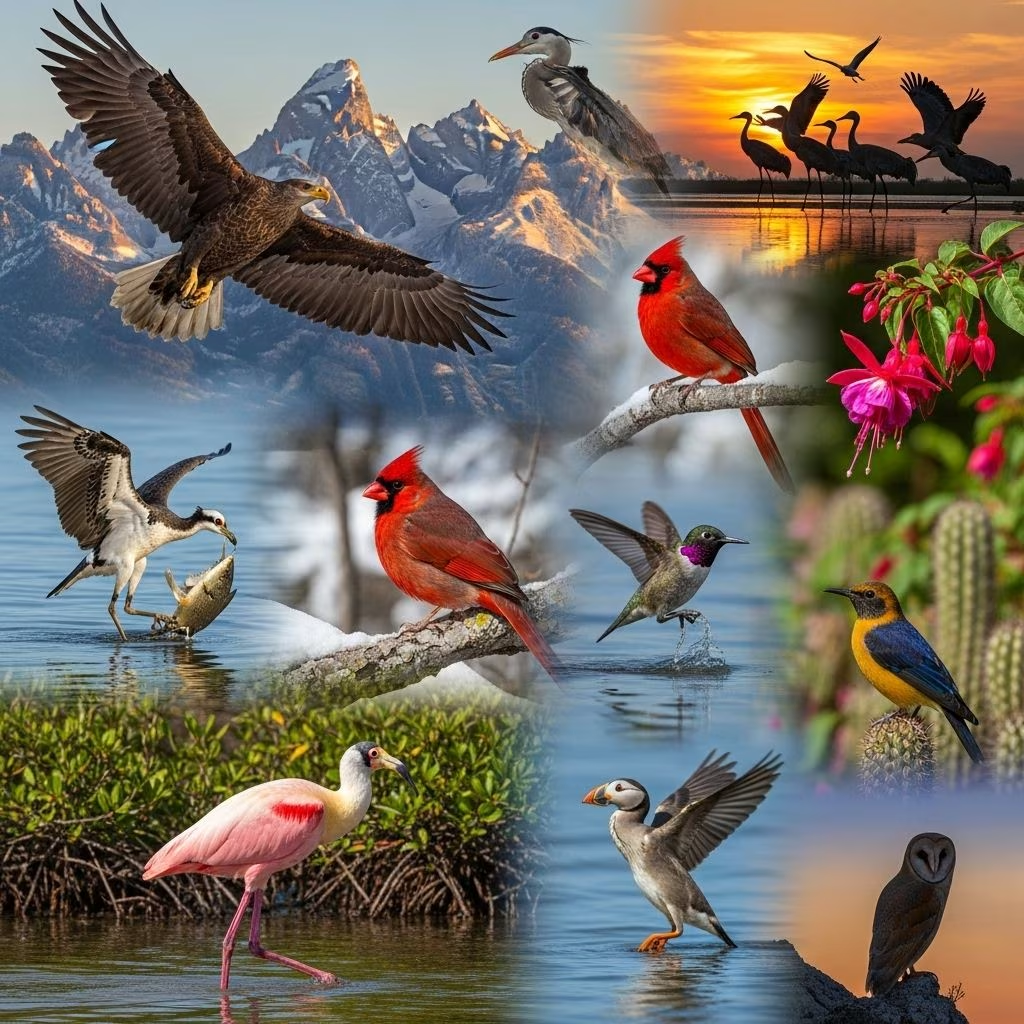
Whether you are a seasoned birder or a beginner with a pair of binoculars, the United States offers a stunning diversity of bird-watching destinations. From rocky coasts and ancient forests to vibrant wetlands and mountain sanctuaries, each location provides a unique window into the world of avian wildlife. This guide highlights the country’s top birding locations—what makes each special, the best times to visit, and helpful tips for enjoying your bird-watching adventure.
Why Go Bird-Watching?
Bird-watching connects you with nature, promotes mindfulness, and offers the excitement of spotting both rare species and common favorites. It’s accessible to all, often free, and an enriching way to explore wild places across America.
18 Must-Visit Bird-Watching Locations in America
- Bosque del Apache National Wildlife Refuge, New Mexico
- Ding Darling National Wildlife Refuge, Florida
- Point Reyes National Seashore, California
- Magee Marsh Wildlife Area, Ohio
- Hawk Mountain Sanctuary, Pennsylvania
- Monterey Bay, California
- Santee Coastal Reserve, South Carolina
- Bear River Migratory Bird Refuge, Utah
- Everglades National Park, Florida
- Central Park, New York
- High Island, Texas
- Montrose Point Bird Sanctuary, Chicago, Illinois
- Greer Spring National Natural Landmark, Missouri
- Balcones Canyonlands National Wildlife Refuge, Texas
- Great Smoky Mountains National Park, Tennessee/North Carolina
- Acadia National Park, Maine
- Great Dismal Swamp National Wildlife Refuge, Virginia/North Carolina
- Salton Sea, California
Bosque del Apache National Wildlife Refuge, New Mexico
Signature Birds: Sandhill Cranes, Snow Geese, Gambel’s Quail, various raptors and waterfowl
Nestled in the desert landscape near Socorro, this internationally cherished refuge draws tens of thousands of migratory birds each year. Peak season arrives in late autumn, when the Festival of the Cranes celebrates the arrival of sandhill cranes and snow geese. Elevated boardwalks, loop drives, and observation decks offer excellent opportunities to spot quail darting across the paths, roadrunners, and a spectacular assortment of wintering ducks and raptors.
Best time to visit: November to February.
Ding Darling National Wildlife Refuge, Florida
Signature Birds: Roseate Spoonbill, White Pelican, Yellow-crowned Night-Heron
Located on Sanibel Island off Florida’s west coast, this renowned refuge is a haven for wading birds and shorebirds. Visitors can explore tidal flats and mangroves on bike, by foot, or by car along a well-marked wildlife drive. The vibrant pink roseate spoonbills and great egrets create a painterly scene at sunrise and sunset.
Best time to visit: December to April, especially during spring migration.
Point Reyes National Seashore, California
Signature Birds: Western Snowy Plover, Common Murre, numerous songbirds and waterfowl
Jutting into the Pacific north of San Francisco, Point Reyes collects windborne migrants and supports nearly 500 bird species—the highest of any national park in the US. Its headlands, beaches, lagoons, and woodlands attract nesting plovers, rare vagrants, and vibrant fall migrations. Don’t miss the celebrated Palomarin Field Station for hands-on science demonstrations and Abbotts Lagoon trail for a diversity of land and waterfowl.
Best time to visit: Year-round, with spring and fall migrations offering peak variety.
Magee Marsh Wildlife Area, Ohio
Signature Birds: Warblers, Thrushes, Bald Eagles
Situated along Lake Erie’s southern shore, Magee Marsh is legendary among birders for its exceptional springtime warbler spectacle. The boardwalk trail guides visitors through dense shrubs and swamp woods as waves of colorful songbirds funnel north to their nesting grounds. Bald eagles nest nearby, and the boardwalk makes for accessible birding.
Best time to visit: Early to mid-May.
Hawk Mountain Sanctuary, Pennsylvania
Signature Birds: Broad-winged Hawks, Bald Eagles, Falcons
Known for its dramatic raptor migrations, Hawk Mountain is perched on the Appalachian flyway. Visitors can watch hawks, falcons, and eagles gliding overhead from craggy overlooks. Interpretive trails also showcase woodland songbirds and local flora. The peak of raptor passage brings both spectacle and science, as researchers tag and track migrating birds.
Best time to visit: Mid-September to November for the fall raptor migration.
Monterey Bay, California
Signature Birds: Shearwaters, Puffins, Cormorants, Shorebirds
Monterey Bay is renowned for its coastal and pelagic birding. In addition to on-shore sightings of shorebirds and harbor cormorants, specialized boat tours take birders out to sea for a chance to spot rare species like storm-petrels, puffins, and sooty shearwaters.
Best time to visit: August to October for pelagic species, winter for migrating waterfowl.
Santee Coastal Reserve, South Carolina
Signature Birds: Painted Bunting, Wood Stork, Herons, Egrets
This low-country reserve protects a blend of tidal creeks, freshwater marshes, forested hammocks, and cypress sloughs. Birders regularly spot a dazzling array of southern breeding birds in spring and summer, including the colorful painted bunting. The reserve also supports large flocks of wood storks and waterfowl during migration.
Best time to visit: April to August.
Bear River Migratory Bird Refuge, Utah
Signature Birds: White-faced Ibis, American Avocet, Grebes, Ducks, Swans
Set amid vast wetlands at the edge of the Great Salt Lake, Bear River hosts more than 250 bird species. Its auto tour route and observation decks invite both beginners and experts, and spring brings enormous flocks of shorebirds and nesting colonies.
Best time to visit: April through September.
Everglades National Park, Florida
Signature Birds: Snail Kite, Roseate Spoonbill, Limpkin, Herons, Wood Stork
The Everglades offer one of North America’s most dramatic wetland ecosystems. Sloughs, mangroves, and cypress domes draw iconic species alongside rarities. Look for soaring swallow-tailed kites and boat-billed herons along the park’s waterways and trails.
- Best time to visit: December to March during the dry season, when birds congregate at visible pools.
Central Park, New York
Signature Birds: Warblers, Kinglets, Cardinals, Hawks
Central Park’s 843-acre green heart sees massive spring and fall migrations. Its woodlands and ponds are prime habitat for hundreds of bird species—an ornithological hotspot hidden amid Manhattan’s skyscrapers. The Ramble and The Pond are must-visit sections for close looks at warblers, vireos, and thrushes.
Best time to visit: May and September–October.
High Island, Texas
Signature Birds: Scarlet Tanager, Indigo Bunting, Migratory Warblers
This globally famous small town sits atop a salt dome at the edge of the Gulf, acting as a critical stopover for exhausted migrants who have crossed the open water. During spring, trees seem to drip with rainbow hues as warblers and songbirds appear overnight.
Best time to visit: April to early May.
Montrose Point Bird Sanctuary, Chicago, Illinois
Signature Birds: Warblers, Piping Plover, Snowy Owl, Waterfowl
Known as the city’s ‘Magic Hedge,’ Montrose Point is a magnet for both everyday city birds and rarities brought in by Lake Michigan’s winds. Birders can traverse loops and beaches for gulls, terns, sparrows, and, during irruption years, spectacular snowy owls. The park is easily accessible and bustling with a vibrant birding community. Don’t miss the spring and fall migration peaks.
Best time to visit: April–May and September–October.
Greer Spring National Natural Landmark, Missouri
Signature Birds: Cerulean Warbler, Veery, Thrushes, Vireos
This lush Ozark ravine is recognized on the Great Missouri Bird Trail and draws 150+ species of woodland and migrant birds. In spring, the trail is alive with song as warblers and thrushes travel to breeding grounds. Greer Crossing Recreation Area campground offers an extended nature-immersion birding base.
Balcones Canyonlands National Wildlife Refuge, Texas
Signature Birds: Golden-cheeked Warbler, Black-capped Vireo, Painted Bunting
Nestled into the Texas Hill Country, Balcones Canyonlands is a vital nesting refuge for endangered warblers and vireos in a landscape painted with wildflowers. Its wooded canyons allow excellent viewing of rare breeders and other migrants. Bring supplies; services nearby are limited, but the sights are unmatched in late April and May.
Great Smoky Mountains National Park (Tennessee/North Carolina)
Signature Birds: Peregrine Falcon, Scarlet Tanager, Black-throated Green Warbler
The park’s ancient forests and wildflower meadows are alive with birds. The diversity of elevation creates a rich tapestry for species, especially along Cades Cove and Clingmans Dome trails. You might spot more than 200 species from spring through fall.
Acadia National Park, Maine
Signature Birds: Atlantic Puffin, Bald Eagle, Warblers
Acadia’s coastal cliffs draw seabirds like puffins and guillemots; forests and meadows are home to tanagers and kinglets. The park’s varied habitats, from woodlands to rocky headlands, introduce visitors to both rugged ocean birds and woodland songsters.
Great Dismal Swamp National Wildlife Refuge, Virginia/North Carolina
Signature Birds: Prothonotary Warbler, Swainson’s Warbler, Barred Owl
This mysterious, fog-shrouded swamp supports southern specialties, warblers, and large flocks of wintering birds. Boardwalks and paddle trails immerse visitors in this unique habitat.
Salton Sea, California
Signature Birds: Pelicans, Stilts, Avocets, Gulls, Stilt Sandpiper
A vast, saline lake in Southern California’s desert is one of the West’s premier birding destinations. Millions of shorebirds and waterfowl stage here during migration and winter. View flocks from accessible dikes and wildlife areas.
Tips for an Enjoyable Bird-Watching Experience
- Come prepared: Bring binoculars, field guides/apps, sunscreens, insect repellents, and appropriate clothing.
- Check migration calendars: Time your visit to coincide with peak migrations or the arrival of special species.
- Respect wildlife: Keep a safe distance from nests and sensitive species. Stay on trails to protect habitats.
- Connect with local groups: Many sites have staffed centers or local Audubon chapters that offer bird walks and up-to-date sightings.
- Pack essentials: Many remote sites offer limited amenities, so bring your own water, snacks, and prepare for changing conditions.
Frequently Asked Questions (FAQs)
Q: What time of year is best for bird-watching?
A: Spring and fall are peak for bird migrations, though winter brings rare and overwintering species in southern and coastal locations. Local calendars or Audubon chapters often provide site-specific recommendations.
Q: Do I need expensive equipment?
A: While good binoculars enhance the experience, many sites offer excellent views from boardwalks or viewing towers. Field guide apps on your phone are a great resource.
Q: Are these locations suitable for beginners?
A: Yes! Many parks and refuges offer guided walks, visitor centers, and accessible trails.
Q: Should I join a group or go solo?
A: Both options are rewarding. Beginners might benefit from guided hikes or local birding groups for help identifying species, while solo exploration allows quiet observation.
Q: Can I see rare or endangered species?
A: Several sites in this guide, such as Balcones Canyonlands and Point Reyes, protect critical habitat for endangered or rare birds. Check recent sightings reports and be sure to respect closures and protected nesting areas.
Resources for Birders
- Local Audubon Society chapters often lead walks and provide the latest information on sightings.
- NPS.gov and refuge websites offer up-to-date info on access, closures, and viewing tips.
- Popular apps: eBird, Merlin Bird ID, iBird, and Audubon Bird Guide.
Conclusion
The United States boasts some of the world’s finest bird-watching destinations, each offering remarkable opportunities for discovery and connection with nature. No matter where your interest lies—from the spectacle of raptor migration to the rarest songbird—there is a destination ready to be explored. Pack your binoculars, a field guide, and a sense of adventure, and experience the thrill of bird-watching across America’s wildest and most beautiful places.
References
- https://www.birdcollective.com/blogs/news/our-top-15-us-birdwatching-destinations
- https://abcbirds.org/blog/eight-must-see-spring-birding-sites/
- https://birda.org/the-best-us-states-for-bird-watching-a-helpful-illustrated-guide/
- https://www.lonelyplanet.com/articles/best-places-for-birding-usa
- https://www.audubon.org/travel
- https://www.aba.org/aba-area-birding-trails/
- https://www.youtube.com/watch?v=d5h1GfxBXfo
- https://www.biggestweekinamericanbirding.com/birding-locations.html