Hungary Tours: A Gateway to Central Europe's Hidden Treasures
Hungary stands as Central Europe’s vibrant crossroads—a landlocked nation with a dramatic past, remarkable architecture, and a culture as flavorful as its famous paprika. With Rick Steves Hungary tours, travelers experience the country’s greatest highlights, from Budapest’s grandeur to the charm of its lesser-known towns, with every detail expertly arranged for a memorable and stress-free journey.
Rick Steves Hungary Tours: Why Choose Guided Vacations?
Planning a trip to Hungary can be overwhelming, but Rick Steves tours make it seamless by blending experienced guides, curated sightseeing, handpicked central hotels, and authentic local experiences.
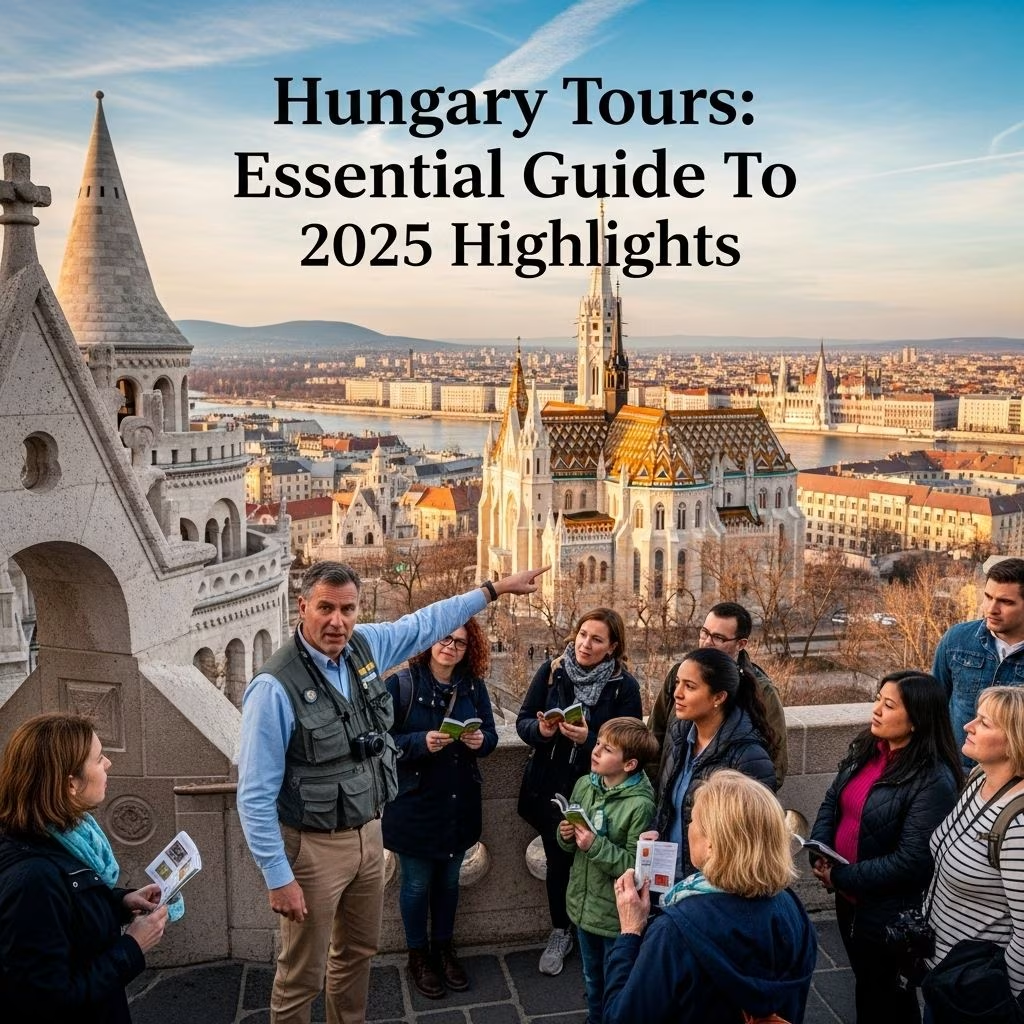
- Expert Guides: Local and seasoned guides lead immersive walks and share stories that bring history and modern Hungary to life.
- Small Groups: Enjoy personal connections and flexible touring pace, perfect for travelers looking for sociable yet deeply local adventures.
- Central Accommodations: Hand-selected hotels put you at the center of the action for easy exploration and late-evening strolls.
- Sightseeing Included: All must-see attractions and hidden gems—entrance fees and logistics handled for you.
- Unique Experiences: Traditional folk shows, relaxing thermal baths, and river cruises deliver memorable local flavor.
Each tour is carefully crafted to take the hassle out of travel, letting you focus on soaking up the rich culture and natural beauty of Hungary.
Signature Hungary & Central Europe Tours
If you’re deciding among itineraries, here are two outstanding options for discovering Hungary (and beyond):
- Central Europe in 15 Days Tour: Begin in picturesque Prague and journey through Kraków, Budapest, and traditional regions across the heart of the continent. Perfect for those seeking diversity, from energetic cities to storybook countryside.
- Prague & Budapest in 8 Days: Link Central Europe’s two jewels—start with Prague’s fairytale allure, then dive into Budapest’s grandeur. Balanced for travelers seeking a focused, immersive experience in both capitals.
Tours often range from $3,095 to $4,895 plus airfare, covering accommodations, most meals, guided sightseeing, and all intercity travel. Each itinerary offers an unforgettable blend of history, architecture, urban life, and cultural discovery.
Highlights of Budapest: The Hungarian Capital
Budapest, a city where East meets West, is composed of Buda and Pest on opposite sides of the majestic Danube River. This capital mesmerizes with its mix of grandeur, charm, and complicated past:
- Thermal Baths: Bask in the elegance of Széchenyi and Gellért Baths—soaking in storied hot springs is a ritual of Budapest life.
- Café Culture & Markets: Relax amid ornate cafés or browse for paprika and local treats at the Great Market Hall.
- Architectural Wonders: Stroll Andrássy út’s stately mansions, climb Castle Hill, and admire the mighty Parliament building—one of Europe’s greatest riverside vistas.
- Vivid History: Visit Memento Park for relics of the Communist era and the House of Terror museum, poignantly recalling Hungary’s 20th-century struggles.
- Danube Cruises: Glide past floodlit landmarks on an evening river cruise—Budapest is arguably Europe’s most stunning nighttime cityscape.
The blend of imperial elegance and everyday vitality makes Budapest unforgettable.
Beyond the Capital: Hungary’s Other Top Destinations
While Budapest often steals the spotlight, Hungary’s countryside and regional towns hold a treasure trove of attractions:
- Eger: Famed for its Baroque architecture and robust local wines, Eger is a mid-sized town boasting one of Hungary’s most storied castles and friendly thermal baths. Museums, quirks, and history abound.
- Pécs: Set in southern Hungary, Pécs impresses with colorful tile-clad buildings, fascinating Roman ruins, and a vibrant arts scene.
- Gödöllő: On Budapest’s doorstep, visit Gödöllő Palace, the summer home of Habsburg royalty, and nearby Lázár Lovaspark for thrilling Hungarian equestrian displays.
- Danube Bend Villages: Meander through the artistic hub of Szentendre, explore hilltop ruins at Visegrád, and marvel at the grand Esztergom Basilica.
- Hollókő: Designated a UNESCO World Heritage Site, this folk village feels like an open-air museum, preserving traditional Hungarian rural life.
- Sopron: A scenic Baroque town near the Austrian border, ideal for half-day strolls amid medieval streets and atmospheric museums.
Each destination offers unique flavors, historical sites, and a glimpse into Hungary’s soulful countryside traditions.
Practical Travel Tips for Hungary
Smart planning ensures your Hungary visit is as smooth as it is enriching. Here’s what every traveler should know:
- Transportation: Hungary boasts efficient trains, reliable buses, intuitive city transit, and scenic driving routes. Budapest’s metro is easy to use and connects major attractions.
- When to Go: Spring and Autumn offer mild weather and colorful festivals; summers can be hot and crowded. Winter holidays in Budapest bring festive markets and less expensive travel.
- Managing Money: Hungary’s currency is the forint (HUF). Credit cards are widely accepted, but having cash is useful for small purchases, markets, and rural sights.
- Local Language: Hungarian (Magyar) is the official language and is unique (unrelated to most other European languages). English, however, is spoken in tourist areas and hotels.
- Cuisine Tips: Hungarian food blends spicy, smoky, and sweet notes—try gulyás (goulash), langos (fried bread), and desserts laced with poppy seeds and walnuts.
- Health & Safety: Hungary is very safe for visitors. Tap water is potable; emergency services are reliable; and most guides assist with any issues.
- Handy Phrases: A few survival words go a long way—learn how to say “hello” (szia), “thank you” (köszönöm), and “cheers” (egészségedre).
- Trip Planning Resources: Utilize pre-trip checklists, keep updated on festival dates, and carry maps for both Budapest and the Hungarian regions you visit.
Sample Itinerary: Classic Hungary Tour
- Day 1–2: Arrive in Budapest, enjoying a guided tour of Castle Hill, Parliament, and Széchenyi Baths. Relax in historic cafés.
- Day 3: Explore the Great Market Hall and Memento Park. Take an optional Danube cruise by night.
- Day 4: Day trip to Gödöllő Palace and horse show at Lázár Lovaspark.
- Day 5: Train to Eger, visiting its castle, strolling Baroque squares, and sampling Bull’s Blood wine.
- Day 6: Continue to Pécs for museums and Ottoman relics.
- Day 7: Meander the Danube Bend—Szentendre, Visegrád, and Esztergom—before returning to Budapest or continuing on to Vienna/Sopron.
This pace allows for immersive exploration, cultural activities, and the flexibility to enjoy local surprises.
Frequently Asked Questions (FAQs)
Q: Is Hungary safe for travelers?
A: Yes, Hungary is generally very safe for travelers. Petty crime is rare, and Budapest and regional towns are considered secure, even at night. Standard urban precautions apply.
Q: Do I need a visa to visit Hungary?
A: Hungary is part of the Schengen Agreement. Most EU and US visitors can enter for up to 90 days without a visa for tourism purposes. Always check current requirements before travel.
Q: What currency is used in Hungary?
A: The official currency is the Hungarian Forint (HUF). While some central hotels and restaurants may take euros, having forints ensures easier transactions.
Q: Can I easily visit other countries from Hungary?
A: Absolutely. Budapest is a transportation hub for Central Europe. Vienna, Bratislava, and Prague are quick train rides away, making multi-country tours popular.
Q: What are Hungary’s can’t-miss experiences?
A: Don’t miss a soak in the thermal baths, a Danube cruise, walks through Budapest’s grand boulevards, local wine tastings in Eger, and folk culture in countryside villages like Hollókő.
Expert Tips: Making the Most of Your Tour
- Book Early: Popular tours fill fast, especially for spring and early autumn departures.
- Embrace Local Customs: Say “thank you” in Hungarian, tip musicians in cafés, and take time to pause and people-watch in the city’s squares.
- Pace Yourself: Hungary’s cities reward slow exploration. Balance sightseeing with rest and spontaneous discoveries.
- Stay Updated: Always double-check transport and city attraction schedules, and look for the latest local festivals or events.
- Share your Stories: After your trip, provide feedback to your tour provider—sharing both highlights and improvements helps future travelers.
Comparing Hungary Tours
| Tour Option | Duration | Main Destinations | Best For |
|---|---|---|---|
| Central Europe in 15 Days | 15 days | Prague, Kraków, Budapest, Vienna, countryside | Travelers seeking a deep dive into Central European culture and variety |
| Prague & Budapest | 8 days | Prague, Budapest | Those seeking a focused experience in two of Europe’s star cities |
Hungary: Where History Meets Hospitality
To travel Hungary is to walk the bridge between East and West, past and future. The ornate cafés, healing baths, evocative ruins, and warm hospitality reveal a nation proud of its story and energetic about its future. A Rick Steves tour ensures you’ll get under the surface, make local connections, and return with memories—and friendships—that last a lifetime.
References
- https://store.ricksteves.com/shop/p/budapest-guidebook
- https://www.ricksteves.com/tours/hungary
- https://www.ricksteves.com/watch-read-listen/video/tv-show/budapest-the-best-of-hungary
- https://www.ricksteves.com/europe/hungary
- https://community.ricksteves.com/travel-forum/hungary/private-guide-budapest
- https://www.youtube.com/watch?v=dASiU-kKx7o
- https://www.tripadvisor.com/ShowTopic-g274887-i263-k6633858-o10-Rick_Steves_travel_guide_good-Budapest_Central_Hungary.html
- https://www.ricksteves.com/watch-read-listen/video/travel-talks/czech-republic-poland-hungary-with-cameron-hewitt
- https://www.ricksteves.com/watch-read-listen/read/articles/budapest-city-of-paradox