Tranquil Tomar: A Portuguese Town Steeped in Templar History
Portugal offers the curious traveler far more than its famous capital and sun-drenched coastlines. Venture beyond Lisbon, and about 90 miles northeast lies Tomar —a picturesque riverside town resting in the lush inland heart of the country. With a legacy carved by the Knights Templar and crowned by the extraordinary Convent of Christ, Tomar offers an absorbing blend of history, culture, festivals, and authentic charm, all without the bustle of crowds found in Portugal’s better-known destinations.
Why Choose Tomar?
- Rich Templar heritage: A unique historical legacy shaped by the medieval knights that changed the course of Europe.
- Walkable riverside beauty: The gentle Nabão River flows through the verdant town center, perfect for peaceful strolls.
- Festivals and culture: From the colorful Festa dos Tabuleiros to contemporary arts, Tomar pulses with local and traditional culture.
- Easy pace and local life: Experience authentic cafés, markets, and neighborhoods, all wrapped in the tranquility of a place often overlooked by mass tourism.
The Heart and History of Tomar
Tomar’s roots reach back to Roman times, but its spirit was truly shaped in the 12th century. Gualdim Pais, Grand Master of the Knights Templar, oversaw the construction of the formidable castle and oratory that dominate the town’s skyline today. Awarded land for their service in the Crusades, the Templars built Tomar using innovative Middle Eastern techniques, weaving their story —and the architecture of their order— into the very stones of the town.
Tomar was meticulously planned as a garrison settlement. Its grid of streets radiates below the hilltop castle, lined with Portuguese pavement and lively with local commerce. These streets are inseparable from the dramatic events of medieval Europe, where crusaders, monks, and kings shaped both faith and fortune.
A Town Forged by the Knights Templar
The Knights Templar were no ordinary Christian order. Both warrior-monks and innovators, their influence spread across Europe:
- Military stronghold: Tomar’s castle was a crucial fortress in defending Portugal from Moorish invasions and safeguarding pilgrims.
- Religious center: The round church (charola) at the Convent of Christ, inspired by Jerusalem’s Church of the Holy Sepulchre, was constructed so knights could be blessed before heading into battle.
- Bankers and benefactors: The Templars created one of Europe’s first banking networks, offering financial services to pilgrims and amassing considerable wealth.
The Convent of Christ: Tomar’s Crown Jewel
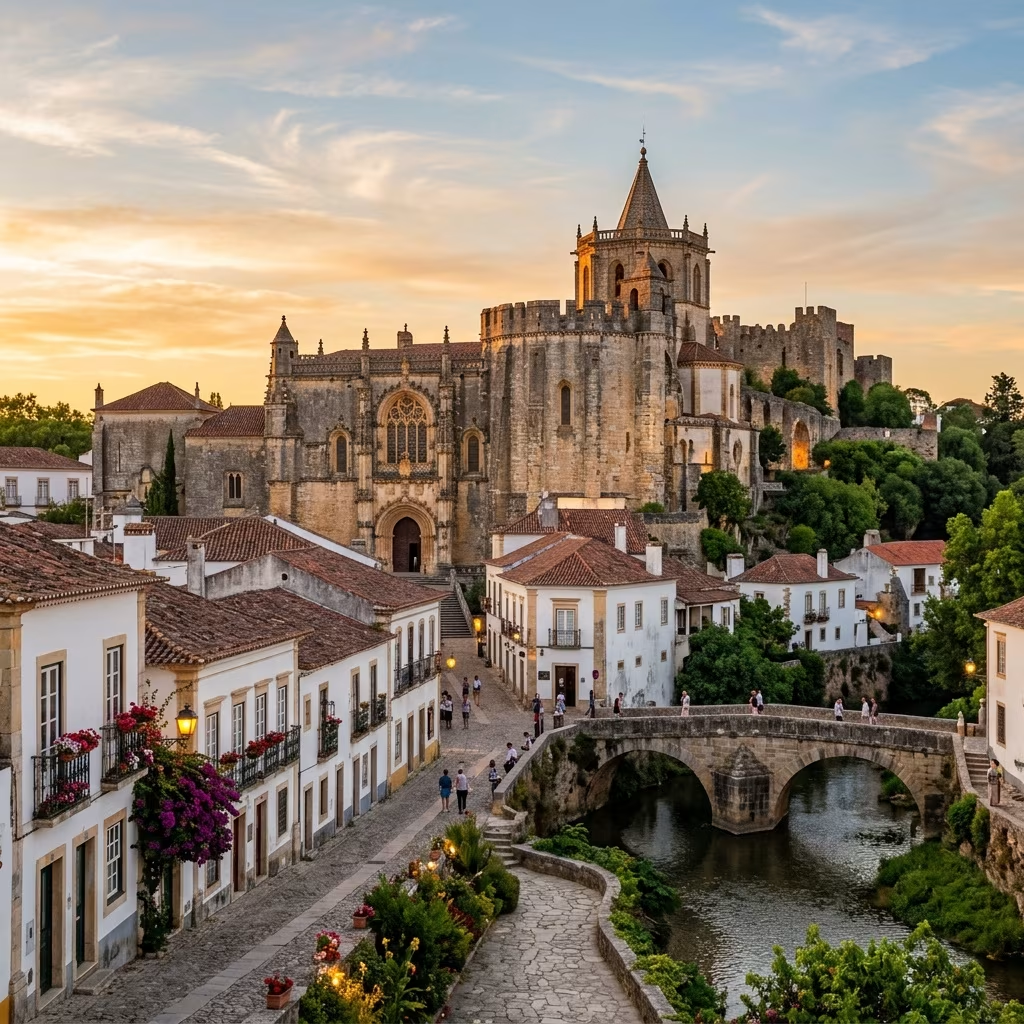
Perched high above the town, the Convent of Christ is one of Portugal’s most captivating monuments and a UNESCO World Heritage site. What began as a humble oratory by the Knights Templar in the 12th century evolved over centuries into a sprawling complex—a remarkable blend of Romanesque, Gothic, Manueline, Renaissance, and Baroque styles.
Key Features of the Convent
- Charola (Round Church): Modeled after the Church of the Holy Sepulchre in Jerusalem, featuring 16 columns and dazzling medieval frescoes.
- Manueline Window: An ornate masterpiece, this iconic window embodies the exuberant maritime style unique to Portugal’s Age of Discovery.
- Knights’ Dormitory, Cloisters, and Halls: Uniquely decorated spaces reveal the ambitions and tastes of successive orders — first the Templars, then the Order of Christ.
- Panoramic Views: The surrounding pine and oak woods, as well as Tomar’s red-tiled roofs, are visible from the convent’s terraces and ramparts.
After the Order of the Knights Templar was suppressed in most of Europe in the early 14th century, Portugal’s King cleverly rebranded the order as the Order of Christ, preserving their assets and continuing their influence. This order played a pivotal part in Portugal’s Age of Discovery—most famously, Prince Henry the Navigator was its Grand Master.
The Nabão River: Tomar’s Tranquil Artery
Much of Tomar’s daily life and scenic charm flows around the Nabão River. This gentle waterway, originating nearby, meanders through the town center before joining the Tagus. Along its banks you’ll find:
- Peaceful park islands: A rebuilt medieval waterwheel sits on a river island park, offering a glimpse of Tomar’s innovative past.
- Ponte Velha (Old Bridge): The stately stone bridge leads directly into Tomar’s historical heart.
- Picturesque walkways: The riverside makes for idyllic strolls, framed by willows and overlooked by ancient ramparts.
Old Town Grid & Praça da República: Exploring Tomar’s Center
The town’s navigable, chequerboard old center is both picturesque and practical. The Praça da República, Tomar’s main square, acts as the community’s living room. Here you’ll discover:
- The statue of Gualdim Pais: Founder of Tomar and the enduring face of its Templar lineage, immortalized in bronze at the heart of the square.
- Cafés and street life: Inviting terrace cafés, local shops, and artists contribute to a laid-back, yet lively ambiance.
- Architectural gems: The 16th-century Church of São João Baptista with its distinctive Manueline portal.
Tomar’s Quirky Museums and Modern Culture
Tomar’s cultural landscape isn’t stuck in the past; it’s delightfully eclectic. In addition to medieval monasteries and chapels, discover:
- The Center for Contemporary Art: Showcasing work by local and national artists.
- Matchbox Museum (Museu dos Fósforos): A unique collection of over 60,000 matchboxes—one of the largest in Europe and a testament to collector passion.
Festivals: Traditions Old and New
Tomar hosts a lively array of cultural events that fill its streets with music, color, and community spirit:
- Festa dos Tabuleiros: Held every four years, this ancient festival draws hundreds of thousands to witness a parade of local women carrying ornate bread-laden trays on their heads—a vibrant display of devotion and local identity.
- Bon Sons Festival & Zêzere Arts Festival: Contemporary music and performing arts events, held in and near Tomar, bring together artists and audiences from across Portugal.
Beyond the Town: The Aqueduct of Pegões and Countryside Trails
Just outside Tomar lies the monumental Acueducto de Pegões, a masterwork of 16th-century engineering that once supplied water to the Convent of Christ. The aqueduct’s arched spans create dramatic vistas and provide a glimpse into the practical grandeur of Portugal’s bygone eras. Surrounding woods and hills offer hiking and biking trails that reward explorers with sweeping views of both nature and ancient masonry.
Practical Travel Tips for Visiting Tomar
- Getting there: Tomar is easily reached by train or car from Lisbon (about 90 miles) and makes for a rewarding overnight stay or a long day trip.
- Exploring on foot: The town’s small, pedestrian-friendly center encourages slow travel. Most major sights can be reached in a leisurely stroll.
- Accommodations: Tomar offers options from boutique hotels in historic buildings to modern guesthouses.
- When to visit: Spring and autumn offer mild weather, while festival periods offer unique cultural immersion (expect crowds during Festa dos Tabuleiros).
Tomar vs. Portugal’s Touristy Towns
| Feature | Tomar | Lisbon / Algarve |
|---|---|---|
| Crowds | Low | High |
| Cost | Affordable | Moderate to Expensive |
| Historic Sights | UNESCO Convent, Templar Castle | Many, but often busier |
| Atmosphere | Tranquil, authentic | Bustling, cosmopolitan |
| Festivals | Local, traditional, unique | Major, international |
FAQs: Visiting Tomar
Q: What is the main attraction in Tomar?
A: The Convent of Christ—a former Templar stronghold turned grand monastery—is Tomar’s signature site and a UNESCO World Heritage treasure.
Q: How long should I spend in Tomar?
A: While it’s possible to visit key attractions in a single day, staying overnight allows you to experience the tranquil evening ambiance, local dining, and a slower pace.
Q: Is Tomar suitable for family travel?
A: Yes, Tomar is family-friendly, with safe streets, parks, hands-on museums, and educational history for all ages.
Q: When is the best time to experience local culture?
A: Visiting during festivals such as Festa dos Tabuleiros or local arts events offers the most immersive experience, but Tomar’s charm endures year-round.
Q: Are guided tours available?
A: Both guided and self-guided options exist. Knowledgeable guides often bring Tomar’s Templar legends and architectural details vividly to life.
Discover Tranquil Tomar: A Gem Waiting in Portugal’s Heart
Tomar distills many of Portugal’s greatest allures—stirring European history, architectural splendor, vibrant traditions, and friendly hospitality—into a lush and approachable riverside setting. Whether you’re following in the paths of medieval knights, soaking up local artistry, or relaxing at a riverside café, Tomar delivers the true flavor of Portugal, far from the clamor of the usual tourist trails.
References
- https://www.islands.com/1649232/untouristed-town-tomar-rick-steves-recommends-taste-portugal-without-crowds/
- https://blog.ricksteves.com/blog/tomar/
- https://www.ricksteves.com/watch-read-listen/read/articles/tomar-portugal
- https://community.ricksteves.com/travel-forum/portugal/private-guide-in-tomar
- https://www.ricksteves.com/europe/portugal
- https://www.youtube.com/watch?v=j6mk57iDod4
- https://www.ricksteves.com/syndicated-content