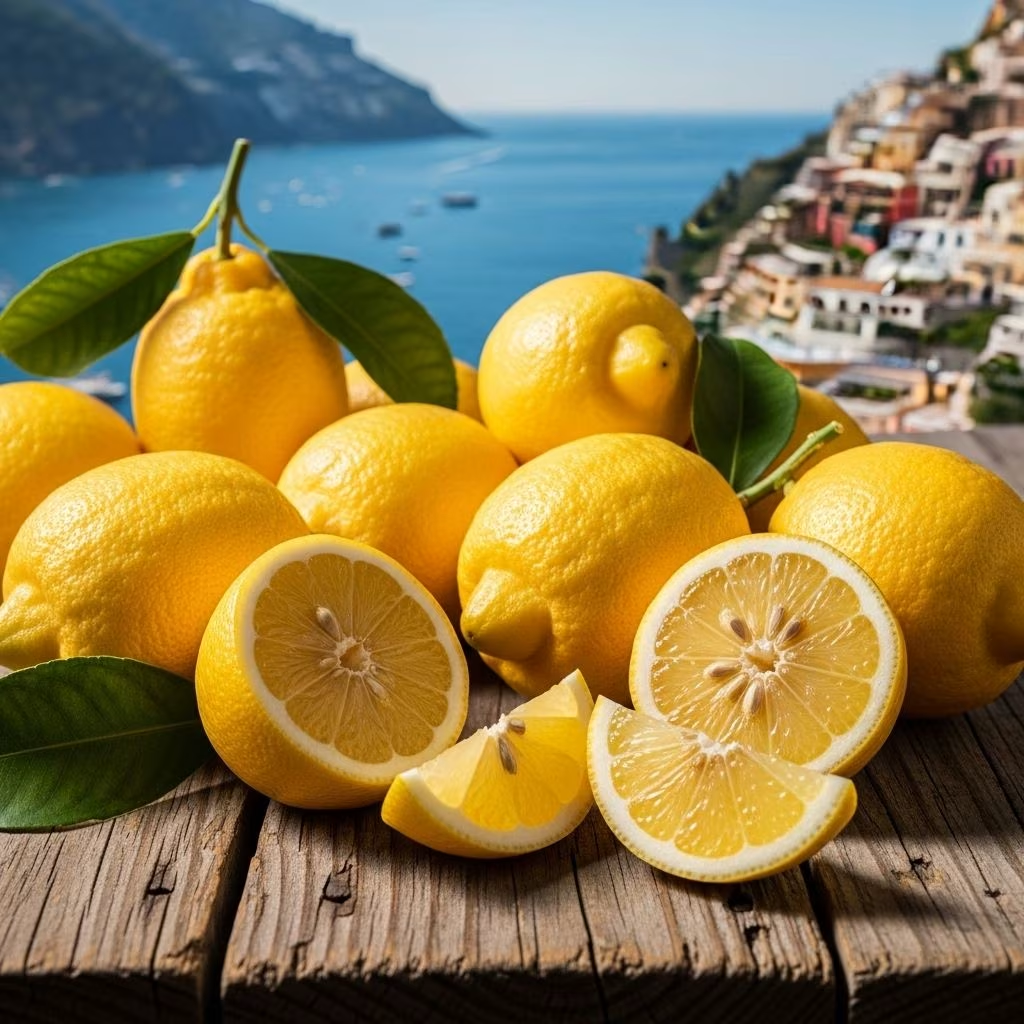
The Splendor of Lemons on Italy’s Amalfi Coast
Italy’s Amalfi Coast is more than a feast for the eyes. Its iconic coastal cliffs, tumbling into the turquoise Mediterranean, are terraced with vibrant, aromatic lemon groves that shape the region’s life and culture. From cascading orchards and bustling markets to family kitchens and artisanal workshops, lemons are deeply woven into Amalfi’s history and daily rhythms. In Italy, the story of lemons is a narrative of tradition, innovation, and sunshine bottled in every golden fruit.
The Roots of Amalfi’s Legendary Lemons
The Amalfi Coast, in southern Italy’s Campania region, is recognized worldwide for its exceptional lemons. In Sorrento and Amalfi, lemon groves rise in terraces carved from steep hillsides, their roots anchored in mineral-rich volcanic soil and limestone. The microclimate—warm, humid sea breezes, abundant sunshine, and gentle rains—cultivates a distinctly aromatic, less acidic, and incredibly flavorful lemon famed as the Sfusato Amalfitano.
Centuries of meticulous cultivation gave rise to an industry—and a way of life—reflected in everything from architecture to cuisine. Farmers ingeniously constructed stone terraces to prevent erosion while maximizing sunlight. Families have tended the same groves for generations, passing down both trees and techniques. The result is lemons that are:
- Large, elongated, and bumpy-skinned
- Exceptionally fragrant with essential oils in their zest
- Balanced in sweetness and acidity, suitable for both eating and cooking
The Lemon in Everyday Amalfi Life
In Amalfi, lemons are more than just a fruit; they are intrinsic to local identity. Their harvest drives the yearly rhythms of work and celebration. The sight of lemons hanging in great netted clusters, destined for kitchen tables and global export, is as iconic as the views themselves.
- Markets are brimming with fresh lemons, homemade lemon jams, and candied peels.
- Shops display an array of lemon-themed goods—from soaps and ceramic tiles to aprons and trinkets.
- The region’s artisanal production methods favor hand-picking, careful sorting, and immediate processing to capture the fruit’s vivid aroma and taste.
The Story of Limoncello: Nectar of the Amalfi Sun
Perhaps nothing captures the spirit of Amalfi lemons more fully than limoncello, the signature liqueur of southern Italy. Made by steeping lemon zest in high-proof neutral spirits, then blending with simple syrup, this neon-yellow digestive is sweet, tart, and irresistibly aromatic.
Limoncello is traditionally served cold—sometimes directly from the freezer—in tiny chilled glasses after meals. It is both a symbol of hospitality and a cherished reminder of the Mediterranean sun. Locals reserve their best homebrew for special occasions, and travelers often sample it directly from small family-run distilleries.
How Limoncello is Made: The Artisanal Process
- Start with 15 organic Amalfi lemons (washed and scrubbed thoroughly).
- Peel the zest without including the bitter white pith.
- Combine the zest with 1.5 liters of high-quality 100-proof vodka or pure grain alcohol in a large glass jar.
- Seal and store in a cool, dark place for 10-60 days, allowing the alcohol to extract essential oils—longer infusions yield deeper flavor and color.
- Prepare a syrup from 4.5 cups sugar and 5 cups water; cool, then combine with the lemon-infused alcohol.
- Rest the mixture another month before straining and bottling. Store in the freezer for optimal sipping.
Every sip is a taste of southern Italy—reminding the drinker of scented terraces, warm breezes, and convivial meals shared among friends and family.
Culinary Tapestry: Lemons in Amalfi Cuisine
Beyond liqueurs, Amalfi lemons are the secret behind a host of regional specialties. Their zest enlivens pastries and cakes; their juice brightens sauces, seafood, and salads. The lemon is so beloved that it appears in both savory and sweet dishes, providing flavor dimensions that are uniquely Mediterranean.
Tagliolini al Limone: A Taste of the Coast
One iconic local dish is Tagliolini al Limone, a simple yet elegant pasta designed to showcase the fragrance and quality of Amalfi lemons. Here’s how it’s classically prepared:
- Prepare strips of lemon zest, and squeeze fresh lemon juice.
- Cook fine tagliolini pasta until just al dente.
- Sauté zest and juice with butter and light cream in a skillet.
- Add cooked pasta, toss with grated Parmigiano-Reggiano, a pinch of parsley, and adjust salt to taste.
- Serve immediately, perhaps with a glass of crisp local Ravello or Ischia white wine.
The dish is a celebration of simplicity—letting the natural oils and freshness of the lemons shine through, creating a harmony of flavors that define the region’s cuisine.
Other Traditional Lemon Uses
- Lemon Risotto: Creamy rice delicately flavored with zest and juice.
- Insalata di Limone: Thinly sliced lemons marinated with olive oil, salt, and fresh herbs, often served as a palate refresher.
- Dolci: Lemon-filled pastries, cakes like Delizia al Limone, and candied zest.
- Lemon Granita: A refreshing crushed-ice treat for hot afternoons.
From Orchard to Table: The Journey of a Lemon
The life of an Amalfi lemon begins on dramatic terraced groves. These groves demand meticulous, often physically demanding handwork due to their topography. Each season brings tasks:
- Winter & Spring: Pruning, fertilizing, and weeding to ensure strong and healthy trees.
- Spring & Summer: Blossoms scent the air, attracting bees and promising new fruit. Protection from pests and careful irrigation is paramount.
- Late Spring to Early Autumn: Harvest begins, with lemons picked by hand and carried in woven baskets down steep slopes. Only the ripest fruit makes it to market or transformation into limoncello and other delicacies.
The Climate and the Science of Amalfi Lemons
The Amalfi lemon possesses unique attributes thanks to a confluence of environmental and geological factors:
- Volcanic soil rich in minerals promotes healthy growth and high oil content.
- Optimal sun exposure encourages sweetness and bright acidity.
- Gentle Mediterranean breezes and morning dew protect fruit from premature drying and disease.
Compared to typical grocery store lemons, the Sfusato Amalfitano is noticeably larger, with a thicker, rougher skin bursting with fragrant oils and an almost floral note. The flavor, less acidic and more aromatic, distinguishes southern Italian cuisine and liqueurs.
Local Traditions: Lemon Festivals and Folklore
In villages throughout the coast, lemons are celebrated in annual festivals that blend religious tradition, agricultural pride, and communal spirit. Parades, lemon-decorated floats, and open-air feasts showcase the fruit’s central role in local lore and livelihood. Visitors can sample seasonal specialties, watch artisans candy peels or distill liqueurs, and gain insight into the deep respect locals hold for their golden crop.
Beyond Amalfi: Lemons Across Italy
Though the Amalfi and Sorrento regions are most famous, lemons thrive in several other Italian microclimates—including Sicily, where varieties like the Femminello are also prized. In each region, lemons find a place in the kitchen and culture, but nowhere is the bond between land, fruit, and people stronger than in Amalfi.
Lemons as Living Heritage: Souvenirs and Memories
Travelers to the Amalfi Coast soon realize that lemons are as much a sensory experience as a souvenir. Sipping frosty limoncello in a sun-dappled piazza or tasting a slice of lemon with olive oil and sea salt, one absorbs more than flavor; one inhales history, tradition, and the promise of return.
- Hand-painted ceramics in yellow and blue, adorned with lemon motifs, fill local shops.
- Many tours include visits to historic lemon groves, where guests can see traditional cultivation and sample homemade products.
- Recipes and aromas easily travel home, as do tales of sunny orchards and warm Italian hospitality.
Practical Travel Tips: Enjoying Lemons in Amalfi
- Seek out fresh Sfusato Amalfitano lemons at markets or roadside stands for the most authentic flavor.
- Try locally made limoncello at a family-run distillery. It makes a memorable, portable gift.
- Order lemon-based dishes—pasta, desserts, and even salads—for a true taste of the region’s culinary artistry.
- Attend a lemon festival or cooking class to immerse yourself in tradition and technique.
- Pack a bottle of limoncello (sealed and approved for flight) as a fragrant reminder of your Italian adventure.
Frequently Asked Questions About Lemons in Italy
Q: What makes Amalfi lemons different from other lemons?
A: Amalfi lemons—especially the Sfusato Amalfitano—are larger, with thicker, bumpier skin and an intensely fragrant, floral aroma. They have higher essential oil content and a unique balance of sweetness and acidity, thanks to the region’s distinctive climate and soil.
Q: Can you eat Amalfi lemons whole, including the peel?
A: Yes! Locals often eat slices of fresh lemon, including the zest, sometimes sprinkled with sugar. The peel is less bitter and contains aromatic oils that boost flavor.
Q: What is the best way to serve limoncello?
A: Limoncello is traditionally served ice-cold, ideally in small chilled glasses after meals as a digestive. For optimal flavor and clarity, keep a bottle in the freezer.
Q: Are there lemon varieties in Italy besides those from Amalfi?
A: While Amalfi lemons are the best known, Italy also harvests superb lemons in Sicily (Femminello and Siracusa) and along the Ligurian Coast. Each has unique characteristics and local uses.
Q: Can I visit a lemon grove on the Amalfi Coast?
A: Yes, numerous family-run lemon orchards offer guided tours where visitors learn about cultivation, sample fresh fruit, and even participate in workshops on limoncello-making and regional recipes.
Final Thoughts: Savoring the Sun in Every Slice
To travel the Amalfi Coast is to walk among lemon-scented breezes, to taste the sun distilled, and to join a tradition that persists from orchard to table. Every bite of lemon-laced pasta, every sip of limoncello, and every market basking in golden fruit is a reminder: in Italy, lemons are more than food—they are the embodiment of place, time, and cherished memory.
References
- https://www.ricksteves.com/watch-read-listen/read/articles/limoncello-when-life-gives-you-lemons
- https://www.ricksteves.com/watch-read-listen/read/articles/tagliolini-al-limone-recipe
- https://www.ricksteves.com/watch-read-listen/video/tv-show/italy-amalfi-coast
- https://www.heraldnet.com/life/rick-steves-on-italys-romantic-amalfi-coast-isle-of-capri/
- https://community.ricksteves.com/travel-forum/italy/path-of-lemons-and-visit-maiori-and-minori
- https://www.ricksteves.com/watch-read-listen/read/articles/sorrento-capri
- https://www.ricksteves.com/watch-read-listen/video/tv-show/sicily-delights