Cinque Terre: Five Timeless Villages on Italy’s Enchanting Riviera
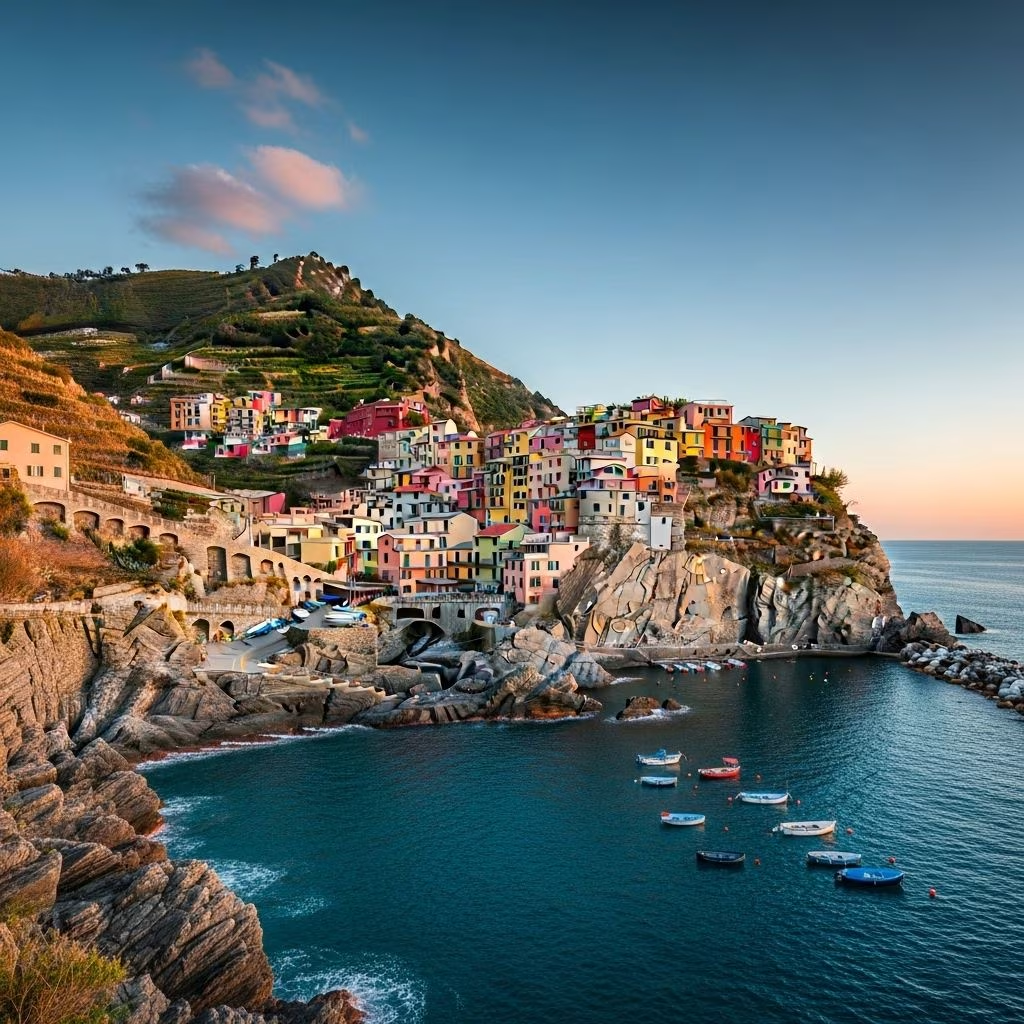
Nestled between Genoa and Pisa, the Cinque Terre—or “Five Lands”—is the most celebrated and captivating stretch of the Italian Riviera. Comprising a cluster of five impossibly scenic villages, this UNESCO World Heritage Site draws travelers with its spectacular seascapes, vibrant cliff-clinging houses, labyrinthine lanes, and a centuries-old culture that thrives between vine-covered hills and the blue embrace of the Mediterranean.
Why the Cinque Terre Captivates
- Breathtaking Views: Azure waters, dramatic cliffs, and lush terraced vineyards create endless photo opportunities.
- Unique Villages: Each town has a distinct personality, architectural style, and culinary tradition.
- No Cars: The villages are mostly traffic-free, preserving their medieval character and relaxing pace.
- World-Famous Hiking: Legendary coastal trails connect the towns, offering some of Europe’s best walks.
- Authentic Italian Culture: Experience local festivals, fresh seafood, Ligurian wines, and a tradition of hospitality.
The Five Villages: Distinct Worlds on the Riviera
The heart of Cinque Terre lies in its five villages—each a historically rich, pastel-colored treasure, molded by centuries of adaptation to the rugged terrain.
Monterosso al Mare
Monterosso, the largest and liveliest village, boasts the area’s most expansive beaches and an old town filled with character. Its two distinct parts—the new Fegina and the medieval old town—are connected by a short pedestrian tunnel.
- Sandy Beaches: Popular with sunbathers, Monterosso offers a rare swathe of sand.
- Anchovy Specialties: Taste the local delicacy, anchovies prepared fresh or salted.
- Landmarks: The medieval tower of Aurora and the religious Sanctuary of Soviore.
Vernazza
Often described as the jewel of the Cinque Terre, Vernazza features a small, naturally sheltered port embraced by a dramatic amphitheater of colorful buildings.
- Photogenic Harbor: Small boats, a bustling piazza, and lively cafés define the waterfront.
- Castello Doria: Climb the historic castle tower for panoramic views.
- Lively Evenings: As day visitors leave, the village’s authentic rhythm returns.
Corniglia
Perched atop a high promontory, Corniglia is the quietest and most isolated village, set back from sea level and surrounded by ancient vineyards.
- Scenic Serenity: Reach the village by climbing the “Lardarina,” a famous long brick stairway of over 350 steps.
- Wine Culture: Renowned for its white wine, celebrated in local bars and trattorias.
- Rural Character: Less commercial, perfect for travelers seeking peace and authenticity.
Manarola
Tumbling down to the sea amid terraced vines, Manarola enchants with its pastel houses, dramatic harbor, and the region’s best sunset views.
- Romantic Ambiance: Acclaimed for its picturesque settings and evocative atmosphere.
- Lover’s Lane: The celebrated Via dell’Amore trail links Manarola to Riomaggiore.
- Pesto Capital: Liguria’s world-famous basil pesto has its roots here—don’t miss a fresh-made sample.
Riomaggiore
The most eastern of the towns, Riomaggiore features steep, narrow main streets lined with vibrant houses and an ancient fort overlooking the bay.
- Steep Lanes: Explore the vertical village via the winding Via Colombo filled with shops and eateries.
- Wine Tradition: Home to dry, zesty Cinque Terre DOC white wine.
- Inevitable Charm: Clifftop views and authentic local life.
Backstory: History, Geography, and National Park Status
The Cinque Terre’s unique landscape owes as much to its history as its geography. Isolated by rugged mountains and dramatic coastline, the villages originated as medieval refuges from pirate raids—evident in their maze-like streets and watchtowers.
- Centuries-old Terraces: Ingenious dry-stone walls support vineyards and olive groves, a testament to generations of labor.
- Strategic Isolation: Until the train’s arrival in the late 19th century, these hamlets remained remote, accessible mainly by boat or mule path.
- National Park Creation: In response to increasing tourism and environmental threats, the Italian government declared Cinque Terre a national park, generating funds to preserve its fragile ecosystem and historic paths.
- UNESCO Status: Recognized as a World Heritage site, ensuring ongoing protection and sustainable tourism.
Arriving and Getting Around: Trains, Boats, Paths
Despite its once-formidable inaccessibility, today the Cinque Terre welcomes visitors year-round, though summer is most crowded and spring or fall offer a more relaxed experience.
- By Train: Local trains connect Levanto in the north to La Spezia in the south, stopping in each village—a simple, scenic, and highly recommended way to travel.
- By Boat: Passenger ferries link some villages (weather permitting), affording splendid coastal views not possible by land.
- On Foot: Hiking remains the area’s signature experience: routes range from gentle cliffside strolls to rugged, panoramic upland treks.
| Mode | Pros | Cons |
|---|---|---|
| Train | Fast, frequent, scenic, convenient for all villages | Can be crowded; stations often involve stairs |
| Boat | Incredible views, unique approach, breezy ride | Limited stops, weather-dependent, seasonal schedules |
| Hiking | Immersive, iconic experience, best scenery | Trail closures possible, physically demanding in places |
Walking the Trails of Cinque Terre
None of the Cinque Terre’s reputed beauty would be possible without its intricate network of hiking trails that connect all five villages along both coastal and upland routes. Walking the Cinque Terre offers immersion in stone-paved history, wildflowers, and awe-inspiring vantage points.
- Sentiero Azzurro (Blue Trail): The classic, cliff-hugging path running from Monterosso to Riomaggiore—sections may be temporarily closed for maintenance and safety.
- High Trails: Pass through forested crestline, past ancient sanctuaries, for more solitude and exceptional views.
- Trail Pass: Entry fees go toward conserving the landscape and trails—bring cash and check latest trail conditions before setting out.
- Best Hikes:
- Monterosso to Vernazza: Steep and scenic, about two hours.
- Vernazza to Corniglia: Challenging but rewarding, with panoramic sea views.
- Via dell’Amore: The easiest and most famous stretch, often busy but unforgettable when open.
Food and Drink: Savoring the Ligurian Coast
The culinary landscape of the Cinque Terre is shaped by its precarious perch above the sea, its labor-intensive vineyards, and the legacy of Mediterranean trade. Expect exquisitely simple, seasonal food—robust flavors and time-honored recipes.
- Pesto Genovese: Liguria’s world-famous basil sauce, traditionally made with local pine nuts, cheese, and olive oil.
- Seafood: Anchovies, mussels, and calamari star in daily fisherman’s catches.
- Focaccia: Crispy, olive-oil-rich bread with a variety of savory toppings.
- Local Wines: White wines crafted on centuries-old terraces—dry and minerally; sample the Sciacchetrà, a prized sweet wine.
- Limoncello: Sipping the region’s zesty lemon liqueur is essential after dinner.
Culture and Festivities
Beyond its scenery, the Cinque Terre is alive with local traditions, religious festivals, and artisan crafts. Each village commemorates its patron saint, staging processions, fireworks, and communal feasts. Music, flowers, and laughter are always in season.
- Sagre and Processions: Join locals in celebrating religious holidays—these are among the best times for authentic encounters.
- Maritime Heritage: See fishermen mending nets, boat parades, and local art depicting the villages’ inseparable relationship with the sea.
- Vineyard Harvests: Participate in wine festivals or sample vintages during autumn’s grape harvest celebrations.
Practical Tips for Visitors
- When to Go: Late spring and early fall offer warm weather without summer’s crowds.
- Packing: Bring sturdy walking shoes, sun protection, and layered clothing; the coastal climate can change rapidly.
- Staying Overnight: Spend several nights to soak up each village’s atmosphere—early mornings and evenings are most peaceful.
- Reservations: Book accommodations well in advance, particularly during peak months (May–September).
- Travel Light: Luggage must often be carried up steep lanes and stairs.
- Sustainable Tourism: Respect the landscape, use refillable bottles, stay on trails, and avoid single-use plastics when possible.
Nearby Riviera Towns and Excursions
While the Cinque Terre forms the core of this region, adjacent towns provide worthy day trips and alternate bases for exploring Liguria:
- Levanto: Gateway with laid-back vibes, good beaches, and easy train access.
- Sestri Levante: Pretty old town with two scenic bays; a favorite among Italians.
- Santa Margherita Ligure: Lush gardens, grand hotels, and proximity to Portofino.
- Portofino: Glamorous harbor town favored by celebrities and yachters.
- La Spezia: Nearest main city and transport hub; naval museum and pleasant pedestrian zone.
- Porto Venere: Stunning medieval peninsula with fortress, churches, and dramatic sea views.
Common Questions About the Cinque Terre
Q: What’s the best way to visit all five villages in one day?
A: It’s possible to visit all towns in a single day via train, but to truly savor the experience, consider spending at least two days and traveling by a mix of train, boat, and on foot along the trails.
Q: Are the hiking trails always open?
A: Trail sections—especially the coastal paths—may close due to weather-related damage or maintenance. Always check the latest status before hiking.
Q: Is swimming allowed in the Cinque Terre?
A: Yes, Monterosso offers sandy beaches, and many rocky coves allow for refreshing dips. Be aware of currents and weather conditions.
Q: Do I need a car in the Cinque Terre?
A: No. Trains and boats are the preferred means of travel; cars are discouraged and parking is very limited and expensive.
Q: When is the Cinque Terre the least crowded?
A: Early spring (March–April) and late autumn (October–November) see fewer visitors, though some businesses operate limited hours.
Planning Your Trip: Resources at a Glance
- Bring or Download Maps: Detailed maps help with trails and navigating villages.
- Cinque Terre Card: Purchase for trail access and unlimited train rides among the villages.
- Languages: Italian is the local language; English widely spoken in tourist venues.
- Emergency Services: Know how to contact local authorities in case of need.
Whether you trek every path, sample every pesto, or simply relax in a harbor-side café, Cinque Terre rewards slow, thoughtful exploration with adventures and memories lasting a lifetime.
References
- https://www.ricksteves.com/watch-read-listen/video/tv-show/season-8/italys-riviera-cinque-terre
- https://store.ricksteves.com/shop/p/cinque-terre-guidebook
- https://aworldofflophouses.com/project/will-a-visit-to-italys-cinque-terra-a-spot-made-overly-popular-by-rick-steves-be-a-mistake/
- https://blog.ricksteves.com/blog/category/italy/cinque-terre/
- https://www.youtube.com/watch?v=_cfjFnY2YPQ
- https://www.ricksteves.com/europe/italy/cinque-terre
- https://community.ricksteves.com/travel-forum/italy/cinque-terre-itinerary-help-for-a-first-timer
- https://www.ricksteves.com/watch-read-listen/video/manarola-riomaggiore
- https://www.ricksteves.com/watch-read-listen/read/articles/the-enchanting-cinque-terre-fiatfree-italy