Turkey: A Crossroad of Cultures and Continents
Straddling Europe and Asia, Turkey is a land where ancient civilizations meet modern ambitions, offering travelers a vibrant mix of bustling cities, archaeological wonders, and breathtaking natural landscapes. From the domes and minarets of Istanbul to the fairy chimneys of Cappadocia and the sunlit coastline of the Mediterranean, Turkey is both timeless and ever-evolving, making it a destination unlike any other.
The Heartbeat of Turkey: Istanbul
Istanbul, formerly known as Byzantium and Constantinople, is one of the world’s great cities. Bisected by the mighty Bosphorus Strait, it bridges Europe and Asia physically and culturally. The city’s skyline glimmers with minarets and domes, its streets bustle with markets, cafes, and centuries-old monuments that speak to a dynamic history.
- Hagia Sophia: Once a Byzantine church, later an Ottoman mosque, and now a museum, Hagia Sophia is a masterpiece of architecture and a symbol of Istanbul’s layered history.
- Blue Mosque (Sultan Ahmed Mosque): Famous for its six minarets and blue Iznik tiles, a highlight for architecture enthusiasts and spiritual seekers alike.
- Grand Bazaar: With over 4,000 shops, this is among the world’s largest and oldest covered markets—a perfect place to browse for spices, textiles, and souvenirs.
- Bosphorus Cruise: A boat ride on the Bosphorus offers panoramic views of palaces, mosques, and modern city life on both continents.
In Istanbul, East truly meets West, apparent as much in its food scene and music as in its art and architecture.
Cappadocia: Land of Fairy Chimneys and Underground Cities
The astonishing region of Cappadocia is central Turkey’s crowning natural and historical wonder. Its surreal, honeycombed landscapes are dotted with “fairy chimneys,” ancient cave dwellings, churches, and entire underground cities carved from soft volcanic stone.
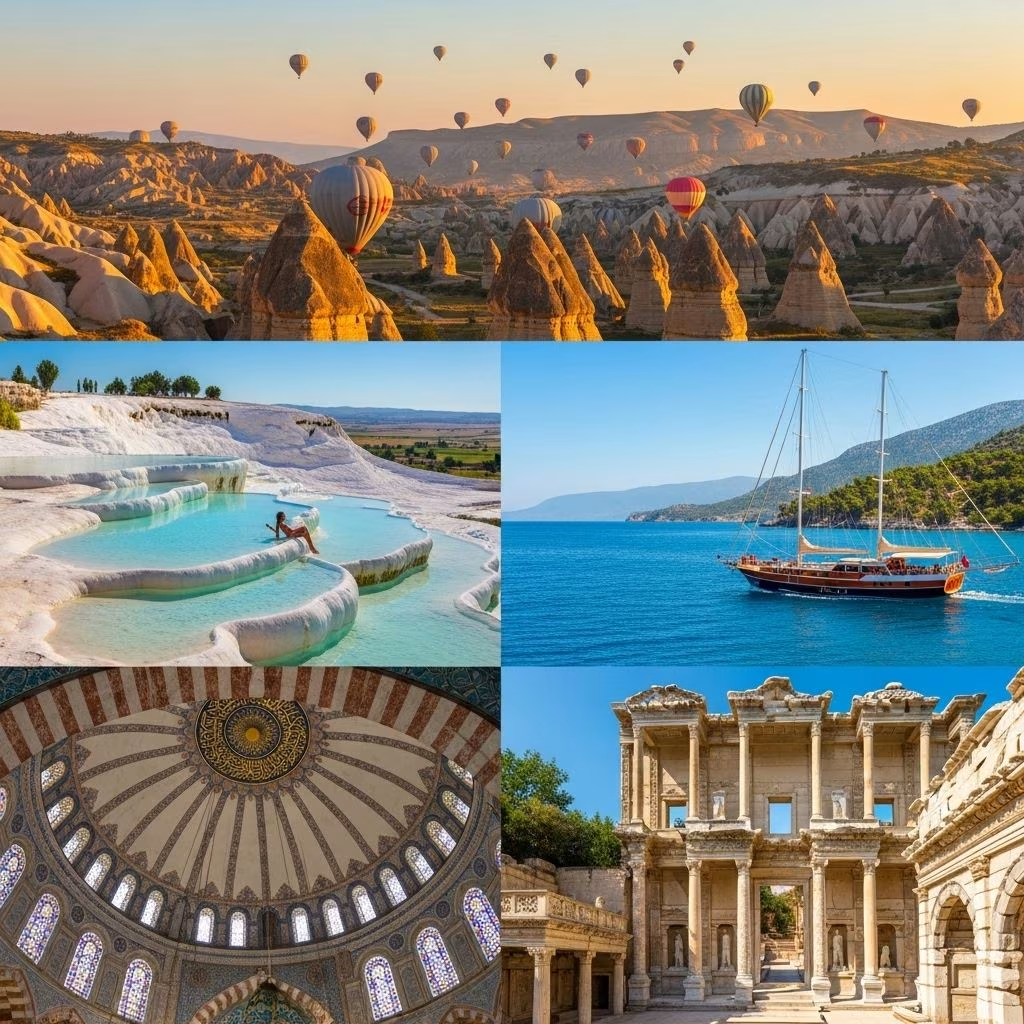
- Hot Air Ballooning: The best way to appreciate Cappadocia’s landscape is from above. Sunrise balloon rides offer sweeping views over valleys and extraordinary rock formations.
- Göreme Open Air Museum: This UNESCO World Heritage site features rock-cut churches adorned with exceptional Byzantine frescoes, attesting to the early Christian heritage of the region.
- Kaymaklı Underground City: Built by early Christians fleeing persecution, this subterranean city features narrow tunnels, storage rooms, churches, and ingenious ventilation systems.
- Ancient Cavetowns: Many Cappadocian villages still retain houses and churches hewn directly into the cliffs, blending past and present lifestyles.
Beyond the history, visitors enjoy the warm hospitality of local villagers, bustling town markets, and the echoes of ancient Anatolian traditions alive in daily life.
Ephesus and the Riches of Western Turkey
Western Turkey boasts some of the world’s most remarkable ancient sites and sun-drenched coastal scenery. At its heart stands Ephesus, once a thriving Greek and later Roman metropolis.
- Ephesus: Walk marble streets to discover the grand Library of Celsus, the huge theater where Paul preached, and the ornate Terrace Houses with their ancient Roman mosaics.
- Pamukkale: Known as the “cotton castle,” its dazzling white mineral pools have drawn bathers and pilgrims since antiquity.
- Aphrodisias: With unusually well-preserved stadia, temples, and baths, this ancient city dedicated to Aphrodite is quieter but equally evocative.
- Antalya and the Turquoise Coast: Beautiful Mediterranean beaches, a charming old port, and lively markets make this a gateway to Turkey’s southern coast.
Many travelers choose to cruise the Mediterranean on a traditional wooden gulet, savoring fresh seafood and Aegean sunsets.
The Whirling Dervishes and Spiritual Traditions
Turkey’s spiritual fabric is marked by the Sufi dervishes, especially in the city of Konya. Here, the mystical Mevlevi order, followers of the poet Rumi, perform the mesmerizing whirling dance as a form of prayer and meditation.
- Rumi’s Mausoleum: Pilgrims and travelers alike visit this sacred site to reflect and experience the poetry and music of Sufism.
- Dervish Performances: The Sema ceremony, enacted by skilled dervishes, is both a spiritual experience and a remarkable cultural performance.
Across Turkey, religious tradition blends with secular life, seen in mosques, contemporary art, and everyday customs, reflecting the pluralistic spirit of modern Turkey.
Modern Turkey: Ankara and Recent History
Ankara, Turkey’s capital in the heart of Anatolia, represents the country’s modern face. The city is a hub of government, education, and culture, but also deeply connected to its national identity through the legacy of Mustafa Kemal Atatürk.
- Anıtkabir: The imposing mausoleum of Atatürk, founder of the Turkish Republic, is a site of national pilgrimage and pride. Its vast plaza, ceremonial guards, and museum highlight his role in shaping contemporary Turkish society.
- Separation of Mosque and State: Atatürk’s reforms established secular governance, replaced the Arabic script, promoted gender equality, and pushed forward industrial and educational modernization.
- Modern Life: Explore Ankara’s lively cafes, pedestrian boulevards, and contemporary museums to see 21st-century Turkey in action.
Ankara’s mix of cosmopolitan bustle and reverence for history is emblematic of Turkey’s ongoing journey from empire to modern nationhood.
Cultural Encounters: People, Markets, and Everyday Life
The true spirit of traveling in Turkey is in its people—farmers, merchants, students, and artists, whose warmth and hospitality are legendary. Every region presents unique encounters:
- Village Markets: Browse sheep markets, spice stalls, and bakeries to sample local flavors and traditions.
- Family Celebrations: Experience the lively atmosphere of traditional celebrations, such as circumcision parties which mark major family milestones.
- Conversations with Locals: Whether chatting with an imam or sipping tea with a shopkeeper, these interactions reveal the diversity and richness of Turkish society.
The contrasts are everywhere—veiled women and modern students, rural traditions and urban innovation, secularism and faith—woven into a lively national tapestry.
Turkish Cuisine: A Feast for the Senses
Turkish food reflects centuries of cross-cultural influences, with each region offering distinctive tastes:
- Aegean Seafood: Sample salt-encrusted sea bass or crispy calamari on the coast, accompanied by a glass of the aniseed spirit rakı.
- Pide and Kebab: Enjoy savory Turkish pides (flatbreads) and an array of grilled meats, including doner and shish kebabs, in lively urban eateries.
- Baklava and Lokum: These sweet treats, filled with pistachios or walnuts and dripping with syrup, are iconic crowd-pleasers.
- Tea and Coffee: Relish strong Turkish tea served in tiny tulip glasses, or sip thick, aromatic coffee with a square of sweet lokum (Turkish delight).
The joy of Turkish cuisine lies not just in the eating, but in the rituals of sharing and hospitality that surround every meal.
Why Visit Turkey?
| Highlight | Why It’s Special |
|---|---|
| Istanbul | Historic crossroads, stunning landmarks, vivid street life |
| Cappadocia | Otherworldly geology, balloon rides, ancient cave cities |
| Ephesus | Superb preservation, immersive link to Roman and Christian history |
| Pamukkale | Thermal mineral pools, dramatic landscapes |
| Ankara | Political heart, Atatürk mausoleum, modern Turkish culture |
Frequently Asked Questions (FAQs)
Q: Is Turkey safe for tourists?
A: Yes, Turkey is a popular destination and generally safe for tourists. As with travel anywhere, common-sense precautions—being aware of your belongings, following local advice, and monitoring official travel guidance—are recommended.
Q: What is the best way to get around Turkey?
A: Major cities are linked by an extensive network of buses and modern trains. Domestic flights are frequent and affordable, making it easy to travel long distances such as Istanbul to Cappadocia or Antalya.
Q: Is English widely spoken?
A: In tourist areas and big cities, many people working in hospitality speak English. In rural areas, fewer people speak English, but most travelers find Turkish people are welcoming and eager to help.
Q: Do I need a visa to visit Turkey?
A: Most travelers need an e-visa, which can be obtained online before arrival. Requirements may vary by nationality, so it’s best to check the latest information before your trip.
Q: What is the weather like?
A: Turkey’s climate varies: Coastal areas enjoy a Mediterranean climate, while inland regions like Cappadocia experience more extremes. Late spring and early fall offer the most pleasant weather for travel across the country.
References
- https://www.ricksteves.com/watch-read-listen/video/tv-show/central-turkey
- https://www.ricksteves.com/watch-read-listen/video/tv-show/west-turkey
- https://www.ricksteves.com/watch-read-listen/video/travel-talks/turkey-with-rick-steves
- http://lalearan.com/impressions-of-rick-steves-guides-of-their-trip-in-turkey/
- https://www.ricksteves.com/europe/turkey
- https://www.ricksteves.com/watch-read-listen/read/articles/turkey-beyond-istanbul
- https://blog.ricksteves.com/blog/category/turkey/
- https://blog.ricksteves.com/blog/tour-guides-turkey-tour/
- https://www.ricksteves.com/watch-read-listen/read/articles/istanbul-deja-vu