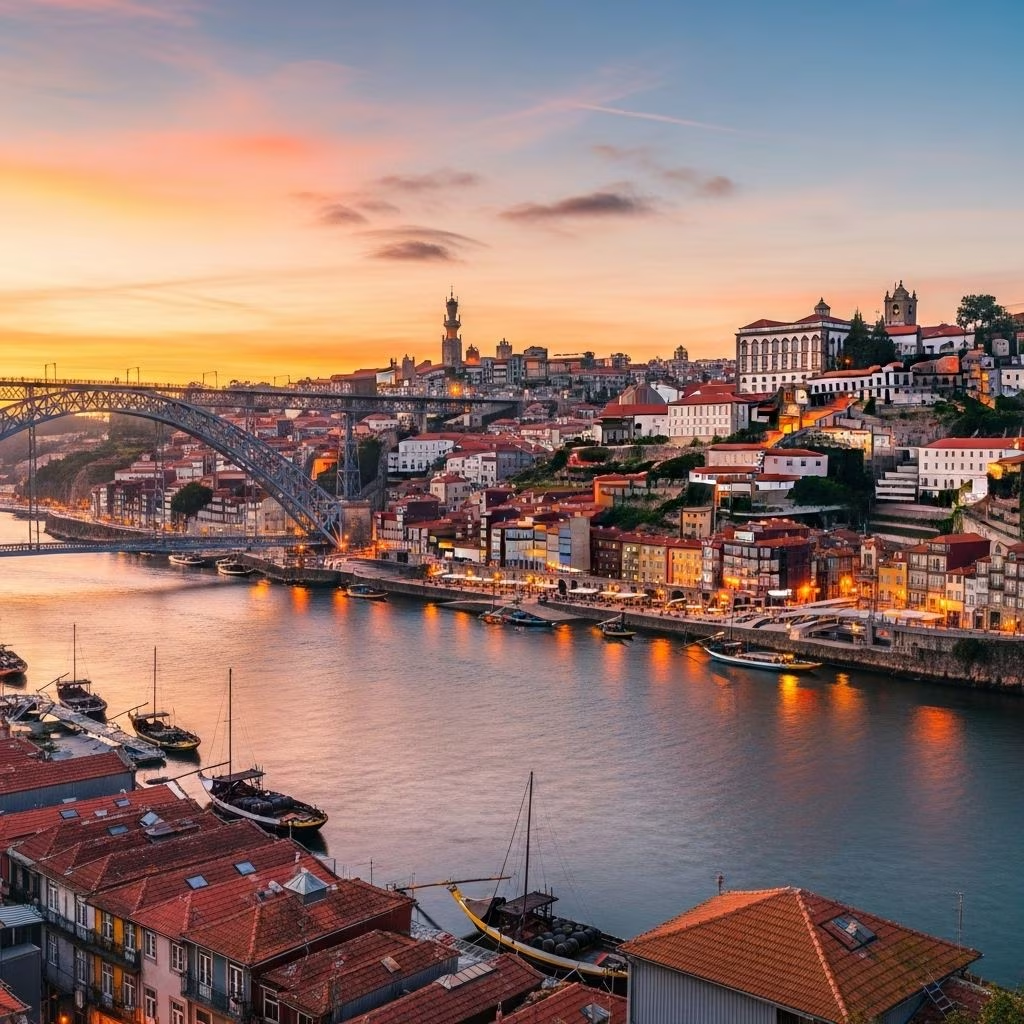
Porto at a Glance
Porto stands as Portugal’s second-largest city, celebrated for its dramatic Douro riverfront, rich traditions, and the world-renowned port wine lodges that line its southern banks. The city boasts granite architecture, blue-tiled facades, and a robust Old World character, all set against ever-changing Atlantic weather and a soundtrack of seagulls. Whether savoring local culinary specialties, exploring steep cobbled lanes, or cruising beneath sweeping bridges, Porto promises an experience as textured and warming as its famous fortified wine.
Top Experiences and Highlights in Porto
- Port Wine Lodges in Vila Nova de Gaia: The absolute must-do for wine aficionados. These storied cellars offer tours and tastings of one of Portugal’s most famous products. Expect to learn about the production, legacy, and diversity of port while sampling a selection guided by resident experts.
- Self-Guided City Walks: Porto’s urban core rewards those on foot. Two linking self-guided walks, as detailed in popular guidebooks, allow visitors to sample the city’s major public squares, hidden byways, and architectural wonders at their own pace.
- Avenida dos Aliados: The heart of Porto’s civic and business life. Here, ornate buildings frame a grand promenade, where locals gather under the shadows of historic facades for work and celebration alike.
- Strolling the Cais da Ribeira: The city’s picturesque riverside arcades host some of the most colorful, photogenic scenes along the Douro. Traditional homes, arched promenades, and lively cafés create Porto’s signature image.
- Stock Exchange Palace (Palácio da Bolsa): This 19th-century marvel is an emblem of prosperity and civic pride, renowned for its sumptuously appointed rooms and prestigious guided tours.
Why Visit Porto?
Porto, often referred to as Portugal’s ‘second city’, stands apart for its rugged resilience, creative spirit, and layered history. Unlike “first cities” across Europe, Porto’s industrial legacy and persistent traditions have evolved into a bohemian, lively energy. The city survived the 1755 earthquake that devastated Lisbon, preserving swathes of Gothic, Baroque, and Art Deco architecture, now enriched with brilliant public art and bustling, market-driven squares.
Just a short train ride from Lisbon, Porto parallels the Douro for miles, tracing old port wine routes out to the terraced vineyards of the valley. The steady sea breeze and the lure of the Atlantic infuse the city with a dynamic atmosphere and ever-changing sky—a dramatic backdrop for exploration.
The Essential Sights and Activities
- Port-Wine Lodges: Located across the river in Vila Nova de Gaia, these atmospheric cellars provide a deep dive into the heritage of port. Tours explain the fortified wine’s origins, blending, and extended barrel aging. Most end with guided tastings in elegant tasting rooms or candlelit cellars.
- Historic Walks: The Old Town rewards slow exploration. Guiding yourself through the city’s two principal walks, visitors can weave through lanes lined with blue azulejo tiles, discover hidden squares, and marvel at grand churches.
- Stock Exchange Palace (Palácio da Bolsa): Enter the heart of Porto’s 19th-century economic ambition. Tours guide you through lavishly decorated halls—don’t miss the ornate Arabian Room, a highlight of Moorish Revival opulence.
- Ribeira Riverfront: Porto’s most vibrant and photogenic quarter. The Ribeira’s embankment is perfect for a leisurely afternoon—pop in and out of bustling riverfront cafés, explore the maze of backstreets, and soak up the lively ambiance as locals and visitors mingle.
- São Francisco Church: Revered for its Gothic architecture and dazzling Baroque gold-leafed interior, this church stands among the city’s most remarkable sacred spaces.
- Clérigos Church and Tower: The city’s iconic tower offers a 225-step climb to panoramic vistas sweeping over rooftops to the distant Atlantic.
- São Bento Train Station: Famous for its entrance hall adorned with grand azulejo (tile) murals, depicting moments from Portuguese history and daily life.
- Porto Cathedral (Sé): Dominating the city skyline, this medieval fortress-church houses a beautiful cloister clad in blue-and-white tiles—even if, by many accounts, its main sanctuary is notably austere.
- Rua de Santa Catarina: The city’s primary shopping street, studded with Art Nouveau and Art Deco landmarks, bustling shops, little cafés, and landmark interiors like the famed Majestic Café.
- Misericórdia Church & Museum: Once part of a hospital complex, now home to curated exhibits of Porto’s charitable works and treasures.
- Bolhão Market: A centerpiece for food lovers, this produce and meat market buzzes with local life. Sample regional cheeses, fruits, and street snacks while mingling with stallholders in this authentic environment.
Art, Parks & Offbeat Museums
- Serralves Foundation Contemporary Art Museum and Park: Spread across lush grounds, this cultural complex includes an innovative art museum, an Art Deco villa, and expansive gardens. The park provides a serene retreat and regular cultural programming.
- Tramway Museum: A niche attraction tracing Porto’s electric transport history through vintage trams, memorabilia, and interactive exhibits.
- House of Henry the Navigator: Explore the historic birthplace of Portugal’s pioneering navigator, with exhibits illuminating the era of discoveries.
- House of Music (Casa da Música): A bold, modernist concert venue hosting jazz, fado, and international acts in a dramatic glass-and-concrete setting.
River Cruising in Porto
The “Six Bridges” cruises are among Porto’s most enjoyable and relaxing experiences. Departing frequently from the Ribeira quay, these hour-long cruises glide beneath the city’s dramatic bridges, showcasing both Porto’s old port-side warehouses and the elegant curves of famous steel structures—most notably, the Ponte Dona Maria Pia, designed by Gustave Eiffel. The waterborne perspective unveils the city’s layered history and allows even footsore visitors to savor the scenery in comfort.
Porto’s Character and Atmosphere
Porto is defined by its granite buildings, dramatic hillsides, and labyrinthine old quarters, but its soul lives in neighborhoods like Ribeira and routes like Rua das Flores. Here, timeworn facades glint beneath ever-changing weather, locals linger at riverside tables, and visitors are caught between the city’s staunch traditions and its evolving creative flair. The city’s compact layout is deceptive—distances can seem longer thanks to the steep, winding streets, but every step rewards with a new perspective or a secret vista.
The weather can shift rapidly: a burst of sunshine often gives way to rain and back again, sometimes in a single hour. Porto’s seafaring heritage is evident in the lively port, the gusts of fresh Atlantic air, and the flavors of its hearty, seafood-centric cuisine.
Eating and Shopping in Porto
- Culinary Scene: Porto’s food tradition is robust and inventive: sample classics like francesinha (a rich sandwich topped with cheese and spicy sauce), bacalhau dishes, and fresh Atlantic seafood. Local markets, such as Bolhão, burst with seasonal produce and the thriving food scene merges tradition with innovation.
- Shopping: In addition to port wine, look for handmade ceramics, embroidered linens, and “azulejo” tiles. Rua de Santa Catarina is the epicenter of downtown shopping, with boutiques and specialty shops interspersed among elegant cafés and theatres.
- Café Culture: Don’t miss Porto’s fin-de-siècle cafés, particularly the storied Majestic Café—a relic of Belle Époque glamour serving as both cultural monument and everyday meeting place.
Practical Travel Tips
- Getting There: Porto is easily reached by train from Lisbon and is a major hub for the north of Portugal. São Bento and Campanhã train stations provide good connectivity.
- Getting Around: The city’s central landmarks are best explored on foot, but extensive public transport—buses, trams, the metro—makes travel between neighborhoods straightforward.
- When to Visit: Spring and early autumn bring pleasant weather and fewer tourists, though Porto’s climate is mild year-round—though with plentiful rain, especially in winter.
- Accessibility: Porto’s steep gradients can be challenging; wear comfortable shoes and take advantage of trams and funiculars when traversing the hills.
Table: Must-Visit Sights in Porto
| Attraction | Type | Key Highlights |
|---|---|---|
| Port-Wine Lodges | Wine/Heritage | Tours & tastings in historic cellars |
| Ribeira Quarter | Neighborhood/Scenery | Colorful riverfront, lively ambiance |
| Palácio da Bolsa | Historic Building | Guided tours, opulent interiors |
| São Francisco Church | Religious/Art | Baroque gold interior, Gothic style |
| Clérigos Tower | Landmark | Panoramic city views after 225 steps |
| Bolhão Market | Food Market | Local produce, lively atmosphere |
Frequently Asked Questions (FAQs)
Q: What is Porto best known for?
A: Porto is chiefly famous for its historic port wine lodges, its colorful riverfront (Ribeira), and its blend of Gothic, Baroque, and modern architecture.
Q: Is it worth visiting a port-wine lodge?
A: Absolutely. Touring a port-wine lodge in Vila Nova de Gaia offers a profound insight into Porto’s winemaking tradition, complete with tastings and historic cellars.
Q: What’s the best way to get around Porto?
A: The city center is walkable, though steep; public trams, metro, and funiculars are useful for longer or uphill journeys.
Q: What are the can’t-miss experiences?
A: Don’t miss a riverfront stroll in Ribeira, a tour of Palácio da Bolsa, climbing Clérigos Tower, sampling port in Gaia, and experiencing a Douro River cruise under the city’s six bridges.
Q: Is Porto suitable for a day trip?
A: Porto’s highlights can be paired into a focused day, but to truly experience the city’s culinary, cultural, and scenic offerings, consider a stay of at least two full days.
Final Travel Suggestions
- Wear comfortable shoes for Porto’s steep and cobbled lanes.
- Local microclimates mean rain showers can appear suddenly. Always bring a light rain jacket or umbrella.
- Try local pastries—pastéis de nata—at any bakery, and savor a glass of ruby or tawny port to end your evenings.
Porto’s weathered tiles, storied bridges, and riverbank energy make it a city unlike any other in Europe. From sampling port under ancient arches to exploring cutting-edge museums and meandering through sun-and-rain-lit plazas, Porto rewards every traveler with its blend of tradition, innovation, and unguarded charm.
References
- https://www.youtube.com/watch?v=XumG46iExIs
- https://www.ricksteves.com/europe/portugal/porto
- https://www.ricksteves.com/watch-read-listen/read/articles/porto-portugal-without-the-tourists
- https://community.ricksteves.com/travel-forum/portugal/2-nights-in-porto-3-nights-in-lisbon-what-not-to-miss
- https://www.youtube.com/watch?v=z33hDgMq39U
- https://www.ricksteves.com/watch-read-listen/video/porto
- https://blog.ricksteves.com/blog/tag/porto/page/2/
- https://www.ricksteves.com/watch-read-listen/video/tv-show/portugal