Lauterbrunnen Valley: Switzerland’s Alpine Wonderland
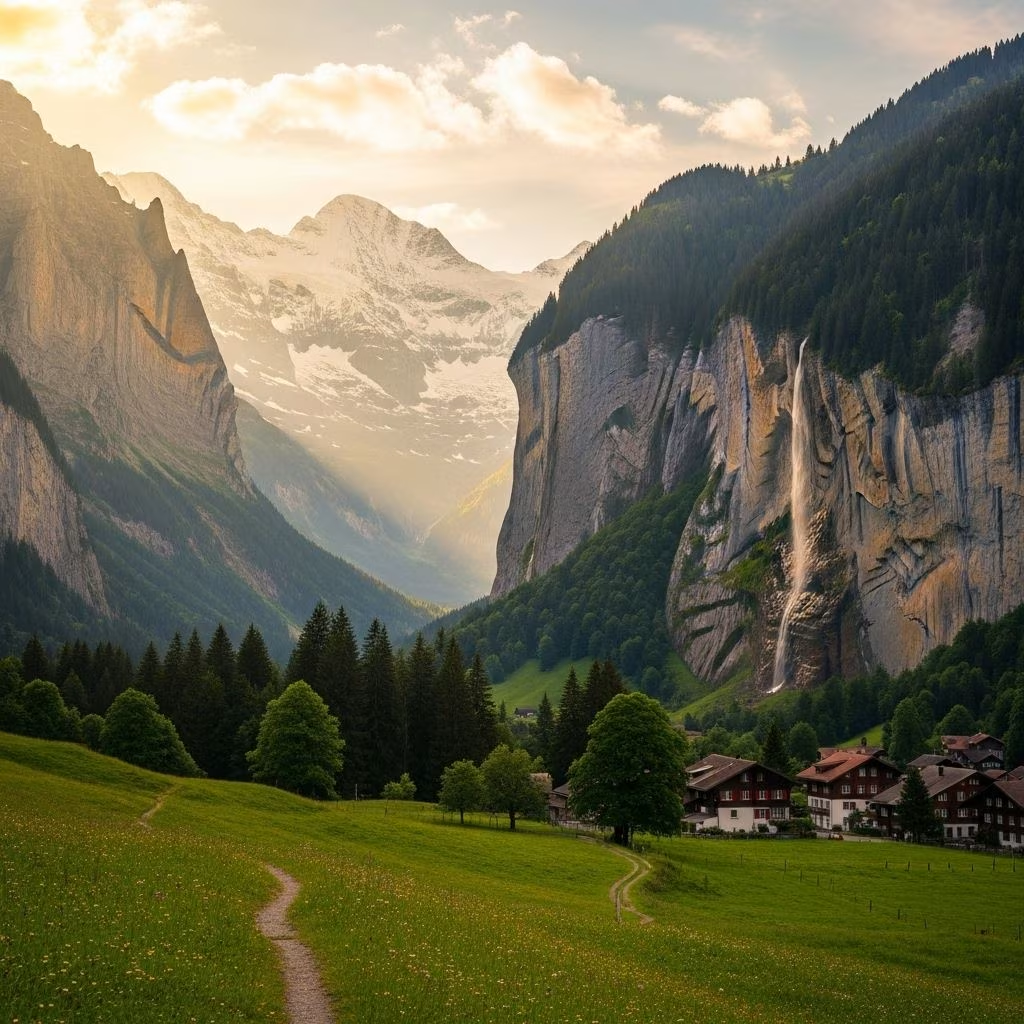
Hidden amidst the heart of the Swiss Alps, Lauterbrunnen Valley stands as the quintessential image of alpine paradise. Renowned for its sheer cliffs, meadows dotted with wildflowers, cascading waterfalls, and tranquil hamlets, the valley has enchanted travelers for centuries and is frequently recommended by experts—including Rick Steves—as a must-visit destination for those wanting to experience the best of Switzerland’s high country.
Overview: The Gateway to Alpine Majesty
Located a short train ride south of Interlaken, the Lauterbrunnen Valley is cradled between towering mountains and flanked by some of Switzerland’s most celebrated peaks. Its name—meaning “loud waters”—aptly describes the valley’s most enduring features: the thunderous waterfalls plunging from cliffs hundreds of feet above the valley floor. Among the most dramatic glacier-carved landscapes in Europe, Lauterbrunnen Valley is an excellent home base for exploring the Bernese Oberland’s renowned sites and alpine culture.
At a Glance: Key Towns and Villages of Lauterbrunnen Valley
The valley hosts a series of distinctive towns and hamlets, each offering its charm, traditions, and access to mountain adventures. The main settlements include:
- Lauterbrunnen: The central valley town, nestled beneath the dramatic Staubbach Falls. It is the essential jumping-off point for excursions up into the surrounding mountains via train, cable car, or PostBus.
- Gimmelwald: A time-capsule hamlet perched on the valley’s western hillside, Gimmelwald remains blissfully rustic and tranquil, immune to overdevelopment and proud of its agrarian traditions.
- Mürren: Situated above Gimmelwald along the Schilthorn cable car route, Mürren is a car-free alpine resort with spectacular vistas and a welcoming village atmosphere—perfect for high-mountain lodging.
- Kleine Scheidegg: This small resort area is a major junction for mountain railways and offers up-close views of the Eiger, Mönch, and Jungfrau peaks. Kleine Scheidegg is your launchpad for journeys to the Jungfraujoch, the so-called “Top of Europe.”
- Interlaken: While not within the valley proper, Interlaken is the region’s transport hub and the traditional entryway to the Lauterbrunnen Valley, situated between lakes Thun and Brienz.
Table: Summary of Notable Villages
| Village | Description | Highlights |
|---|---|---|
| Lauterbrunnen | Central town on valley floor | Staubbach Falls, good transit connections |
| Gimmelwald | Rustic, time-forgotten hillside hamlet | Alpine farming, peaceful accommodations |
| Mürren | Car-free resort at altitude | Spectacular views, access to Schilthorn |
| Kleine Scheidegg | Mountain pass & railway hub | Gateway to Jungfraujoch, dramatic panoramas |
| Interlaken | Large town near valley entrance | Main train connections, shopping, lakes |
Natural Wonders: Waterfalls, Peaks, and Glaciers
The Waterfalls of Lauterbrunnen
The valley is famed for its 72 waterfalls—many visible directly from village paths or hiking trails. The most iconic is Staubbach Falls, which plunges nearly 1,000 feet from the sheer cliffs above the namesake town and is among the highest free-falling waterfalls in Europe. The Trümmelbach Falls, a series of powerful glacial falls hidden inside the mountain, can be visited via a tunnel lift, offering an up-close look at the raw power of melting glacial water.
- Staubbach Falls: Most accessible and imposingly visible; illuminated at dusk during summer.
- Trümmelbach Falls: Accessible by lift and caves; a natural spectacle and UNESCO World Heritage site.
- Other notable falls: Mürrenbach falls, Spissbach, and Sefinenfals—all easily reached by walking or biking in the valley.
The Peaks: Eiger, Mönch, and Jungfrau
Dramatically overlooking the valley are the legendary triumvirate peaks:
- Eiger (the Ogre): Famous for its treacherous north face, a magnet for the world’s best climbers.
- Mönch (the Monk): Said by legend to protect the Jungfrau, situated high above the valley floor.
- Jungfrau (the Maiden): The crown jewel, its pristine snowfields and glaciers gleaming in sunlight, form the centerpiece of the UNESCO-listed Jungfrau Aletsch region.
The Glaciers and the Jungfrau-Aletsch Region
The highlands surrounding Lauterbrunnen are part of the Jungfrau-Aletsch Protected Area, a UNESCO World Heritage Site harboring some of Europe’s largest glaciers. This region preserves both natural wonders and cultural alpine traditions that define Switzerland’s mountain identity.
Top Experiences: What to See and Do
- Ride the Schilthorn Cable Car: Ascend to the dizzying 9,748-foot Schilthorn summit via a series of cable cars from Stechelberg, connecting through Gimmelwald and Mürren. The summit features the 360° revolving Piz Gloria restaurant, famous as a James Bond filming location. Enjoy panoramic views of over 200 peaks and visit the Bond World exhibition.
- Jungfraujoch: The Top of Europe: Board a cogwheel railway from Lauterbrunnen or Grindelwald via Kleine Scheidegg to the Jungfraujoch—the highest train station in Europe (11,332 ft), perched between the Mönch and Jungfrau. Marvel at eternal snow, glaciers, an ice palace, and the Sphinx Observatory viewing platform.
- Explore Traditional Villages: Wander Mürren and Gimmelwald, each preserving unique alpine traditions. Mürren offers hotels, guesthouses, and easy hiking, while Gimmelwald remains a peaceful, flower-decked farming outpost.
- Trekking and Biking: Choose from scores of well-marked trails for every ability—gentle valley strolls, demanding summit climbs, thrilling ridge walks, and cross-country bike paths shaded by waterfalls and wildflower meadows.
- Paragliding and Adventure Sports: For the adventurous, Lauterbrunnen is a top destination for paragliding, base-jumping, and other mountain sports—offering unforgettable aerial views over valleys and cliffs.
- Visit Trümmelbach Falls and Staubbach Falls: Don’t miss these quintessential examples of Switzerland’s water-rich mountainscapes. Allow extra time for light-dappled walks and photography.
Culture and History: A Living Alpine Heritage
The valley is not just a natural wonder, but also a guardian of Swiss alpine heritage. Centuries-old wooden chalets, tiny cheese dairies, authentic mountain inns, and a strong farming tradition root life here in the rhythms of the past. The region’s dialect, festivals, and folk music echo both Germanic and mountain influences, while time-honored crafts like woodcarving and cheese-making endure in daily life.
- Traditional Farmsteads: Scattered along the slopes, these provide insight into sustainable mountain agriculture. Look for the seasonal “alpgasthaus” (alpine guesthouses), where you can sample fresh cheese and milk.
- Ballenberg Open-Air Museum: Just outside Interlaken, this living museum reconstructs historic Swiss farmhouses, barns, and lifestyle displays—ideal context for understanding the valley’s evolution.
- Alpine Festivals: Featuring music, costumes, and yodeling, these community gatherings bring ancient customs to life—particularly in autumn, during the famed “Alpabfahrt” cattle parade.
Travel Logistics: How to Reach and Explore Lauterbrunnen Valley
- Gateway Town: Interlaken. Most visitors arrive via Interlaken, easily accessible by rail from Bern, Zurich, and Geneva.
- By Train: The Swiss Travel Pass covers trains, buses, and boats—an economical choice for exploring the Bernese Oberland, including scenic routes up the valley and into mountain villages.
- Cable Cars and Mountain Railways: Efficient lifts and cogwheel trains elevate travelers from valley floors to alpine heights—a hallmark of Swiss engineering.
- Accommodations: Choices range from rustic chalets in Gimmelwald, to stylish lodges in Mürren, to convenient hotels in Lauterbrunnen and Interlaken.
Pro tip: Schedules may be affected by seasonal closures or weather conditions. Advance reservations are encouraged during the busy summer and winter seasons, especially for journeys to Jungfraujoch (trains can fill quickly) and accommodations in the smaller villages.
Best Times to Visit and Seasonal Highlights
Lauterbrunnen Valley welcomes visitors year-round, each season offering its own appeal:
- Spring: Melting snow feeds spectacular waterfalls and verdant meadows. Early wildflowers and fresh air abound.
- Summer: Peak hiking season, alpenhorn festivals, long daylight hours, and bustling villages.
- Autumn: Vivid foliage, fewer crowds, and traditional cattle drives as livestock return from mountain pastures.
- Winter: Excellent skiing and sledding in Mürren, Wengen, and Grindelwald; charming Christmas markets and snow-shrouded vistas.
Hidden Gems and Scenic Side Trips
- Schilthorn and Piz Gloria: Not just for James Bond devotees—offers sublime high-alpine dining and exhibitions atop one of the Alps’ signature peaks.
- Stechelberg: At the end of the valley, this quiet hamlet is the trailhead for ambitious backcountry hikes and the lower cable car station for the Schilthorn.
- Grütschalp: A scenic cableway link from Lauterbrunnen, granting access to sunny, flower-strewn walks along the ridge toward Mürren.
- Wengen: A car-free mountain village across the valley, reachable by train from Lauterbrunnen, with stunning viewing terraces and rich skiing tradition.
Frequently Asked Questions (FAQs)
Q: What is the best base for exploring Lauterbrunnen Valley?
A: Each village suits a different traveler: stay in Lauterbrunnen for central access, Mürren for high-mountain vistas and adventure, Gimmelwald for tranquility and rustic charm, Wengen for family-oriented mountain culture, and Interlaken for connections and city comforts.
Q: Are the waterfalls accessible year-round?
A: Most waterfalls are visible throughout the year, with the most dramatic flows during spring and early summer as snowmelt peaks. Trümmelbach Falls is accessible by lift and tunnels, but may close briefly in winter due to icy conditions.
Q: How much time do I need to see the highlights?
A: Ideally, allow at least 2–3 days to sample the valley’s villages, waterfalls, and at least one major summit (Jungfraujoch or Schilthorn). Add more time for hiking and side trips to maximize your experience.
Q: Is Lauterbrunnen Valley good for families and non-hikers?
A: Absolutely. The valley offers easy scenic walks, accessible rail and cable car journeys, playgrounds, and family-friendly hotels. Even non-hikers can enjoy spectacular sights with minimal walking.
Q: Do I need advance tickets for the Jungfraujoch or Schilthorn?
A: Especially in summer and on clear days, it’s wise to reserve Jungfraujoch train tickets in advance, as seats can be limited. Schilthorn is less crowded but pre-booking helps during holidays or peak periods.
Practical Tips for Visitors
- Buy a Swiss Travel Pass or Berner Oberland regional pass for savings and flexibility on trains, buses, and boats.
- Weather can change rapidly in the Alps—pack layers, waterproofs, and sturdy footwear.
- Respect the tranquility and traditions of small villages: keep noise low and ask permission before photographing private homes or farmyards.
- Check the seasonal schedule of cable cars, trains, and museum timetables before arrival.
- Carry cash; while cards are widely accepted, some rural guesthouses and mountain huts may prefer Swiss francs.
Why Lauterbrunnen Valley Tops Every Traveler’s List
Whether seeking world-class mountain adventures, soul-stirring scenery, or immersion in traditional Swiss culture, the Lauterbrunnen Valley’s fusion of natural beauty and enduring hospitality offers a timeless escape. For centuries, poets, mountaineers, and curious travelers have called this slice of the Alps a little piece of heaven. Visit, and you may find yourself echoing the sentiment—for Lauterbrunnen Valley is more than a place; it’s an experience that lingers long after the snow has melted and the wildflowers have faded.
References
- https://www.islands.com/1739627/best-must-visit-destination-only-time-one-area-switzerland-alps-mountains-rick-steves-lauterbrunnen-valley/
- https://www.ricksteves.com/europe/switzerland/lauterbrunnen-valley
- https://www.youtube.com/watch?v=YeH2rkEDYY8
- https://rickstevesscrapbookanne.weebly.com/lauterbrunnen.html
- https://www.ricksteves.com/watch-read-listen/read/articles/the-power-of-the-alps
- https://community.ricksteves.com/travel-forum/switzerland/where-to-stay-in-lauterbrunnen-area
- https://www.ricksteves.com/watch-read-listen/video/tv-show/swiss-alps
- https://blog.ricksteves.com/blog/tag/lauterbrunnen-valley/