24 Edible Weeds for Spring: How to Forage Nature’s Unexpected Bounty
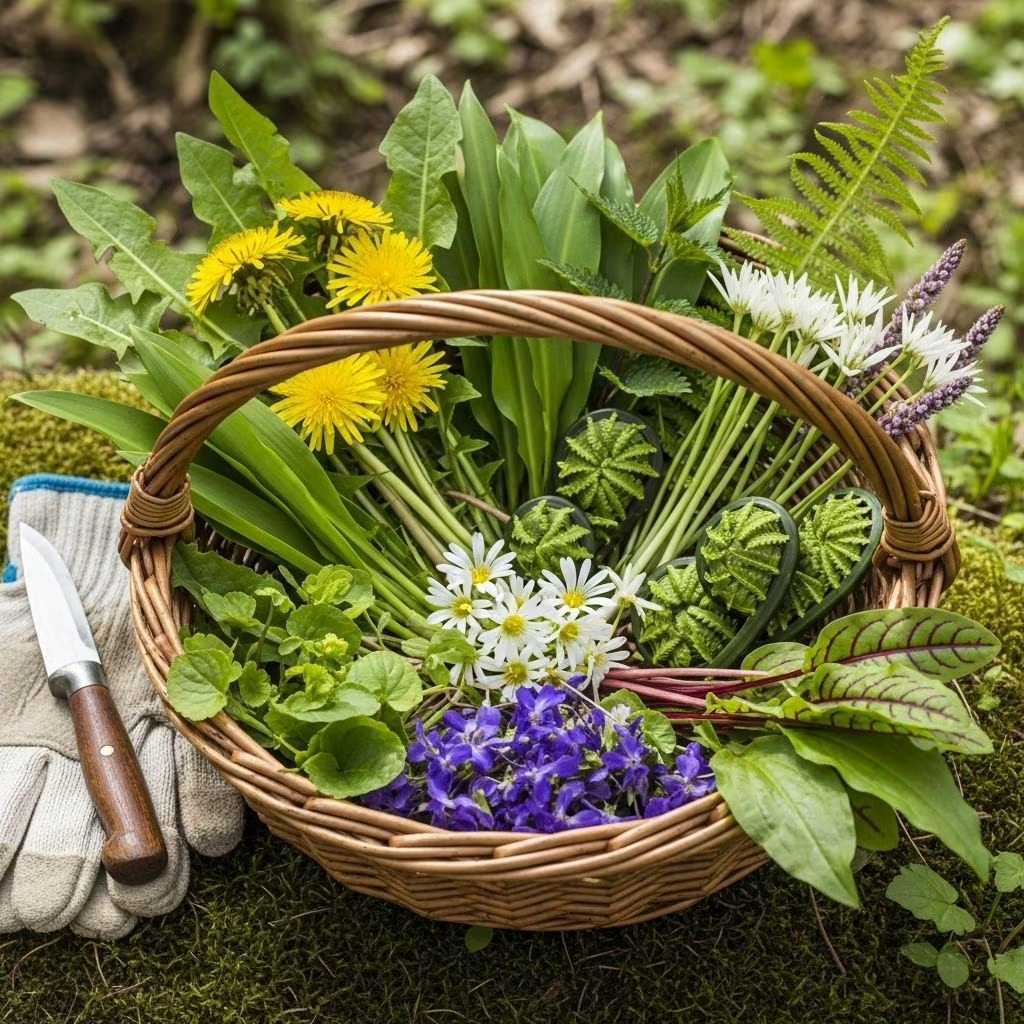
Every spring, as the soil softens and life returns to gardens, roadsides, and wild spaces, a parade of green shoots appears—often dismissed as ‘weeds.’ Yet many of these persistent plants are not only edible, but delicious and packed with nutrition. Learning to identify, harvest, and cook with edible weeds connects you to nature, helps control invasives, and turns overlooked greenery into gourmet delights. Here is your comprehensive guide to 24 of the best edible weeds for spring: where and when to find them, what they taste like, and creative ideas for using them in your kitchen.
Why Forage Edible Weeds?
- Sustainability: Wild edible weeds require no irrigation, fertilization, or pesticides. By harvesting them, you help control invasive species.
- Nutrition: Most edible weeds are nutritional powerhouses, rich in vitamins, minerals, and antioxidants.
- Discovery: Foraging fosters a deeper connection with your local ecosystem and lets you discover flavors unavailable at the store.
- Abundance: Spring weeds are often the first and freshest greens after winter, providing essential early nutrients.
Foraging Safety Tips
- Positively identify every plant before consuming; some edible weeds have toxic look-alikes.
- Harvest from areas untreated by pesticides, herbicides, or pollutants; avoid roadsides and contaminated soils.
- Start small when tasting a new wild plant to test for allergies or intolerance.
- Do not overharvest—leave enough for wildlife and continuous growth.
24 Spring Edible Weeds – Identification & Uses
Below is a curated list of 24 of the best edible weeds to look for in spring. Each entry includes common and botanical names, when and where to find them, how they taste, and suggestions for eating.
| Common Name | Botanical Name | When & Where | Flavor & Use |
|---|---|---|---|
| Dandelion | Taraxacum officinale | Early spring; lawns, open ground | Bitter, earthy; use leaves in salads, roots roasted, flowers for vino & fritters |
| Chickweed | Stellaria media | All spring; gardens, shady lawns | Mild; toss raw in salads, blend in pestos |
| Garlic Mustard | Alliaria petiolata | Early-late spring; woods, shaded gardens | Garlicky, spicy; use greens, stalks, roots in pesto or as sauté greens |
| Ground Elder | Aegopodium podagraria | Early-late spring; woodlands, damp ground | Celery-like; raw/cooked in salads, omelets, savory tarts |
| Purslane | Portulaca oleracea | Late spring; disturbed soil, gardens | Tart, refreshing; fresh in salads, cooked as a green |
| Lamb’s Quarters | Chenopodium album | Mid-late spring; gardens, edges | Nutty-spinach; steamed, sautéed, or in frittata |
| Violets | Viola spp. | Early spring; lawns, woodland | Mild, floral; leaves for salad, flowers as garnish or candy |
| Sheep Sorrel | Rumex acetosella | All spring; meadows, gardens | Lemony, tangy; raw salads, soups (with moderation) |
| Wild Garlic (Field Garlic) | Allium vineale | Early-late spring; open lawns, fields | Pungent garlic/onion; bulbs, greens for flavor |
| Greenbrier | Smilax spp. | Late spring; woods, hedgerows | Lemony-crunchy; tender shoots and tips raw, cooked, or pickled |
| Purple Dead Nettle | Lamium purpureum | Early-late spring; lawns, beds | Mild, earthy; use like spinach in salads, soups |
| Japanese Knotweed | Polygonum cuspidatum | Early spring; wild, disturbed land | Tart, rhubarb-like; cook young shoots in pies or stews |
| Nettles | Urtica dioica | Early spring; forest edges, riverbanks | Nutty, robust; steamed or in soups & teas (wear gloves when harvesting) |
| Creeping Charlie (Ground Ivy) | Glechoma hederacea | Spring; shady lawns, gardens | Minty; as herb in salads and teas |
| Kudzu | Pueraria montana | Southern US, late spring; roadsides | Shoot tips, leaves, roots edible; tempura, jellies, pickles (avoid confusion with poison ivy) |
| Pigweed | Amaranthus spp. | Mid-late spring; fields, gardens | Nutty, spinach-like; leaves in soups and stir-fries |
| Plantain | Plantago major/lanceolata | Spring; lawns, gardens | Earthy; young leaves in salad, cooked as greens |
| Wild Violet | Viola odorata | Early spring; woodlands, lawns | Mild, sweet; flowers candied, leaves in salad |
| Cress (Hairy Bittercress) | Cardamine hirsuta | Early spring; damp lawns, cracks | Peppery; use in salads or as garnish |
| Mallow | Malva neglecta | Mid-late spring; disturbed soils, gardens | Mild; leaves as cooked greens, flowers as garnish |
| Dock | Rumex spp. | All spring; moist ground | Tangy, lemony; leaves in soups and stews (young only) |
| Wild Mustard (Charlock) | Sinapis arvensis | Mid-late spring; meadows, fields | Spicy; leaves and flowers in salads, seeds for spice |
| Pepperweed | Lepidium spp. | Spring; open ground | Peppery; leaves, seedpods as condiment |
| Cleavers | Galium aparine | Spring; damp woodlands, hedges | Greens gently cooked; sticky texture, mild taste |
| Sow Thistle | Sonchus spp. | Spring; waste ground, gardens | Mild, lettuce-like; young leaves in salad, stems cooked |
| Pineapple Weed | Matricaria discoidea | Spring; pathways, disturbed earth | Pineapple aroma; flowers in teas and desserts |
Notes on Notable Edible Weeds
- Garlic Mustard: All parts are edible—leaves, flower buds, stalks, rosettes, and roots. Best before flowering for mildest flavor. Excellent in pesto, stir fries, and as a horseradish-like root condiment.
- Greenbrier: The lemony spring shoots and tender tips can be eaten raw, sauteed, or pickled. Leaves may be tougher as the plant ages.
- Ground Elder: Tastes of celery or lovage. Best harvested and eaten young; later growth is stronger in flavor and best cooked or dried for seasoning salt.
- Purple Dead Nettle: Leaves are mild and soft; add raw or cooked for color and nutrition.
- Japanese Knotweed: A serious invader, but edible shoots taste like rhubarb; use only young, tender growth, and never plant it intentionally.
- Nettles: A top spring edible; pick with gloves, cook to neutralize the sting. Use in soups, teas, and folded into savory baked goods.
- Creeping Charlie (Ground Ivy): Mildly minty. Add to teas, salads, or use as a herb seasoning.
Recipes & Culinary Suggestions
- Strong Spring Salad: Combine young ground elder, sheep sorrel, garlic mustard, chickweed, wild cress, and violets for a bold, fortifying mix. Add a tart vinaigrette.
- Nettle Soup: Sauté onions and garlic in olive oil, add chopped nettles (with gloves!), potato, and stock. Simmer until creamy. Finish with a squeeze of lemon or swirl of cream.
- Garlic Mustard Pesto: Blend garlic mustard leaves with nuts, cheese, olive oil, lemon, and salt for a fiery, nutritional sauce over pasta, potatoes, or grilled meat.
- Pickled Greenbrier Shoots: Harvest tender tips, blanch briefly, then pack into jars with cider vinegar, salt, and dill for a tangy, crunchy treat.
- Knotweed Crumble: Peel and chop young Japanese knotweed, stew with sugar and ginger, and top with oat crumble for a wild, tart dessert reminiscent of rhubarb.
- Dandelion Flower Fritters: Dip fresh dandelion flowers in a light batter and fry until golden for a crispy, floral snack.
- Lamb’s Quarters Frittata: Wilt leaves with onion and garlic, pour over beaten eggs, and bake until puffed.
Frequently Asked Questions (FAQs)
Q: Are all wild weeds safe to eat?
A: No. Some weeds have toxic or inedible look-alikes. Always positively identify plants before harvesting and eating, and consult multiple resources or an experienced forager if in doubt.
Q: How do I start foraging for edible weeds?
A: Begin in your own backyard or local park, focusing on common, easily identified plants such as dandelion, chickweed, and violet. Bring a field guide, observe habitats carefully, and harvest only from clean areas free of pesticides and pollutants.
Q: Are edible weeds nutritious?
A: Yes. Many weeds contain higher levels of vitamins and minerals than cultivated greens. For example, nettles are rich in iron, calcium, and vitamin C; lamb’s quarters are high in protein and antioxidants.
Q: What is the best time to harvest edible weeds?
A: Most edible weeds are best picked young and tender in early to mid-spring, before they flower or become tough and bitter.
Q: Can I plant edible weeds in my garden?
A: It is never recommended to introduce highly invasive weeds (like ground elder, kudzu, or Japanese knotweed) on purpose. Many edible weeds spread aggressively; harvest from existing populations instead.
Final Foraging Notes
Remember: Responsible foraging means respecting the ecosystem and following best practices. Never take more than you need, avoid harming native plants, and always check regulations in public spaces. With knowledge, care, and a sense of culinary adventure, spring weeds can become a cornerstone of your seasonal kitchen.