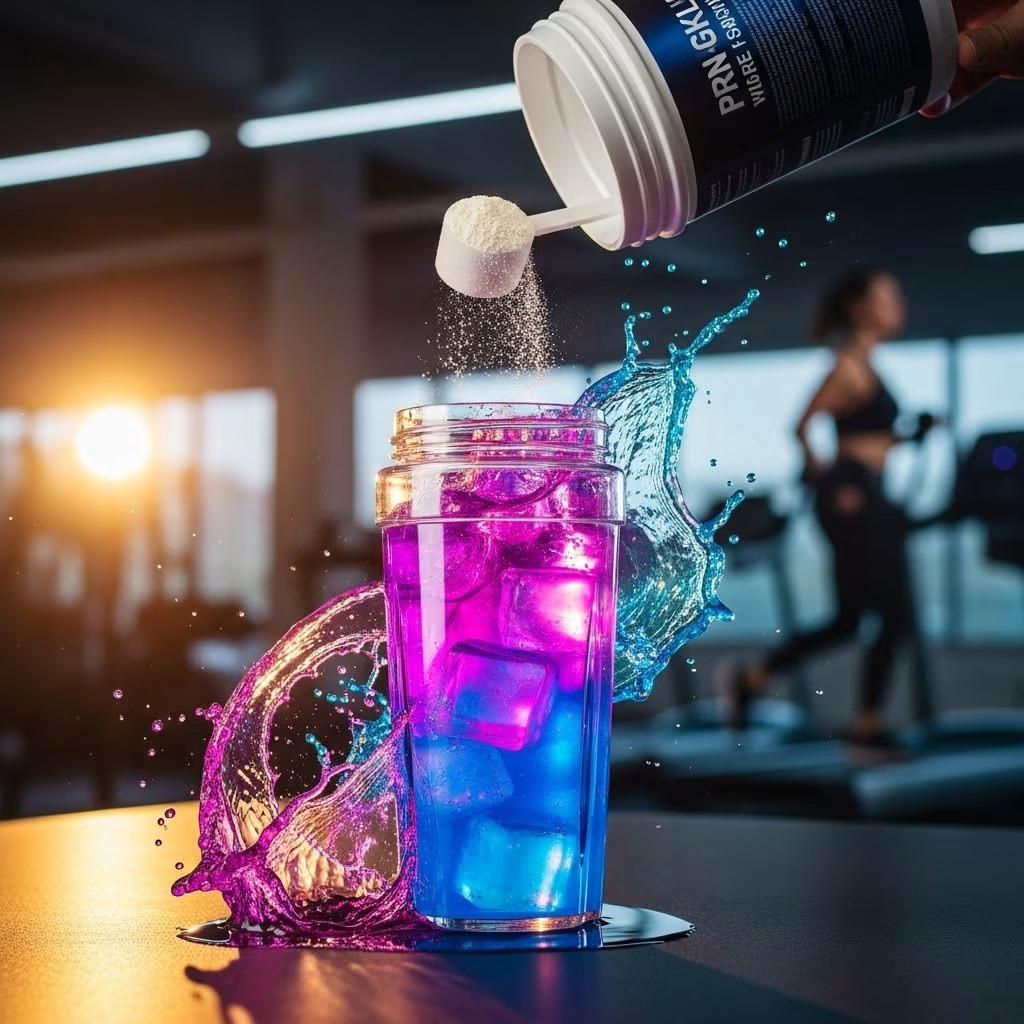
Pre-workout supplements are among the most popular additions to fitness routines, promising increased energy, improved performance, and greater focus. But with so many formulas on the market, questions abound regarding their safety, ingredients, and effectiveness. This article will guide you through everything you should know before reaching for a pre-workout supplement, including the science, potential risks, benefits, and essential tips.
What is Pre-Workout?
Pre-workout supplements, typically found as powders mixed with water and consumed shortly before exercising, are multi-ingredient dietary supplements formulated to boost athletic performance. They usually target several aspects of performance, such as energy, endurance, strength, and focus. The composition varies widely among brands, and not all products contain the same active ingredients, making label transparency a chief concern.
- Usually taken 15-30 minutes prior to exercise.
- Commonly sold in powder form but are also available in capsules, gummies, and drinks.
- Contain a wide range of ingredients whose amounts may not be fully disclosed, often residing in proprietary blends.
Why Do People Use Pre-Workout?
Individuals use pre-workout supplements for several perceived benefits, including:
- Increased energy – Stimulant-based components like caffeine can provide a temporary energy boost to push harder during workouts.
- Enhanced exercise performance – Ingredients such as creatine and beta-alanine may support improved power output, strength, and endurance, allowing for more sustained high-intensity training.
- Improved focus – Some products include nootropic compounds to heighten mental concentration and the mind-muscle connection.
Key Ingredients in Pre-Workout Supplements
The effects—and risks—of pre-workout depend largely on their active ingredients. Here are some of the most common:
| Ingredient | Role in Pre-Workout | Potential Risks |
|---|---|---|
| Caffeine | Stimulant that boosts energy and alertness | Jitters, anxiety, insomnia, increased heart rate, elevated blood pressure |
| Creatine | Supports short-burst power and muscular strength | Possible water retention, gastrointestinal upset |
| Beta-alanine | May delay muscle fatigue and support endurance | ‘Tingling’ or flushing sensations in the skin (paresthesia) |
| Amino acids (e.g., BCAAs, tyrosine, taurine) | May reduce muscle breakdown, aid recovery, or support cognition | Varies; usually well-tolerated |
| Nitric oxide precursors (e.g., citrulline, arginine) | May support blood flow/vascularity and endurance | Possible gastrointestinal upset |
Note: Many pre-workout products also include artificial flavors, colors, sweeteners, and other untested additions. Some use proprietary blends, making it impossible to know the exact quantity of each ingredient consumed.
Are Pre-Workout Supplements Effective?
The evidence regarding the effectiveness of pre-workout supplements is mixed. Short-term studies suggest that multi-ingredient formulas—particularly those with caffeine and creatine—may provide temporary performance enhancements by increasing energy, improving strength, and delaying fatigue. However, most studies are short in duration (often 8-12 weeks), and the long-term safety and efficacy of these products remain poorly studied.
Research Highlights:
- Acute benefits relate mostly to caffeine, which is well-documented for improving alertness and exercise output.
- Creatine, beta-alanine, and amino acids have potential ergogenic (performance-boosting) effects, but results vary per individual and formula.
- Roughly 44% of ingredients used in pre-workout supplements are proprietary blends, meaning the doses are not disclosed and their benefits cannot be easily evaluated.
Are Pre-Workouts Safe?
Concerns about the safety of pre-workout supplements arise mainly from their stimulant content, lack of regulation, and unknown ingredient quality. The U.S. Food and Drug Administration (FDA) does not pre-approve dietary supplements for safety or effectiveness, meaning manufacturers can release products without mandatory proof that they work or are safe as labeled. This leads to several important risks:
- Ingredient uncertainty: Supplement labels may be inaccurate or not list the exact amounts of all ingredients.
- High caffeine effects: Dose can range widely; some servings contain as much caffeine as 2-4 cups of coffee. Excess causes overstimulation, jitters, anxiety, insomnia, increased heart rate, hypertension, and in rare cases, more serious cardiovascular complications.
- Energy crashes: Large doses of caffeine and sugar can be followed by sharp energy drops and fatigue.
- Kidney and liver strain: Especially when consumed long-term or at high doses, certain ingredients might harm kidney or liver function—though conclusive data is lacking.
- Banned substances risk: Some pre-workout supplements contain ingredients that are banned by athletic organizations, risking positive drug tests and athletic disqualification.
- Rare but serious adverse events: There have been case reports of stroke and pancreatitis associated with pre-workout use, though these are extremely uncommon.
‘Dry Scooping’: A Dangerous Trend
The rise of “dry scooping”—consuming pre-workout powder without mixing it with water—has surged due to social media trends. This method is hazardous and provides no scientifically proven benefits over traditional mixing. Risks include:
- Choking and severe coughing from inhaled powder.
- Potential respiratory distress or aspiration.
- Greater risk of acute stimulant overload, which could increase adverse effects.
Bottom line: Always follow the label directions and avoid consuming powder directly.
Who Should Avoid Pre-Workout Supplements?
Pre-workout may not be suitable for everyone. The following groups should be especially cautious or avoid these supplements altogether:
- Individuals with heart conditions: Stimulants may negatively impact cardiovascular function.
- People with high blood pressure or anxiety disorders: High caffeine can exacerbate these problems.
- Younger children and adolescents: Recommended caffeine limits are much lower than for adults, and high intake may affect growth or exacerbate anxiety disorders.
- Pregnant or breastfeeding individuals: Safety data is lacking for many ingredients found in pre-workout products.
- Those taking medications: Many supplements can interact with prescription drugs, raising the risk of side effects or reducing efficacy.
How to Choose a Safer Pre-Workout Supplement
If you decide that you want to try pre-workout, consider the following strategies to reduce risk:
- Read ingredient labels carefully—look for fully disclosed dosages and avoid proprietary blends when possible.
- Start with a half-serving to assess your sensitivity to stimulants and other ingredients.
- Check for third-party testing from organizations like NSF Certified for Sport or Informed Choice to verify product purity and ingredient accuracy.
- Avoid formulas with excessive caffeine, added sugars, or unfamiliar herbal stimulants.
- Talk to your doctor before beginning any new supplement, especially if you have health conditions or are taking any medication.
Natural Alternatives to Pre-Workout Supplements
Many athletes and gym-goers find success using natural methods to boost workout performance:
- Proper nutrition: Carbohydrates and protein consumed before exercise fuel muscles and enhance recovery.
- Coffee or tea: If you want caffeine, a cup of coffee or tea is a natural alternative that delivers a known dose.
- Staying hydrated: Dehydration leads to early fatigue and poorer mental focus.
- Getting adequate rest: Good sleep is essential for both recovery and performance.
Tips for Using Pre-Workout Safely
- Take pre-workout 15-30 minutes before exercise for best results.
- Don’t exceed the recommended dosage on the product label.
- Avoid taking pre-workout late in the day to minimize sleep disturbances.
- Stay aware of other dietary sources of caffeine.
- If you experience severe or new symptoms (heart palpitations, chest pain, dizziness), stop immediately and consult a healthcare provider.
FAQs: Pre-Workout Supplements
Are pre-workout supplements safe for everyone?
Pre-workout supplements are not universally safe. People with underlying health issues, children, pregnant or nursing individuals, and those taking medications should consult a healthcare professional before use.
Can pre-workout supplements cause dependency?
Some people may become reliant on the energizing effects, particularly from caffeine, leading to routine use or withdrawal symptoms (such as headaches or fatigue) after stopping.
How much caffeine is too much in a pre-workout?
The FDA advises adults to limit caffeine intake to 400 mg per day from all sources. Some pre-workouts offer up to nearly this limit in a single serving, so it’s important to add up all dietary caffeine sources.
What happens if I take too much pre-workout?
High doses can cause symptoms such as rapid heartbeat, nausea, hypertension, difficulty sleeping, and in rare cases, arrhythmias or serious health complications.
Do I need a pre-workout to get results?
No supplement is essential for progress in strength training or endurance. Good nutrition, consistent exercise, and proper recovery are far more important for results.
Key Takeaways
- Pre-workout supplements may improve energy, focus, and certain aspects of athletic performance in the short term, but evidence for long-term safety and efficacy is lacking.
- Not all products are created equal; label transparency and ingredient quality vary widely.
- Risks include excessive caffeine intake, heart complications, energy crashes, and possible adulteration with banned substances.
- Safe use starts with informed choices—read labels, start slowly, and seek professional guidance when uncertain.
- There are plenty of natural (and often safer) ways to boost exercise performance.
References
- https://www.goodrx.com/well-being/movement-exercise/what-does-preworkout-do
- https://www.texashealth.org/areyouawellbeing/Staying-Fit/What-You-Need-to-Know-About-Pre-Workout-Supplements
- https://pmc.ncbi.nlm.nih.gov/articles/PMC12028264/
- https://www.webmd.com/fitness-exercise/health-benefits-pre-workout-supplements
- https://health.clevelandclinic.org/does-taking-a-pre-workout-actually-work
- https://www.healthline.com/nutrition/pre-workout-side-effects
- https://www.uhhospitals.org/blog/articles/2025/05/pre-workout-supplements-are-they-worth-taking
- https://pmc.ncbi.nlm.nih.gov/articles/PMC6520716/