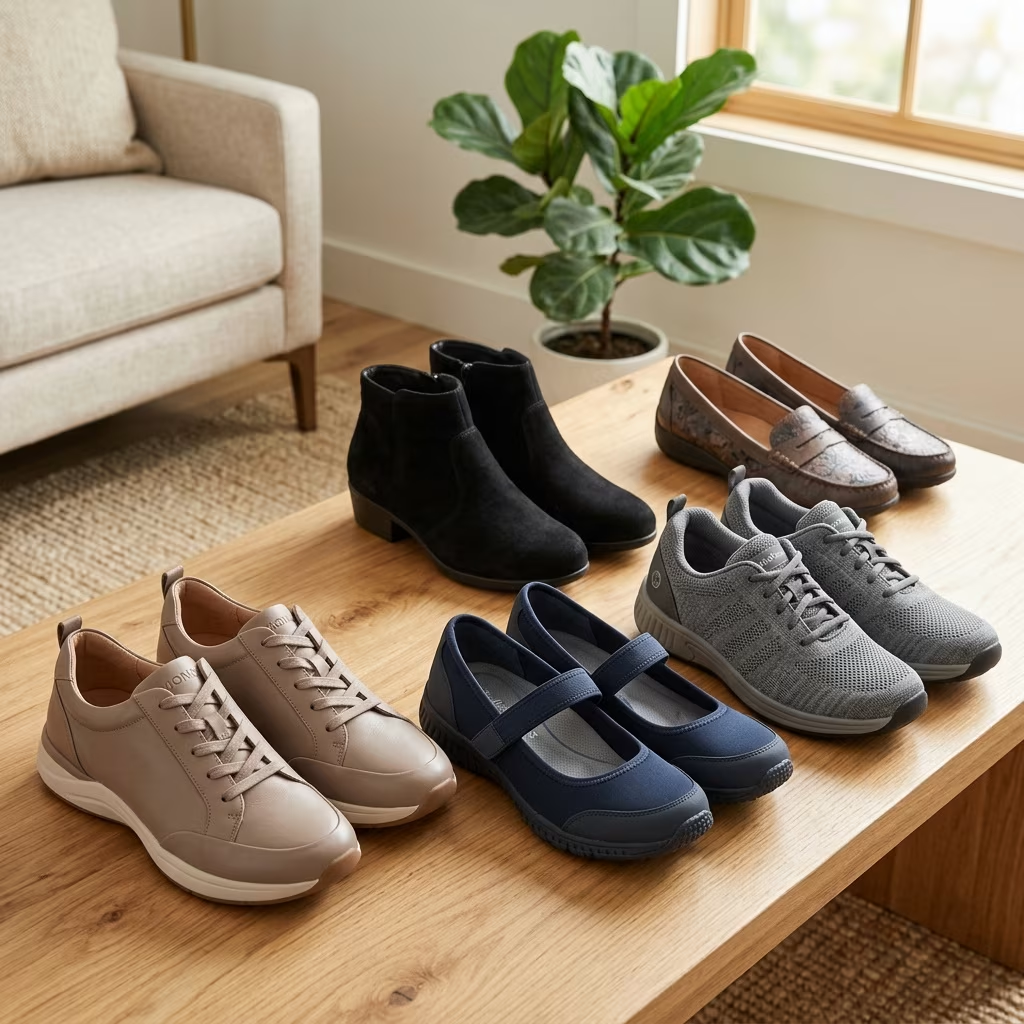
Bunions—those bony bumps that form at the base of the big toe—are a common foot concern that can lead to pain, inflammation, and difficulty finding comfortable, supportive shoes. Whether your bunions are just starting to form or you’ve struggled with discomfort for years, choosing the right footwear is essential to keeping your feet healthy and pain-free. This comprehensive guide explores the best shoes for bunions, what features matter most, top brands and styles, and expert advice on choosing footwear that blends comfort with style.
Why the Right Shoes Matter for Bunions
Bunions develop when the big toe pushes against the next toe, forcing the joint of the big toe to become enlarged and misaligned. The wrong shoes—particularly those that are too narrow, tight, or high-heeled—can accelerate this process and intensify pain. Selecting shoes specifically designed for bunion relief helps to:
- Prevent irritation by minimizing pressure on the bunion.
- Provide extra room for the toes to spread naturally.
- Support foot alignment and reduce strain on joints.
- Reduce the risk of related issues, like hammertoes and calluses.
While proper shoes cannot reverse an existing bunion, they can prevent symptoms from worsening and significantly improve daily comfort.
Key Features to Look for in Bunion-Friendly Shoes
- Wide Toe Box: Shoes with a broad, roomy toe area allow your toes to spread naturally and avoid compressing the bunion.
- Soft, Flexible Materials: Uppers made from soft leather or stretchy knit adapt to your foot’s shape, preventing rubbing and irritation.
- Arch Support: Good arch support stabilizes your foot, distributes weight evenly, and maintains healthy alignment.
- Low Heels: A heel height of less than one inch is best. High heels push your foot forward, increasing bunion pressure.
- Cushioned Insole: Extra cushioning absorbs shock and eases pressure on sensitive joints.
- Adjustability: Features like laces, straps, or hook-and-loop closures accommodate swelling and allow for customized fit.
It is also important to try on shoes in the late afternoon when feet are naturally more swollen to ensure a comfortable fit throughout the day.
Top Shoe Types and Styles for Bunions
Athletic and Walking Shoes
Running and walking shoes are some of the best options for people with bunions, as they are designed with comfort and performance in mind. Key brands stand out for their bunion-friendly designs:
- New Balance: Known for wide sizing, cushioned midsoles, and supportive arches.
- Brooks: Offers models like the Ghost and Glycerin series with ample toe room and plush comfort.
- HOKA: Renowned for maximal cushioning and broad toe boxes, making them ideal for bunion sufferers who walk or run regularly.
- Altra: Minimalist, zero-drop shoes with foot-shaped designs and wide toe boxes that allow toes to splay naturally.
Many athletic shoes come in multiple widths—selecting a wide or extra-wide fit can make a significant difference in comfort.
Dress Shoes for Bunions
Comfort and style are not mutually exclusive. While some traditional dress shoes are narrow and stiff, several brands offer elegant bunion-friendly options:
- Clarks: Classic shoes with supple leather, cushioned insoles, and wider forefoot areas.
- Naturalizer: Specializes in women’s formalwear with wide sizes and extra padding.
- ECCO: Provides stylish loafers, flats, and low-heel pumps designed with anatomical soles and roomy toe boxes.
- Vionic: Dress shoes and sandals with built-in orthotic support and extra room for toes.
Look for shoes with a low heel (under 1 inch), soft uppers, and adjustable straps or closures.
Sandals and Casual Shoes
- Birkenstock: Famous for their contoured footbeds and adjustable straps, Birkenstock sandals distribute weight evenly and offer excellent support.
- Naot: Stylish and supportive sandals and slip-ons, with anatomical footbeds and wide-based designs.
- Alegria: Popular for their fun patterns, these shoes offer built-in arch support and wide toe boxes.
Many sandals have adjustable straps, making it easier to tailor the fit to any foot swelling during the day.
How Shoes Can Help (or Hurt) Bunions
| Feature | Benefits for Bunions | Risks if Ignored |
|---|---|---|
| Wide Toe Box | Prevents crowding and irritation of the bunion | Increased pain, worsening of bunion, risk of corns & calluses |
| Soft, Seamless Uppers | Reduces rubbing, prevents blisters and inflammation | Sores, swelling, skin breakdown over bunion |
| Low Heels | Reduces forward pressure on the forefoot | Pressure increases, exacerbating bunion pain and deformity |
| Arch Support | Improves foot alignment, distributes weight | Misalignment, strain on joints, worsening foot function |
| Shock-Absorbing Insole | Protects joints and relieves pressure | Pain, impact-related joint problems |
Expert Tips for Choosing Shoes for Bunions
- Get Measured Regularly: Your shoe size can change over time due to aging, weight changes, or bunion progression. Have your feet measured before each purchase.
- Try Shoes in the Afternoon: Feet swell throughout the day, so fitting shoes later ensures they accommodate natural expansion.
- Check for Return Policies: Many brands now offer generous return windows—helpful if you need to test shoes at home for all-day comfort.
- Opt for Adjustable Closures: Buckles, laces, or Velcro straps let you fine-tune the fit.
- Consider Custom Orthotics: Inserts can be molded to foot contours, providing extra support and legitimate relief for severe cases.
- Minimize Heel Height: If you must wear a heel, choose a broad base with a height under one inch to minimize forward pressure.
Recommended Shoes and Brands for Bunions
Multiple trusted brands are recognized by podiatrists and foot experts for their dedication to bunion-friendly designs across a range of activities and styles. Below are standout options:
- New Balance 990/880 Series (Athletic): Legendary support with wide-sizing options.
- Brooks Ghost/Glycerin (Running/Walking): Roomy forefoot, plush cushioning, and excellent arch support.
- HOKA Gaviota/Clifton (Running/Casual): Exceptional shock absorption and wide toe boxes.
- Vionic, Orthofeet, and Alegria (Casual/Comfort): Built-in orthotic insoles and adjustable uppers.
- Clarks and Naturalizer (Dress): Roomy, stylish work and evening shoes.
- Birkenstock and Naot (Sandals): Contoured cork footbeds, numerous styles for wide feet.
- Altra Escalante (Minimalist/Running): Zero-drop, anatomical fit for natural toe movement.
Frequently Asked Questions (FAQs)
Q: How can I tell if a shoe will help my bunions?
A: Look for a wide, round toe box, soft flexible uppers, good arch support, and avoid any pinching or pressure at the base of the big toe when you try them on.
Q: Are custom orthotics necessary for bunions?
A: Custom orthotics can provide tailored support, but many shoes designed for bunions offer sufficient built-in comfort for mild to moderate cases. Severe or persistent pain may warrant professional assessment.
Q: Should I avoid wearing heels altogether?
A: It’s best to minimize heel height, choosing shoes under one inch. High heels can worsen bunions by putting extra pressure on the forefoot, but occasional modest heels with supportive designs are generally considered tolerable for short durations.
Q: Can men’s shoes also be bunion-friendly?
A: Absolutely. Many brands like New Balance, Brooks, and HOKA produce wide, supportive styles for men. Focus on the same key features: a roomy toe box, arch support, and cushioned soles.
Q: What if I have bunions and flat feet/plantar fasciitis?
A: Seek shoes that combine bunion-friendly features with excellent arch support and shock absorption. Some brands, especially those focused on orthopedic comfort such as Orthofeet and Vionic, offer designs addressing both issues simultaneously.
Shopping Tips for Selecting Bunion Shoes
- Always Measure Both Feet: Bunions can cause one foot to be larger. Size shoes to fit your larger foot, using insoles or inserts for the smaller foot if needed.
- Wear Your Typical Socks: Bring along the socks or orthotics you plan to wear most when fitting shoes.
- Test with Activity: Walk, stand, and even jog in the store if possible. The fit should feel comfortable in motion, with no pressure at the bunion area.
- Look for Returnable Options: Buying online? Choose brands with flexible return policies so you can try shoes at home risk-free.
What to Avoid When Choosing Shoes for Bunions
- Narrow and Pointed-Toe Shoes: These squeeze toes, increasing bunion pain.
- Stiff, Unyielding Materials: Hard leather or thick seams can cause rubbing and blisters on the bunion.
- High Heels: Heels over one inch increase pressure on the toes.
- Lack of Support: Unsupportive flats may not provide adequate arch or heel cushioning.
The Path to Comfortable, Stylish Feet
Living with bunions doesn’t have to mean sacrificing comfort or style. A wide array of shoes—across all categories, from running sneakers to dressy sandals—offer features designed to protect, cushion, and support bunion-prone feet. Remember to prioritize a wide toe box, soft materials, proper support, and adjustability in every pair you purchase. Consult with a foot specialist for persistent or severe pain, and test different brands to discover your perfect fit. With today’s expanding selection, you can walk confidently and pain-free every day.
References
- https://www.kurufootwear.com/pages/shop-shoes-bunions
- https://www.podiatryhotline.com/blog/the-best-shoes-for-preventing-bunion-pain
- https://balancehealth.com/resources/what-are-the-best-shoes-for-bunions-a-podiatrists-guide-to-comfort-and-support/bunion-institute/
- https://www.youtube.com/watch?v=7v3i60MlGZk
- https://runrepeat.com/guides/best-bunions-running-shoes
- https://www.drcomfort.com/foot-indications/bunions
- https://us.solebliss.com/collections/all
- https://www.orthofeet.com/collections/bunions-for-women
- https://www.familyfootwearcenter.com/footwear-blog/?p=the-best-shoes-to-wear-if-you-have-bunions