The Best Sci-Fi TV Shows of the 1950s
The 1950s television landscape was a shifting frontier, dominated by westerns, comedies, and game shows. Yet, as America’s fascination with space surged—culminating in the launch of Sputnik in 1957 and the birth of the Space Race—science fiction TV quickly ascended to new heights. These series weren’t just entertainment; they offered a glimpse into a technological tomorrow, thrilled a generation hungry for adventure, and planted seeds that would shape science fiction on screen for decades to come.
Television in a Time of Science and Wonder
Post-war optimism, atomic age anxiety, and breathtaking scientific advances were reflected in the imaginative stories beamed into living rooms across the country. Kids and adults alike gathered around flickering screens to witness epic space battles, encounters with aliens, and heroic scientific exploits. Science fiction wasn’t just a genre; it became a nationwide experience, cementing iconic tropes and launching heroes into the pop culture stratosphere.
- Science fiction provided a lens for exploring technological possibility and cold war fears.
- Popular shows introduced intergalactic travel, ray guns, and bubble helmets into everyday vocabulary.
- The growing TV market transformed science fiction from pulp magazines and radio serials into a shared visual spectacle.
The Unforgettable Sci-Fi Series of the 1950s
This unranked list collects the most influential and imaginative science fiction television series broadcast during the 1950s. Each helped define the era, and many set standards for what was possible in science fiction storytelling on TV.
Flash Gordon (1954-1955)
Starring Steve Holland as the intrepid space hero, Flash Gordon drew on the beloved Alex Raymond comic strip. Despite some licensing oddities, it offered 39 thrilling episodes packed with cosmic adventure.
- Premise: Flash and his Galaxy Bureau teammates patrolled outer space, countering everything from alien monsters to despotic rulers.
- Legacy: Brought the space opera tradition to television, inspiring future adaptations and capturing post-war optimism in its vision of cosmic heroism.
- Fun Fact: A Universal Studios oversight let this TV adaptation slip through, making it a rare production in the mid-1950s landscape.
Commando Cody: Sky Marshal of the Universe (1953, 1955)
Donning a rocket suit and mask, Commando Cody was a super-scientist hero thrown into a planetary crisis: unpredictable and dangerous climate change.
- Plot: Cody investigates volatile weather, ultimately uncovering a nefarious Venusian plot led by “The Ruler.”
- Structure: Ran for one season, with 12 episodes originally airing in syndication after a brief theatrical stint.
- Significance: Predicted modern environmental anxieties and exemplified science fiction’s engagement with real-world themes.
Tom Corbett, Space Cadet (1950–1955)
This NBC classic chronicled the adventures of Academy Cadets Tom Corbett, Roger Manning, and Astro as they strove to become members of the Solar Guards in the 24th century.
- Setting: The future solar system, replete with rocket ships and natural catastrophes rather than traditional villains.
- Influence: A proto-team drama with heavy emphasis on friendship, discipline, and learning from mistakes.
- Longevity: Known for its dynamic cast and gripping serialized adventures, it ran nearly five years and cemented many space exploration tropes.
Space Patrol (1950-1955)
Commanded by the heroic Commander Buzz Corey, the spaceship “Terra” carried viewers on countless adventures.
- Main Characters: Commander Corey, Cadet Happy, and villainous foes like Mr. Proteus and Prince Baccarratti.
- Science Fiction Elements: Advanced technology such as the “Brainograph”—a machine that reprogrammed the minds of defeated foes.
- Entertainment Value: Blended action, special effects, and serialized storytelling, making it one of the most beloved 1950s sci-fi series.
Buck Rogers (1950-1951)
Adapting another legendary comic strip hero, Buck Rogers carried a twentieth-century football player into the 25th century—a vision of a future shaped equally by wonder and peril.
- Theme: The struggle against tyranny, as Buck joins the resistance against a local despot.
- Impact: Set high standards for serialized science fiction storytelling, offering family-friendly adventure and introducing new generations to space opera storytelling.
Out There (1951-1952)
Out There was an early anthology series, adapting sophisticated science fiction stories from authors like Ray Bradbury and Robert Heinlein.
- Adult Focus: Not strictly aimed at children, its complex stories sought to intrigue adult viewers as well.
- Format: Anthology, with each of its 12 episodes telling a self-contained story. Themes ranged from technological folly to human drama.
- Historical Note: Lack of sponsorship led to a brief run, but it established a pattern for later anthologies like The Twilight Zone.
Tales of Tomorrow (1951-1953)
Another pioneering anthology, Tales of Tomorrow blended suspense, speculative fiction, and moral dilemmas in 85 episodes.
- Format: Hosted series, featuring both adaptations from esteemed science fiction writers and original works.
- Cultural Relevance: Addressed topics like atomic fear, alien invasion, and the unforeseen consequences of scientific progress.
- Influence: Set the stage for later shows like Alfred Hitchcock Presents and The Twilight Zone, and regularly attracted top talent.
Atom Squad (1953–1954)
Atom Squad tackled threats against humanity with a distinctly atomic-age flair.
- Premise: A government defense team confronted international villains and technological disasters in roughly 26 episodes.
- Style: Gritty, fast-paced, and reflecting America’s rapid technological development.
Johnny Jupiter (1953–1954)
This innovative show blended live-action with puppetry and early special effects.
- Story: Ernest P. Duckweather, an eccentric clerk, invents an interplanetary TV and befriends the puppet Johnny Jupiter. Together, they swap observations about life on Earth and in space, often using comedy to examine human quirks.
- Originality: One of the more whimsical sci-fi outings, aimed primarily at a younger audience but often featuring clever satire.
Operation Neptune (1953)
Short but punchy, this series followed Commander Hollister and protege Saunders as they investigated mysterious shipwrecks—revealing threats that reached beyond Earth’s surface.
- Focus: Blended elements of science fiction and mystery, often venturing into aquatic realms, which set it apart from its space-focused contemporaries.
The Impact and Legacy of 1950s Sci-Fi Television
While limited by primitive effects and low budgets, these trailblazing TV shows accomplished a great deal:
- Launching the sci-fi TV tradition: Popularized recurring tropes—brave astronauts, evil empires, space gadgets—that later franchises like Star Trek and Doctor Who would build upon.
- Inspiring future creators: Writers, directors, actors, and special effects artists cut their teeth working with modest means, using ingenuity to bring bold ideas to life.
- Reflecting and shaping culture: Addressed contemporary fears (nuclear war, alien invasion) and hopes (space colonization), helping generations imagine new possibilities.
It was in this decade, amidst atomic anxieties and dreams of the cosmos, that the small screen’s sci-fi spark ignited a cultural phenomenon destined to burn brightly for generations.
Notable Themes and Tropes of the Era
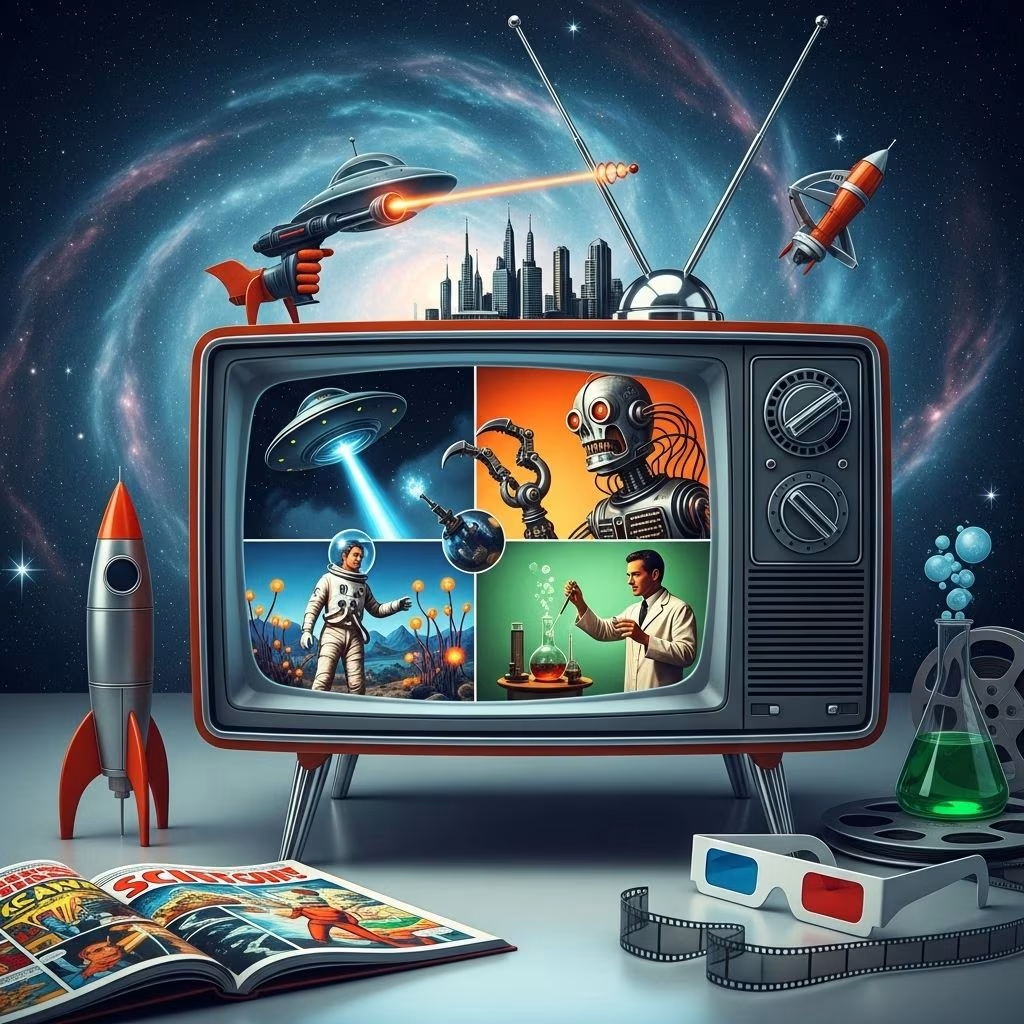
- Ray guns, rocket ships, and bubble helmets: Became instant visual shorthand for the genre.
- Team dynamics: Many series hinged on ensemble casts and promoted teamwork and courage.
- Monsters and cosmic threats: Each week, heroes faced intergalactic dangers ranging from hostile aliens to rogue robots.
- Hope and caution: Science was a double-edged sword, promising wonders but often bringing unforeseen perils.
Table: Comparison of Major 1950s Sci-Fi TV Shows
| Show | Years | Main Setting | Key Themes | Notable Features |
|---|---|---|---|---|
| Flash Gordon | 1954–1955 | Outer space | Heroism, cosmic justice | Space battles, comic adaptation |
| Tom Corbett, Space Cadet | 1950–1955 | Solar system | Teamwork, training, adventure | Focus on young cadets |
| Commando Cody | 1953, 1955 | Earth & space | Science vs. disaster | Rocket suits, environmental threat |
| Space Patrol | 1950–1955 | Future universe | Law enforcement, technology | The “Brainograph” device |
| Out There | 1951–1952 | Varied | Morality, speculation | Adult-oriented anthology |
| Tales of Tomorrow | 1951–1953 | Varied | Moral dilemmas, future shock | Hosted, original/ adapted stories |
| Atom Squad | 1953–1954 | Earth | Atomic threats, secret missions | Short, action-intensive |
| Buck Rogers | 1950–1951 | 25th Century Earth | Resistance, future hope | Based on comic strip, space opera |
| Johnny Jupiter | 1953–1954 | Earth & space | Comedy, technology | Puppetry and live action |
| Operation Neptune | 1953 | Ocean & earth | Mystery, adventure | Maritime, underwater science fiction |
Frequently Asked Questions (FAQs)
Q: What made 1950s sci-fi TV so influential?
A: These shows brought imaginative stories into millions of homes, inspired future writers and directors, and established tropes and visuals still found in modern science fiction television.
Q: Were these shows intended just for children?
A: While some series targeted young audiences, others like “Tales of Tomorrow” and “Out There” engaged adults with complex, thought-provoking stories.
Q: Why do many 1950s shows look and feel similar?
A: Limited technology and budgets meant creators reused sets, costumes, and special effects. However, the focus remained on creative stories and original characters.
Q: Are any 1950s sci-fi shows still available to watch?
A: Many episodes survive on DVD or online streaming, and their influence lives on through remakes and spiritual successors in contemporary sci-fi productions.
Final Thoughts
The 1950s marked the dawn of television science fiction. With iconic characters, enduring stories, and indelible visuals, these series still evoke a time of wonder, invention, and adventure—inviting new generations to dream of rockets, aliens, and the stars themselves.
References
- https://www.imdb.com/list/ls000097346/
- https://www.space.com/entertainment/the-best-sci-fi-tv-shows-of-the-1950s
- https://www.youtube.com/watch?v=iP0kGjrsGH8
- https://en.wikipedia.org/wiki/Category:1950s_American_science_fiction_television_series
- https://www.wcbu.org/local-news/2023-04-25/exploring-the-lost-world-of-tv-sci-fi-in-the-50s
- https://www.youtube.com/watch?v=q6jeS-OwXqE
- https://screenrant.com/sci-f-tv-shows-from-1950s-1970s-just-as-good-list/
- https://en.wikipedia.org/wiki/Category:1950s_science_fiction_television_series
- https://www.allsci-fi.com/viewtopic.php?t=7230&highlight=
- https://www.allsci-fi.com/viewtopic.php?p=47630
- https://www.imdb.com/list/ls060030280/
- https://www.sideshow.com/blog/sci-fi-seven-tv-shows-from-the-1950s-1960s/
- https://mcfarlandbooks.com/product/american-science-fiction-television-series-of-the-1950s/
- https://jweasytech.com/2025/02/15/the-best-sci-fi-tv-shows-of-the-1950s/
- https://www.giantfreakinrobot.com/ent/1950s-sci-fi-tv-shows-still-worth-watching.html
- https://creators.spotify.com/pod/profile/edward-franklin-german/episodes/1950s-Sci-fi-TV-shows-ek14f7
- https://editorial.rottentomatoes.com/guide/best-1950s-sci-fi-movies/
- http://www.zipcon.net/~swhite/docs/filum/sci-fi_series.html