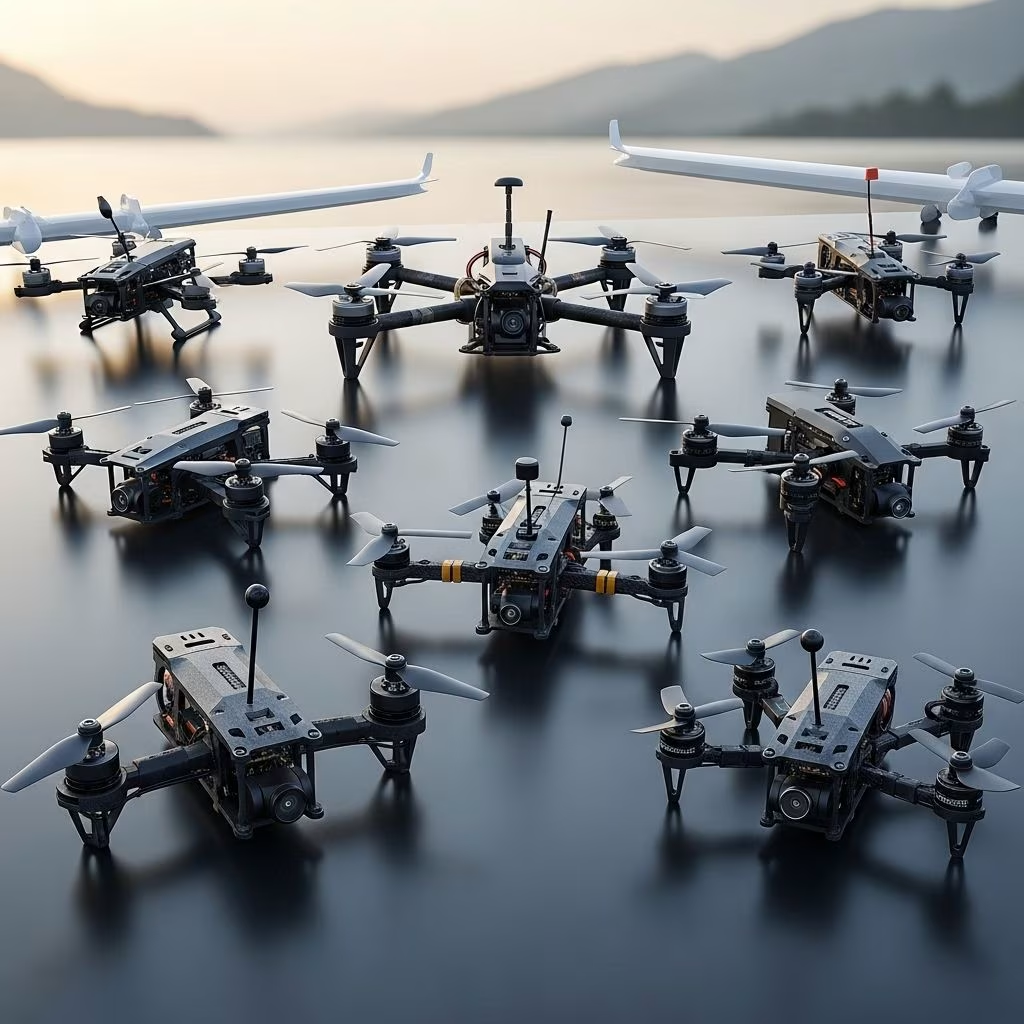
First-person view (FPV) drones have taken aerial exploration, racing, and videography to new heights. The thrill of piloting a drone as if you’re in the cockpit, combined with ultra-responsive controls and exhilarating speeds, makes FPV drones one of the fastest-growing categories in the drone market. Whether you’re a newcomer or an experienced pilot looking for your next upgrade, our comprehensive guide to the best FPV drones of 2025 covers all the essential models, features, and tips you’ll need to get started or to push your skills further.
What is FPV? A Quick Overview
FPV (First-person view) refers to drones that transmit live video directly from an onboard camera to goggles, a monitor, or a mobile device, putting you virtually in the pilot’s seat. Unlike standard camera drones, which are typically flown via a screen on your controller, FPV drones provide a more immersive and responsive flying experience — often favored for high-speed racing, agile freestyle maneuvers, and capturing dynamic aerial footage.
- Immersive flight: Real-time video streamed to goggles lets you experience flight from the drone’s perspective.
- Agility: FPV drones are typically engineered for high maneuverability and speed.
- Popular for racing and acrobatics: Used in professional drone racing leagues and freestyle competitions.
Top Five FPV Drones of 2025
Our expert-curated list covers five standout FPV drones for different needs and budgets. Let’s dive into each model’s highlights and suitability.
1. DJI Neo
- Price: $289 (BNF — Bind-N-Fly)
- Best for: Beginners, first-time pilots
The DJI Neo is a compact, lightweight, and unbelievably durable FPV drone, tailored for new pilots exploring FPV flight. At only 135 grams, the Neo strips away much of the intimidation factor found in larger, pricier models. The half-inch sensor records 12MP photos and stabilized 4K video at 30fps, enough for learning or fun social media clips.
- Up to 18 minutes of flight time per battery
- Propeller guards for enhanced safety and durability during crashes
- Affordable Fly More Combo available (adds remote + extra battery)
- Easy to fly, forgiving for mistakes
The Neo lacks pro-grade imaging but is an excellent entry-point for aspiring FPV pilots wanting to develop their skills before investing in more advanced drones.
2. DJI Avata 2
- Price: $1,199 (RTF — Ready-to-Fly combo)
- Best for: Enthusiasts, aspiring professional videographers
The DJI Avata 2 represents a significant step up: it’s a durable, high-performance cinewhoop drone that’s ready for both high-speed fun and capturing cinematic video. Its 1/1.3-inch CMOS sensor produces 12MP photos and 4K HDR video at 60fps, and offers a sweeping 155° field of view.
- Flight time up to 23 minutes per battery
- Top speed of 60 mph
- Impressive situational awareness thanks to binocular fisheye positioning sensors
- “Turtle Mode” for self-righting after crashes
- 46GB onboard storage, plus microSD expandability
- Combo includes DJI Goggles 3 and RC Motion 3 controller, supporting intuitive gesture-based flight
The Avata 2’s intuitive controls and robust frame make it ideal for daring flights indoors and out, while its image quality pushes it into pro territory for content creators.
3. iFlight Nazgul Evoque F5 V2 O4 6S HD
- Best for: Freestyle and racing pilots seeking cutting-edge performance
The iFlight Nazgul Evoque F5 V2 O4 6S HD is a favorite among the racing and freestyle FPV drone community. With a tough yet lightweight carbon frame and advanced ESCs and motors, this quad is built for speed, durability, and acrobatic prowess.
- Support for DJI O4 digital system for crystal-clear video
- Powerful 6S LiPo compatibility for extended punch-outs
- Ducted design for propeller protection during aggressive maneuvers
Racers and freestyle enthusiasts value the Nazgul Evoque’s agility, customizability, and balance of speed versus control.
4. GEPRC MARK5 DC HD O3 FPV
- Best for: Aerial cinematographers wanting flexibility and dependability
The GEPRC MARK5 DC HD O3 is a versatile and robust 5-inch FPV platform, often chosen as a backup or go-to for capturing cinematic FPV shots. It blends high performance with reliability, featuring a streamlined race-inspired design and support for the DJI O3 Air Unit or compatible digital video systems.
- Comes with GoPro mount options for pro-level video capture
- Multi-variant product family (HD/Vista/Analog, etc.)
- Lightweight design for agility without sacrificing camera or feature options
It’s especially popular among pilots who shoot in groups or production environments where downtime is costly, thanks to its reliability and quick serviceability.
5. iFlight Chimera7 Pro V2 O4 6S HD
- Best for: Long-range FPV exploration, big outdoor spaces, advanced pilots
The iFlight Chimera7 Pro V2 O4 6S HD stands out with its large 7-inch propellers, powerful motors, and exceptional electronics package, making it ideal for cross-country flights and capturing vast landscapes.
- Powerful 6S battery support for top-end flight times
- Premium digital FPV video compatibility
- Stable enough for mounting action cameras
This isn’t a starter drone, but experienced pilots love it for adventure missions over forests, mountains, or coastlines, where distance and reliability are paramount.
Feature Comparison Table
| Model | Camera Specs | Flight Time | Top Speed | Best For |
|---|---|---|---|---|
| DJI Neo | 12MP, 4K/30fps (1/2″ sensor) | 18 min | – | Beginners |
| DJI Avata 2 | 12MP, 4K/60fps HDR (1/1.3″ CMOS) | 23 min | 60 mph | Enthusiasts, Content Creators |
| iFlight Nazgul Evoque F5 V2 O4 6S HD | Supports DJI O4 Digital | Varies | High | Freestyle, Racing |
| GEPRC MARK5 DC HD O3 FPV | Supports DJI O3/HD, GoPro mountable | Varies | High | Cinematography, Backup |
| iFlight Chimera7 Pro V2 O4 6S HD | 7-inch, HD Video compatible | Longest | High | Long-range, Advanced |
What to Consider When Choosing an FPV Drone
Picking the right FPV drone depends on your goals, environment, and experience level. Here are some core factors to weigh:
- Flight experience: Pilots new to FPV often benefit from safety features, ease of repair, and forgiving controls.
- Camera quality: If you’re aiming for professional content, choose drones with stabilized, high-resolution video capabilities (4K+).
- Flight duration: Longer battery life translates to more time learning or capturing creative shots.
- Durability: FPV inherently involves crashes, especially when learning tricks or racing. Durable frames and prop guards are key.
- Support and upgrades: Highly modular models are easier to repair and upgrade over time.
Essential Gear for FPV Drone Pilots
Beyond the drone, a quality FPV setup includes:
- FPV goggles: These transmit low-latency, high-resolution video for immersive piloting.
- Transmitters/controllers: The controller is your main interface—ergonomics and latency matter.
- Batteries and chargers: Stock up for longer outings; invest in smart, safe charging gear.
- Spare parts: Props, frames, and other crash-prone components should be kept handy.
Tips for Getting Started in FPV
- Practice on a simulator first to master controls without risking real gear.
- Start with “angle mode” or “stabilized mode” for easier piloting; progress to “acro mode” for advanced maneuvers.
- Fly in open, obstacle-free environments at first, and always follow local regulations.
- Join FPV and drone communities for support, advice, and meet-ups.
Frequently Asked Questions (FAQs)
Q: Can FPV drones be used for professional videography?
A: Yes. Models like the DJI Avata 2 and GEPRC Mark5 support stabilized 4K/60fps video, capable of cinematic results rivaling much larger drones when flown by skilled pilots.
Q: How important is propeller protection for beginners?
A: Very important. Propeller guards and ducted designs reduce the risk of damaging props and bystanders during training or indoor flight.
Q: What’s the difference between analog and digital FPV systems?
A: Analog systems stream standard-definition video with minimal latency, often used for racing. Digital systems like DJI O3 or O4 provide high-definition, low-latency video, but can be pricier and require more advanced setups.
Q: Are FPV drones hard to fly compared to normal camera drones?
A: Yes, FPV drones require direct manual control and situational awareness, especially in “acro mode.” Regular camera drones often have obstacle avoidance and GPS stabilization, while FPV focuses on pilot skill.
Q: What are some must-have accessories for FPV pilots?
A: Spare propellers, durable frames, quality FPV goggles, multiple batteries, and a reliable charger are highly recommended for anyone serious about FPV flying.
FPV Drone Buying Guide: Key Takeaways
- Start with a drone that matches your skill level—don’t over-invest at first if you’re new to FPV.
- Prioritize support for digital video downlink if high-quality footage is your goal.
- Durability and repairability should outweigh cutting-edge specs for those learning or flying aggressively.
- Respect regulations and always fly safely, especially in shared or public spaces.
Ready to experience the thrill of flight? Each model on our list offers a gateway to the captivating world of FPV—matched to your interests and ambitions.
References
- https://www.space.com/dji-fpv-review
- https://www.space.com/should-i-buy-an-fpv-drone-black-friday
- https://www.youtube.com/watch?v=0twWR2Jk1r4
- https://oscarliang.com/fpv-system/
- https://www.digitalcameraworld.com/buying-guides/best-fpv-drone
- https://www.youtube.com/watch?v=Jqr_aBmaxKY&vl=fr
- https://www.flyingmag.com/best-fpv-drones/
- https://rchobbylab.com/buyers-guide/best-fpv-drone/
- https://www.thedroneu.com/blog/best-fpv-drones/
- https://oscarliang.com/fpv-simulator/
- https://toolsandideas.com/best-long-range-fpv-drones/
- https://hinaray.com/7-best-fixed-wing-fpv-drones-for-long-range-and-industrial-missions/
- https://www.mepsking.com/blog/best-fpv-stack-for-your-fpv-drone.html?srsltid=AfmBOoo29reHj5mhTfh7yQ6p37INdVHjWqtLldO9I06LseRLx-q4mvFH
- https://crazymos.com/best-indoor-fpv-drones/
- https://drone.52122.com/article.asp?aid=4166
- https://www.learnrobotics.org/blog/best-fpv-drones/