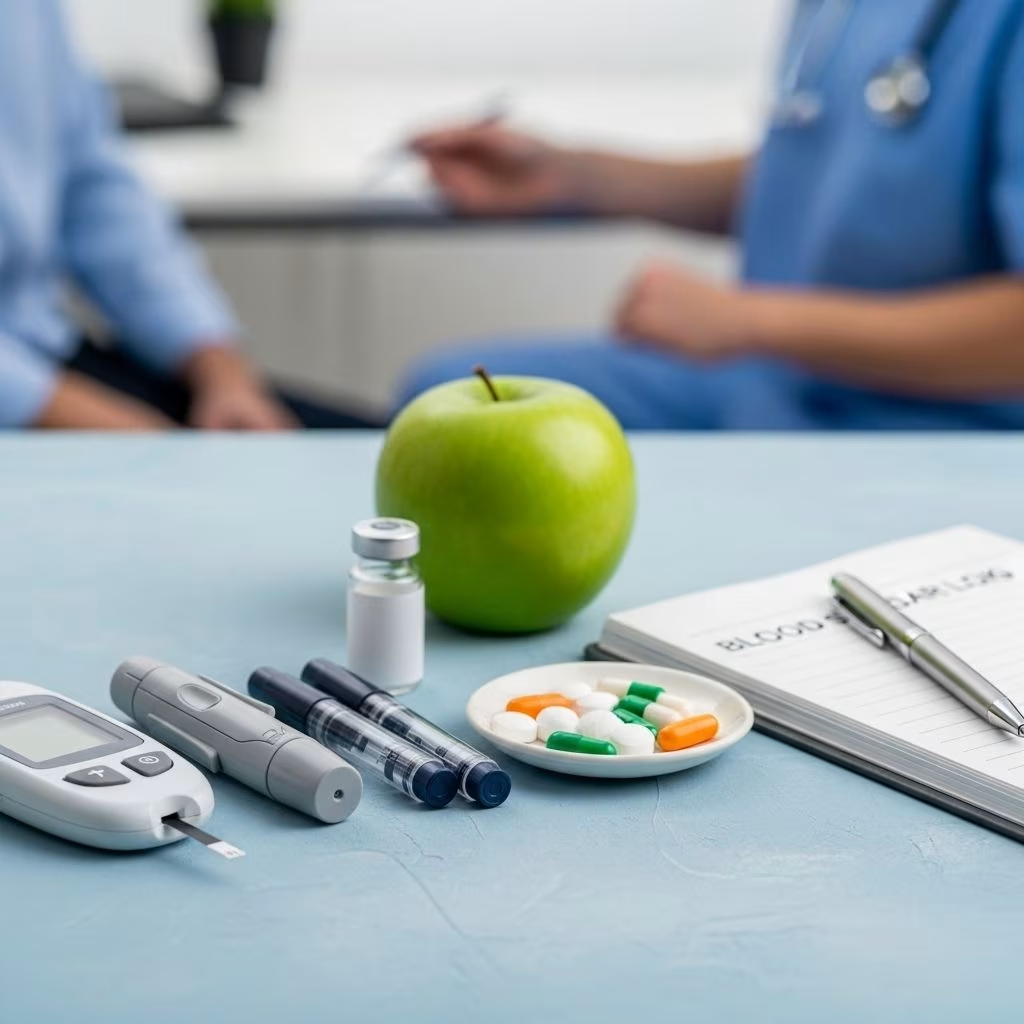
Type 2 diabetes is a lifelong condition that requires an individualized and adaptive approach for effective management. With an array of medication options, lifestyle modifications, and evolving combination therapies available, making informed decisions is crucial for maintaining optimal blood sugar and reducing health risks. This comprehensive guide outlines the primary treatment modalities, their benefits and side effects, and how to work with your healthcare provider to tailor a plan that supports your unique health journey.
Understanding Treatment Strategies for Type 2 Diabetes
The treatment of type 2 diabetes is highly individualized and considers factors such as age, duration of diabetes, overall health, comorbidities, and personal preferences. Successful blood sugar management is multifaceted, typically involving:
- Lifestyle modifications like nutrition and exercise
- Medications (oral and injectable)
- Combination therapies for enhanced effect
- Preventive care to minimize complications
Collaborative decision-making and personalized treatment goals are essential, as individuals’ needs change over time.
Medication Treatment Options
Each class of diabetes medication targets blood sugar management differently. Treatment selection is influenced by blood glucose levels, risk of side effects, co-existing conditions, and desired health outcomes.
Primary Medication Categories
- Oral medications: Pills taken by mouth.
- Injectable medications: Medications delivered by injection.
- Combination therapy: Two or more medications used together.
Oral Medications
Oral drugs are often the first step in managing type 2 diabetes, especially when lifestyle changes have not sufficiently controlled blood sugars. Below are the main types:
Metformin
Metformin is typically the first-line medication. It works by decreasing sugar production in the liver and improving insulin sensitivity. Metformin is valued for its:
- Proven safety profile
- Effectiveness in lowering blood glucose
- Potential for minimal weight gain or modest weight loss
Common side effects include gastrointestinal issues such as nausea and diarrhea, which generally improve over time.
Sulfonylureas
This class, which includes glipizide and glyburide, stimulates the pancreas to produce more insulin. Sulfonylureas also help by:
- Reducing breakdown of insulin in the liver
- Making body cells more sensitive to insulin
- Lowering the amount of glucagon released (a hormone that raises blood sugar)
Pros of sulfonylureas include low cost and significant glucose-lowering ability. However, potential risks are:
- Hypoglycemia (low blood sugar episodes)
- Weight gain in some individuals
DPP-4 Inhibitors
Dipeptidyl peptidase-4 (DPP-4) inhibitors like sitagliptin are chosen for:
- Boosting levels of hormones (GLP-1, GIP) regulating blood sugar
- Enhancing insulin production, especially after meals
- Lower risk of hypoglycemia compared to sulfonylureas
Generally, these medications are well tolerated but may be more expensive and carry a small risk of pancreas inflammation (pancreatitis).
Other Oral Medications
- SGLT2 inhibitors: Promote excess glucose excretion through urine and may support weight loss; some have cardiovascular or kidney benefits.
- Thiazolidinediones (TZDs): Improve insulin sensitivity but may cause weight gain and increase risk for certain complications in susceptible individuals.
Injectable Medications
When oral medications do not provide adequate control, or for individuals with high blood sugar levels at diagnosis, injectable options may be introduced. The main injectables include:
Insulin
Traditionally reserved for late-stage management, insulin therapy is now sometimes introduced earlier, especially if blood sugar remains elevated despite other medications. Insulin types vary by:
- How quickly they work (onset)
- How long they last (duration)
- How they are administered (most commonly via injection)
Insulin therapy must be closely monitored to minimize hypoglycemia risks. Types include:
- Long-acting insulin: Maintains steady blood sugar levels throughout the day or overnight.
- Short-acting insulin: Used around mealtime to address glucose spikes from eating.
GLP-1 Receptor Agonists
These injectables mimic the incretin hormone GLP-1, which:
- Stimulates insulin release after meals
- Lowers glucagon (which raises blood sugar)
- Slows digestion, leading to appetite suppression and potential weight loss
- Lower risk of hypoglycemia when used alone or with metformin
They are especially valued for individuals who seek help with both blood sugar and weight management.
Other Injectable Agents
- Amylin analogs: Used in specific scenarios to slow gastric emptying and curb appetite.
Combination Therapies for Type 2 Diabetes
For many, a single medication is insufficient to control blood sugar. Combination therapies use two or more drugs that work through different mechanisms to achieve tighter regulation. Key approaches include:
- Oral + oral: Two pills from different classes (often metformin plus another agent)
- Oral + injectable: A pill combined with an injection, e.g., metformin and a GLP-1 receptor agonist or insulin
- Injectable + injectable: Combinations such as GLP-1 agonist plus insulin
- Single-pill combinations: Some drugs are available as single tablets co-formulating two agents for convenience (e.g., metformin plus sitagliptin)
This approach often improves efficacy, reduces pill burden, and targets multiple aspects of diabetes physiology at once.
Setting A1C and Blood Glucose Goals
Monitoring and aiming for optimal blood glucose levels are essential components of diabetes care. Two commonly tracked metrics are:
- A1C: Reflects average blood glucose over the past 2–3 months. Standard targets are usually below 7%, but your goal may differ depending on age, comorbidities, and personal circumstances.
- Daily blood sugar readings: These provide real-time feedback to inform medication dosing and meal planning.
Your provider will help set an individualized A1C target, considering risk tolerance, disease duration, and other health issues.
Preventing and Managing Complications
Effective diabetes treatment not only addresses blood sugar control but also reduces the risk of serious complications affecting the heart, kidneys, eyes, and nerves.
- Cardiovascular Disease: Individuals with or at risk for heart disease may benefit from SGLT2 inhibitors or GLP-1 receptor agonists with proven heart protection.
- Kidney Health: Some newer diabetes drugs have demonstrated benefits in protecting against kidney decline.
- Lifestyle Choices: Eating a balanced diet, regular physical activity, not smoking, and minimizing alcohol intake are fundamental.
- Regular screening: Annual or more frequent checks for eye disease, kidney health markers, nerve function, and cholesterol.
Other Treatment Options: Weight-Loss Surgery
Weight-loss (bariatric) surgery is an option for some adults with type 2 diabetes, particularly those with a BMI of 35 or higher, or with significant obesity-related health complications. Surgery can:
- Lead to substantial and sustained weight loss
- Greatly improve blood glucose control and may even lead to remission in some cases
Risks include nutritional deficiencies and potential long-term side effects, so surgery is recommended only when other interventions haven’t succeeded and lifelong dietary and lifestyle changes are possible.
Shared Decision-Making with Your Healthcare Team
Choosing an effective treatment plan involves ongoing communication with your health provider, who will assess response to therapy, monitor side effects, and adjust therapies as needed. Key factors in decision-making include:
- Patient preferences and lifestyle
- Potential medication side effects
- Other health conditions or risks
- Access to medications and affordability
Diabetes care is dynamic—treatment regimens should be reviewed regularly and modified as life circumstances, health status, or diabetes progression changes.
Practical Lifestyle Tips for Optimizing Diabetes Control
- Nutrition: Emphasize whole grains, vegetables, lean proteins, and healthy fats. Monitor carbohydrate intake as it directly affects blood sugar.
- Physical Activity: Aim for at least 150 minutes of moderate exercise weekly. Include strength training for muscle and metabolic health.
- Monitor regularly: Track blood glucose as directed to understand how diet, exercise, and medications impact your levels.
- Plan Ahead: Anticipate changes such as travel, illness, or stress and discuss management strategies with your provider.
Table: Common Medications for Type 2 Diabetes
| Drug Class | Main Action | Pros | Cons | Typical Side Effects |
|---|---|---|---|---|
| Metformin | Decreases liver sugar output | Safe, effective, possible weight loss | GI side effects for some | Nausea, diarrhea |
| Sulfonylureas | Stimulates pancreas to make more insulin | Low cost, effective | Risk of low blood sugar, weight gain | Hypoglycemia, weight gain |
| DPP-4 Inhibitors | Increase incretin hormones | Low risk of hypoglycemia, weight neutral | More expensive | Rare pancreatitis |
| SGLT2 Inhibitors | Increase glucose excretion in urine | Weight loss, heart/kidney protection | UTI, genital infections | Increased urination, risk of infections |
| GLP-1 Receptor Agonists (Injectable) | Enhance insulin, suppress appetite | Weight loss, low risk hypoglycemia | Injectable, costly | Nausea, vomiting |
| Insulin | Hormone replacement | Most effective for lowering blood sugar | Hypoglycemia, weight gain, injections | Low blood sugar, weight gain |
Frequently Asked Questions (FAQs)
What is the best medication to start with for type 2 diabetes?
Doctors usually recommend starting with metformin due to its effectiveness, safety, and additional benefits like supporting weight management. It may be combined with other medications if blood sugar targets are not reached.
Can type 2 diabetes be managed without medication?
For some, especially early in diagnosis or with prediabetes, lifestyle changes alone—such as weight loss, dietary modifications, and increased physical activity—may keep blood glucose in target range. Over time, most people will require medication as diabetes progresses.
How are A1C and blood glucose goals set?
A1C and blood sugar goals are personalized and established collaboratively between patients and healthcare providers, accounting for age, duration of diabetes, co-existing health issues, and overall risk factors. Most adults aim for an A1C below 7%, but targets may vary.
Why do some people need to take more than one medication?
Diabetes is progressive, and over time, a single drug may not suffice to maintain target blood sugars. Combination therapy uses drugs with different mechanisms for better control and may also reduce side effects associated with higher doses of one medication.
Can weight-loss surgery cure type 2 diabetes?
Weight-loss surgery can significantly improve blood sugar control and may result in remission for some, though it is not considered a guaranteed cure. Continued monitoring and lifelong lifestyle changes remain necessary.
Key Takeaways
- Type 2 diabetes management is highly customizable, often requiring a combination of oral and injectable medications.
- Shared decision-making, individualized blood sugar targets, and ongoing monitoring are essential for optimal results.
- Lifestyle interventions, such as healthy eating, exercise, and regular checkups, remain foundational to all treatment plans.
References
- https://www.mayoclinic.org/diseases-conditions/type-2-diabetes/diagnosis-treatment/drc-20351199
- https://www.healthline.com/health/diabetes/a-beginners-guide-to-t2d-treatment-options
- https://www.hopkinsguides.com/hopkins/view/Johns_Hopkins_Diabetes_Guide/547147/all/Type_2_Diabetes:_Sequencing_Therapies
- https://www.aafp.org/pubs/afp/issues/2019/0215/p237.html
- https://www.nhs.uk/conditions/type-2-diabetes/treatment/
- https://my.clevelandclinic.org/health/diseases/21501-type-2-diabetes
- https://diabetes.org/health-wellness/medication/oral-other-injectable-diabetes-medications
- https://pro.aace.com/clinical-guidance/diabetes
- https://www.goodrx.com/conditions/diabetes-type-2