Lipohypertrophy is a common complication for people with diabetes who use insulin therapy. This condition involves lumps or thickened areas of fatty tissue under the skin, usually at repeated injection or infusion sites. Understanding lipohypertrophy, its effects on insulin absorption, and prevention strategies is crucial for effective diabetes management.
What is Lipohypertrophy?
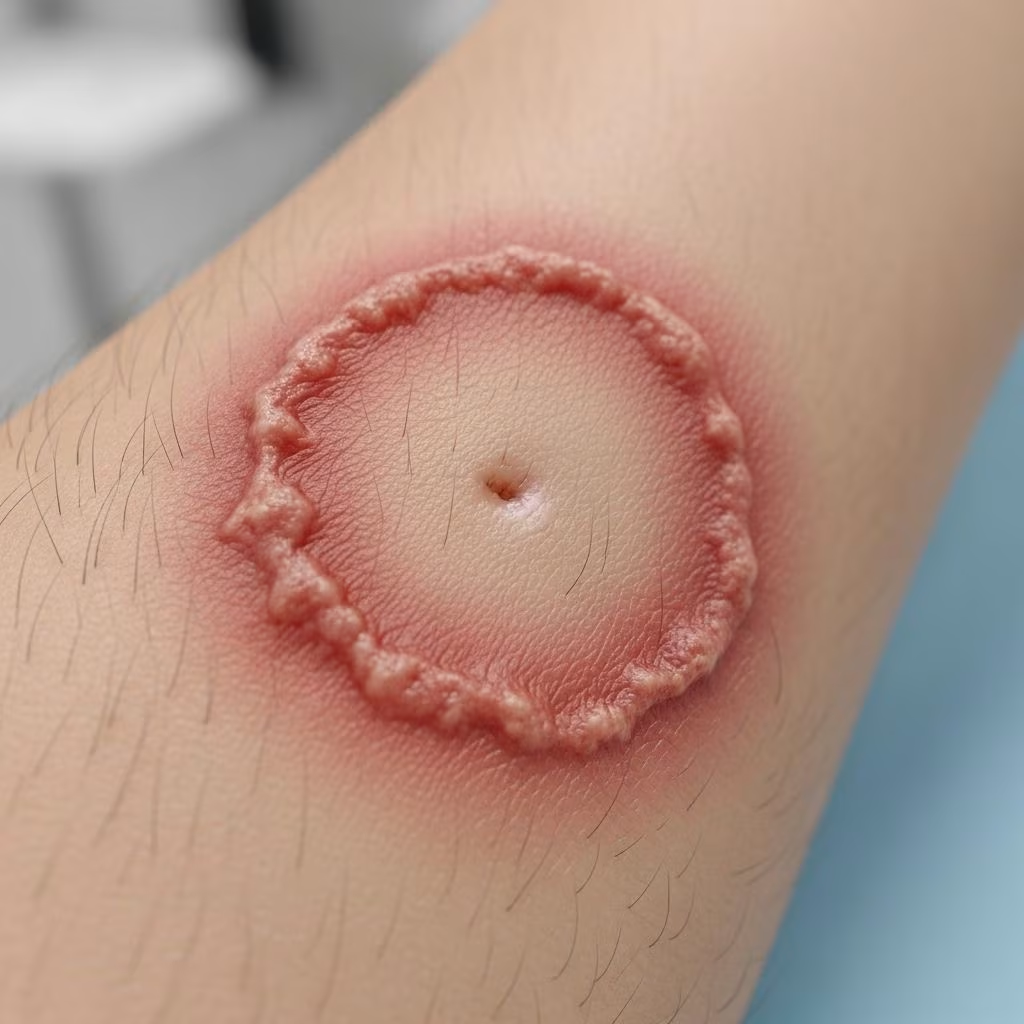
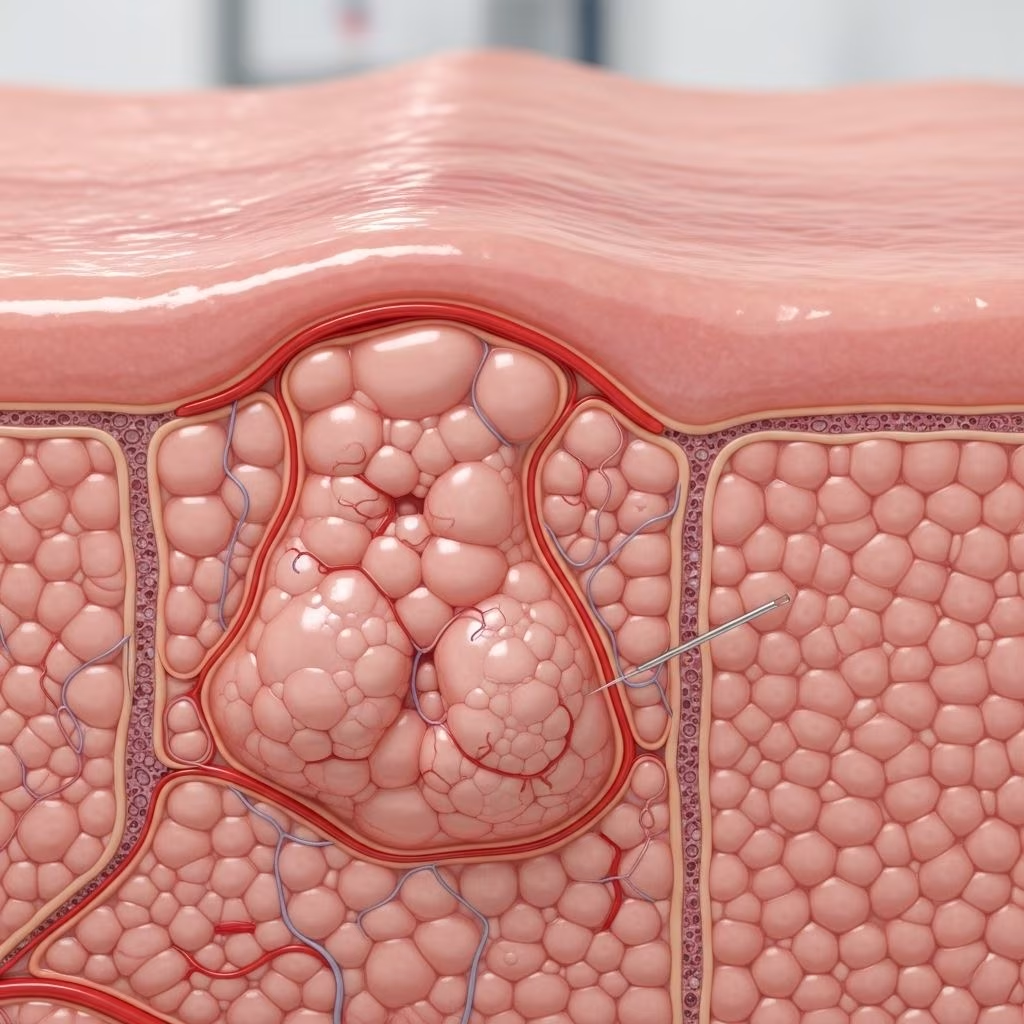
Lipohypertrophy refers to a localized thickening or lump under the skin, often at sites where insulin is injected or infused regularly. It is the result of abnormal fat cell accumulation, making the skin appear swollen or rubbery. These areas can interfere with insulin absorption, impacting blood glucose control and increasing insulin requirements.
Symptoms and Appearance
- Lumps or swelling at repeated injection sites
- Thickened, rubbery, or firm patches of skin
- Possible less sensitivity or numbness at affected areas
- Occasionally, itchiness or mild pain, though often painless
- Cosmetic changes such as skin depression (less frequently)
Who Gets Lipohypertrophy?
Lipohypertrophy is most common in people with diabetes who use insulin injections or infusions. Approximately 41–50% of people with insulin-treated diabetes are affected. It can occur in both children and adults, with a higher prevalence in those with long-standing diabetes and extensive insulin use.
What Causes Lipohypertrophy?
The main cause of lipohypertrophy is repeated administration of insulin in the same area of the skin. Several interrelated factors contribute to the development of this condition:
- Not rotating injection sites: Frequent use of the same site increases risk.
- Reusing needles: Blunt or contaminated needles cause more tissue irritation and trauma.
- Injecting cold insulin: Can cause local fat stimulation and enlargement of fat cells.
- High frequency of injections: More daily injections increase risk.
- Large insulin doses: Higher amounts injected in one area aggravate tissue changes.
- Long and thick needles: May cause more tissue damage.
Other contributing factors may include individual susceptibility, underlying metabolic factors, and type 1 diabetes (which is associated with a greater risk compared to type 2 diabetes).
Why is Lipohypertrophy a Problem?
Lipohypertrophy is more than a cosmetic issue. It can have a substantial impact on diabetes management and overall health:
- Poor insulin absorption: Insulin injected into lipohypertrophic areas is absorbed unpredictably and often less efficiently, making blood sugar control difficult.
- Higher insulin requirements: Individuals may need more insulin to achieve the same blood sugar-lowering effect, driving up costs.
- Increased glucose variability: Leads to unexplained highs and lows, contributing to increased risk for both hypoglycemia and hyperglycemia.
- Frequent hypoglycemia: Unpredictable insulin absorption can result in dangerous low blood sugar events.
- Worse long-term glycemic control: Elevated HbA1c and increased risk of diabetes complications.
- Economic and quality of life impact: More frequent hospital visits, missed work days, and higher medical costs.
Clinical Complications Associated with Lipohypertrophy
| Complication | How LH Contributes |
|---|---|
| Glycemic variability | Unstable insulin absorption |
| Hypoglycemia | Unpredictable insulin peaks |
| Hyperglycemia | Reduced or delayed insulin effect |
| Increased insulin dose | Compensatory rise due to poor absorption |
| Micro- & macrovascular risks | Worse long-term glucose control |
Diagnosis: How is Lipohypertrophy Identified?
Diagnosis is primarily through physical examination. Health care providers use the following methods to check for lipohypertrophy:
- Visual inspection: Looking for visible lumps, swelling, or areas of thickened skin at injection or infusion sites.
- Palpation: Gently feeling the skin to locate rubbery or firmer areas compared to surrounding tissues.
- Patient history: Discussion about changes in insulin absorption, frequent unexplained blood sugar swings, and injection habits.
- Occasionally, ultrasound imaging may help identify deeper or subtle cases.
What to Expect if You Have Lipohypertrophy?
Lipohypertrophy may present as persistent lumps under the skin that make ongoing insulin administration tricky. People may notice:
- Areas that feel firm, rubbery, or swollen
- Reduced pain sensation at these sites (increasing likelihood of repeated use)
- Variable insulin absorption leading to unpredictable blood sugar results
There is no medical risk of lipohypertrophy becoming cancerous, but without proper management, it may worsen insulin therapy outcomes.
Treatment and Management of Lipohypertrophy
There is no medication to dissolve or reverse lipohypertrophy instantly. Management focuses on changing behaviors and techniques:
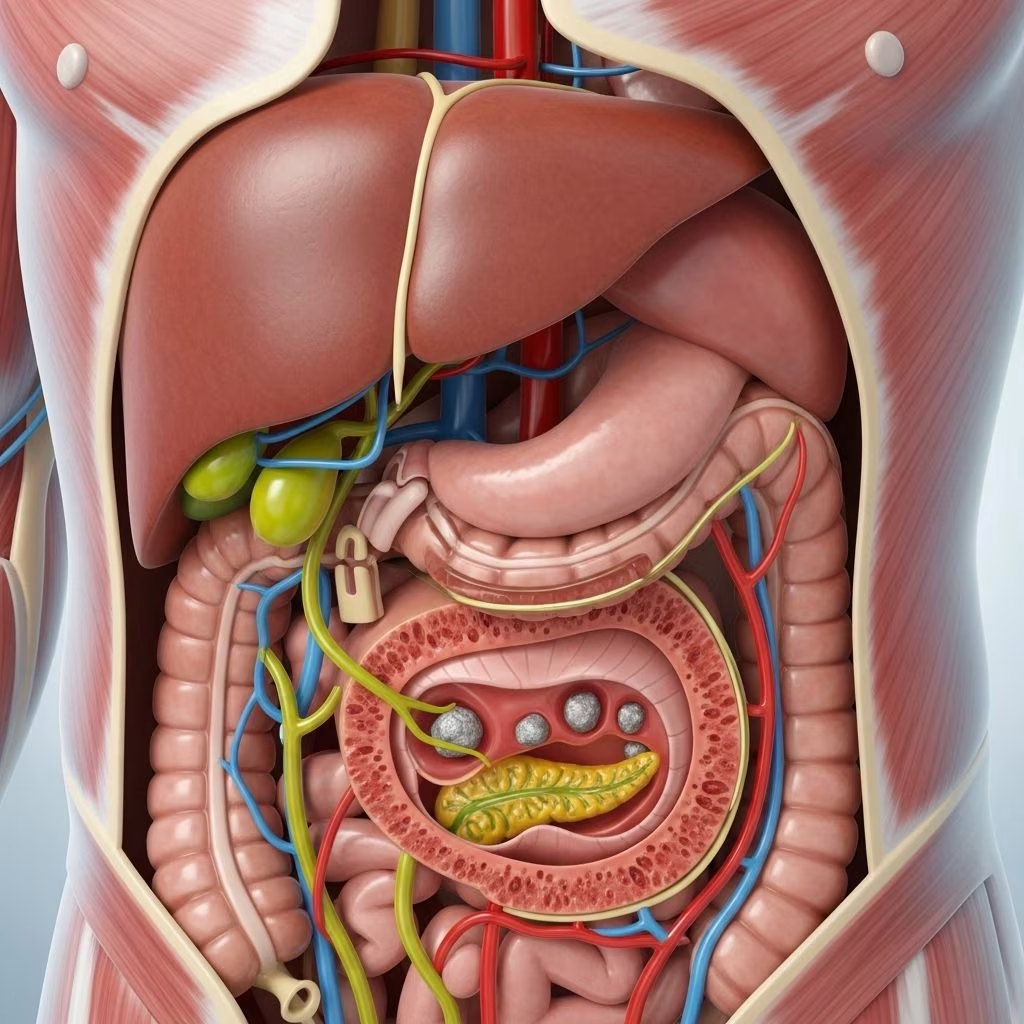
- Rotate injection/infusion sites: Always use a new site for each injection. Develop a systematic rotation plan (such as dividing the abdomen into quadrants).
- Avoid injecting into affected areas: Use healthy skin for new injections to promote better absorption.
- Do not reuse needles or infusion sets: Always use a new, sterile needle to avoid trauma and infection.
- Allow sites to heal: Avoid injecting into the same spot until it has healed fully, which can take weeks to months.
- Discuss with your diabetes care team: They may recommend adjusted insulin doses once the affected sites are avoided, due to improved absorption from healthy tissue.
Could Treatment Include Surgery?
Surgery is almost never needed. Lipohypertrophy is a benign, non-cancerous soft tissue change. With good injection practices and site rotation, the tissue usually slowly returns to normal over months, though very old or large areas may remain firm for years.
How to Prevent Lipohypertrophy
Prevention is crucial, since lipohypertrophy is easier to prevent than to treat. Key strategies include:
- Meticulous site rotation: Keep a consistent rotation schedule for injection or infusion sites.
- Use fresh needles/syringes/sets: Every time you inject or infuse insulin, use a new sterile needle or set.
- Monitor skin regularly: Self-examine and ask your health care provider to check injection sites at every diabetes appointment.
- Educate yourself and caregivers: Ensure knowledge of proper injection techniques and risk factors for skin complications.
- Record injection sites: Some people keep charts or use apps to ensure rotation is systematic and evenly covers available sites.
Tips for Injecting and Infusing Insulin Safely
- Select proper needle or cannula size based on guidance from your diabetes team.
- Keep insulin at room temperature before injecting to minimize tissue irritation.
- Clean skin properly with soap and water (alcohol swabs are not always necessary unless recommended).
- Avoid injecting into scars, bruises, or lipohypertrophic areas.
Lipohypertrophy and Glycemic Control: What Do the Studies Show?
Research shows that people with lipohypertrophy experience higher rates of unexpected hypoglycemia, glycemic variability, and may have higher HbA1c levels compared to those without this condition. They may require higher daily insulin doses and experience more frequent emergencies or hospitalizations due to blood sugar fluctuations.
| Outcome | With Lipohypertrophy | Without Lipohypertrophy |
|---|---|---|
| HbA1c (average) | Higher | Lower |
| Insulin dose needed | Higher | Lower |
| Glycemic variability | Increased | Stable |
| Unexplained hypoglycemia | More frequent | Less frequent |
When to Contact Your Healthcare Provider
- If you notice lumps, swelling, or thickened areas at injection or infusion sites
- If you experience frequent unexplained changes in your blood glucose control
- If your insulin requirements suddenly rise without major dietary or exercise changes
- For help developing a systematic injection site rotation plan
Frequently Asked Questions (FAQs)
What is the main reason lipohypertrophy develops?
Repeated injections or infusions of insulin in the same skin area over time cause fat cells to grow abnormally and form lumps or stiff tissue (lipohypertrophy).
Does lipohypertrophy affect how my insulin works?
Yes. Lipohypertrophic areas absorb insulin less predictably and less efficiently. This can lead to both high and low blood glucose levels, and usually means more insulin is needed for the same effect.
How can I tell if I have lipohypertrophy?
Check your usual injection or infusion sites for lumps, firmness, or skin patches that feel rubbery. Your healthcare provider can help confirm the diagnosis with a physical exam.
Is it dangerous to inject insulin into areas with lipohypertrophy?
While not dangerous in itself, using affected areas can make your blood sugar much harder to manage, increasing your risk of both hypoglycemia and hyperglycemia.
Can lipohypertrophy be reversed?
Affected tissues often shrink or improve if you avoid injecting into them for several months. In rare cases of very large or old areas, some firmness can persist. Systematic site rotation prevents new areas from developing.
Key Takeaways
- Lipohypertrophy is common in people with diabetes on insulin therapy.
- Main risk factors: repeated injections in the same area, needle reuse, poor site rotation.
- Leads to erratic blood sugar, higher insulin use, and worse long-term outcomes.
- Rotate injection/infusion sites, don’t reuse needles, and monitor your skin regularly to prevent problems.
Additional Resources
- Consult your endocrinologist or diabetes educator for training on proper injection technique.
- Check for educational videos and printable rotation charts from reputable diabetes organizations.
- Discuss any skin changes at your regular diabetes check-ups.
References
- https://www.liebertpub.com/doi/10.1089/dia.2023.0491
- https://pmc.ncbi.nlm.nih.gov/articles/PMC10658672/
- https://pmc.ncbi.nlm.nih.gov/articles/PMC11924065/
- https://www.healthline.com/diabetesmine/lipohypertrophy
- https://www.adces.org/practice/practice-resources/perspectives-on-diabetes-care/adces-perspectives-on-diabetes-care/2020/01/28/lipohypertrophy-a-forgotten-problem
- https://diabetesjournals.org/care/article/39/9/1486/37027/Insulin-Injection-Into-Lipohypertrophic-Tissue
- https://www.medicalnewstoday.com/articles/lipohypertrophy