Superior Mesenteric Artery (SMA) Syndrome, also known as Wilkie syndrome, cast syndrome, or arteriomesenteric duodenal obstruction, is a rare digestive disorder marked by the compression of the small intestine between two arteries. This condition can result in severe abdominal symptoms and may require specialized care. Below, you’ll find detailed information about SMA syndrome, including its causes, symptoms, risk factors, diagnostic methods, treatment options, and frequently asked questions.
What is SMA Syndrome?
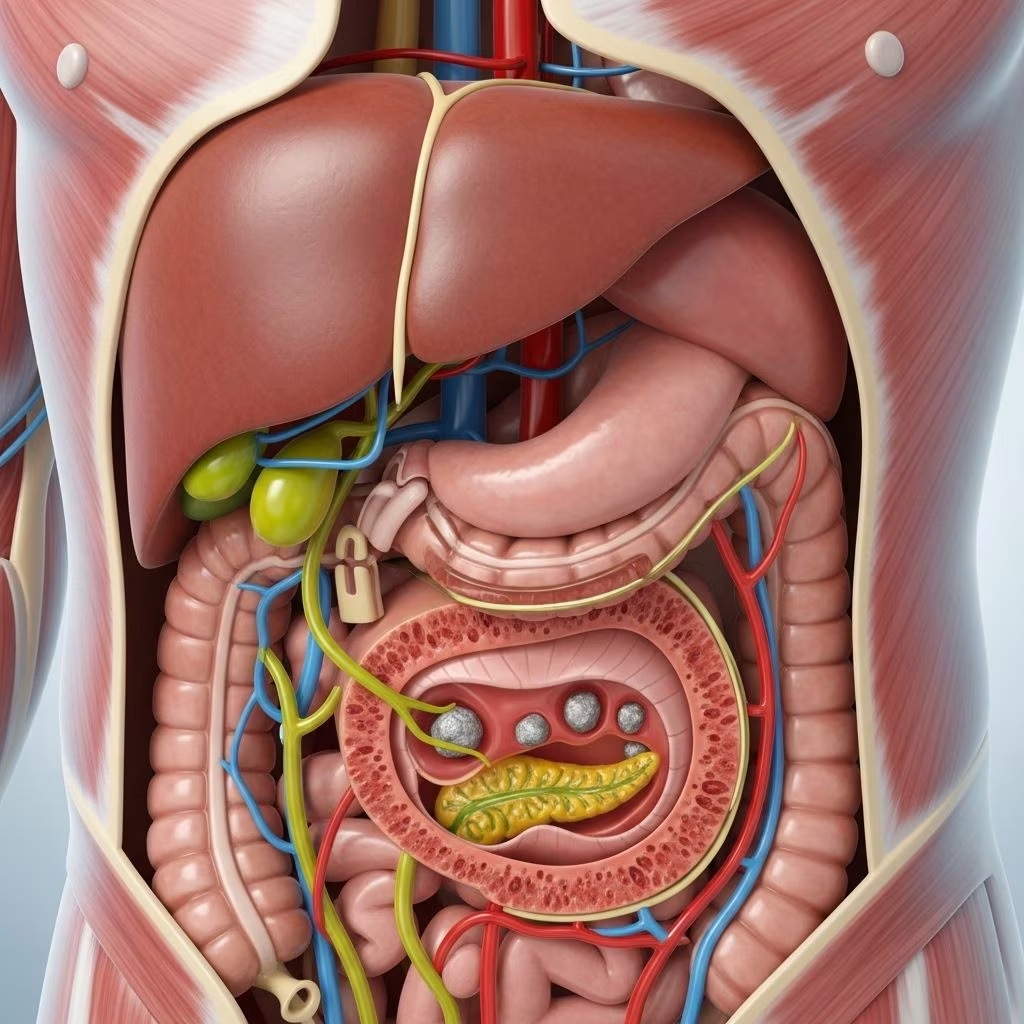
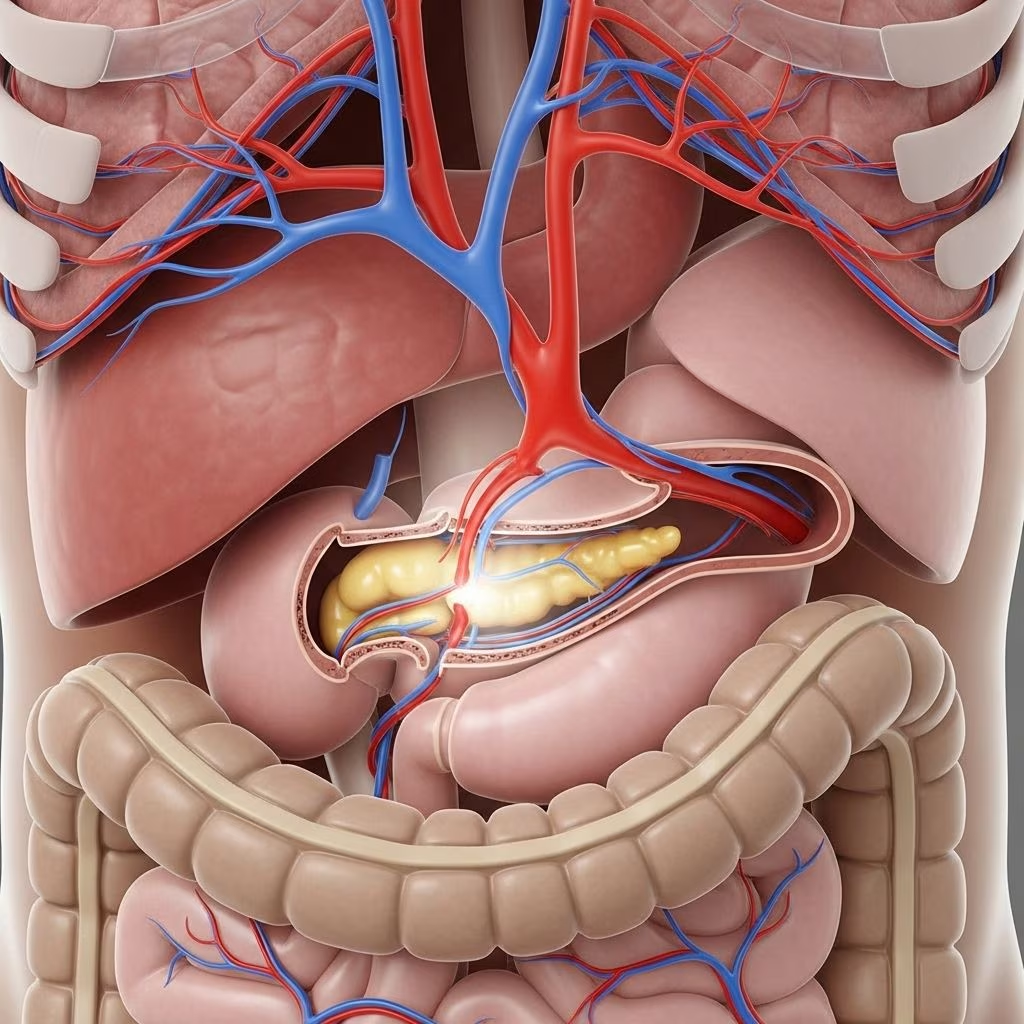
SMA syndrome is a digestive condition where the third portion of the duodenum, which is a segment of the small intestine, becomes compressed between the abdominal aorta and the superior mesenteric artery. This compression causes a partial or complete blockage of the duodenum, leading to various gastrointestinal symptoms.
- This syndrome is rare, estimated to affect less than 1% of the population.
- The key abnormality is a narrow angle (less than 25–60 degrees) or increased proximity (less than 10–28 millimeters) between the abdominal aorta and the SMA.
- The result is direct pressure on the duodenum, impeding normal food passage.
- SMA syndrome is sometimes also called SMAS, Wilkie syndrome, chronic duodenal ileus, or arteriomesenteric duodenal obstruction.
The condition most frequently develops as a complication of rapid or significant weight loss, which leads to the loss of the fatty tissue that protects the duodenum from compression.
Signs and Symptoms
SMA syndrome symptoms can vary significantly in severity and may develop gradually or appear suddenly. They are often worse after eating and may be alleviated by certain body positions.
- Abdominal pain (more severe after meals and when lying on the back)
- Nausea and vomiting (especially after eating)
- Feeling full quickly
- Loss of appetite
- Unintentional weight loss
- Indigestion
- Bloating or burping
Some people may notice pain relief when lying on their left side or with their knees drawn toward the chest.
In severe cases, complications include prolonged vomiting, dehydration, and nutritional deficiencies.
Causes of SMA Syndrome
SMA syndrome develops when the angle between the abdominal aorta and superior mesenteric artery narrows, squeezing the duodenum. Normally, a pad of fat holds this space open. When body fat is rapidly or markedly reduced, the arteries can compress the intestine.
Common precipitants include:
- Rapid or significant weight loss due to:
- Eating disorders (anorexia nervosa, bulimia)
- Cancer or chronic illness
- Major trauma or burns
- Post-surgical recovery (especially after corrective spine or scoliosis surgery)
- Prolonged bed rest or immobility
- Prolonged wearing of body casts
- Anatomical factors:
- Congenital (born with a narrow angle between the aorta and SMA)
- A short ligament of Treitz (which anchors the duodenum)
- Lower than usual origin of the SMA from the aorta
- Others:
- Rapid linear growth without proportional increase in fat or abdominal girth (common in teenagers)
- Muscle or fat wasting syndromes
It’s important to note that not everyone with rapid weight loss develops SMA syndrome, and not all individuals with a narrow aorto-mesenteric angle experience symptoms.
Who is at Risk?
- Teenagers and young adults (especially after growth spurts)
- People undergoing severe weight loss
- Individuals recovering from orthopedic or spinal surgery
- People with chronic or wasting illnesses
- More common in women
SMA syndrome has been observed across all ages, from infants to older adults, but is slightly more prevalent in adolescent and young adult females.
How Common is SMA Syndrome?
| Prevalence | Estimated between 0.13% and 0.3% of the general population |
|---|---|
| At-risk Groups | Teenagers, young adults, females (3:2 female:male ratio) |
| Geographical Spread | Global, affects all races |
The real prevalence may be underestimated due to unreported or misdiagnosed cases.
Associated Conditions
- Eating disorders
- Severe trauma or burn injuries
- Chronic illnesses (such as cancer)
- Recent or extensive abdominal or spinal surgeries
- Conditions necessitating the use of body casts
- Hereditary predisposition (occasionally reported in siblings)
Diagnostic Process
Because SMA syndrome shares symptoms with many other gastrointestinal disorders, diagnosis is often delayed. Early and accurate diagnosis is crucial to prevent long-term complications.
Diagnostic Steps
- Medical History and Physical Exam: Focuses on recent weight loss, previous surgeries, trauma, eating disorders, and typical symptom pattern.
- Imaging Studies:
- Abdominal X-rays: May show dilated segments of the small intestine.
- CT Angiography or MRI: Measures the aorto-mesenteric distance and angle, visualizing the narrowed passage and confirming compression.
- Upper GI Series (Barium Swallow): Can highlight the point of obstruction.
- Endoscopy (EGD): Rule out other gastrointestinal causes.
Diagnostic Criteria
| Normal SMA-Aorta Angle | 25–60 degrees |
|---|---|
| In SMA Syndrome | 7–22 degrees |
| Normal SMA-Aorta Distance | 10–28 mm |
| In SMA Syndrome | 2–8 mm |
Definitive diagnosis is confirmed through imaging studies that show decreased angle and distance, along with related clinical symptoms.
Treatment Options
The main goal of treatment for SMA syndrome is to relieve the duodenal compression and restore normal digestive flow. Most experts recommend conservative (nonsurgical) therapy initially, proceeding to surgery only if these measures are unsuccessful.
Conservative (Non-Surgical) Management
- Nutritional Support: Priority is on gradual weight gain to restore fat between the arteries.
- Frequent, small, high-calorie meals or specially formulated liquid supplements
- Enteral feeding (naso-jejunal tube): Tube is placed through the nose to the jejunum to ensure adequate nutrition
- Parenteral nutrition may be considered if enteral feeding is not tolerated
- Postural Therapy: Changing positions during and after meals—such as lying on the left side or with knees drawn to the chest—may help reduce symptoms
- Monitoring and correction of fluid and electrolyte imbalances
Surgical Intervention
Surgery is considered if conservative treatments are ineffective, if symptoms remain severe, or if complications develop. Common surgical approaches include:
- Duodenojejunostomy: The preferred surgery, creating a new connection to bypass the compressed section of the duodenum
- Strong’s procedure (mobilization of the duodenum): Relieves compression by repositioning the intestine
- Other bypass procedures as medically indicated
Minimally invasive (laparoscopic) techniques may be used to decrease recovery times and lower the risk of postoperative complications.
Prognosis
- Most people improve with appropriate weight gain and symptom management.
- Surgical treatment, when necessary, is generally effective.
- Successful management of underlying conditions (such as eating disorders) is critical to preventing recurrence.
Living with SMA Syndrome
- Dietary modifications, frequent meals, and symptom monitoring play a vital role in long-term management.
- Ongoing psychological and nutritional support may be necessary, especially if the underlying cause includes eating disorders or prolonged illnesses.
- Regular follow-up with a multidisciplinary medical team is recommended for best outcomes.
Frequently Asked Questions (FAQs) About SMA Syndrome
Q: What triggers SMA syndrome?
A: The syndrome is most often triggered by rapid or severe weight loss from conditions such as eating disorders, burns, trauma, major surgeries, or chronic illness. Anatomical susceptibility, like congenital narrowing of the angle between the aorta and the SMA, can also contribute.
Q: Is SMA syndrome hereditary?
A: While most cases are not hereditary, rare instances have seen siblings diagnosed, suggesting a possible genetic predisposition in the anatomical risk factors.
Q: How is SMA syndrome diagnosed?
A: Diagnosis involves a combination of clinical history, physical exam, and imaging studies—CT angiography or MRI are most effective at revealing the reduced angle and confirming blockage.
Q: Can SMA syndrome be cured?
A: Many cases can be managed and even resolved with nutritional rehabilitation and conservative management. Surgery may be required in persistent or severe cases, after which symptoms often resolve.
Q: What are the long-term complications if SMA syndrome is untreated?
A: Without treatment, SMA syndrome can cause recurring vomiting, malnutrition, dehydration, and electrolyte imbalances, which may become life-threatening over time.
Takeaway
SMA syndrome is a rare but serious cause of intestinal obstruction primarily triggered by rapid or significant weight loss. Early recognition and timely management are crucial for positive outcomes. If you or someone you know is experiencing abdominal symptoms following weight loss or major surgery, consult a healthcare provider for assessment and possible imaging studies. Recovery is possible—especially with coordinated, multidisciplinary care and support.
References
- https://www.healthline.com/health/spinal-muscular-atrophy/sma-in-babies
- https://www.medicalnewstoday.com/articles/sma-syndrome
- https://rarediseases.org/rare-diseases/superior-mesenteric-artery-syndrome/
- https://www.ncbi.nlm.nih.gov/books/NBK482209/
- https://iffgd.org/gi-disorders/other-disorders/sma-syndrome/
- https://www.bcm.edu/healthcare/specialties/surgery/general-surgery/superior-mesenteric-artery-syndrome